Beyond the Jan Brady Scream: Why Jennifer Elise Cox’s Delivery is a Masterclass in Character Acting
Jennifer Elise Cox turned neurotic outbursts into an art form. We break down how to apply her comedic blueprint to your own AI-assisted content creation.
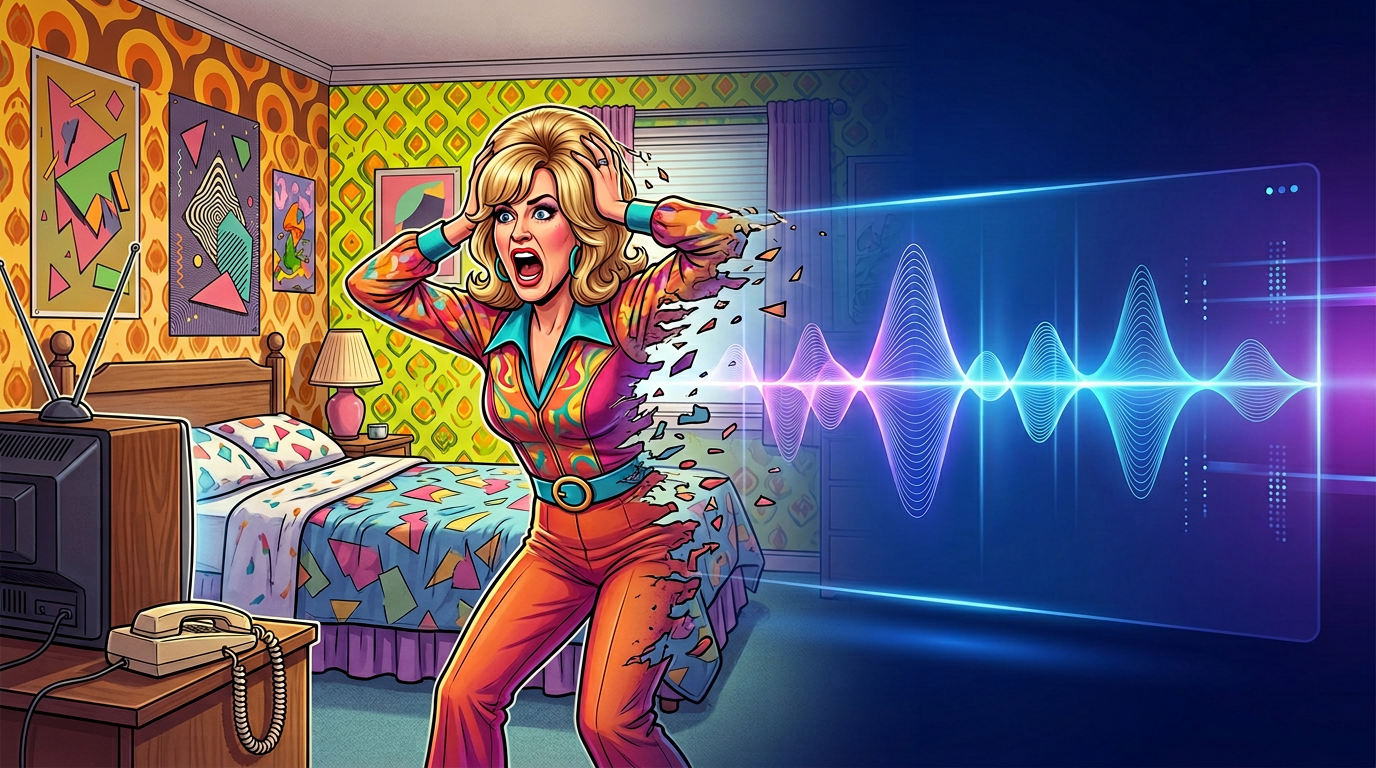
The art of comedic acting is often misunderstood as merely being 'funny.' In reality, the most enduring performances rely on a precise, almost mathematical commitment to absurdity. Jennifer Elise Cox’s portrayal of Jan Brady serves as a masterclass in this discipline, transforming the trivial anxieties of a middle child into a high-stakes performance that resonates decades later. Her ability to pivot from total composure to a glass-shattering, neurotic outburst is the gold standard for anyone looking to command attention in the fast-paced world of social media.
For modern creators, the challenge is translating that level of stage-ready intensity into short-form content. You don't have the luxury of a three-act structure or a laugh track to signal when a joke lands. Instead, you have seconds to establish a persona, deliver a hook, and leave a lasting impression. By analyzing the 'Jan Brady' approach, we can deconstruct how to build characters that feel alive, urgent, and inherently shareable through the power of modern AI tools.
The Anatomy of the Iconic Comedic Outburst
Cox’s delivery works because she treats petty grievances with the gravity of a Shakespearean tragedy. This dissonance—the gap between the severity of the emotion and the triviality of the trigger—is exactly what makes her delivery gold for memes and short-form video. In a 15-second clip, you don't have time for exposition. You need an immediate, recognizable emotional hook. Cox’s style relies on a rapid-fire escalation that doesn't just ask for attention; it demands it. When you watch her performance, you notice that the 'scream' or the 'eye roll' is never accidental; it is the culmination of a specific internal tension that is fully realized in the final millisecond of the beat.

Digital audiences gravitate toward characters that feel like they are operating at 110% intensity. When a character is perpetually on the verge of a breakdown, it creates an inherent narrative drive that keeps viewers engaged. This 'commitment to the bit' is the difference between content that gets scrolled past and content that gets shared. It is about finding the 'Jan Brady' in your own content—the specific quirk or insecurity that your audience can latch onto and recognize instantly.
The Physics of Comedic Timing in Digital Media
Timing is not just about silence; it is about the rhythmic manipulation of audience expectations. In the age of infinite scrolling, your 'timing' is defined by how quickly you can disrupt the user's pattern. Jennifer Elise Cox’s brilliance lies in her 'pre-scream' setup—the moment of stillness before the chaos. For creators, this translates to the 'hook-pause-payoff' structure. By using an AI voice generator to modulate cadence, you can simulate this exact tension. You want the AI to sound like it is holding its breath before the punchline, creating a micro-moment of suspense that forces the viewer to lean in. This is the secret to high-retention content: creating a psychological need for the resolution of the tension you have just built.
From Screen to AI: Scaling Character Energy
The creator economy is shifting away from passive consumption toward active, interactive participation. Fans no longer want to just watch a clip; they want to engage with the persona. This is where the limitations of traditional celebrity cameos become apparent. A static, one-way video message is a relic of a pre-interactive era. Today’s creators need tools that allow them to synthesize that specific, high-energy neuroticism into dynamic, custom content that can be deployed across multiple platforms.
Platforms like Fanfun are bridging this gap by allowing creators to tap into recognizable archetypes and voices. Whether you are aiming for the high-energy, infectious enthusiasm of Spongebob Squarepants or the commanding, larger-than-life presence of Shaq, the ability to generate content that feels bespoke and personality-driven is no longer reserved for major studios. By using an AI voice generator to maintain character consistency, you can build a library of content that feels like an extension of the character’s original DNA. If you want to channel the intensity of a sports legend, you can start with the Kobe Bean Bryant persona to understand how to structure high-impact, motivational dialogue that feels authentic.
Practical Framework: Building Your Own Character Persona
If you want to emulate the high-energy character acting seen in legends like Cox, you need a repeatable process. Use this framework to ensure your AI-assisted personas have the necessary 'punch' to resonate with your audience:
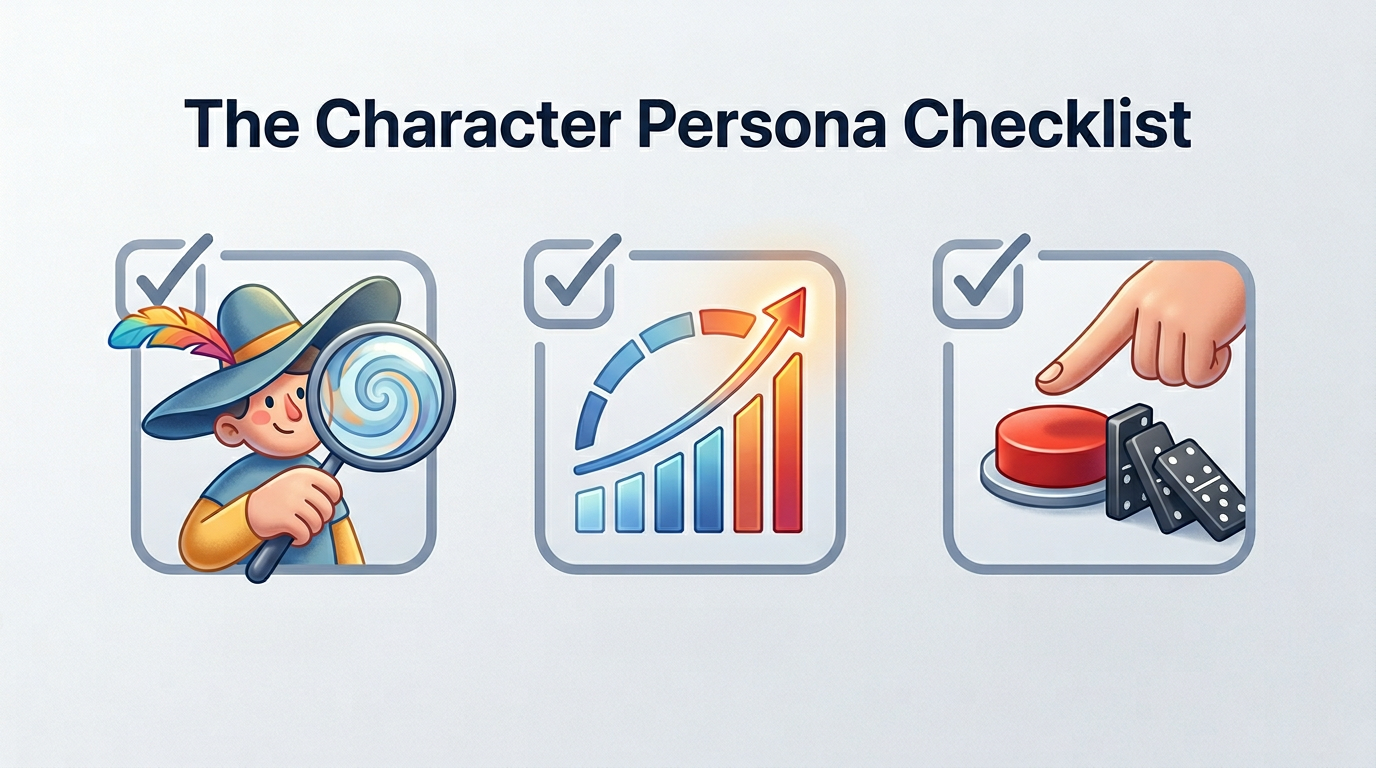
- Step 1: Identify the Core Quirk – Every iconic character has one defining trait. For Jan Brady, it was the 'woe is me' insecurity. For your persona, is it extreme optimism, constant skepticism, or hyper-competitive drive?
- Step 2: Establish the Baseline Intensity – Don't start at zero. Your character should exist at a baseline of 70% intensity so that when a 'reaction trigger' occurs, they can easily jump to 100%.
- Step 3: Define the Reaction Trigger – What makes your character snap? Consistency is key. If your character reacts to every minor inconvenience with a specific, high-energy catchphrase or vocal inflection, the audience will learn to anticipate—and love—that moment.
By using these steps, you can create a consistent, recognizable character that feels like a real person rather than a generic AI output. The goal is to build a brand voice that is distinct enough to be recognized even without a visual anchor.
Why Modern Fandom Demands Interactive Icons
We are entering an era where fandom is defined by interaction. The ability to chat with an AI persona, or generate a custom birthday wish that feels authentic to the character, is changing the creator-fan dynamic. When you use tools like Dwayne Johnson AI to create content, you aren't just using a voice; you are tapping into a cultural shorthand that your audience already understands. This shared language makes your content instantly more relatable and engaging.
Consider the versatility of modern AI characters. You can have Mickey Mouse deliver a message that is as polished as a Disney production, or use the Sydney Sweeney persona to explore contemporary, trend-driven dialogue. These tools allow you to experiment with different tones and personas without the logistical nightmare of traditional talent booking. It is about scaling your creativity so you can focus on the performance rather than the logistics. Fanfun enables this by providing a sandbox where the boundary between the viewer and the icon is dissolved, allowing for a level of personalization that was previously impossible.
Beyond the Script: Why Personalization Wins
The most successful content creators use AI as a tool for augmentation, not replacement. The technology provides the speed and scalability, but the creative choices—the timing, the quirk, the specific reaction—remain the purview of the human architect. By balancing technical AI capabilities with authentic performance choices, you can create work that feels both professional and deeply human.
Ultimately, the goal is to create content that doesn't feel like a template. Whether you are producing rapid-fire TikToks or building a long-term interactive project, remember that the audience is looking for that 'Jan Brady' level of commitment. Give them the energy, give them the quirk, and use the technology at Fanfun to make it happen instantly. By treating your AI personas as real characters with histories and emotional triggers, you create a deeper, more meaningful connection with your audience that transcends simple, one-off content. Your audience is waiting for a performance; give them something they can't stop watching.
How does AI voice technology capture comedic timing?
AI voice generators analyze the cadence, inflection, and emotional peaks of a performer to replicate the 'rhythm' of their delivery. By training on specific high-energy performances, the AI can mimic the breathiness or the sharp, sudden shifts in volume that define iconic comedic timing.
Can I use AI to create my own character-driven content?
Yes. By defining a set of core traits, a specific baseline of intensity, and consistent reaction triggers, you can use AI tools to generate scripts and voiceovers that maintain a cohesive character persona across any project.
What are the best alternatives to Cameo for personalized celebrity videos?
Fanfun is a leading alternative, offering not just celebrity-style video messages, but also interactive AI chats and character-based content that isn't limited by the availability of real-world talent.
How does Fanfun differ from traditional celebrity booking platforms?
Fanfun provides instant, scalable, and affordable AI-driven content. Unlike traditional platforms that require celebrity scheduling and high fees, Fanfun offers a library of personas that are available 24/7 for personalized birthday wishes, roasts, memes, and interactive conversations.