The Jack De Sena Playbook: Voice Acting Secrets of Sokka and the Power of Expressive Comedic Timing
Discover how Jack De Sena transitioned from live sketch comedy to voice acting, creating the iconic, sarcastic voice of Sokka. Learn actionable vocal frameworks to elevate your own content.
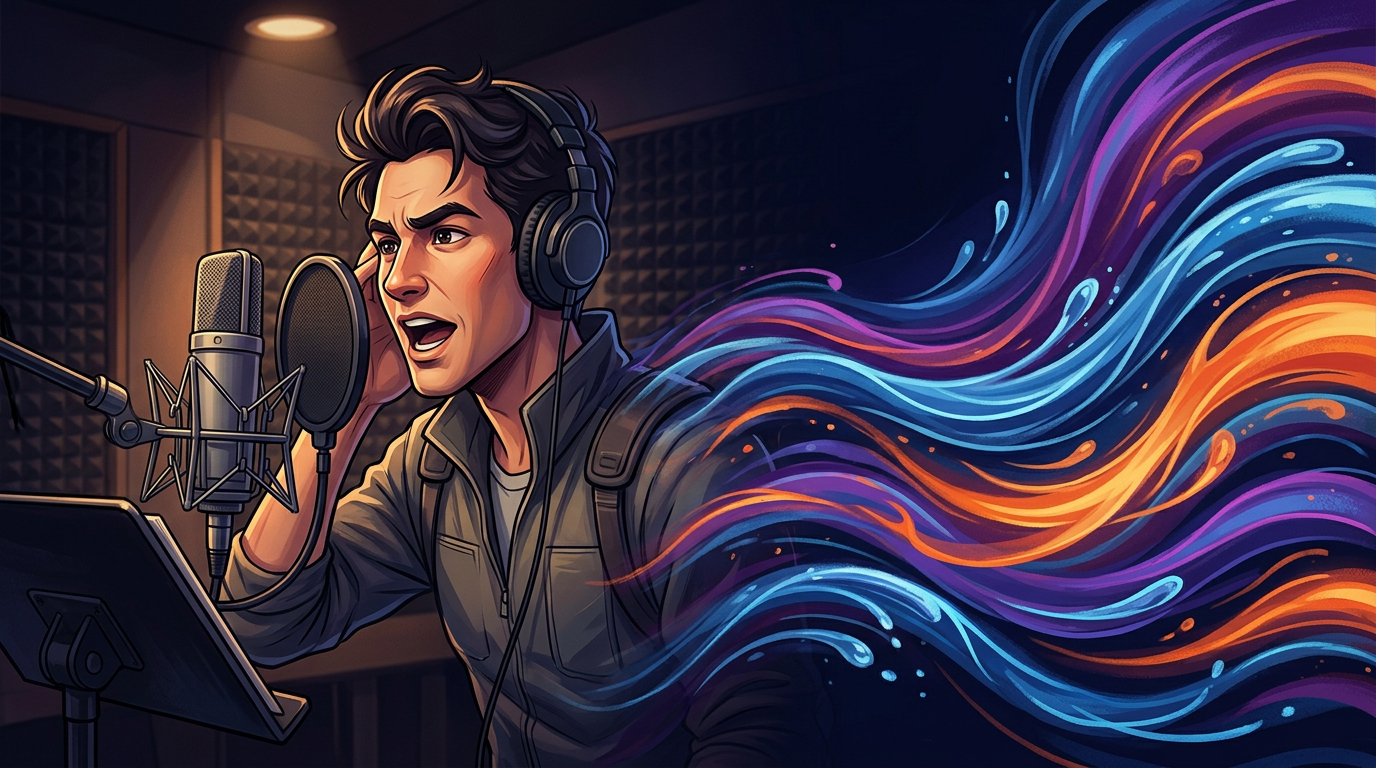
When Avatar: The Last Airbender debuted in 2005, viewers were immediately drawn to the elemental magic of waterbending, earthbending, and firebending. Yet, the emotional anchor of the series turned out to be a teenager with a boomerang, a severe lack of magical powers, and an unmatched gift for sarcasm. Sokka of the Southern Water Tribe became a legendary character not just because of his writing, but because of the brilliant vocal performance of Jack De Sena. De Sena transformed what could have been an annoying, cynical sidekick into the beloved, beating heart of the show.
While fans often look back at Sokka through a lens of pure nostalgia, his enduring appeal offers a masterclass in vocal performance. De Sena’s transition from physical sketch comedy to the recording booth provides a blueprint for modern content creators. By analyzing Sokka's voice, we can unlock the exact mechanics of comedic timing, vocal elasticity, and expressive delivery needed to captivate audiences in today's crowded media landscape.
From 'All That' to the Southern Water Tribe: The Vocal Evolution of Jack De Sena
Long before he stepped into the recording booth for Nickelodeon's flagship animated series, Jack De Sena was honing his comedic skills in front of a live studio audience. As a key cast member on the mid-2000s revival of Nickelodeon's hit sketch comedy show All That, De Sena learned the grueling, fast-paced discipline of physical comedy. Live sketch acting requires an acute awareness of body language, facial expressions, and immediate audience feedback—skills that would surprisingly define his later voice acting career.
Physical comedy and voice acting are deeply intertwined. When an actor is confined to a microphone, they cannot rely on a raised eyebrow or a slapstick fall to convey a joke. Instead, all of that physical energy must be channeled directly into the vocal cords. De Sena's background allowed him to "physicalize" his voiceover sessions, throwing his entire body into the performance to achieve the extreme, elastic expressions that matched Sokka's wild animation.
This commitment to sharp, fast-paced comedic writing did not end with his childhood television roles. De Sena went on to co-create the popular comedy channel "Chris & Jack," where he continues to write and perform high-energy, concept-driven sketches. This ongoing dedication to tight comedic timing proves that vocal performance is not just about having a pleasant voice; it is about understanding the rhythm of a joke and knowing exactly when to accelerate, pause, or let a syllable crack under pressure.
The Anatomy of Sokka’s Voice: Why Sarcasm is the Hardest Emotion to Master
Sarcasm is notoriously difficult to pull off in voice acting. Done poorly, it sounds mean-spirited, monotonous, or flatly dismissive, alienating the audience. Jack De Sena’s genius lay in his ability to make Sokka's skepticism feel incredibly warm and human. Sokka was often the only logical person in a world of magical fantasy, and his voice became the audience's surrogate.
To achieve this, De Sena relied on a highly dynamic vocal range characterized by sudden, dramatic pitch shifts. When Sokka was confident, his voice settled into a proud, slightly pompous mid-register. But the moment his plans fell apart, De Sena would deliberately allow his voice to crack, skyrocketing into a panicked high register. These voice cracks were not accidental; they were calculated tools used to emphasize Sokka's vulnerability and youth, instantly deflating his ego for comedic effect.
Furthermore, De Sena mastered the art of the deadpan contrast. He would deliver absurd lines with absolute, dry-mouthed seriousness, only to follow them up with explosive, high-energy outbursts. This sonic whiplash kept the dialogue unpredictable. Because Sokka had no bending abilities, his voice had to do the heavy lifting of grounding the show's high-stakes action. His exasperated sighs, frantic gasps, and sarcastic grunts provided a much-needed dose of reality, making the fantastical world of Avatar feel tangible and relatable.
The Creator's Guide to Sarcastic Delivery: A Vocal Performance Framework
For modern digital creators, YouTubers, and podcasters, capturing an audience’s attention requires more than just reading a script. It demands a distinct vocal identity. If your voiceovers feel flat or lack energy, audiences will scroll away within seconds.
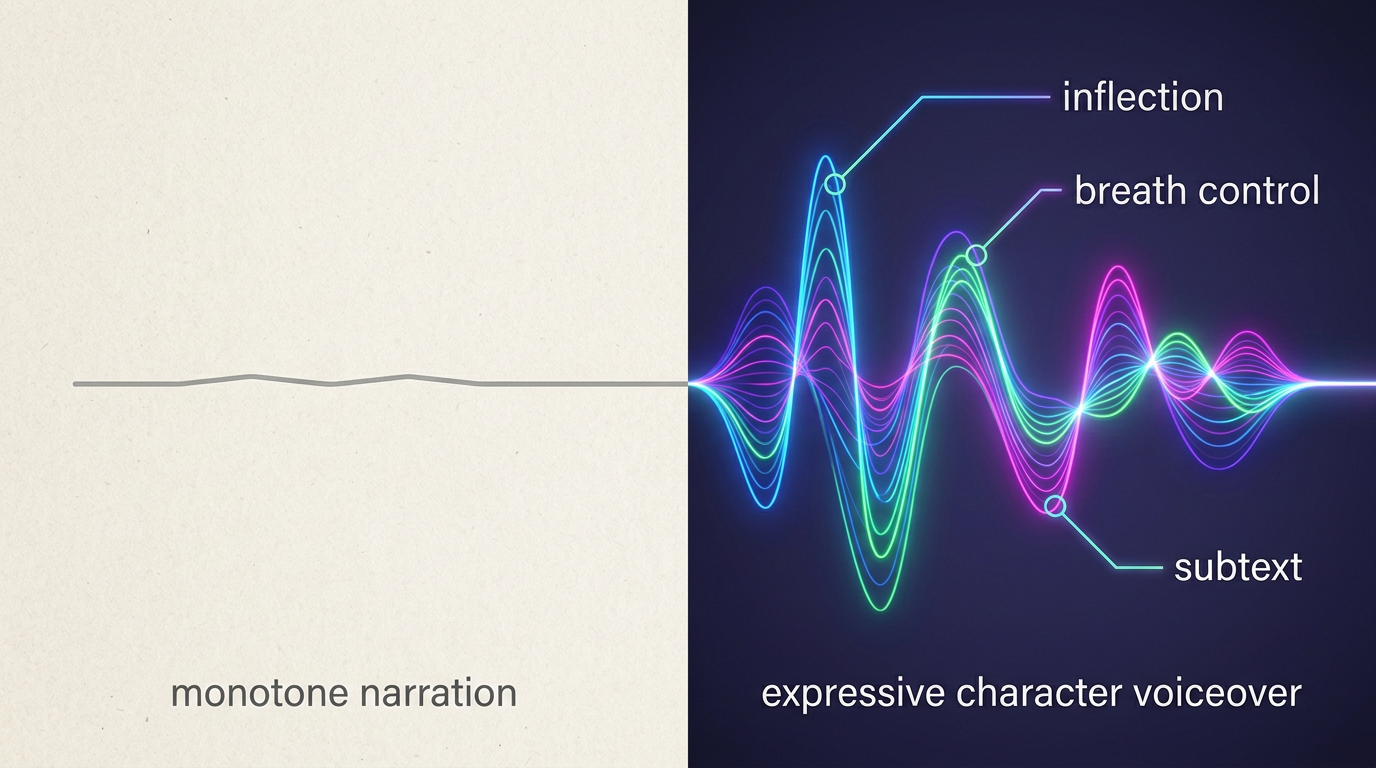
To help you transition from standard narration to dynamic, character-driven storytelling, consider the following performance comparison:
| Vocal Element | Flat Narration (Avoid) | Expressive Character Delivery (Emulate) |
|---|---|---|
| Pitch Variation | Monotone, staying in a safe middle register. | Wide swings; voice cracks on panic, dropping low for sarcasm. |
| Pacing & Tempo | Even, metronomic speed throughout. | Rapid-fire delivery during excitement, followed by heavy, dramatic pauses. |
| Emotional Contrast | One continuous mood (usually dry or overly cheerful). | Sharp transitions from high-energy confidence to flat, deadpan reality. |
The Vocal Elasticity Scale: Sokka vs. Other High-Energy Icons
To truly master this style, it helps to look at how high-energy vocal personas like how high-energy vocal personas like Jack Black use physical delivery to command attention. Much like Jack Black's rock-and-roll bravado, De Sena's Sokka relies on vocal elasticity—the ability to stretch a single word across multiple octaves. When Sokka screams "Cactus juice!", it is not just loud; it is a musical journey of rising pitch, raspy distortion, and rhythmic pacing. Creators can emulate this by treating their scripts not as text to be read, but as a musical score where pitch, volume, and tempo must constantly shift to keep the listener engaged.
The Creator's Comedic Timing Checklist
Before you publish your next voiceover or video, run your vocal performance through this quick diagnostic check:
- Did you embrace the pause? Silence is often the funniest part of a joke. Give your punchlines a beat to land before moving to the next line.
- Are your pitch shifts intentional? Use a higher pitch to convey desperation, disbelief, or excitement, and drop into your lower register for moments of cynical realism.
- Did you physicalize the recording? If you are standing perfectly still, your voice will sound still. Move your hands, change your posture, and let your facial expressions guide your vocal tone.
- Is there subtext in your delivery? Ensure your voice communicates what the character is actually feeling, not just the literal words on the page.
Scaling the 'Sokka Energy': Why Traditional Shoutouts Fall Short of Creative Freedom
When creators or fans want to inject this kind of high-energy comedic personality into their own projects or gifts, they historically faced massive roadblocks. For years, the only option was to turn to traditional celebrity booking platforms. However, creators have increasingly run into the growing limitations of traditional celebrity shoutout platforms. These legacy services are slow, expensive, and rigid. You might wait weeks for a celebrity to record a 15-second, unscripted video that misses the mark, lacks creative energy, or fails to capture the specific inside joke you wanted to share.
This is where Fanfun transforms the creative landscape. As an AI-powered platform designed for instant, personalized celebrity-style videos and voiceovers, Fanfun removes the friction of traditional talent booking. Instead of waiting for a busy actor's schedule to clear, creators can instantly generate high-energy, custom voice and video content that captures the exact comedic timing, dry sarcasm, and charismatic delivery of their favorite archetypes.
Whether you are looking to create a hilarious birthday roast or scale a complex social media campaign, Fanfun’s growing library of licensed and original AI personas gives you full creative control. You can write the script, set the tone, and receive a high-quality, expressive video in minutes. It is the ultimate tool for scaling "Sokka-level" energy without the wait or the premium price tag.
How to Use Character Voices for Premium Content Creation
Integrating expressive character voices into your digital workflow is one of the fastest ways to stand out on platforms like TikTok, YouTube, and Instagram Reels. By leveraging advanced voice changers to elevate your content quality, you can produce highly engaging parody dubs, animated shorts, or reaction videos that resonate deeply with fandoms.
To get the best results when scripting for an AI voice generator, keep these comedic writing tips in mind:
- Write for the breath: Real people gasp, sigh, and take pauses. Insert punctuation like ellipses (...) or dashes (—) to force the AI to mimic natural human pacing.
- Emphasize the punchy consonants: Words with hard "K", "T", and "P" sounds naturally carry more comedic weight.
- Contrast short and long sentences: Follow a long, rambling explanation with a sharp, one-word deadpan reaction to recreate De Sena's signature comedic rhythm.
Using these tools ethically and creatively allows creators to expand their storytelling capabilities. Rather than replacing human artistry, AI voices act as a collaborative canvas, letting writers, animators, and casual fans bring their wildest comedic concepts to life with professional-grade vocal performance.
Who voiced Sokka in Avatar: The Last Airbender?
Sokka was voiced by American actor Jack De Sena. His highly expressive, energetic, and sarcastic performance became one of the defining elements of the iconic Nickelodeon animated series.
What other shows and movies has Jack De Sena been in?
Beyond his legendary role as Sokka, Jack De Sena is famous for starring in Nickelodeon's live-action sketch comedy show All That. He also voiced Callum in the hit Netflix animated series The Dragon Prince and frequently writes and stars in comedic shorts for his popular YouTube sketch channel, "Chris & Jack."
How does Jack De Sena achieve his unique comedic timing?
De Sena's comedic timing is rooted in his early training in live, physical sketch comedy. He translates physical movements, facial expressions, and high-energy body language directly into his vocal delivery, utilizing dramatic pitch shifts, intentional voice cracks, and sharp deadpan contrasts to keep his performances dynamic and engaging.
Can I get a personalized video or voice message in the style of Sokka?
Yes! While booking busy voice actors directly can be difficult and slow, platforms like Fanfun offer a modern alternative. Using Fanfun's AI-powered voice and video generator tools, you can instantly create custom, high-energy messages, roasts, and greetings using expressive character voices modeled after iconic archetypes like Sokka.