The Celebrity AI Voice Playbook: How Content Creators are Scaling Production Without Losing Audience Trust
Discover how to transition from low-effort soundboard memes to production-grade narrative content. This playbook outlines how to direct celebrity AI voices, navigate platform compliance, and scale your content seamlessly.
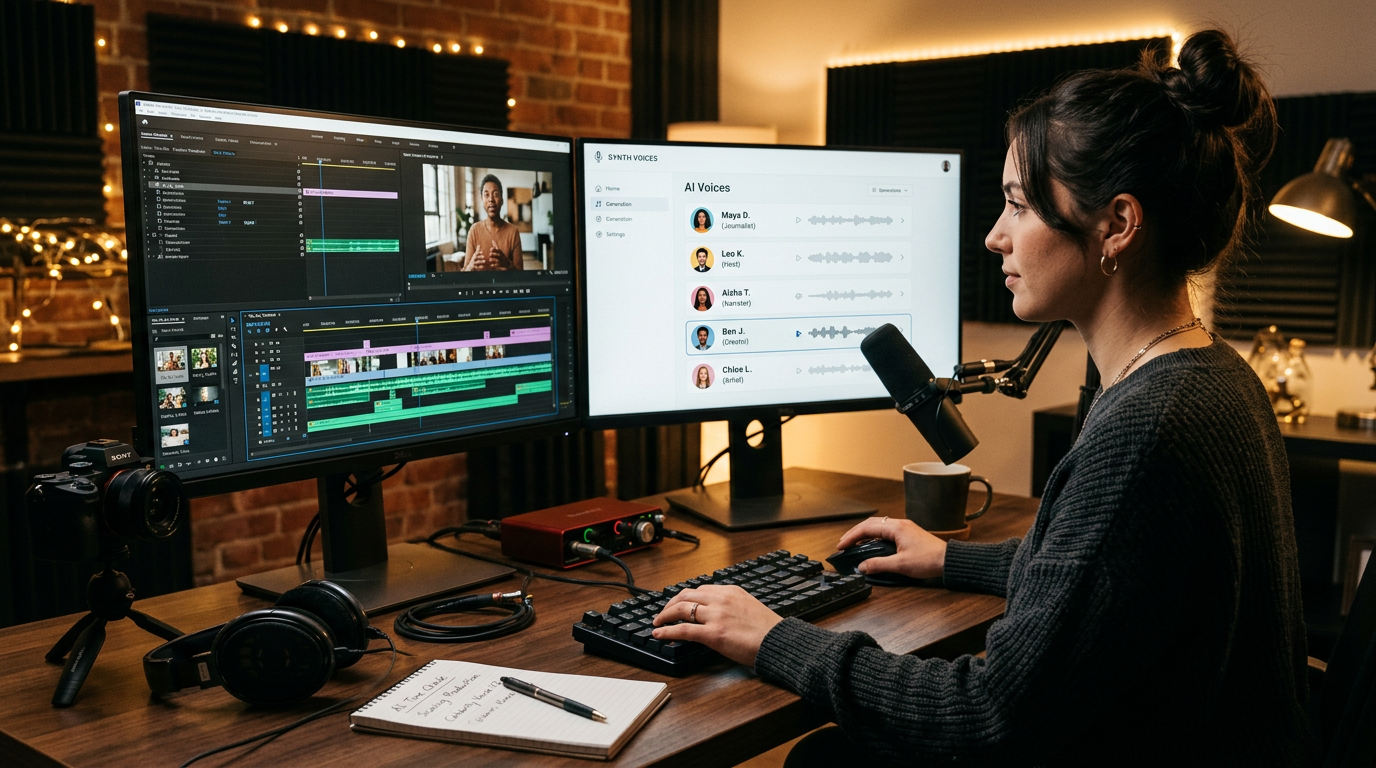
The creator economy moves too fast for traditional talent booking. Waiting weeks for an agency to clear a voiceover contract or spending thousands of dollars on a single celebrity shoutout is no longer a viable workflow for creators who need to publish daily across TikTok, YouTube, and Instagram. To keep up with the relentless pace of social algorithms, creators need speed, flexibility, and high-fidelity audio that captures attention in the first three seconds.
Savvy digital storytellers are bypassing these production bottlenecks by leveraging sophisticated synthetic voice models. By moving past the era of cheap soundboards and treating AI voice generators as dynamic, directable actors, creators are scaling high-value narrative content while maintaining audience trust. Here is the playbook for transitioning from amateur voice clips to production-grade audio that elevates your brand.
The Evolution from Soundboard Memes to Production-Grade Audio
For years, synthetic celebrity voices were relegated to the corners of Discord servers and low-effort meme channels. These early tools relied on basic voice changers that chopped up syllables, resulting in metallic, robotic clips designed primarily for trolling. While amusing in short bursts, these low-fidelity outputs lacked the emotional resonance and audio quality required for professional video production.
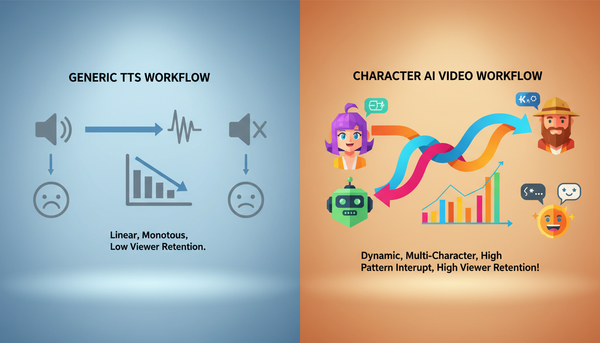
Today, the landscape has completely shifted. Premium creators are transitioning away from basic celebrity voice changers to elevate premium content creation, utilizing advanced AI interpretations to drive narrative storytelling. Instead of relying on static, pre-recorded audio files, professional creators use sophisticated AI platforms to draft scripts, test comedic timing, and construct engaging hooks that stop the scroll. The difference lies in the underlying technology: modern AI voices do not just stitch phonemes together; they interpret the emotional undertones, cadence, and stylistic quirks of a speaker, delivering a performance rather than a simple text-to-speech readout.
The Three Pillars of Directing Celebrity AI Voiceovers
To make an AI voice sound genuinely human and expressive, you cannot treat the generation tool like a passive search box. You must act as a director. Even the most advanced neural networks require intentional input formatting to deliver realistic performances. Mastering these three core pillars of synthetic voice direction will immediately upgrade your audio quality:
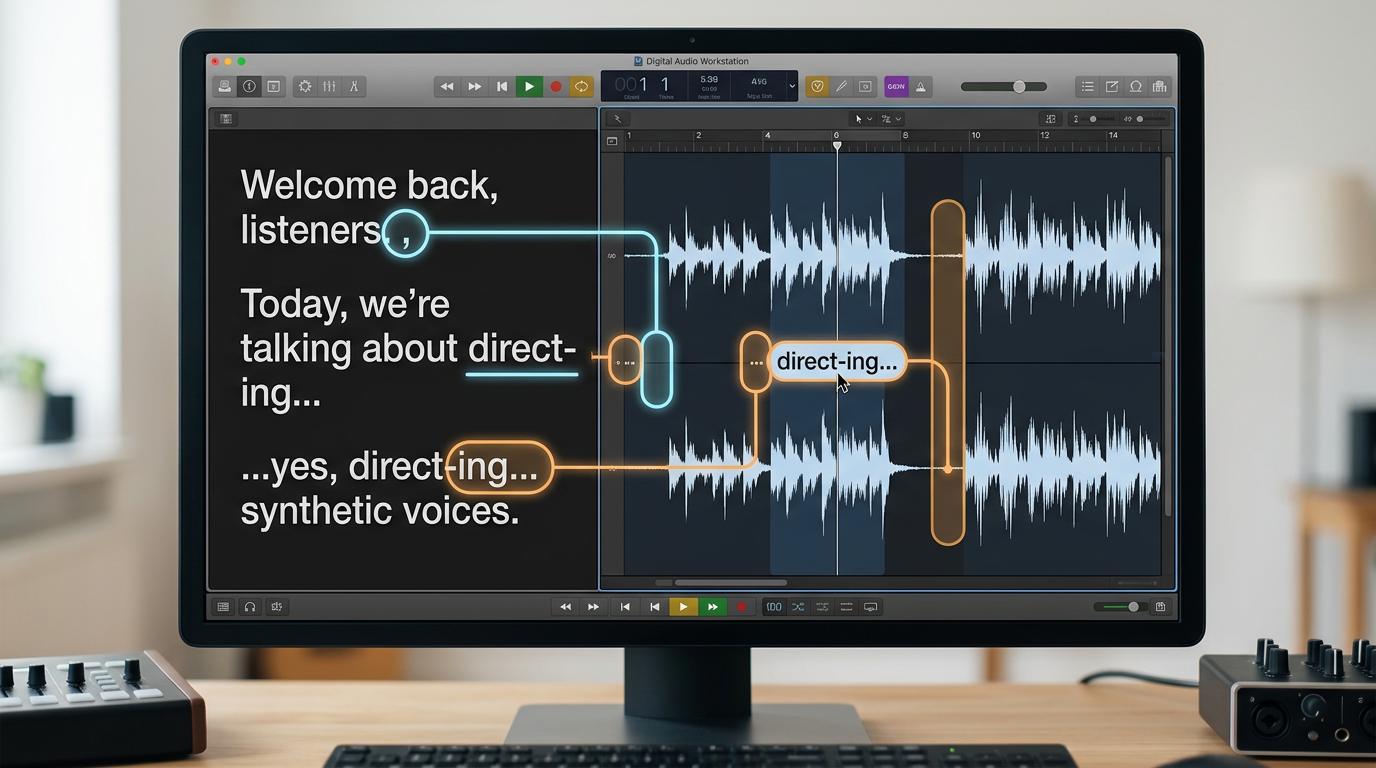
- Punctuation Hacks as Breath Markers: AI voice models use punctuation to determine where to pause, inhale, and shift pitch. A standard period creates a hard stop, but an ellipsis (...) introduces a thoughtful, natural hesitation. Commas act as soft breath markers, preventing the voice from rushing through complex sentences. If your AI voice sounds too robotic, try breaking up the text with strategic punctuation to mimic natural speech patterns.
- Phonetic Spelling: AI models sometimes struggle with regional slang, brand names, or complex surnames. If the model mispronounces a word, spell it phonetically in your script editor. For example, instead of writing "Doraemon," you might write "Doh-rye-mon" to guide the generator toward the correct vowel emphasis.
- The Pacing Framework: A voice's natural cadence must match the visual edit of your video. High-energy TikTok transitions require fast, punchy delivery, while documentary-style YouTube essays need slower, more deliberate pacing. Adjust your sentence length to control the speed; shorter sentences naturally accelerate the AI's delivery, while compound sentences slow it down.
How to Direct Your AI Voice Like a Showrunner
A professional showrunner knows that every voice actor has a unique vocal profile defined by pitch, cadence, and texture. When using AI voices, you must analyze these elements to write scripts that play directly to the model's strengths.
Scriptwriting for Voice Strengths and Limitations
Before writing a single line of dialogue, spend time listening to your target voice's natural patterns. Does the celebrity have a pronounced vocal fry at the end of their sentences? Do they shift to a higher pitch when expressing excitement? By learning how to direct celebrity voice AI with professional showrunner techniques, you can structure your scripts to mirror these real-world habits. For high-energy characters, write short, exclamation-heavy sentences. For more analytical or authoritative voices, use structured, rhythmic sentences with plenty of commas to allow for natural cadence shifts.
Furthermore, professional audio production rarely relies on a raw voice track alone. To mask minor digital artifacts and make the synthetic voice blend seamlessly into your project, layer background elements. Adding a low-volume ambient track, a subtle music bed, or contextual sound effects (like room tone, wind, or keyboard clacks) fills the digital silence, making the final mix sound incredibly rich and authentic.
The True Cost of Free vs. Premium AI Voice Generators
It is tempting to look for shortcut solutions, but relying on free web tools is a fast track to damaging your brand equity. Free generators often suffer from severe digital clipping, robotic monotony, and a complete lack of emotional nuance. These platforms are typically built on outdated open-source models that cannot handle complex voice modulations, leaving your content sounding cheap and amateurish.
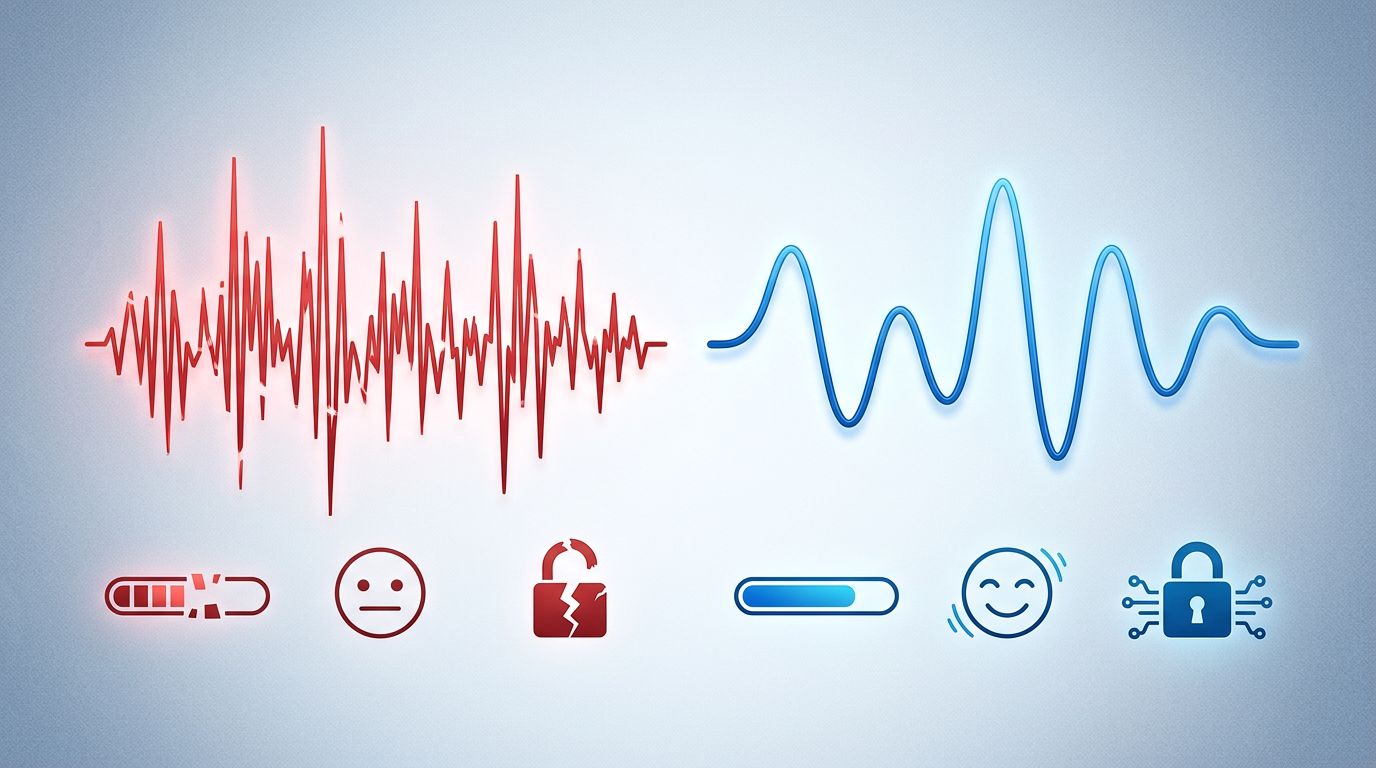
Beyond audio quality, free platforms present significant security and privacy risks. Many fly-by-night sites operate without clear terms of service, scraping user data and offering no protection for your creative assets. This is why free celebrity AI voice generators fail professional creators who require secure, reliable, and high-fidelity tools to sustain their businesses.
| Feature | Free Web Tools | Premium Platforms (e.g., Fanfun) |
|---|---|---|
| Audio Fidelity | Low (metallic, frequent digital clipping) | High (studio-grade, clean waveforms) |
| Emotional Expressiveness | Monotone (standard text-to-speech style) | Dynamic (interprets pitch, fry, and tone) |
| Generation Speed | Slow queues, frequent server crashes | Instant (results in seconds/minutes) |
| Safety & Compliance | None (high risk of data scraping) | Secure, built on licensed/ethical structures |
Creative Blueprints: Scaling Social Media and Personalized Content
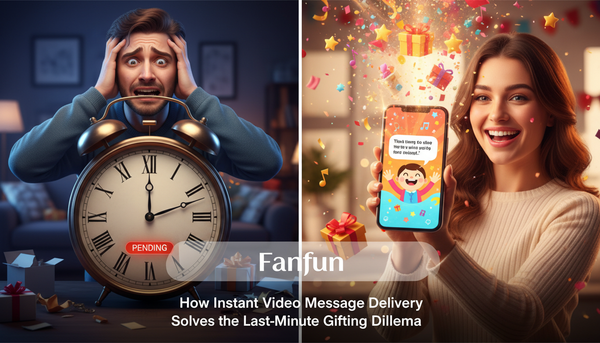
For creators looking to scale their production, platforms like Fanfun offer a powerful alternative to traditional media workflows. Instead of navigating the slow, expensive process of booking talent, creators can use Fanfun's AI Personalized Videos and Voice Generators to produce high-value content instantly. This shift is changing the landscape of digital media, showing how famous people voice generators are replacing slow celebrity shoutouts with instant, on-demand creativity.
With Fanfun, creators, marketers, and gift-buyers can generate hyper-personalized content at scale. Imagine creating custom birthday roasts, holiday wishes, or promo videos featuring AI interpretations of cultural icons and beloved fictional characters. Because Fanfun includes a diverse character library—including fictional anime and gaming characters that are physically impossible to book on standard celebrity platforms—creators can tap directly into highly passionate fandoms with authentic, engaging content that drives massive social media shares.
Navigating Platform Rules, Ethics, and Disclosure
As synthetic media becomes more prevalent, major platforms like YouTube and TikTok are updating their community guidelines to protect users. To keep your creator accounts safe and avoid algorithmic penalties or shadowbans, you must remain compliant with synthetic media labeling requirements. Both YouTube and TikTok now offer simple toggles to disclose when your content features altered or synthetic audio. Utilizing these features does not hurt your reach; in fact, it builds long-term trust with your audience by establishing transparency.
The core ethical boundary of AI voice generation lies in your creative intent. Using synthetic voices for parody, creative storytelling, fan dubs, and personalized fan interactions builds community and celebrates fandom. Conversely, using AI to deceptively impersonate real individuals for financial scams or misinformation destroys trust and violates platform policies. By committing to clear disclosure and focusing on entertainment and creative expression, you protect your brand while pushing the boundaries of modern digital content creation.
Are celebrity AI voices legal to use in my social media videos?
Yes, celebrity AI voices are legal when used for parody, commentary, and transformative creative storytelling. However, using synthetic voices to deceptively impersonate individuals for commercial gain, fraud, or defamation violates right-of-publicity laws and platform terms of service. Always use reputable platforms like Fanfun that prioritize ethical creative guidelines.
How can I make a celebrity AI voice generator sound more realistic and less robotic?
You can dramatically improve realism by acting as an audio director. Use punctuation hacks such as ellipses (...) for natural pauses, commas for soft breaths, and phonetic spellings for complex words. Additionally, mixing a subtle background music track or ambient noise under your voiceover track helps mask minor digital artifacts.
Do I need to label my videos as AI-generated on TikTok and YouTube?
Yes. Both YouTube and TikTok require creators to disclose when content features realistic synthetic media, including AI-generated voices. Using the platforms' built-in synthetic media labels keeps your account compliant, prevents shadowbans, and builds trust with your audience.
Can I use celebrity AI voices to create personalized birthday videos or gifts?
Absolutely. Platforms like Fanfun are designed precisely for this. You can instantly generate personalized greetings, roasts, and holiday wishes featuring AI interpretations of cultural icons and beloved fictional characters, bypassing the long waits and high costs of legacy celebrity video platforms.