Beyond the Discord Troll: How to Use Celebrity Voice Changers for Premium Content Creation
Cheap real-time voice changers are fine for gaming lobbies, but premium content demands studio-grade generative AI. Discover how to direct, script, and scale realistic celebrity voiceovers for your next creative project.
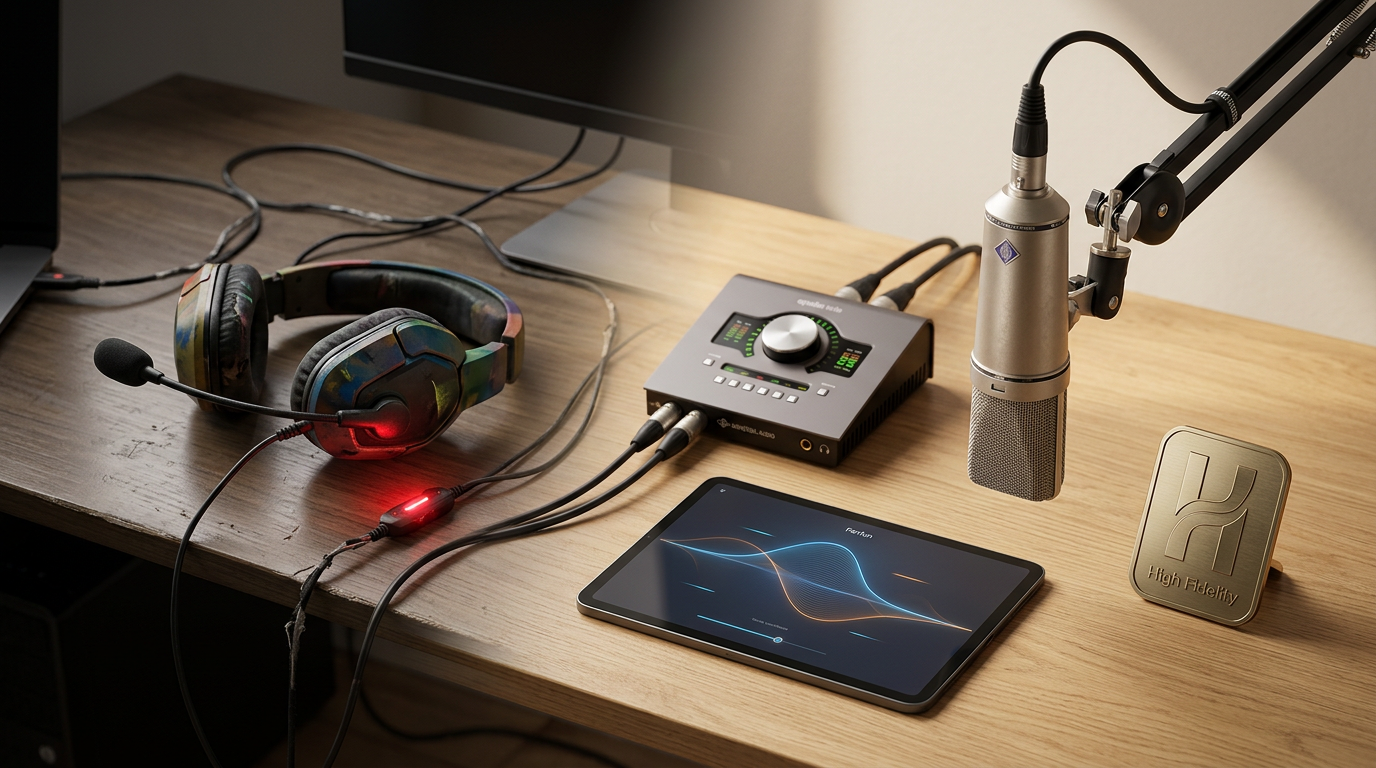
For years, celebrity voice changers were relegated to the dark corners of Discord servers and online gaming lobbies. You would download a clunky, ad-ridden desktop application, click a button labeled 'Robotic Politician' or 'Deep Voice,' and yell into your headset to get a cheap laugh from your teammates. It was loud, metallic, and fundamentally limited—perfect for a quick prank, but entirely useless for anyone looking to build a professional brand or produce high-value content.
Today, the landscape has completely shifted. Creators are moving past these low-fidelity modulators to embrace a new era of studio-grade generative AI voice technology. Whether you are producing viral TikTok parodies, crafting personalized messages, or building automated social media channels, high-fidelity voice generation allows you to direct digital performances with incredible nuance, pacing, and emotional depth. This guide will show you how to transition from basic soundboards to premium, narrative-driven generative tools that captivate audiences.
The Two Eras of the Celebrity Voice Changer: Real-Time vs. Generative AI
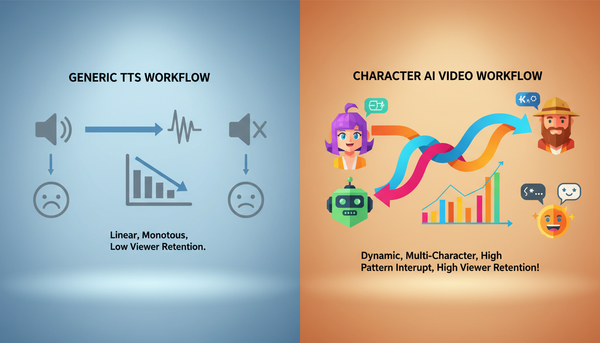
To understand why old-school voice changers fail in professional production, we have to look at how they process sound. Real-time voice changers are designed for live, low-latency environments. To prevent lag during a live call or stream, these tools must alter your voice on the fly. They rely on basic pitch-shifting, frequency manipulation, and simple spectral filters. Because they have milliseconds to process your input, they cannot reconstruct the complex vocal cords, breathing patterns, or emotional resonance of the target voice. This results in heavy digital distortion, unnatural robotic artifacting, and a complete lack of emotional range.
Generative AI voice technology operates on a completely different paradigm. Instead of warping your live voice, generative models analyze the linguistic patterns, breath control, and emotional cadence of a specific persona to synthesize entirely new speech from text or clean audio inputs. This process takes slightly longer—seconds instead of milliseconds—but the result is a studio-quality, highly expressive performance with natural pacing and inflection. To fully grasp this evolution, you can explore the deep technical differences between real-time processing and generative voice models to see why live modulation fails where generative synthesis thrives.
Serious creators who want to build a real audience are moving away from simple soundboards because modern viewers have high standards. A robotic, pitch-shifted voiceover might work for a quick five-second meme, but it cannot sustain a five-minute narrative video, an interactive advertisement, or a premium personalized message. Generative AI treats the voice as an instrument, allowing you to craft a performance that feels authentic, engaging, and polished.
The Creator’s Framework: Choosing the Right Voice Tech for Your Project
Not all voice tools are created equal. Depending on your project's goals, budget, and technical expertise, you need to select the tier of technology that matches your production requirements. Below is a breakdown of the three primary tiers of voice technology available to creators today.
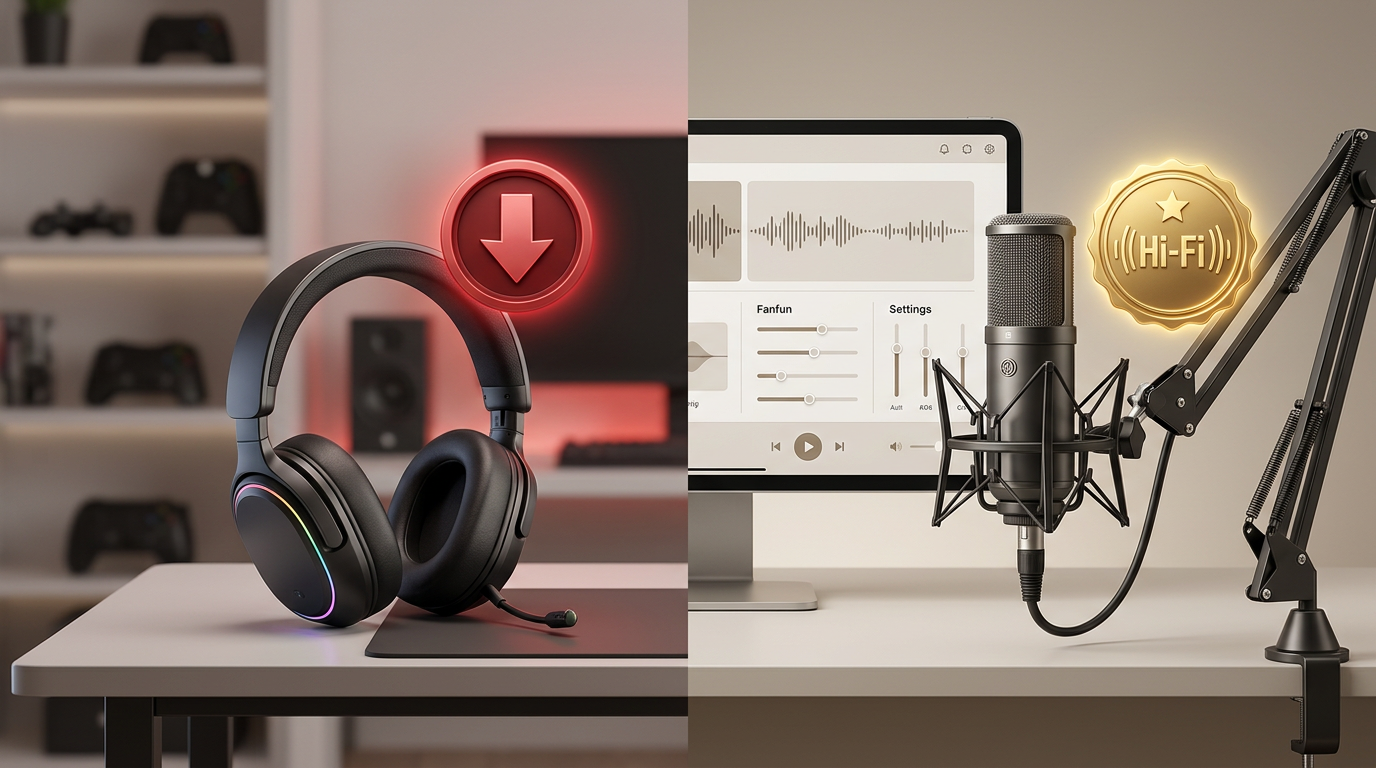
Why Free Tools Often Fall Short for Professional Creators
While free, web-based modulators are highly accessible, they come with significant hidden costs. Many of these platforms rely on outdated open-source models that produce low-resolution audio, often capped at low sample rates that sound muffled on professional speakers or headphones. Furthermore, free tools rarely offer commercial safety, clear licensing, or data privacy, meaning your generated assets could be flagged for copyright issues or your uploaded scripts could be used to train public models. Before committing to a free platform, it is crucial to understand the hidden trade-offs of using free celebrity voice generators.
To help you navigate these options, use this comparison framework to evaluate which technology fits your workflow:
| Feature | Local Real-Time Software | Free Web Modulators | Premium Generative Platforms (Fanfun) |
|---|---|---|---|
| Primary Use Case | Live streaming, gaming, Discord calls | Quick, casual memes & sound clips | Premium content, marketing, personalized gifts |
| Audio Fidelity | Low (robotic, metallic artifacts) | Medium-Low (noisy, low sample rate) | High (studio-quality, clear resolution) |
| Emotional Range | None (monotone pitch-shifting) | Very Limited (static delivery) | Excellent (expressive cadence & pacing) |
| Setup & Overhead | High (requires GPU, virtual audio cables) | None (browser-based) | None (instant cloud generation) |
| Ethics & Safety | Unregulated | Unregulated / High Risk | Regulated, licensed models, highly secure |
This is where Fanfun bridges the gap. By offering instant, high-fidelity generative voices and interactive character chats, Fanfun eliminates the technical overhead of running local AI models on expensive hardware. Creators get access to a curated library of expressive personas that sound realistic, deliver consistent quality, and can be deployed instantly for any creative project.
Directing the AI: How to Get Human-Level Nuance Out of a Digital Voice
Generating a great voiceover is not just about typing text into a box and hitting 'generate.' If you treat a generative AI platform like a passive machine, you will get a passive performance. To unlock the full potential of tools like Fanfun, you must step into the role of a voice director. This means writing with specific intent and utilizing formatting secrets to guide the AI's delivery.
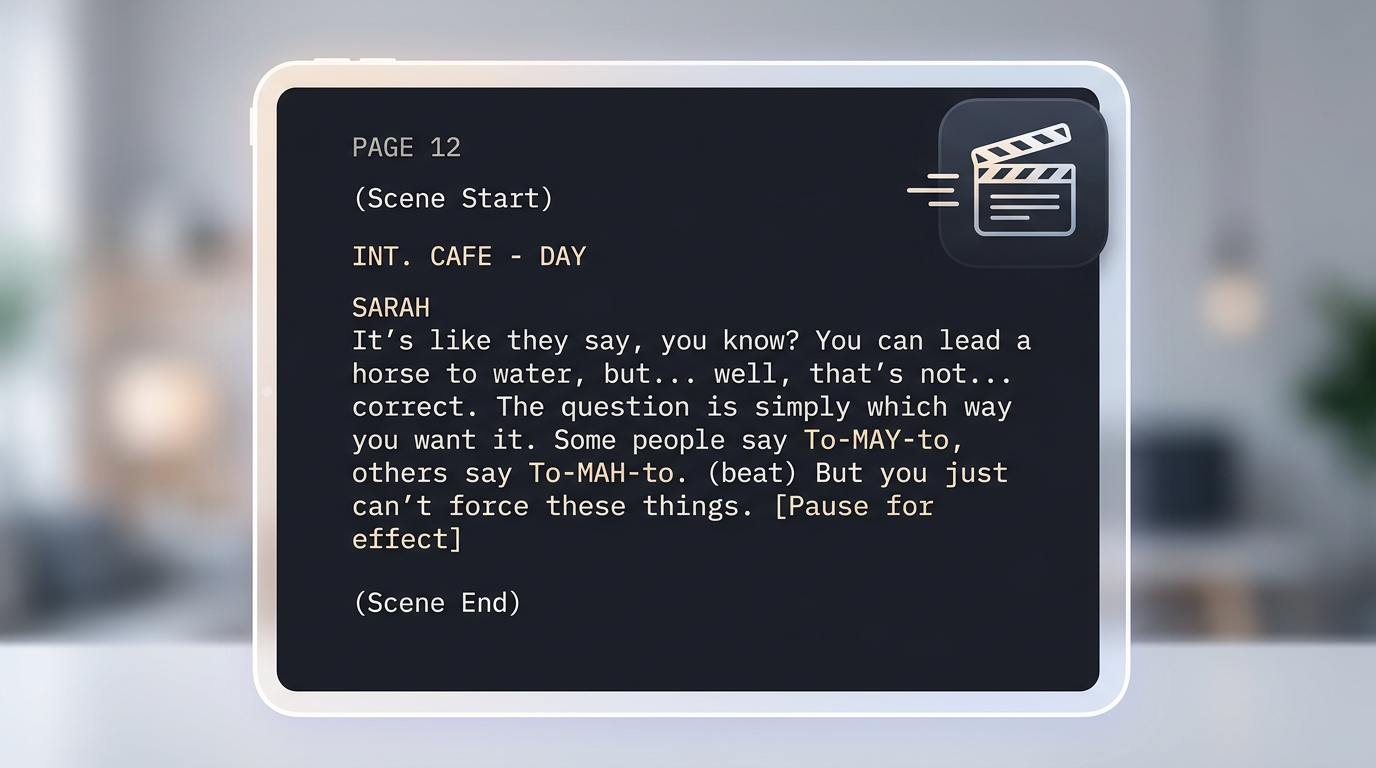
First, you must write specifically for the persona you are using. A generic script read by an AI version of a bombastic sports commentator or a soft-spoken anime character will sound unnatural. Study your target persona’s unique speech patterns, catchphrases, and sentence structures. Do they speak in short, punchy fragments, or do they use long, winding sentences? Do they use specific slang or vocal fillers? Incorporating these elements into your script instantly boosts the perceived authenticity of the voiceover.
Second, use punctuation to force realistic pacing. Generative AI models read punctuation marks as stage directions. You can use these simple formatting hacks to shape the performance:
- Ellipses (...): Use these to create natural pauses, hesitation, or dramatic suspense. For example, writing 'I... don't think we should do that' forces a realistic breath pause.
- Em-dashes (—): Use these to simulate sudden shifts in thought, rapid interruptions, or energetic bursts.
- Phonetic Spelling: If the AI struggles with a specific name, brand, or regional pronunciation, spell it out phonetically. Writing 'buh-NAY-nay' instead of 'banana' or 'pro-gress' versus 'PRO-gress' can correct emphasis issues instantly.
- All Caps: Some advanced generative models interpret capitalized words as a cue to increase volume or emotional intensity.
By treating the interface as a collaborative digital actor, you can refine your scripts to extract incredible nuance. To master this creative workflow, you can learn how to direct celebrity AI voiceovers like a professional showrunner, ensuring your final audio sounds polished and intentional.
Unlocking Creative Use Cases: From Viral Memes to Scalable Marketing
Once you move past the limitations of real-time modulators, a massive world of creative and commercial opportunities opens up. High-fidelity generative voice technology allows you to produce content that was previously impossible or prohibitively expensive to create.
One of the most popular use cases is crafting hyper-personalized greetings, birthday wishes, and roasts. Traditionally, fans had to wait weeks and pay hundreds of dollars for a brief, static shoutout from a real celebrity. Today, generative voice and video platforms are completely changing this dynamic. You can see how generative voice tools are completely replacing traditional celebrity shoutouts by offering instant, affordable, and highly customized options that can be generated in minutes.
For content creators, generative voices are a goldmine for social media growth. You can produce high-engagement parody videos, fan dubs of popular anime scenes, or simulated conversations between famous historical figures. Because these tools generate audio instantly, you can capitalize on trending cultural moments, news cycles, and memes within hours, giving you a massive competitive advantage on fast-moving platforms like TikTok, Instagram Reels, and YouTube Shorts.
Marketers and brands are also leveraging scalable voice generation to create localized promotional campaigns. Instead of booking expensive studio time and voice talent for every minor iteration of an ad copy, creative teams can use generative platforms to run rapid A/B tests with different vocal styles, localized scripts, and personalized hooks, dramatically reducing production costs while maintaining professional audio standards.
Ethics, Licensing, and the Future of Digital Personas
As voice synthesis technology becomes more accessible, ethical considerations must remain at the forefront of the creator conversation. The power to generate realistic voices comes with a profound responsibility to respect intellectual property, protect personal identity, and maintain audience trust.
The critical distinction lies between harmless parody and deceptive deepfakes. Using a celebrity voice generator to create a clearly framed, humorous parody video or a personalized birthday wish is a celebration of fandom. However, using voice technology to impersonate individuals for financial fraud, political misinformation, or defamatory content is highly unethical and, in many cases, illegal. Creators must always be transparent about their use of AI tools, ensuring their audience knows when a performance is digitally generated.
The industry is rapidly shifting toward licensed models and authorized digital personas. This model ensures that original artists, voice actors, and public figures are compensated and protected, while creators gain access to safe, legally compliant tools. At Fanfun, we are deeply committed to this ethical evolution. We prioritize building a safe, creative, and respectful environment where fans and creators can explore the magic of fandom without compromising creative ethics or intellectual property rights.
What is the difference between a real-time voice changer and a generative voice generator?
A real-time voice changer alters your live microphone input instantly using pitch-shifting and spectral filters, which often results in metallic, robotic distortion. A generative voice generator processes text or audio input to synthesize entirely new, studio-quality speech from scratch, capturing realistic emotions, pacing, and vocal nuances.
Can I use celebrity voice changers for commercial YouTube videos or TikToks?
It depends on the platform and the licensing. Using unlicensed voices for direct commercial ads can lead to copyright strikes or legal issues. However, using platforms like Fanfun for transformative parody, commentary, or entertainment is generally protected, provided you are transparent with your audience and comply with the platform's terms of service.
How do I make a celebrity AI voice sound more natural and less robotic?
You can make generative voices sound highly natural by writing scripts that match the persona's natural catchphrases and speech cadence. Additionally, use punctuation hacks like ellipses (...) for pauses, em-dashes (—) for sudden transitions, and phonetic spelling to correct mispronounced words.
Are there safe, legal ways to use celebrity voice changers for parody content?
Yes. Utilizing authorized platforms like Fanfun that prioritize licensed digital personas and ethical guidelines is the safest route. Always ensure your content is clearly framed as a parody, satire, or creative tribute rather than an attempt to deceive or mislead your audience.