The Cameo.com Dilemma: Why the Pioneer of Celebrity Shoutouts is Losing Ground to Instant Creator Tools
Traditional celebrity shoutout platforms pioneered personalized videos, but rigid pricing and long wait times are driving creators to instant AI alternatives. Here is how the landscape is shifting toward creative autonomy.
When Cameo.com launched in 2017, it felt like magic. For the first time, anyone with a credit card could bypass publicists, agents, and red tape to buy a direct, personalized video message from their favorite actors, athletes, or reality stars. It turned celebrity access into a commodity, transforming milestone birthdays and office inside jokes into viral, shareable moments.
But the landscape of digital content moves at breakneck speed, and the novelty of the passive, 15-second shoutout has begun to wear thin. Today’s content creators, digital marketers, and gift-givers require speed, deep customization, and absolute creative control—demands that traditional, human-dependent booking platforms struggle to meet in an era defined by real-time trends.
The Evolution of the 15-Second Flex: What Cameo.com Got Right (and Where It Stalls)
Cameo successfully democratized access to B-list and C-list celebrities, turning what used to require an industry connection into a straightforward transaction. By establishing a clear marketplace, they proved that fans were willing to pay a premium for personalization. The appeal was simple: a brief, direct acknowledgment from someone famous was the ultimate modern gift and social media flex.

However, the traditional model relies entirely on the celebrity’s physical availability, mood, and willingness to record. This introducing massive friction for the buyer. When you purchase a shoutout, you are not buying a guaranteed asset; you are buying a request. The talent has a multi-day window to accept, record, and submit the video. If they are traveling, filming, or simply not in the mood, your request languishes.
For creators trying to ride a fast-moving trend cycle, waiting up to seven days for a video clip means missing the cultural window entirely. As we analyze how the rules of celebrity engagement have evolved in the creator era, it becomes clear that passive consumption is giving way to active co-creation. Fans and creators no longer want to just watch a celebrity read a static card; they want to integrate them into dynamic, multi-layered digital narratives.
The Friction of the Waiting Game: Why Traditional Shoutouts Lack Agility
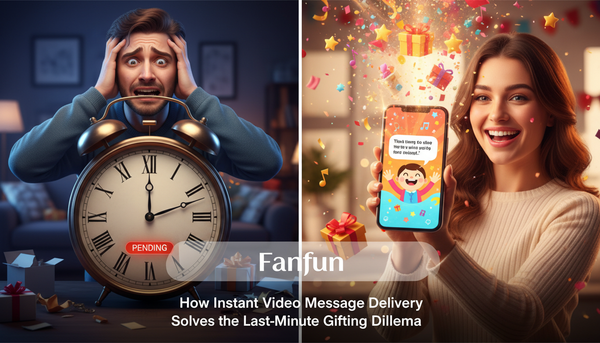
The operational bottlenecks of traditional booking platforms go beyond simple delays. For many users, the process is defined by uncertainty. Because celebrities retain full veto power and operate on their own schedules, a significant percentage of traditional celebrity requests expire unfilled, leaving gift-buyers scrambling at the last minute for a replacement present or video asset.
The Cost of Low Energy and Sudden Expirations
Even when a video is delivered, the quality is famously volatile. Because talent often records these messages in bulk—sometimes in the back of an Uber or in a poorly lit hotel room—the energy levels can vary wildly. A buyer might pay hundreds of dollars expecting a high-energy performance, only to receive a flat, rushed, 10-second clip where the celebrity mispronounces the recipient’s name.
If you want to know how to capture high-octane energy without the premium price tag, you quickly realize that relying on a celebrity's manual recording schedule is a gamble. Furthermore, celebrities retain strict veto power over scripts. If your script contains a highly specific inside joke, a complex gaming reference, or a creative angle for a niche online community, the talent may reject it simply because they do not understand the context. This limits the creative utility of the purchase, forcing buyers to stick to sterile, predictable scripts.
Traditional Bookings vs. Next-Gen AI Tools: A Head-to-Head Comparison
To understand why the market is shifting, it helps to compare the traditional celebrity booking model directly with modern AI-powered alternatives like Fanfun. While traditional platforms offer the charm of real-world human imperfection, they lack the scalability, speed, and creative flexibility that modern users demand.

| Feature | Traditional Booking (e.g., Cameo) | Next-Gen AI Tools (e.g., Fanfun) |
|---|---|---|
| Delivery Speed | 1 to 7 days (unpredictable) | Instant (minutes) |
| Script Control | Restricted; subject to celebrity veto | Absolute; infinite retakes and edits |
| Cost Efficiency | High volatility ($50 to $1,000+ per clip) | Highly affordable; predictable pricing |
| Character Library | Real-world, living celebrities only | Real icons, fictional characters, anime, and memes |
| Interactivity | One-way, passive video clip | Two-way AI chat, voiceovers, and custom videos |
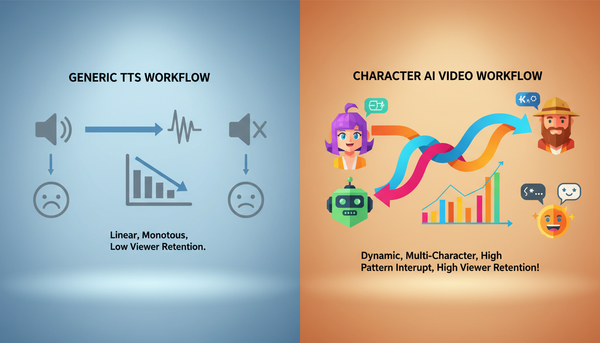
Fanfun directly solves the "blank page" and scheduling block by allowing users to instantly generate high-energy roasts, memes, and promos without waiting on a celebrity’s schedule. Instead of hoping a celebrity is in the right mood to deliver a punchy line, creators can use AI-powered video and voice generators to craft the exact tone, pacing, and emphasis their project requires.
The Creative Control Problem: Why Content Creators are Pivoting to AI
Modern video editing is modular. A TikTok editor or YouTube creator rarely uses a raw, unedited 30-second clip. They need voiceovers to layer under gameplay, dynamic green-screen assets, and interactive elements that can be chopped, remixed, and adjusted on the fly. Traditional shoutouts are legally and technically locked down—you receive a single .mp4 file that you cannot easily edit without violating platform terms or dealing with awkward, unpolished audio pacing.
Furthermore, the speed of internet culture means that a meme can rise, peak, and die all within a 72-hour window. Success on modern social platforms relies on leveraging viral meme formats while the hype is still hot, a feat that is functionally impossible when waiting on a traditional talent agency's approval pipeline. By the time a celebrity approves and records your trendy script, the internet has already moved on to the next obsession.
By shifting to AI-powered platforms like Fanfun, creators gain access to a versatile toolkit. They can generate a custom voiceover for a meme, create an interactive AI chat experience for their community, or produce a personalized celebrity-style video in minutes. This agility allows digital-first brands and solo creators to publish highly relevant, topical content at the exact moment of peak cultural relevance.
Navigating the New Landscape: A Decision Matrix for Fans and Marketers
The choice between traditional celebrity platforms and next-gen AI tools ultimately comes down to your budget, your timeline, and how much creative control you require. Both models have their place in the modern digital ecosystem, but they serve fundamentally different needs.
When to Use Traditional Celebrity Booking Platforms:
- The Milestone Personal Gift: If you are buying a milestone gift for someone who is a die-hard fan of a specific, living actor or athlete, and only the authentic, human "blessing" of that person will do.
- Flexible Timelines: You have a comfortable, 7-to-10-day buffer before the video is needed, meaning an expired request or a slight delay will not ruin your plans.
- Simple Scripts: Your message is straightforward (e.g., "Happy 40th Birthday, Dave!") and does not require complex pronunciation, precise comedic timing, or niche references.
When to Use AI-Powered Tools like Fanfun:
- Time-Sensitive Content: You need to publish a video, promo, or meme today to capitalize on a trending topic or meet a strict deadline.
- Niche or Fictional Characters: You want to feature characters that do not exist on traditional platforms, such as anime icons, cartoon characters, or historical figures.
- Precise Scripting and Retakes: You require a highly specific script read with exact emphasis, or you need the ability to tweak and regenerate the content until it fits your edit perfectly.
- Tight Creator Budgets: You want to scale your content output or create multiple personalized variations without spending thousands of dollars on individual talent bookings.
For modern creators and marketers, the smartest strategy is often a hybrid approach. While traditional platforms can provide occasional high-profile moments of authentic human connection, integrating an instant, scalable tool like Fanfun into your daily creative workflow ensures you never miss a viral trend, a tight deadline, or an opportunity to delight your audience in real time.
How long does it take to get a video on Cameo.com?
On Cameo, celebrities typically have up to 7 days to complete and deliver your video request. While some talent offers 24-hour delivery for an additional fee, delivery times are ultimately up to the individual celebrity's schedule and availability, making it highly unpredictable for tight deadlines.
What happens if a celebrity declines or misses the deadline on Cameo?
If a celebrity declines your request or fails to upload the video within the active booking window (usually 7 days), the request expires. Your reservation hold is released, and you are refunded, but you are left without a video, which can be highly frustrating if you are on a strict timeline for a gift or campaign.
Can I use a Cameo video for commercial marketing or social media ads?
Standard personal bookings on Cameo cannot be used for commercial purposes, business promotions, or social media ads. To use a celebrity's likeness or video for business, you must purchase a specific "Business Cameo," which carries significantly higher pricing, stricter usage terms, and requires explicit approval from the celebrity.
What are the best affordable alternatives to Cameo for instant personalized videos?
For instant, affordable, and highly customizable personalized videos, AI-powered platforms like Fanfun are the leading alternative. Fanfun allows you to instantly generate custom celebrity-style videos, voiceovers, and interactive chats featuring real and fictional characters in minutes, without the high costs or multi-day wait times of traditional platforms.