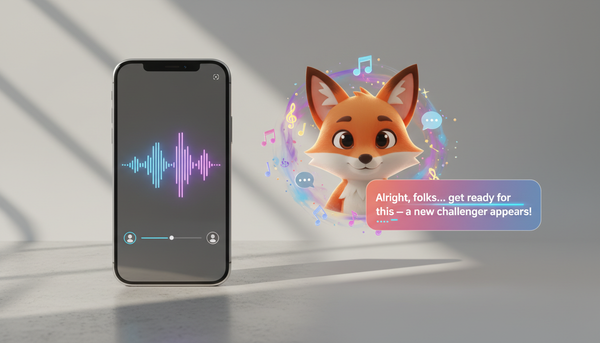
How to Write and Direct a Virtual Birthday Roast Video
A great roast relies on shared context, not just insults. Learn how to use AI personas to deliver a birthday message that hits the perfect balance of humor and heart.
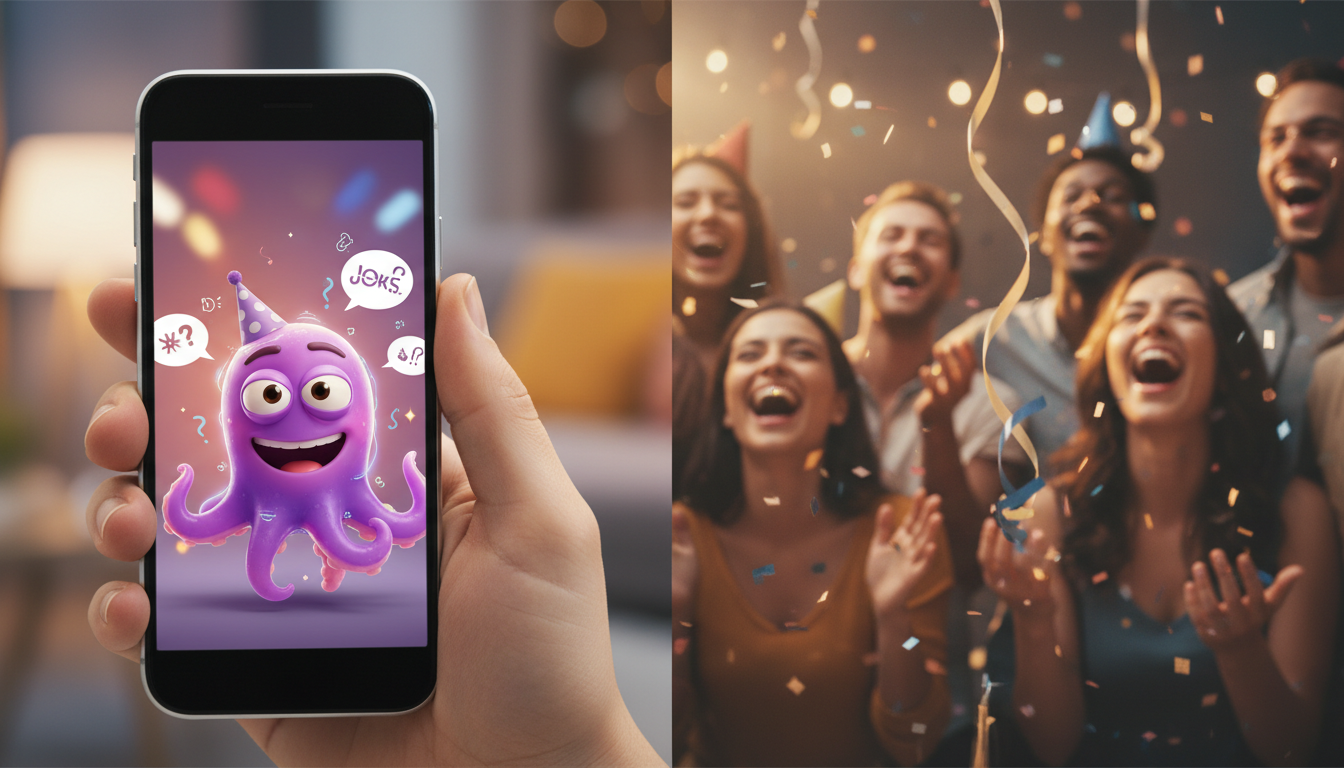
A successful virtual birthday roast hinges on the tension between the persona delivering the message and the specific, inside jokes you provide. To create a memorable video, treat the AI character as a comedy partner: the tool handles the delivery and voice, while your script supplies the context that makes the jokes land. By keeping your script tight, specific to the birthday person, and structured for emotional payoff, you can create a high-impact message in minutes using platforms like Fanfun.
The Anatomy of a Good Roast
The most effective roasts avoid generic insults, which often fall flat. Instead, focus on the "rule of three": one light jab, one shared memory, and one exaggerated compliment. This structure keeps the tone celebratory rather than mean-spirited.
Specificity is your greatest asset. A joke about a friend's notorious "five-minute" arrival time is infinitely funnier than a generic comment about them being late. When selecting a persona, consider choosing a character that contrasts with the birthday person's personality for maximum comedic effect—a hyper-serious character delivering a silly roast, for instance, adds an extra layer of humor. For a deeper dive into technical scripting, see our guide on The Anatomy of a Virtual Burn.
Drafting Your Roast Script
For a concise, engaging video, adopt the "Hook-Punch-Heart" framework. Keep the total runtime under 60 seconds to ensure the recipient stays engaged through the punchlines.
- Hook: Start with a recognizable catchphrase or a direct address from the character to grab attention immediately.
- Punch: Deliver your light-hearted roast. Focus on quirks, known hobbies, or funny recurring themes in the friend group.
- Heart: Pivot to a sincere birthday wish. This transition grounds the humor and ensures the video feels like a gift rather than just a prank.
When writing, use character-specific vocabulary or catchphrases to ground the AI's performance. You can find more comprehensive best practices for building your narrative in our article on how to write a script for an AI birthday video.
Refining and Delivering Your Message
Once you have your draft, preview the AI interpretation. If the delivery feels off, try adjusting the sentence structure or using a synonym that conveys the same meaning with a simpler phrasing.
How you share the video is just as important as the content. For a group of friends, dropping the file directly into a group chat allows for immediate reactions. If you are at a party, projecting the video on a larger screen can turn a simple greeting into a centerpiece event. For tips on how to package your final product for the best impact, review our suggestions on how to send a virtual birthday card with a custom video. Remember, the AI is an enhancement to the celebration—it works best when it acts as a bridge to the human connection you share with the birthday person.
What should I do if the AI mispronounces a specific nickname or inside joke?
Try using an alternative phrasing or a simpler synonym that conveys the same meaning. You can also experiment with shorter, simpler sentences to see if that improves the overall delivery.
Is it better to use a character the birthday person hates or loves?
It depends on the dynamic. Using a character they love creates a sense of awe, while using one they find 'cringe' or dislike can heighten the comedic value of a roast. Choose based on whether you want the gift to be a sincere tribute or a playful jab.
Can I combine multiple AI voices into one roast video?
While most platforms generate one character at a time, you can create multiple short clips and use basic video editing software to stitch them together into a single sequence, allowing for a 'conversation' or a tag-team roast.