The Eli Ellis Age Advantage: How a Teen Phenom Redefined the Creator-Athlete Playbook
Eli Ellis isn't just a dominant Overtime Elite basketball player; he is the blueprint for the modern creator-athlete. Discover how his age, digital strategy, and on-court dominance are reshaping the future of fandom.
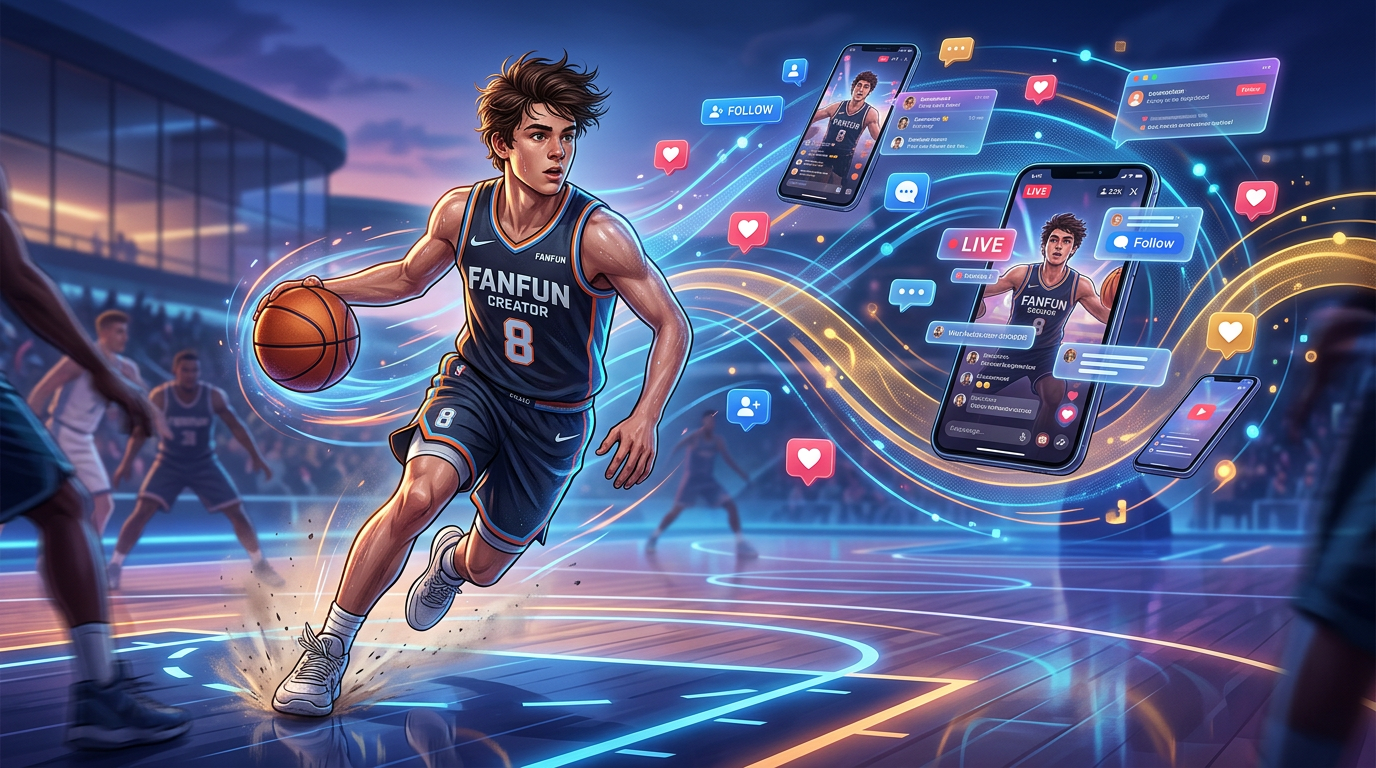
Eli Ellis is not your average basketball prospect. Born on December 14, 2005, the 18-year-old Overtime Elite (OTE) guard has spent his teenage years dismantling the traditional pipeline of athletic stardom. While previous generations of hoopers relied on legacy media gatekeepers to build their public profiles, Ellis recognized early on that digital attention is the ultimate currency. By merging elite on-court performance with a relentless, self-made social media presence, he has rewritten the playbook for what a modern athlete can achieve before even stepping onto a college court.
He is the archetype of the "creator-athlete"—a competitor who views the basketball court not just as a field of play, but as a content engine. His age isn't just a minor biographical detail; it is the core driver of his cultural relevance. Ellis speaks directly to a generation of fans who value authenticity and direct access over polished, corporate PR campaigns. Through his journey, we see how the intersection of athletic talent, youth culture, and scalable digital platforms like Fanfun is shaping the future of sports fandom.
The Eli Ellis Phenomenon: Why Age is More Than a Stat in the Creator-Athlete Era
To understand Eli Ellis, you have to look at his timeline. Born on December 14, 2005, in Hickory, North Carolina, Ellis is currently 18 years old and will turn 19 in late 2024. In the traditional sports landscape, an 18-year-old basketball player is expected to be a quiet high school senior or an incoming collegiate freshman, waiting patiently for their turn in the spotlight. Ellis, however, chose a different path by joining Overtime Elite, a professional basketball league designed for late-stage teens looking to accelerate both their development and their personal brands.
Unlike previous generations of hoopers who relied on television networks, national magazines, or scout ratings to build their names, Ellis used his youth to build a direct-to-consumer brand. He didn't wait for the sports world to notice him; he forced them to watch by documenting his journey in real-time. This self-made visibility created a feedback loop: his digital popularity brought more eyes to his games, and his dominant on-court performances validated his online hype. This strategy defines the creator-athlete era, where athletic performance and digital content creation feed into one another seamlessly.
The Timeline of a Teenage Empire: Eli Ellis’s Rise to OTE Dominance
Ellis's rise wasn't an overnight accident. It was the result of a calculated progression through the grassroots basketball circuit and into the professionalized ranks of Overtime Elite. After showcasing elite scoring ability during his early high school years in North Carolina—where he played under his father, coach Jeremy Ellis—he made the leap to OTE. This move was pivotal. OTE provided the perfect launchpad, offering pro-level training alongside a massive, digital-first media apparatus designed to turn young players into household names.
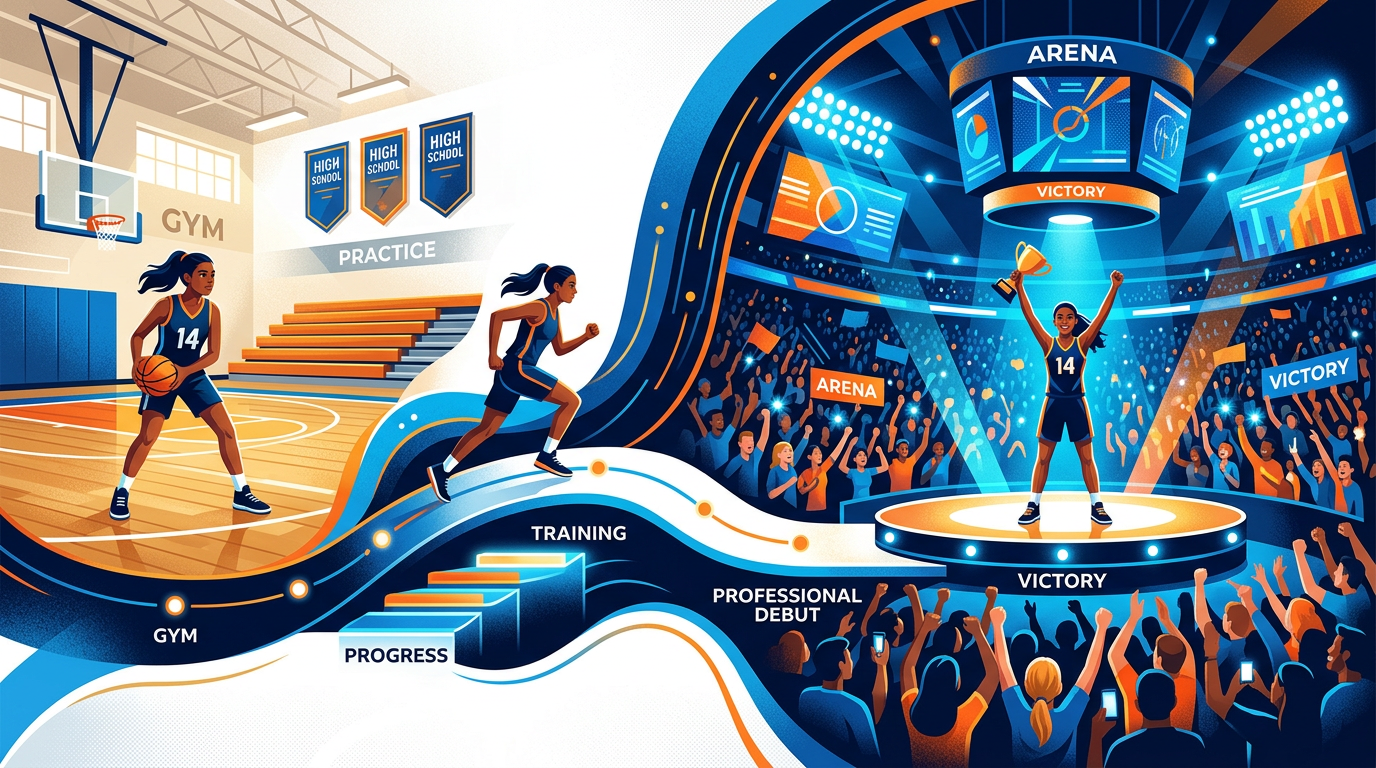
Playing for the YNG Dreamerz, Ellis quickly silenced critics who questioned whether his 6'1" frame and flashy playstyle would translate to a league filled with hyper-athletic, five-star recruits. He didn't just survive; he dominated, earning league MVP honors and putting up historic scoring performances. His age allowed him to speak directly to Gen Z and Gen Alpha fans who see him as a peer rather than an unapproachable superstar. When Eli Ellis celebrates on the court, posts a vlog, or interacts with fans online, he does so with the raw, unfiltered energy of an 18-year-old living out his dream, making his journey incredibly relatable to his audience.
The Gen Z Athlete Playbook: Traditional vs. Modern Engagement
The shift from the traditional athletic path to the modern creator-athlete model represents a massive paradigm shift in how sports stars build authority and monetize their talent. Historically, athletes had to wait for professional drafts, shoe deals, and mainstream media coverage to establish their brands. Today, young stars build authority through raw relatability and community rather than traditional gatekept milestones.

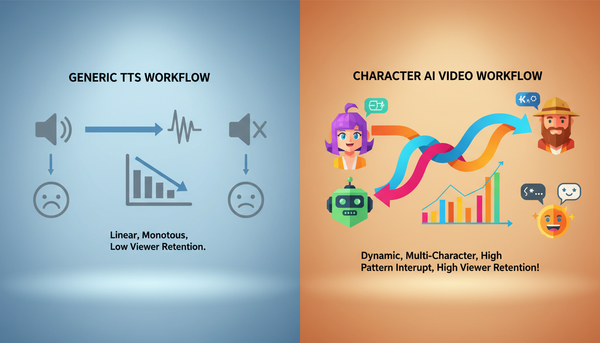
This transition mirrors shifts we see in other entertainment sectors, such as digital comedy and streaming, where creators bypass traditional networks to speak directly to their audiences. For instance, digital-first creators have proven that building a direct line of communication with fans creates a far more loyal community than traditional fame ever could. You can see this clearly by understanding how digital-first stars bypass traditional gatekeepers through raw relatability, proving that authenticity is the most valuable asset in the modern media landscape.
To illustrate how drastically the landscape has changed, consider the key differences between the traditional athlete model and the modern creator-athlete model:
| Feature | Traditional Athlete Model | Modern Creator-Athlete Model (Eli Ellis) |
|---|---|---|
| Media Ownership | Controlled by networks, leagues, and journalists | Owned directly by the athlete via personal social channels |
| Monetization Age | Post-college / Professional draft | High school / Teenage years via NIL and digital platforms |
| Fan Accessibility | Distant, highly curated, one-way communication | Interactive, direct, and community-driven |
| Brand Control | Managed by PR firms and sports agencies | Driven by the athlete's personal voice and lifestyle |
| Longevity Strategy | Dependent entirely on physical health and career length | Diversified through digital IP, content creation, and media assets |
Scaling the Connection: How Fanfun Bridges the Gap Between Stars and Fans
As a teenage athlete's brand scales, they quickly run into a physical bottleneck: time. An elite prospect like Eli Ellis has a grueling schedule filled with practices, strength training, travel, games, and academic commitments. Traditional methods of fan engagement—such as standing in autograph lines, hosting limited meet-and-greets, or recording individual video shoutouts one by one—are physically impossible to sustain at scale. This is where the physical limits of traditional fandom collide with the massive demand of a global digital audience.
This is precisely where platforms like Fanfun step in to redefine the relationship between creators and their communities. As a modern, instant alternative to traditional platforms like Cameo, Fanfun leverages advanced AI voice generators and interactive video technology to allow creators to scale their personal touch without burning out. Instead of a fan waiting days or weeks for a generic, one-way video message, Fanfun’s AI-driven platform allows supporters to generate personalized videos, custom roasts, and interactive AI chats instantly.
For a young fan living in Europe or Asia who may never get the chance to see Eli Ellis play live in Atlanta, this technology democratizes access. In just minutes, they can receive a personalized hype-up message or birthday wish featuring the AI-assisted voice and likeness of their favorite creator-athlete. This level of instant, scalable interaction transforms passive followers into active participants in a star's journey, proving that cutting-edge content creation tools are essential for maintaining a modern global fandom.
The Digital Longevity Challenge: What Happens as Teen Phenoms Grow Up?
Starting a digital empire at 15 or 16 years old offers a massive head start, but it also introduces unique long-term challenges. As teen phenoms age, they must navigate the complex transition from being a "youth prodigy" to establishing a mature, lasting legacy brand. The sports world is notoriously volatile; injuries, coaching changes, and the intense pressure of collegiate and professional competition can disrupt even the most promising athletic trajectories.
Transitioning from Teen Prodigy to Legacy Brand
To survive this transition, creator-athletes must diversify their digital footprint so their brand is not solely dependent on their physical performance on any given night. This challenge is highly comparable to how gaming icons navigate the transition from teenage prodigies to legacy creators, learning to reinvent their content and maintain relevance even as their primary competitive arenas evolve. For an athlete, this means building a brand that stands on its own as an entertainment property.
By establishing strong intellectual property early on—such as Ellis's YNG brand—and embracing scalable digital tools like AI voice and video generation, athletes can insulate themselves from the physical risks of the game. This forward-thinking approach is about building an unapologetic, lasting digital identity that transcends physical limitations. Whether Eli Ellis is on the court scoring 30 points or recovering from an off-season injury, his digital presence, interactive AI avatars, and direct connection to his fandom keep his brand active, monetizable, and highly relevant 24/7.
How old is Eli Ellis and when is his birthday?
Eli Ellis was born on December 14, 2005. As of early 2024, he is 18 years old and will turn 19 on December 14, 2024.
What team does Eli Ellis currently play for?
Eli Ellis plays for the YNG Dreamerz in the Overtime Elite (OTE) league, where he has established himself as one of the league's most dominant scorers and won the regular-season MVP award.
How did Eli Ellis get famous on social media?
Eli Ellis built his massive social media following by sharing raw, behind-the-scenes content of his basketball journey, high-energy highlights, and relatable vlogs, establishing himself as a premier "creator-athlete" who communicates directly with fans.
What is Eli Ellis's YNG brand?
YNG (Young N' Grateful) is Eli Ellis's personal brand and lifestyle movement, representing his mindset of staying humble, working hard, and appreciating the journey. It encompasses apparel, content creation, and his OTE team identity.