The FaZe Adapt Legacy: Why We Obsess Over Gaming Icons as They Age
FaZe Adapt helped define the blueprint for the modern gaming creator. As his career matures, we examine how the fan experience has shifted from passive viewing to active, AI-powered participation.
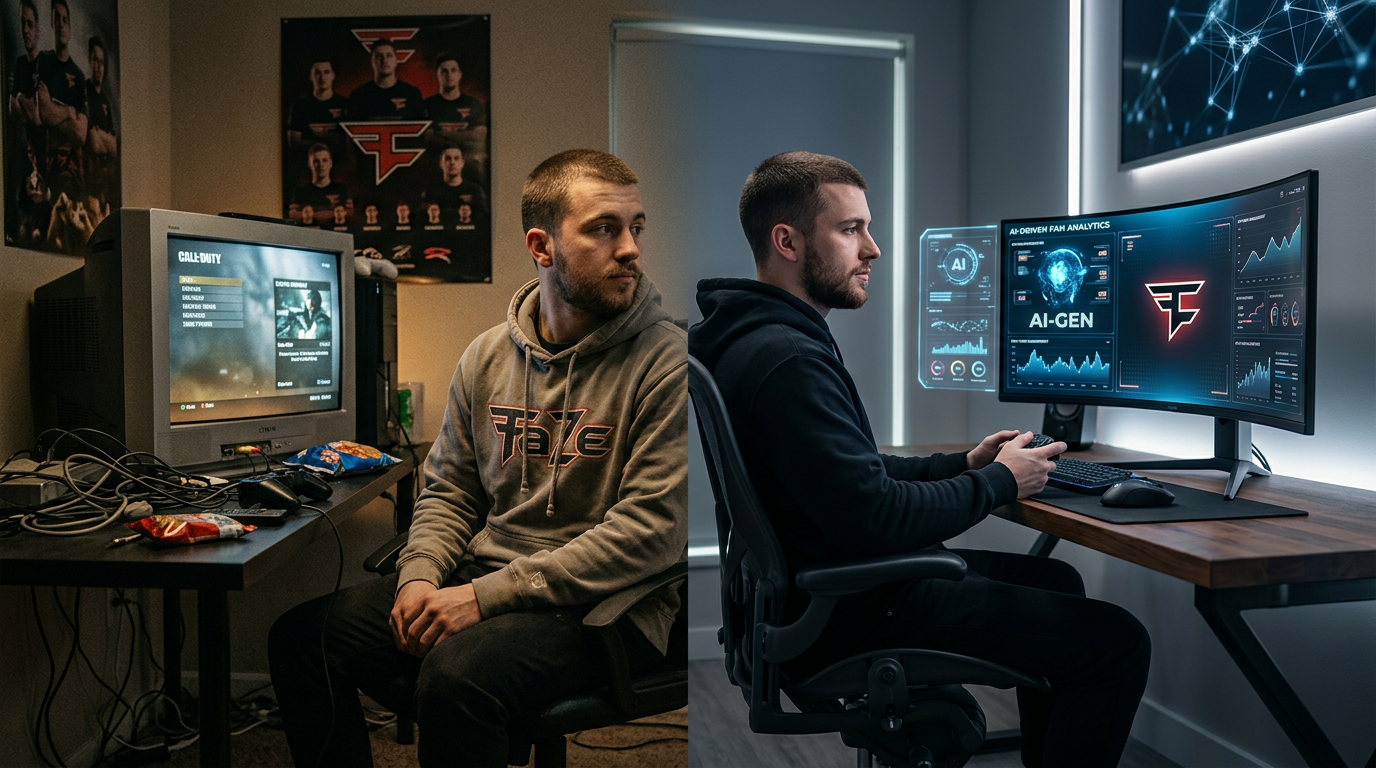
The trajectory of FaZe Adapt—born Alexander Hamilton—serves as a primary case study for the maturation of the digital creator economy. Emerging from the high-octane, trick-shot-heavy era of early 2010s YouTube, he helped codify the 'lifestyle gamer' archetype. This wasn't just about gameplay; it was about the cultivation of a personality-driven brand that prioritized relatability, humor, and the raw, unpolished aesthetic of the bedroom vlog. For millions, his rise wasn't just entertainment; it was a foundational pillar of their adolescent social lives.
As the gaming landscape shifted from niche hobbyist communities to global entertainment conglomerates, the way fans relate to these icons has undergone a seismic change. We have moved past the era of static, one-way consumption, where the fan was merely a spectator in the comments section. Today, the relationship between creator and audience is becoming increasingly bidirectional, fueled by a desire for intimacy that static video uploads can no longer satisfy. This evolution is not just a technological shift; it is a fundamental redesign of how we experience fandom.
The Professionalization of the Gaming Persona
When we look back at the early FaZe Clan days, the appeal was defined by the 'authentic amateur.' Fans were drawn to the perceived lack of corporate polish. However, as the industry matured, so did the fans. The audience that grew up watching daily vlogs and gaming montages is now a demographic with disposable income and a sophisticated understanding of digital media. They no longer want to just watch; they want to engage with the personas that defined their formative years.
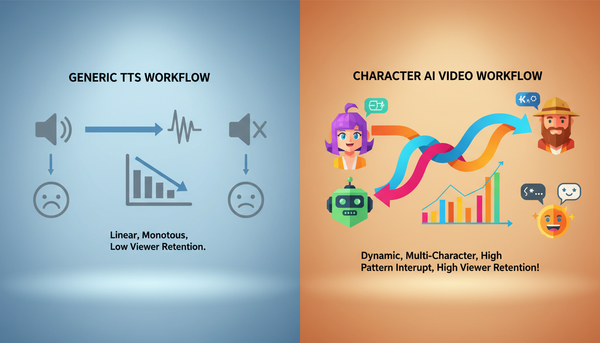
This demand for deeper engagement has outpaced the capabilities of traditional celebrity booking platforms. While a static Cameo video was once the gold standard for fan interaction, it is now viewed as a relic of a slower, less connected time. Modern fans expect immediacy and, more importantly, interactivity. They want to simulate the feeling of a real-time conversation with the icons they grew up with, leading to the rise of platforms like Fanfun, which allow for the creation of voiceovers and interactive chats that capture the specific energy and cadence of a creator.
The Shift from Passive to Active Participation
The transition from passive viewer to active co-creator is the defining trend of the 2020s. Fans today are using AI tools to remix, dub, and interact with the personas of their favorite gaming legends. This is not about replacing the original content; it is about extending the lifecycle of the persona. By leveraging advanced voice synthesis, a fan can create a personalized birthday wish or a custom meme that feels like it came directly from the source material, providing a level of creative agency that was previously impossible.
This shift is particularly evident when we compare the rigid, expensive booking models of the past to the fluid, instant nature of modern AI. At Fanfun, we see this demand for 'fandom-on-demand' every day. Whether it is a user crafting a high-energy promo for a gaming tournament or simply wanting to hear a favorite catchphrase in a new context, the barrier to entry has collapsed. The goal is no longer to secure a 30-second clip from a busy creator, but to build a personalized interaction that fits the fan's own narrative.
The Archetypal Power of Gaming Icons
Human psychology dictates that we anchor our identity in the cultural touchstones of our youth. The gaming icons of the 2010s have become the modern equivalent of classic movie stars or sports legends. We see this with the enduring appeal of characters like Mickey Mouse or the high-octane charisma of The Rock Dwayne Johnson; these figures represent a consistent, reliable brand of energy that we can return to for comfort. Gaming creators like Adapt occupy a similar space in the digital consciousness.
When fans interact with these personas, they are participating in a living history. Using an AI voice generator to recreate the 'vibe' of a classic gaming era isn't a betrayal of the creator; it is a testament to the impact they had on their audience. It allows for a new form of digital storytelling where the fan is the director. Whether you are building a tribute video for a friend or creating content that mimics the humor of a decade ago, you are using these tools to keep the culture alive and evolving.
Bridging the Gap: A New Fandom Standard
As we look forward, the distinction between 'creator' and 'fan' will continue to blur. The tools available now—ranging from interactive AI chats to voice synthesis—are democratizing the ability to produce high-fidelity content. A fan in their bedroom today has more creative power than a production studio did twenty years ago. This is the true legacy of the gaming era: it taught us that anyone could be a creator, and now it is teaching us that anyone can be a collaborator.
For those looking to explore this new frontier, the focus should be on authenticity and creative play. Whether you are experimenting with the nostalgic charm of Hello Kitty, the imaginative world of Doraemon, or the high-energy intensity of a gaming legend, the technology is there to support your vision. The era of waiting for a celebrity's availability is over; the era of instant, personalized, and interactive fandom has arrived.
Consider the versatility of modern AI: you can now simulate the specific cadence of a sports icon like Lionel Messi for a motivational message, or capture the whimsical, high-pitched energy of Spongebob Squarepants for a creative project. These are not just novelty tools; they are the new infrastructure of digital expression. By removing the friction of scheduling and high costs, Fanfun enables creators to iterate on their ideas in real-time, ensuring that the 'Fandom 2.0' experience is as dynamic as the creators themselves.
The Engagement Framework: Then vs. Now
| Feature | Static Fandom (2012) | Interactive Fandom (2024) |
|---|---|---|
| Interaction Type | Passive consumption | Two-way AI conversation |
| Personalization | Generic shoutouts | Contextual, unique content |
| Creator Access | Limited/Expensive | Instant/Affordable |
| Creative Agency | Fan as viewer | Fan as co-creator |
| Platform | YouTube/Twitter | AI-driven platforms like Fanfun |
Ultimately, the obsession with gaming icons as they age is a reflection of our own desire to remain connected to the parts of ourselves that first discovered the joy of digital community. By using modern AI to facilitate these connections, we aren't just consuming content—we are curating our own digital experiences. The legacy of creators like FaZe Adapt isn't just in the videos they made, but in the community they built, which is now empowered to carry that legacy forward in ways that were once the stuff of science fiction. As we continue to refine these interactions, the boundary between the digital icon and the real-world fan will continue to dissolve, making way for a future where fandom is a truly personalized, collaborative, and deeply human experience.
How old is FaZe Adapt?
FaZe Adapt was born on June 5, 1997. His career trajectory is often used as a benchmark for the rise of the professional YouTube gaming era.
When did FaZe Adapt start his YouTube career?
Adapt began his YouTube journey in the early 2010s, quickly rising to prominence within the FaZe Clan and setting the standard for the lifestyle-gaming hybrid content that dominated the platform.
Why is FaZe Adapt considered an OG in the gaming community?
He is considered an OG because he was part of the foundational wave of creators who transitioned gaming from a niche hobby into a full-scale entertainment industry, establishing the parasocial connection models that remain influential today.
How can I create personalized content featuring my favorite gaming personalities?
You can use AI platforms like Fanfun to generate personalized messages, voiceovers, and interactive chats that capture the spirit of your favorite creators, offering a modern, instant alternative to traditional celebrity booking platforms.