The Eduardo Yáñez Playbook: How to Channel High-Stakes Telenovela Drama Without the Real-World Volatility
Discover how to dissect the 'Yáñez Archetype'—characterized by extreme machismo, sudden dramatic shifts, and explosive confrontation—and use modern AI video, voice, and chat tools to deploy high-retention dramatic energy safely.

Few things capture attention on modern feeds quite like unadulterated, high-stakes drama. The sudden gasp, the intense, unblinking glare, the absolute conviction that a minor disagreement is a betrayal of Shakespearean proportions—this is the realm of classic telenovela melodrama. At the absolute peak of this cultural phenomenon stands Eduardo Yáñez, a legendary leading man whose decades-long career has made him an iconic symbol of explosive, hyper-expressive masculinity and high-octane emotional tension.
While this high-intensity energy is incredibly magnetic and highly favored by short-form video algorithms, replicating it in the real world is a massive risk. Real-world volatile personalities are unpredictable, and relying on them can quickly lead to brand-safety disasters. Fortunately, digital creators and marketers can now bypass the real-world liability of volatile stars. By leveraging Fanfun’s AI-driven video, voice, and chat tools, creators can safely channel this high-stakes dramatic energy on demand, capturing the pure entertainment value of the archetype without the real-world fallout.
The Anatomy of Telenovela Intensity: What Makes Eduardo Yáñez a Culturally Magnetic Force?
To understand why the “Yáñez Archetype” is so effective for digital retention, one must look at the specific performance markers of classic Latin American melodrama. Unlike Western television, which often favors understated, naturalistic acting, the telenovela thrives on hyper-expressive emotional shifts. Every glance is prolonged, every vocal delivery is sharp, and every minor conflict is treated as a life-or-death scenario.
Yáñez masterfully embodies this style through several distinct physical and vocal cues:
- The Unwavering Eye Contact: Holding a gaze for just a second too long to signal dominance, passion, or impending fury.
- The Rapid Emotional Pivot: Shifting instantly from a calm, romantic whisper to a deep, booming accusation.
- The Physicality of Conviction: Using broad gestures, a squared chest, and micro-expressions of intense frustration (like a clenched jaw or flared nostrils) to convey absolute sincerity.
This level of unhinged sincerity is precisely why Yáñez has transitioned so successfully from traditional television to modern internet meme culture. In a sea of casual, low-effort social media content, an creator who displays absolute, high-stakes conviction immediately breaks the scroll. Short-form video algorithms reward instant emotional hooks, and nothing hooks an audience faster than a character who treats a trivial situation with the gravity of a national crisis.
The Volatility Trap: Why Real-Life Outbursts Limit Creator Longevity
While high-intensity drama is incredibly engaging on screen, the line between an entertaining dramatic character and a real-life liability is razor-thin. Eduardo Yáñez’s career is as famous for its on-screen passion as it is for off-screen volatility—most notably highlighted by his infamous red-carpet physical confrontation with a reporter. For modern brands, agencies, and creators, relying on real-world talent with a history of unpredictable outbursts is a ticking time bomb.

Physical altercations and volatile behavior alienate corporate sponsors, trigger platform demonetization, and invite public relations crises. This risk has caused a massive shift in how the entertainment industry approaches high-energy talent. Today, we can analyze the broader industry shift away from unpredictable personalities, as detailed in our breakdown of the Paul Breach paradox. Audiences still crave the chaotic energy of volatile figures, but platforms and brands simply cannot afford the collateral damage.
This reality explains why reliance on volatile real-world creators is increasingly viewed as a liability. If a creator’s personal brand is built entirely on genuine, unscripted hostility, their career longevity is severely capped. The solution is not to eliminate high-stakes drama from your content strategy, but to separate the entertaining archetype from the volatile individual. By using controlled AI alternatives, creators can deliver the exact same emotional high to their audience without inheriting any of the real-world risks.
The Telenovela Drama Framework: Replicating High-Stakes Tension in Social Content
Replicating telenovela-style tension in your social content does not require a Hollywood budget; it requires a structured understanding of dramatic pacing. To help you implement this high-retention style, we have broken down the three core pillars of telenovela tension:
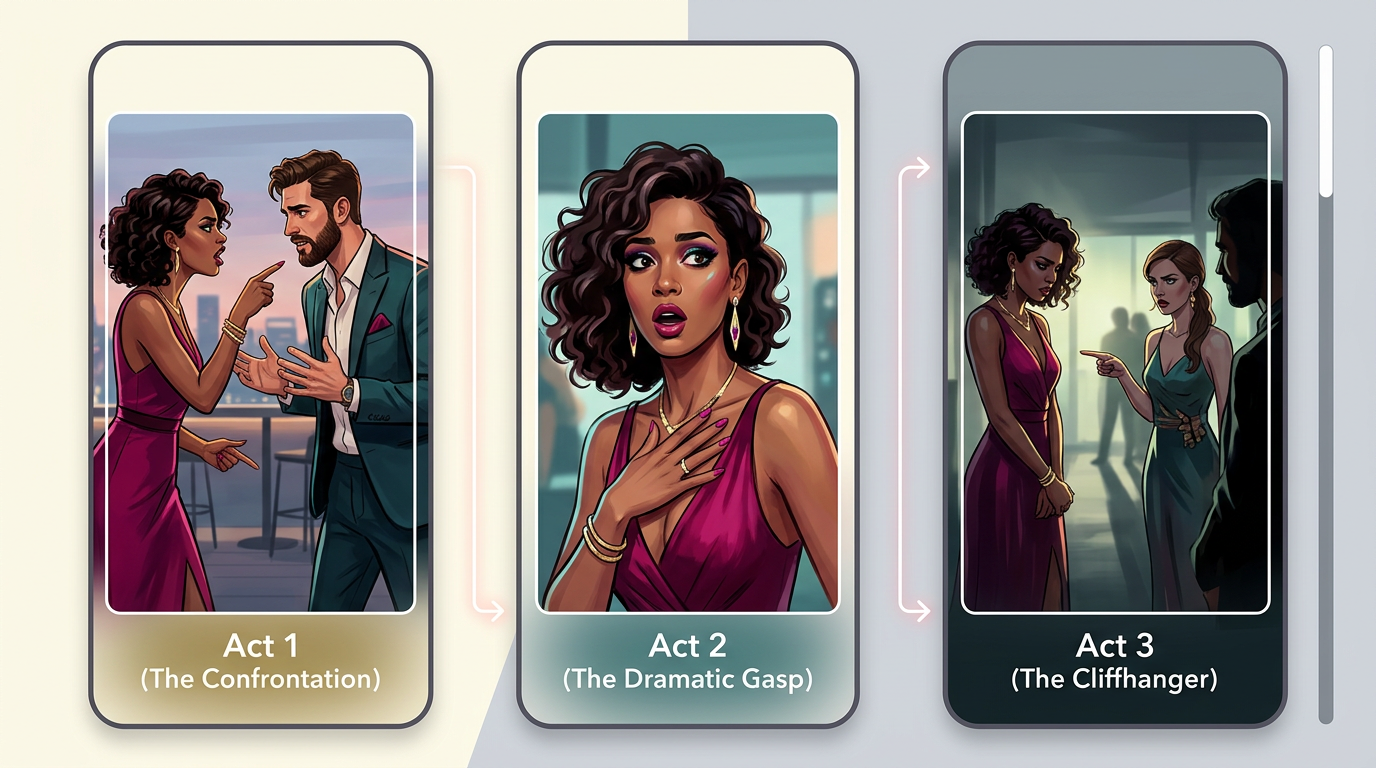
- The Melodramatic Pause: Before delivering a key piece of information or a call to action, insert a deliberate, high-tension pause. Let the camera linger on a shocked expression for an extra beat to build anticipation.
- The Sudden Accusation: Frame your hook as a personal confrontation. Instead of saying “Here is a common mistake,” frame it as “How could you let yourself make this mistake?”
- The Unapologetic Hero-Villain Pivot: Lean into a highly confident, borderline arrogant persona. Speak with absolute authority, showing no self-doubt, to command the viewer’s respect.
To see how this translates to actual content creation, compare these standard social media hooks with their high-intensity, Yáñez-style equivalents:
| Standard Hook | High-Intensity "Yáñez-Style" Hook | The Retention Mechanism |
|---|---|---|
| "Here are three tools I use for video editing." | "You are destroying your videos with terrible editing. Stop. Look me in the eyes. We are fixing this now." | Immediate confrontation forces the viewer to stop scrolling out of self-defense. |
| "I tried this new productivity app for a week." | "They lied to us. They promised this app would save my life, but it almost ruined everything." | High-stakes betrayal framing creates an instant narrative arc in under three seconds. |
| "Why you should avoid buying cheap microphones." | "Do you have no respect for your audience? Because that cheap microphone tells me you don't care." | The unapologetic hero-villain pivot challenges the viewer's ego, driving high comment engagement. |
To maximize retention, pair these script techniques with specific visual and audio cues. Use extreme, sudden close-ups (digital zooms) on key dramatic words. Introduce sudden, booming orchestral swells or dramatic silence immediately after an accusation to let the gravity of the statement sink in.
Structuring the Soap Opera Script: A Three-Step Template
If you want to write your own telenovela-style script, use this reliable three-step structure to hook, engage, and convert your audience:
- Step 1: The Accusatory Hook (0-3 seconds): Open with a high-contrast, close-up shot and an intense accusation. Establish immediate dramatic stakes.
- Step 2: The Melodramatic Reveal (3-15 seconds): Deliver the core value of your video, but frame it as a secret, a betrayal, or a hard-won truth. Keep your vocal delivery intense and rhythmic.
- Step 3: The Authoritative Call to Action (15-30 seconds): Pivot from the dramatic confrontation into a commanding call to action. Tell the viewer exactly what to do next with absolute conviction.
Interactive Drama: Using Fanfun to Safely Deploy High-Intensity Archetypes
Replicating high-stakes melodrama manually can be exhausting and difficult to scale. That is where Fanfun comes in. As the premier AI platform for personalized celebrity and character content, Fanfun allows creators, marketers, and fans to deploy high-intensity dramatic archetypes safely, instantly, and affordably.
Instead of hiring volatile actors or risking brand safety with unpredictable real-world influencers, you can use Fanfun’s suite of AI tools to generate high-drama content on demand:
- AI Personalized Videos: Need an intense, telenovela-style roast, birthday wish, or promotional message? Fanfun lets you generate custom video messages featuring AI versions of dramatic icons and fictional characters in minutes—without waiting for real-world talent availability.
- AI Voice Generator: Craft intense, theatrical voiceovers for your social media videos. Fanfun’s AI Voice Generator allows you to translate dramatic scripts into multiple languages while preserving the passionate, high-stakes tone required for true telenovela-style retention.
- AI Chat: Go beyond one-way video consumption. Fanfun’s interactive AI Chat personas allow your audience to engage directly in two-way, high-drama conversations with their favorite character archetypes, creating unprecedented levels of fan engagement in a safe, controlled digital space.
The Antagonist Balance: Melding 'Love-to-Hate' Energy with Heroic Charm
The secret to Eduardo Yáñez’s enduring appeal is not just his aggression; it is his ability to balance intense, combative energy with moments of deep vulnerability and heroic charm. In the world of social media, this is known as the “love-to-hate” antagonist archetype. If you are too aggressive, you alienate your audience; if you are too soft, you lose the dramatic tension.
To pull this off, you must learn how to channel high-retention antagonist energy without crossing the line into genuine hostility. The goal is to use controlled conflict as a tool for community building. When you challenge your audience with a dramatic accusation, always follow it up with a solution that helps them. Your intense delivery should feel like tough love, not genuine malice.
This balance drives massive engagement in the comment section. Viewers will flock to your videos to debate your intense delivery, defend their own choices, and share your content with others. By using Fanfun to safely generate and scale this high-stakes dramatic energy, you can keep your audience emotionally invested, drive viral retention, and protect your brand’s reputation all at the same time.
Why is Eduardo Yáñez famous in modern internet and meme culture?
Eduardo Yáñez is famous for his career as a premier telenovela leading man, embodying hyper-expressive masculinity and intense drama. In modern internet culture, his dramatic expressions, intense eye contact, and infamous real-life confrontational moments have made him a highly recognizable icon for memes and high-stakes dramatic content.
How can creators replicate telenovela-style drama in short-form videos?
Creators can replicate telenovela drama by using hyper-expressive vocal shifts, holding intense eye contact, inserting dramatic pauses, and framing their video hooks as personal, high-stakes confrontations. Pairing these scripts with dramatic musical swells and sudden digital zoom-ins helps maximize viewer retention.
What are the risks of using volatile real-life celebrities for brand campaigns?
Volatile real-life celebrities carry significant brand-safety risks, including unpredictable public outbursts, potential physical altercations, and sudden PR crises. These behaviors can alienate corporate sponsors, cause platform demonetization, and permanently damage a brand's reputation.
How does Fanfun help creators generate dramatic celebrity-style content safely?
Fanfun provides AI-powered video, voice, and chat tools that allow creators to generate highly engaging, dramatic celebrity-style content instantly and safely. By using AI interpretations of classic dramatic archetypes, creators can capture high-retention dramatic energy without the scheduling delays, high costs, or brand-safety risks of real-world talent.