The EDP445 Cautionary Tale: Why Meme Culture is Shifting Away from Volatile Creators
The spectacular rise and fall of volatile creators like EDP445 highlights a massive risk in modern meme culture. Discover how creators are shifting to safe, ethical AI-driven character archetypes to capture high-energy engagement without the real-world baggage.
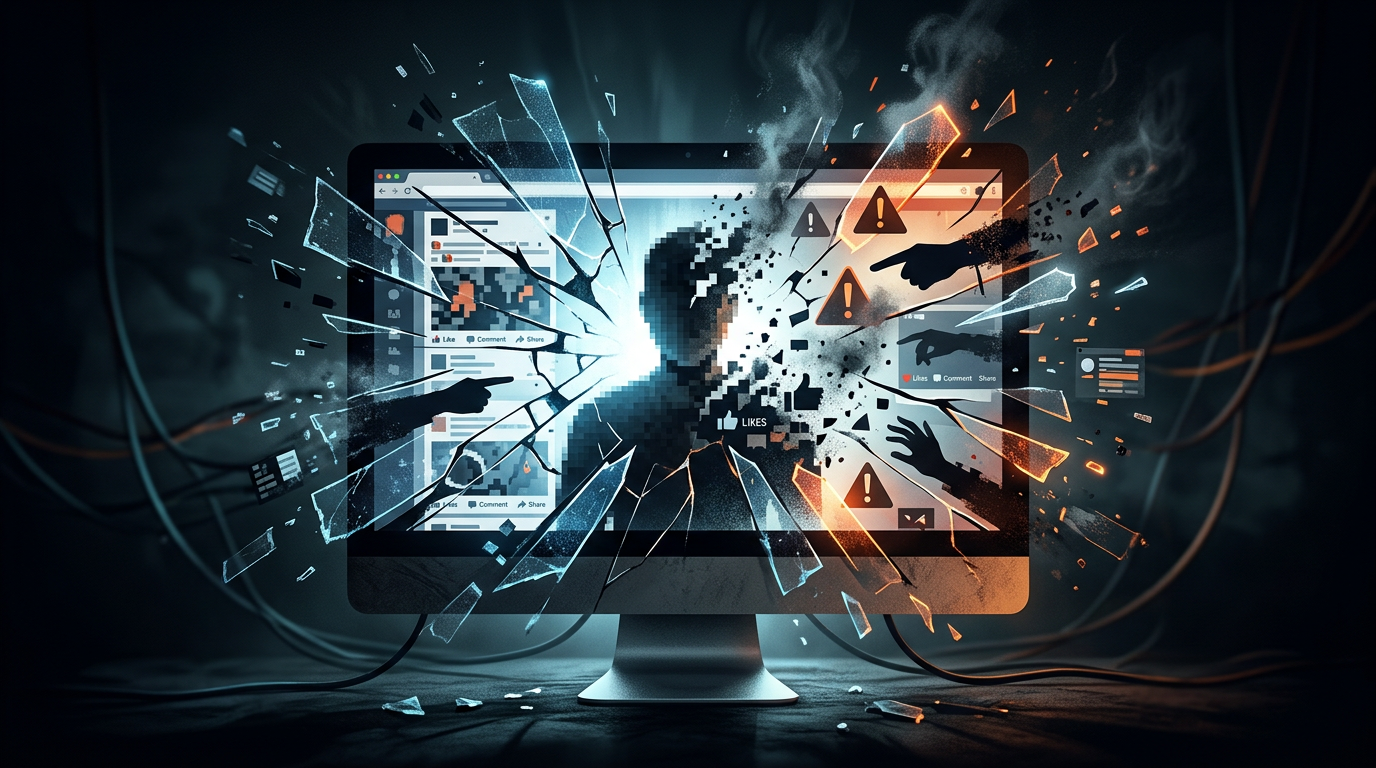
The internet moves at a breakneck pace, turning obscure reactions, heated rants, and eccentric personalities into global meme templates overnight. Yet, the viral cycle of real-world creators has hit a critical wall of volatility. For years, platforms like YouTube and TikTok thrived on raw, unfiltered human emotion, often rewarding the most extreme, unhinged behaviors with millions of views and cultural relevance.
The spectacular rise and fall of Bryant Moreland, known online as EDP445, serves as the ultimate case study for this shift. While his high-energy, explosive rants became foundational meme templates, his severe real-world controversies left a trail of toxic digital baggage, forcing a massive cultural pivot toward safer, more controlled character-driven content. Today, both creators and brands are realizing that relying on unpredictable human influencers is a ticking clock, prompting a transition toward stable, ethical alternatives.
The Rise of the Hyper-Volatile Creator Archetype
To understand why EDP445 became such a dominant force in meme culture, one must analyze the mechanics of raw emotion. Originally gaining traction through his intensely aggressive Philadelphia Eagles commentary, Moreland tapped into the internet's craving for unvarnished authenticity. His content was a masterclass in performative rage: screaming at the camera, throwing objects, and delivering highly explicit, over-the-top roasts. In an era of highly polished, corporate influencer campaigns, this raw, unfiltered energy felt shockingly genuine to viewers.
This style of content thrives on a unique "love-to-hate" dynamic. Aggressive, highly opinionated creators capture high viewer retention because they polarize the audience. Viewers tune in either to cheer on the chaos or to watch the trainwreck unfold. While this dynamic is incredibly effective for driving rapid viral growth, it carries an inherent danger. The very traits that fuel this style of content—a lack of personal boundaries, a disregard for social norms, and a reliance on shock value—often signal a deeper lack of professional and personal boundaries behind the scenes. Creators who build their brands entirely on being uncontrolled eventually lose control of their real lives, with disastrous consequences. To learn how to channel this high-retention, love-to-hate antagonist energy safely without resorting to real-world toxicity, creators can study The Joe Seo Playbook: How to Channel 'Love-to-Hate' Antagonist Energy for High-Retention Social Content.
The Downfall and the De-platforming Dilemma
The collapse of EDP445’s career was swift and permanent. In 2021, a sting operation conducted by an online group exposed Moreland attempting to meet up with a minor. The resulting fallout was immediate: a wave of public outrage, followed by permanent bans across YouTube, TikTok, Instagram, and Facebook. Virtually overnight, a creator with millions of subscribers was completely erased from the mainstream digital landscape.
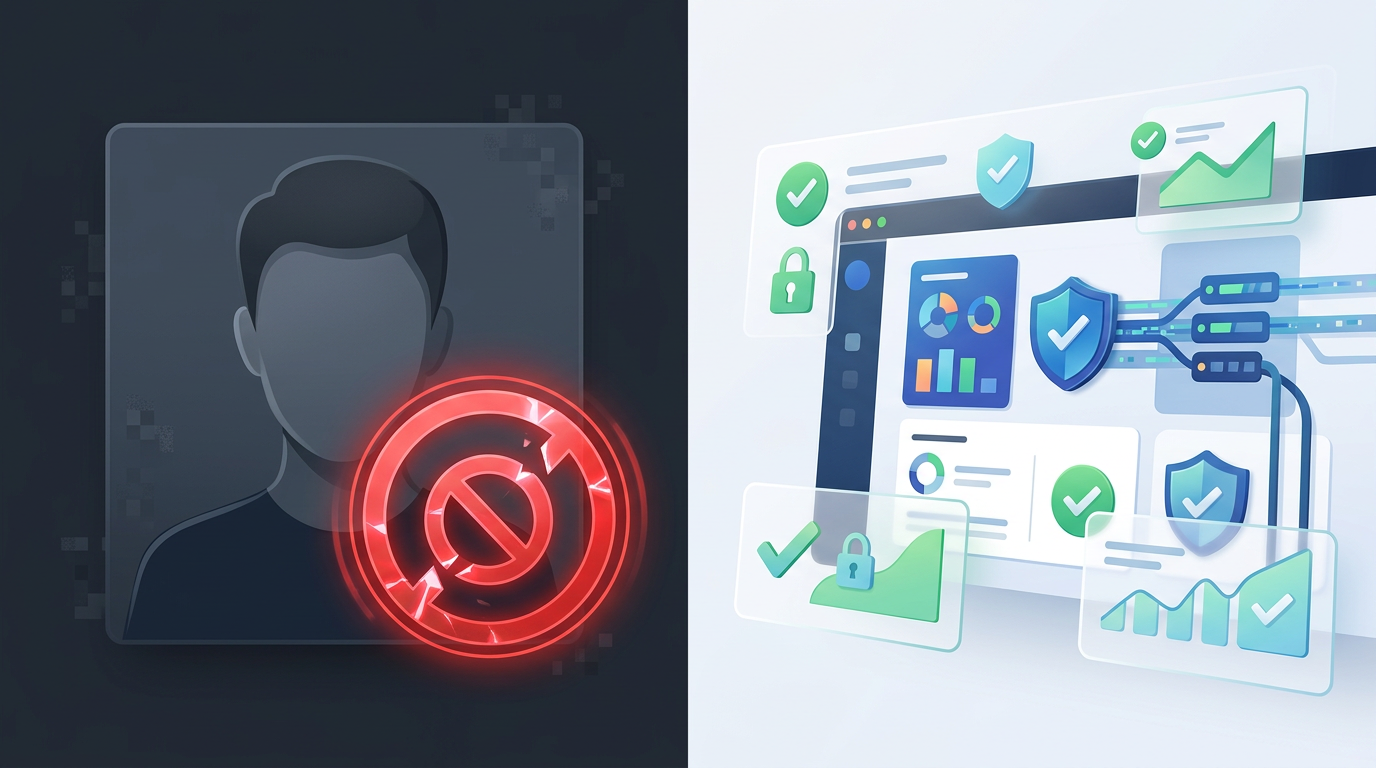
However, his de-platforming highlighted a complex modern phenomenon: the decoupling of the meme from the creator. Even though Moreland himself was banned, his audio clips, reaction faces, and catchphrases continued to circulate widely. TikTok creators continued to use his voice templates for comedic timing, and reaction GIFs of his face remained staples in Discord servers. This creates a massive ethical dilemma for modern content creators. Using assets associated with a de-platformed, toxic individual risks platform strikes, demonetization, and severe brand damage. It forces creators to ask a difficult question: How do you capture high-energy, chaotic comedic value without associating your brand with real-world harm?
Creator Risk vs. Character Archetypes: A Comparative Framework
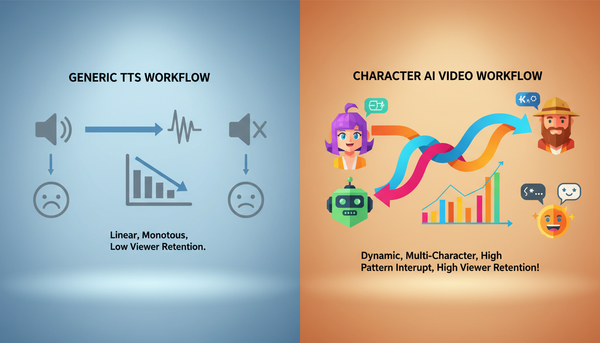
As the digital landscape matures, brands and individual creators are moving away from volatile, real-world personalities in favor of stable, controlled character archetypes. To navigate this transition, it is helpful to contrast the two models directly across key operational metrics.
| Metric | Volatile Real-World Creator | Stable, Ethical Character Archetype |
|---|---|---|
| Brand Safety | Extremely Low. High risk of sudden, career-ending controversies. | High. The persona’s boundaries, values, and scripts are fully controlled. |
| Audience Longevity | Short-term spikes. Vulnerable to sudden de-platforming and public backlash. | Long-term. Characters can be passed down, updated, or safely archived. |
| Platform Compliance | Highly volatile. Frequent community guideline strikes and shadowbans. | 100% Compliant. Built from the ground up to respect platform terms of service. |
| Creative Control | Zero. Dependent on the creator’s erratic moods, availability, and personal choices. | Total. Content, tone, and messaging can be adjusted instantly to fit any campaign. |
| Scalability | Low. Limited by the creator's physical time and willingness to cooperate. | Infinite. Can handle thousands of personalized interactions simultaneously. |
Relying on unpredictable real-world influencers is no longer a viable long-term strategy. The risk of sudden reputational damage is simply too high, prompting a massive industry shift toward safer, more predictable digital assets.
The Shift to Safe, Interactive Fandom: Why AI and Controlled Personas Win
This is where the evolution of fandom takes a major leap forward. Modern audiences still crave high-energy, expressive, and humorous content, but they no longer want the moral compromise that comes with supporting toxic real-world figures. The future of internet culture belongs to safe, ethical, and controlled digital personas—a space where Fanfun is leading the charge.Through its suite of AI Personalized Videos, AI Voice Generator, and AI Chat, Fanfun allows fans and creators to interact with iconic, licensed, or fictional personas safely. Instead of waiting weeks for a volatile real-world influencer to record a half-hearted video shoutout, users can instantly generate custom, high-energy messages from their favorite characters. This represents a massive shift from passive, risky celebrity worship to active, safe, and controlled character engagement. It is precisely why traditional celebrity video platforms are shifting toward interactive, instant AI gifting experiences, as explored in Beyond the 'BOOM!': Why the Big Justice Cameo Trend is Shifting to Interactive AI Gifting. By removing the unpredictable human element, creators can leverage high-impact character voices and memes without the risk of sudden de-platforming or brand association with real-world controversies.

Best Practices for Creators: Navigating High-Energy Content Safely
If you are a content creator looking to inject intense, high-retention energy into your videos, you do not need to rely on real-world drama or controversial personalities. Instead, you can channel that same dramatic tension using safe, structured creative frameworks.
Mastering the Art of Controlled Intensity
To capture the audience's attention, focus on dramatic tension, theatrical performance, and strong character archetypes rather than real-world shock value. You can inject genuine soul, character depth, and dramatic energy into voiceovers and social content ethically by following the principles outlined in The Jim Cummings Playbook: How to Inject Soul and Character Depth into AI Voiceovers and Social Content. By utilizing high-quality AI voiceovers and controlled character libraries, you can craft compelling narratives that keep viewers hooked without crossing ethical boundaries.
To ensure your content remains safe, compliant, and highly monetizable, use this quick asset audit checklist before publishing:
- Origin Check: Is the audio clip, meme template, or reaction image associated with a permanently banned or highly toxic creator?
- Platform Compliance: Does the asset violate the community guidelines of TikTok, YouTube, or Meta?
- Alternative Evaluation: Can this specific comedic beat or high-energy reaction be replaced with a safe, licensed, or AI-generated character voice?
- Long-term Viability: Will this content still be safe for your brand and sponsors to be associated with five years from now?
By shifting your focus from volatile real-world creators to safe, interactive, and ethical character archetypes, you protect your digital footprint while continuing to deliver the high-energy, engaging content your audience loves.
Why was EDP445 banned from social media platforms?
EDP445 (Bryant Moreland) was permanently banned from major social media platforms, including YouTube, TikTok, and Instagram, in 2021 following a sting operation that exposed him attempting to meet up with a minor. This severe real-world controversy led to immediate de-platforming to ensure user safety and platform compliance.
Is it safe for content creators to use EDP445 meme templates?
No, it is highly risky. While his audio clips and reaction faces occasionally still circulate, using assets associated with a permanently de-platformed, toxic individual can lead to shadowbans, demonetization, platform strikes, and severe reputational damage for your brand.
How can brands protect themselves from volatile influencer controversies?
Brands can protect themselves by shifting their marketing strategies toward stable, ethical character archetypes, utilizing licensed digital assets, and leveraging controlled AI-driven personas. This eliminates the risk of sudden, career-ending real-world controversies associated with human influencers.
What are the best alternatives to traditional celebrity shoutout platforms?
The best alternatives are instant, interactive AI-driven platforms like Fanfun. Instead of waiting for unpredictable real-world celebrities, Fanfun allows users to instantly generate high-energy, personalized video, voice, and chat content using safe, licensed, and highly controlled digital character personas.