The Paul Breach Paradox: Why Meme Culture is Moving Past Volatile Creators for Interactive AI Content
The era of building meme culture around unpredictable, real-world figures is drawing to a close. Discover how creators are shifting toward safe, interactive AI-driven character archetypes.
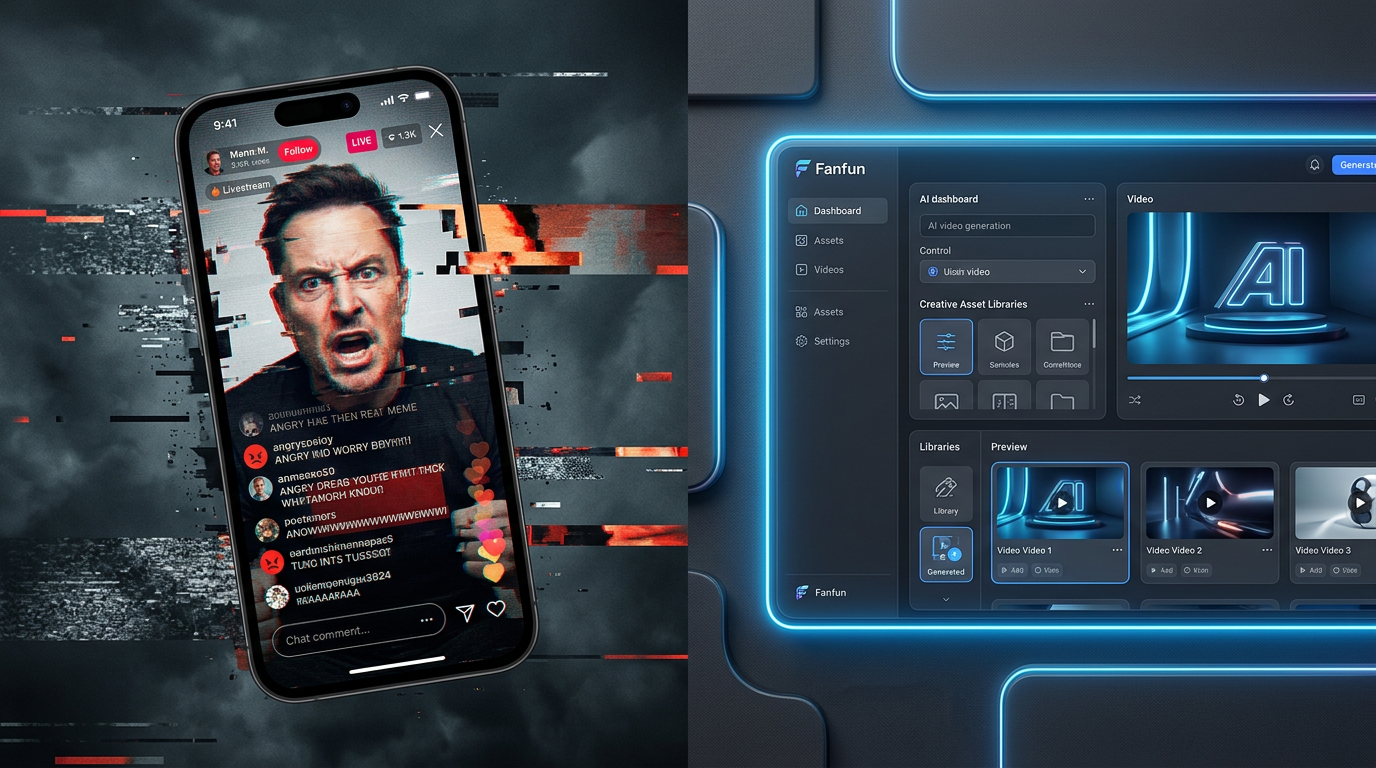
A middle-aged man stands in a sparsely decorated room, performing awkward, off-beat dances to mainstream pop songs. Within weeks, these short clips dominate millions of algorithmic feeds, spawning thousands of parodies, intense comment-section debates, and real-world confrontations. This is the reality of Paul Breach, known online as “Beauty Beyond the Eye,” a British TikTok creator whose viral fame represents one of the most polarizing phenomena on the modern internet.
While this brand of ironic, friction-based fame can generate staggering view counts, it also presents a massive strategic risk. Building a content strategy, a marketing campaign, or a community around unpredictable, real-world individuals is increasingly recognized as a liability. As creators and audiences seek to capture the magnetic pull of eccentric personalities without the accompanying real-world chaos, platforms like Fanfun are pioneering a safer, more stable alternative: interactive, AI-driven character experiences.
The Anatomy of a Hate-Watch: How Paul Breach Became a Viral Phenomenon
To understand why the internet is moving past volatile creators, it is necessary to analyze how figures like Paul Breach achieve viral reach in the first place. Breach’s content formula is deceptively simple: low-production lip-syncing, highly stylized and awkward dancing, and a combative, defensive posture during live broadcasts. This combination acts as a lightning rod for attention, but not the traditional, aspirational kind.
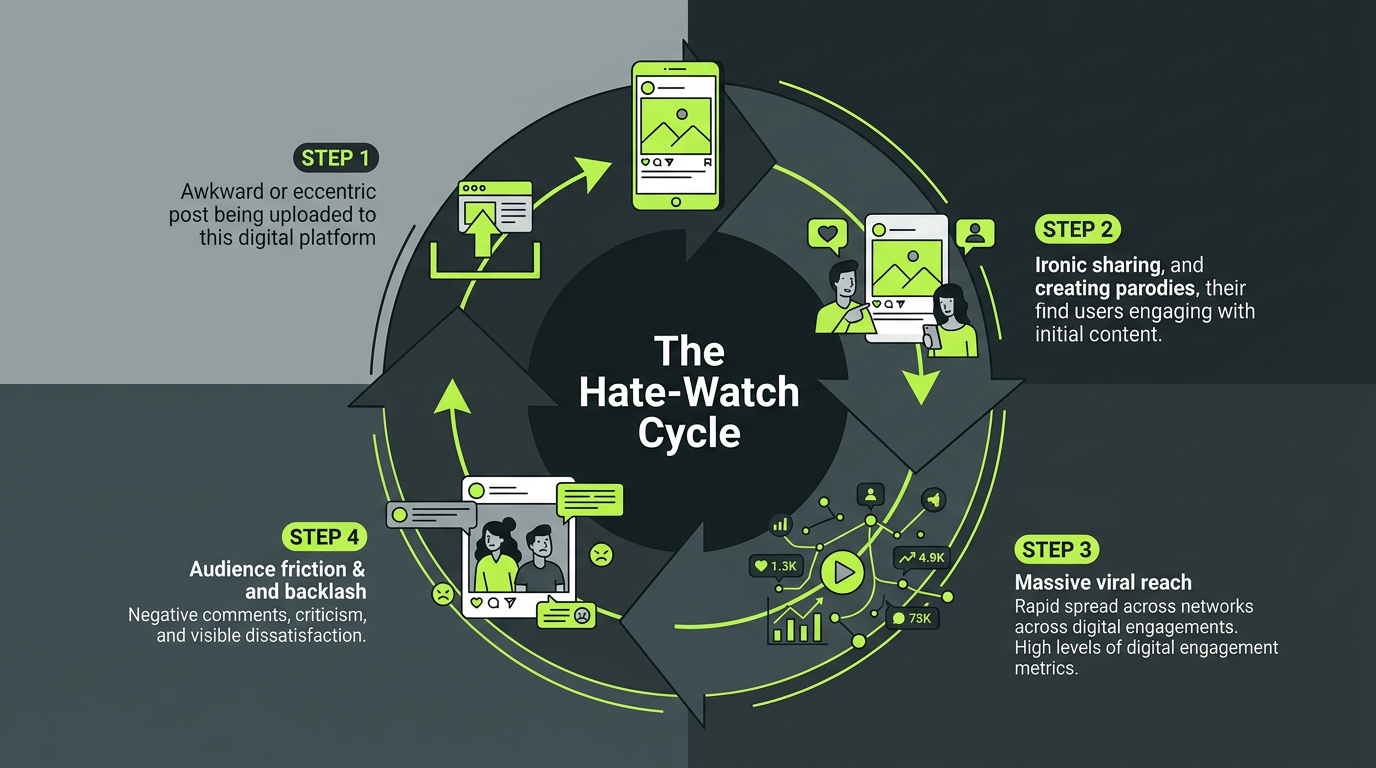
Instead, Breach’s fame is fueled by “hate-watching”—a psychological phenomenon where audiences consume, share, and dissect content from creators they claim to actively dislike. Viewers do not watch because they admire the creator; they watch to participate in a collective, ironic cultural moment. Every dramatic pause, defensive comment, or bizarre dance move is clipped, analyzed, and transformed into a meme, driving a self-sustaining feedback loop of engagement.
However, this ironic fandom is incredibly fragile. Because the relationship between the creator and the audience is built on friction rather than mutual respect, the line between viral entertainment and intense public backlash is paper-thin. When a creator’s appeal relies entirely on being the target of a joke, any shift in tone, controversial statement, or real-world incident can instantly turn a highly engaged audience into an active opposition force.
The Volatility Trap: Why Real-World Meme Figures Are a Liability
For brands, digital agencies, and collaborative content creators, leveraging a volatile viral figure is a high-stakes gamble with diminishing returns. Real-world meme figures operate without an editorial filter or a strategic roadmap. Their behavior is unpredictable, and their sudden rise to fame often lacks the structural support needed to navigate public scrutiny safely.
This dynamic mirrors the shift away from volatile creators who carry heavy reputational risks, where sudden platform bans, public controversies, and real-life confrontations can render collaborative campaigns toxic overnight. When a creator is banned or becomes radioactive to advertisers, any content featuring them becomes unusable. The time, budget, and creative energy invested in riding their viral wave are instantly wiped out.
Furthermore, relying on real-world controversy to drive engagement creates a highly unstable foundation. Audiences eventually experience fatigue from the constant cycle of drama, call-outs, and platform instability. As a result, content strategies built around these figures inevitably crash, leaving creators searching for a more sustainable way to capture high-retention audience interest.
The High Cost of Unpredictability
The consequences of volatile creator culture extend far beyond lost advertising revenue. For the creators themselves, the constant cycle of ironic fame and public mockery leads to severe burnout and personal safety concerns. For the platforms hosting them, highly combative livestreams and aggressive comment sections create toxic environments that algorithms are increasingly designed to suppress.
TikTok, YouTube, and other major platforms are continuously updating their safety guidelines and recommendation engines to downrank content that provokes intense, hostile community reactions. This means that even if a volatile creator is generating millions of views today, their algorithmic reach could be cut in half tomorrow. This unpredictability makes it nearly impossible for modern content creators to build long-term, reliable distribution strategies around them.
This structural shift has created a clear demand in the market. Audiences still crave the humor, friction, and entertainment value of eccentric characters, but they want to consume it without the ethical baggage, real-world harm, or constant threat of platform deplatforming.
The Shift to Controlled Antagonism: Why We Love to Hate (Safely)
The appeal of eccentric, slightly antagonistic figures is rooted in a fundamental truth of digital storytelling: friction drives retention. Agreeable, highly polished content often fades into the background, whereas characters who challenge the audience, exhibit unusual quirks, or invite lighthearted debate naturally keep viewers watching, commenting, and sharing.
The key to modern content strategy is separating this engaging “antagonist energy” from real-world harm. By shifting focus from unpredictable real-life individuals to structured, fictional, or AI-generated character archetypes, creators can capture all of the audience engagement with none of the liability. This involves harnessing 'love-to-hate' antagonist energy to drive high-retention social content in a controlled, safe environment.
The Mechanics of Safe Antagonism
Safe antagonism relies on theatricality rather than genuine malice. It uses clear, recognizable character traits that signal to the audience that they are participating in a performance. By establishing these boundaries, creators can invite viewers to debate, parody, and engage with a character in the comment section without the risk of the interaction turning toxic or harmful.
From Passive Spectatorship to Interactive Meme-Making
As the digital landscape evolves, the way audiences interact with meme culture is undergoing a fundamental shift. Passive spectatorship—where viewers simply watch a volatile creator’s video and comment from a distance—is being replaced by active, personalized, and interactive experiences. Audiences no longer just want to watch the meme; they want to co-create it.
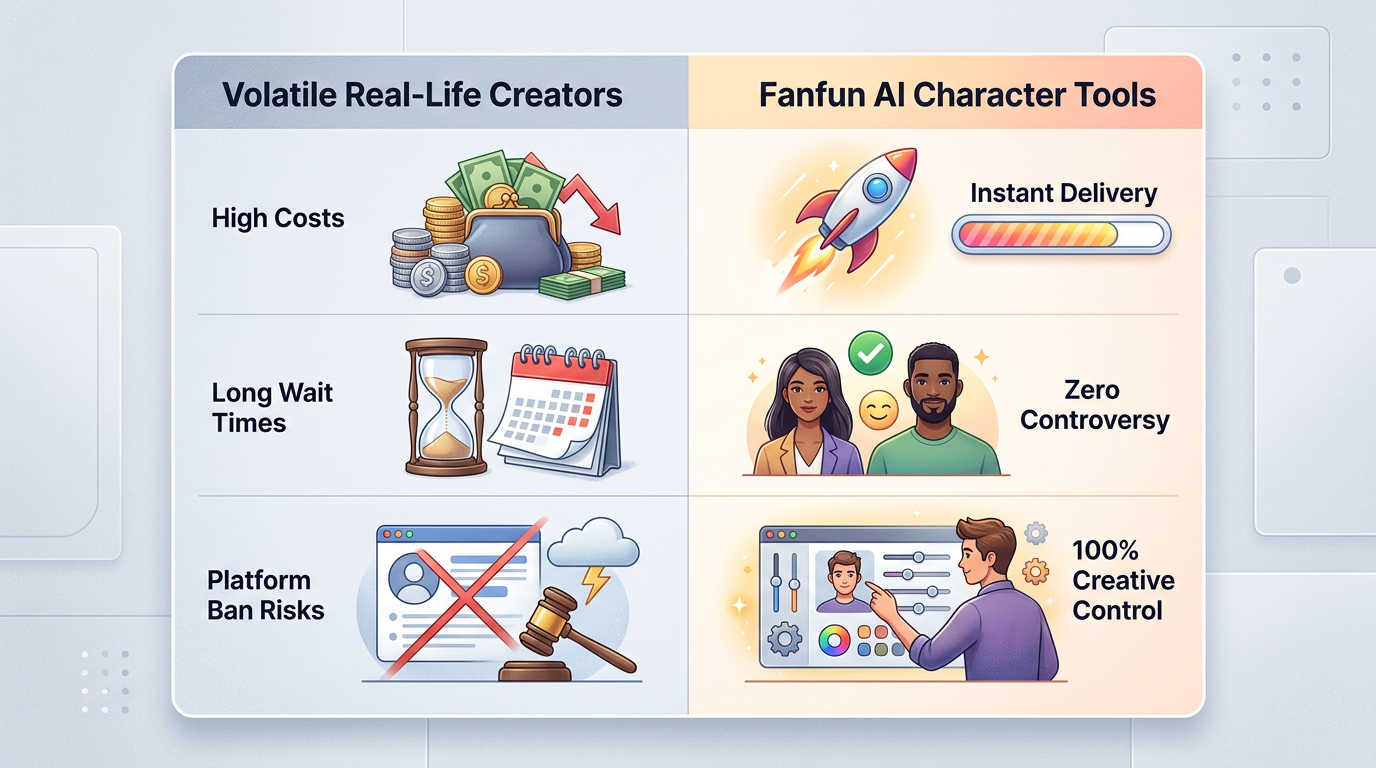
This cultural transition highlights the rise of interactive AI gifting as a faster, more reliable alternative to traditional video platforms. Instead of waiting days for an unpredictable creator to fulfill a video request—or worrying about whether that creator will be banned tomorrow—users are turning to Fanfun to instantly generate custom, high-quality character interactions. Whether it is a personalized roast, a birthday wish, or a custom meme script, Fanfun puts creative control directly into the hands of the user.
| Feature | Volatile Real-Life Creators | Fanfun AI Character Tools |
|---|---|---|
| Delivery Time | Days or weeks (or never fulfilled) | Instant (within minutes) |
| Creative Control | Limited to creator's mood and willingness | 100% customizable scripts and prompts |
| Brand Safety Risk | High (unpredictable behavior, bans) | Zero (controlled environment) |
| Interaction Model | One-way passive viewing | Two-way interactive chat & video generation |
How to Channel Eccentric Characters in Your Own Content Strategy
For content creators, marketers, and brands looking to capture the high-retention energy of eccentric characters without the accompanying drama, the solution lies in structured character performance. By identifying the specific traits that make figures like Paul Breach viral, you can replicate those mechanics safely using Fanfun’s suite of AI tools.
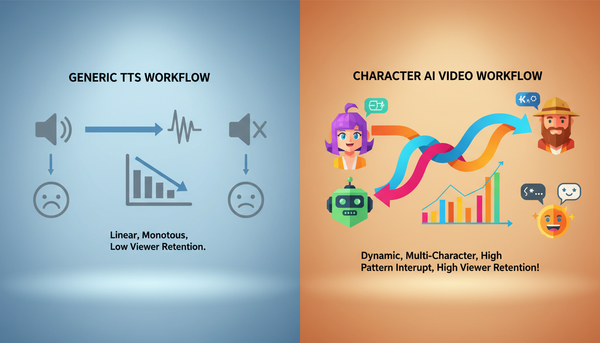
Start by breaking down the physical and verbal mannerisms of viral eccentric characters. These often include dramatic pauses, unusual speech rhythms, overly formal language, and expressive physical gestures. By feeding these structural parameters into Fanfun’s AI Voice Generator, you can create custom, parody-style voiceovers that capture the precise comedic tone of a viral meme without relying on a real-world creator.
The Safe Eccentric Character Checklist
- Define the Quirk: Establish 1-2 harmless, highly visible eccentricities (e.g., dramatic pauses, over-the-top confidence).
- Keep it Fictional: Ensure the character is clearly a parody or original creation, removing any real-world personal liability.
- Control the Narrative: Use Fanfun's AI tools to keep the script focused on entertainment, humor, or brand promotion.
- Encourage Safe Friction: Invite the audience to debate the character's opinions (e.g., "Is this the worst dance ever?") in a lighthearted way.
By shifting from unpredictable real-world figures to controlled, interactive AI characters, you can build a highly resilient content strategy. You retain the ability to jump on viral trends, generate high-retention social hooks, and spark lively comment-section engagement—all while maintaining complete creative control and absolute brand safety.
Who is Paul Breach and why did he go viral on TikTok?
Paul Breach, known online as "Beauty Beyond the Eye," is a British content creator who went viral on TikTok for his awkward lip-syncing videos, off-beat dancing, and highly defensive, combative interactions with viewers during live broadcasts. His viral reach was largely driven by "hate-watching" and parody culture.
What does 'Beauty Beyond the Eye' mean?
"Beauty Beyond the Eye" was the original username used by Paul Breach on TikTok. The phrase itself became an ironic meme within his community, often referenced in parodies, remixes, and comment sections across social media platforms.
Why is hate-watching so popular in modern meme culture?
Hate-watching is popular because it creates a shared, ironic cultural experience. Audiences gather in comment sections, create reaction videos, and share parodies of eccentric or controversial creators, turning the act of criticizing a creator into a highly interactive social activity.
How can content creators use eccentric characters safely without real-world drama?
Creators can safely leverage eccentric character archetypes by using AI platforms like Fanfun. By generating custom scripts, voices, and videos using controlled AI character models, creators can capture high-retention, humorous, or antagonistic energy without the risks of real-world controversy, bans, or personal drama.