Digital Video Cards vs. Traditional Paper Cards: How to Choose the Right Format
Deciding between a physical card and a digital video greeting? Weigh the quiet, tactile charm of traditional paper against the waste-free, high-energy engagement of digital video messages.
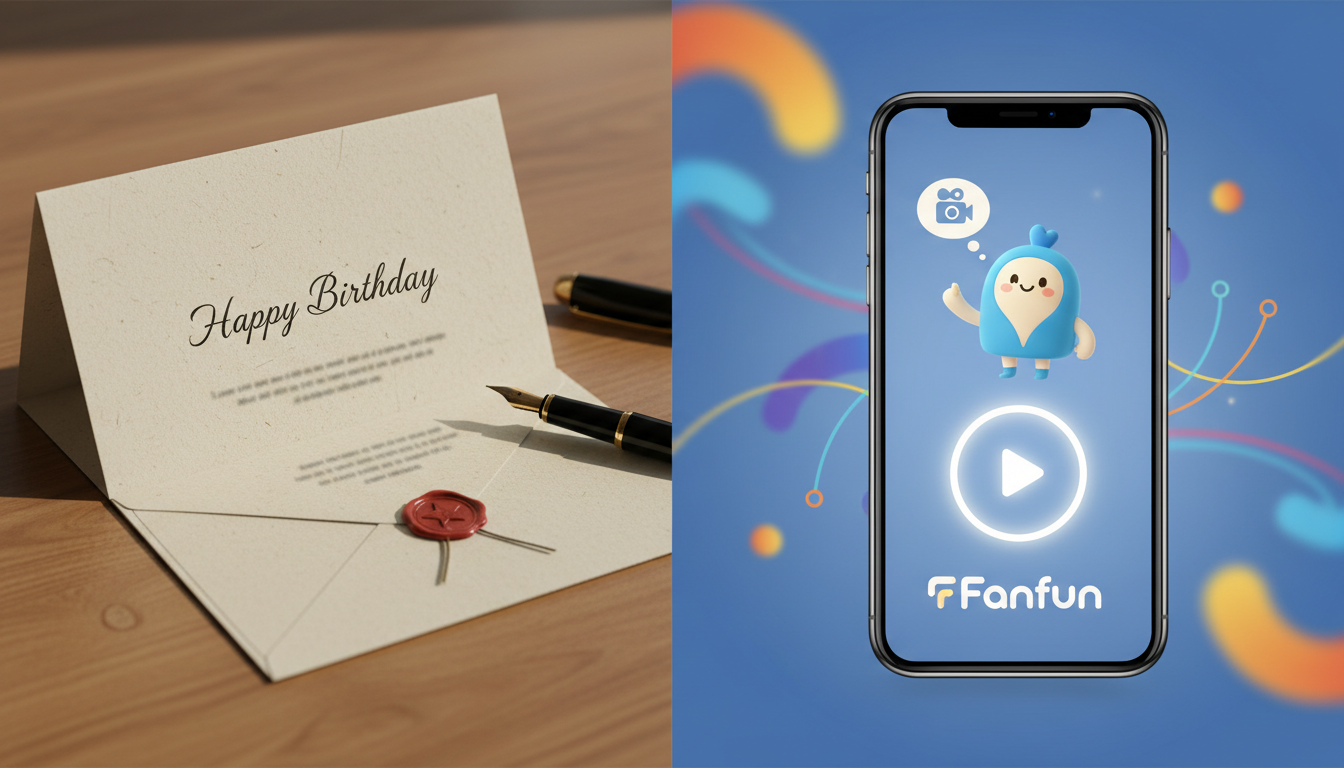
Choosing between a digital video card and a traditional paper card depends on the vibe of the occasion and your relationship with the recipient. Physical paper cards offer a quiet, tactile intimacy that works beautifully for formal events like traditional weddings or private sympathy notes. However, digital video cards are far superior for remote celebrations, milestone events that thrive on shared humor, and occasions where you want to deliver high-energy entertainment without creating paper waste.
The Core Tradeoffs: Paper vs. Digital Video Greetings
When you hold a physical card, you experience the weight of the paper, the texture of the ink, and the physical effort of handwriting. It is a quiet, highly personal medium. Digital video greetings, on the other hand, shift the focus from a physical object to a shared experience. Instead of sitting on a mantelpiece, a video card delivers immediate laughter, movement, and sound.
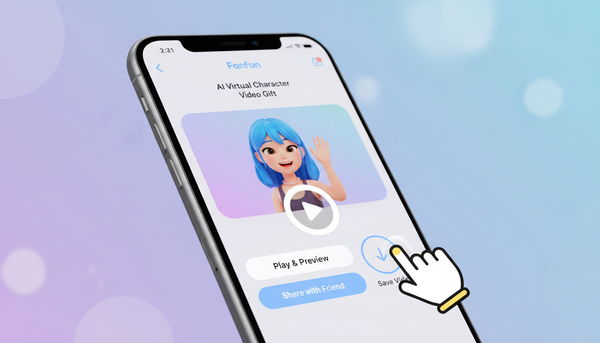
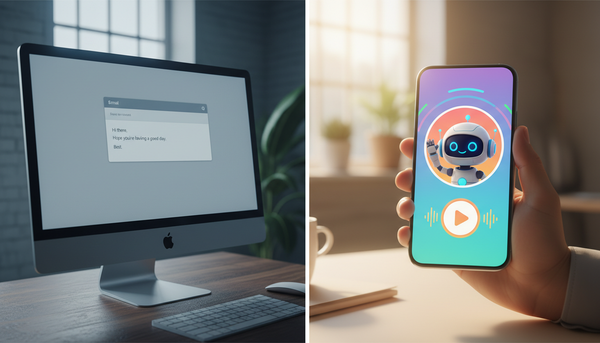
Using platforms like Fanfun, you can elevate digital greetings from standard, dry text emails into highly entertaining, character-driven video messages. Rather than sending a generic card, you can script a playful performance using an AI character style, making the greeting feel like a custom event in itself.
| Feature | Traditional Paper Cards | Digital Video Cards |
|---|---|---|
| Cost | Varies (typically includes card cost and postage) | Varies (often free or low-cost depending on platform features) |
| Production & Delivery | 3 to 7 days for transit and delivery | Instant delivery or scheduled in minutes |
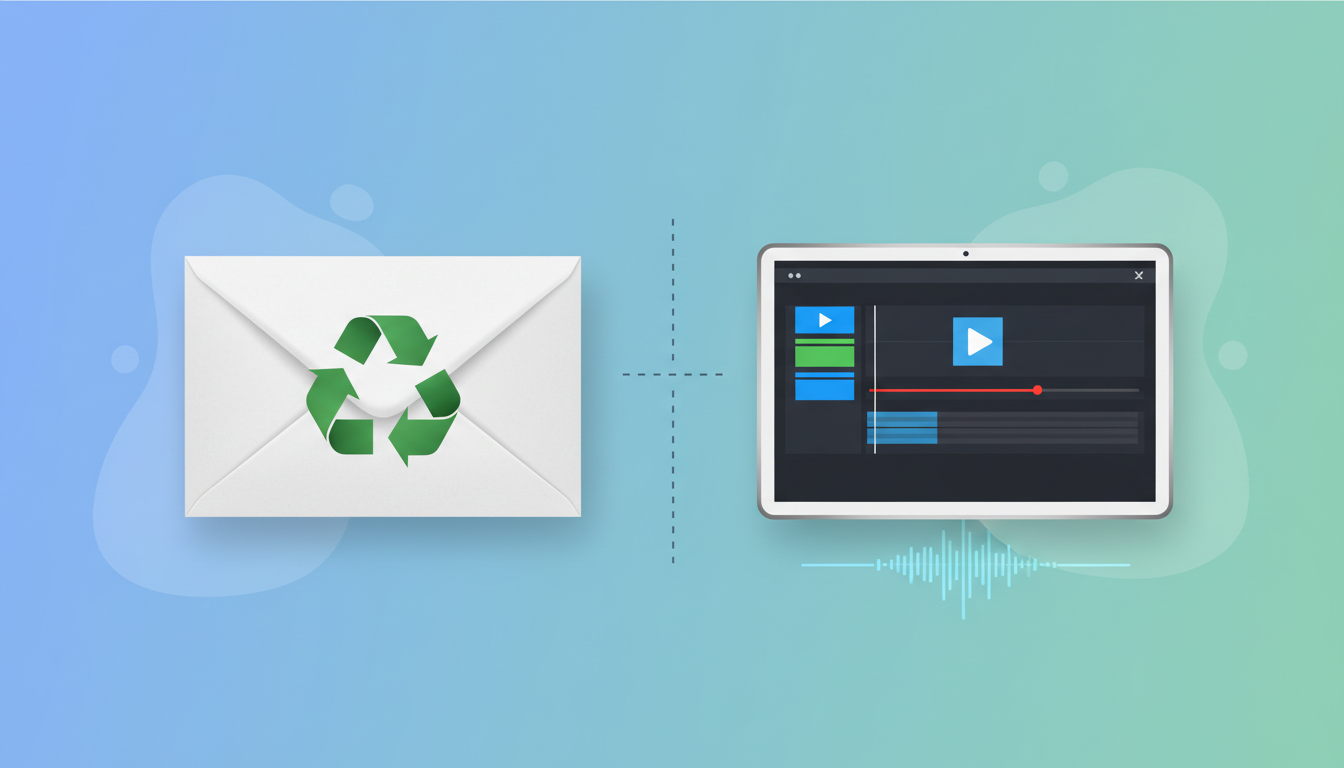
| Environmental Impact | High (paper production, physical transport, shipping emissions) | Zero physical waste or transit emissions |
| Shelf Life | Often discarded or stored in a drawer within weeks | Stored indefinitely in digital cloud storage or group chats |
| Emotional Vibe | Tactile, nostalgic, quiet, and formal | Dynamic, highly customizable, energetic, and humorous |
When Traditional Paper Cards Still Make Sense
For certain formal events, some people prefer the tactile presence of high-quality cardstock. Occasions such as traditional weddings, formal sympathy notes, or milestone retirement announcements often suit physical cards if the recipient values traditional paper. For individuals who prefer physical mail over digital notifications, a physical envelope in the mailbox provides a familiar, tangible experience.
However, paper cards come with inherent limitations. The unit costs can add up quickly when sending to a large group, and relying on postal services introduces the risk of shipping delays. Additionally, traditional cards carry a notable environmental footprint from manufacturing, shipping, and eventual disposal, meaning many physical keepsakes ultimately end up in a landfill or recycling bin shortly after the event.
When to Choose a Digital Video Card
Digital video cards shine when physical distance, speed, and shared energy are the priority. They turn a passive reading experience into active entertainment, making them the ideal choice for modern celebrations and collaborative efforts.
- Distributed and Remote Celebrations: Coordinating a physical card in a modern office can be a logistical headache. Digital options solve this seamlessly; read about how digital cards streamline remote team building by allowing global teams to contribute without the hassle of shipping physical paper around the world.
- Milestones That Thrive on Humor: For events like birthdays, graduations, or holidays, a video greeting can deliver high-energy laughs. If you are looking to send something memorable, try creating a custom AI video card for Father's Day that uses a playful character voice to deliver a lighthearted roast.
- Zero-Waste Convenience: With digital cards, there is no paper production, no shipping emissions, and no physical clutter. The recipient receives their video instantly, whether they are across the street or on another continent.
How to Keep Digital Video Cards from Feeling Impersonal
The primary critique of digital greetings is that they can sometimes feel like an afterthought—like a generic email blast. To prevent your video from feeling impersonal, avoid pre-made, stock templates. Instead, focus on specific scripting techniques that address the recipient's unique traits, inside jokes, or shared memories.
This is where Fanfun's playful approach can make a massive difference. By selecting an AI character style to read your script, you can turn a standard "Happy Birthday" into an unexpected, custom performance. While these AI personas are designed for entertainment rather than perfect, flawless voice replication, the playful delivery adds a layer of creativity and fun that a standard paper card simply cannot match.
Finally, do not let technical friction ruin the moment. When sharing your video, pay attention to technical details like choosing the best video file format for digital greetings. Exporting your video in a widely compatible format like MP4 can help minimize playback issues and ensure broader compatibility across most modern devices.
Do digital video cards have a shelf life or expiration date?
Generally, no. Unlike paper cards that may fade or get lost in a drawer, digital video cards can be saved indefinitely on your phone, hard drive, or cloud storage. However, if you host your video on a third-party greeting platform, it is always a good idea to download a local copy of the MP4 file to ensure you have permanent access to it.
Can I combine a physical gift with a digital video card?
Absolutely. A great way to blend both worlds is to print a QR code that links directly to your digital video greeting and attach it to a physical gift or a small, simple card. This gives the recipient the tactile joy of unwrapping a physical item alongside the dynamic, personalized entertainment of a custom video message.
Are digital video cards accessible for less tech-savvy recipients?
Yes, provided you make it easy to access. Sending a direct link via SMS, WhatsApp, or email is usually the most accessible method, as most modern smartphones will play the video with a single tap. Avoid platforms that require the recipient to create an account or download a specific app just to view their greeting.