Digital Video Greeting Cards vs. Traditional Email Greetings: How to Choose the Right Format
Traditional emails are fast and functional, but they are easily forgotten. Digital video greeting cards offer a dynamic, memorable alternative that turns routine messages into keepsakes. Learn when to use each format to make the biggest impact.
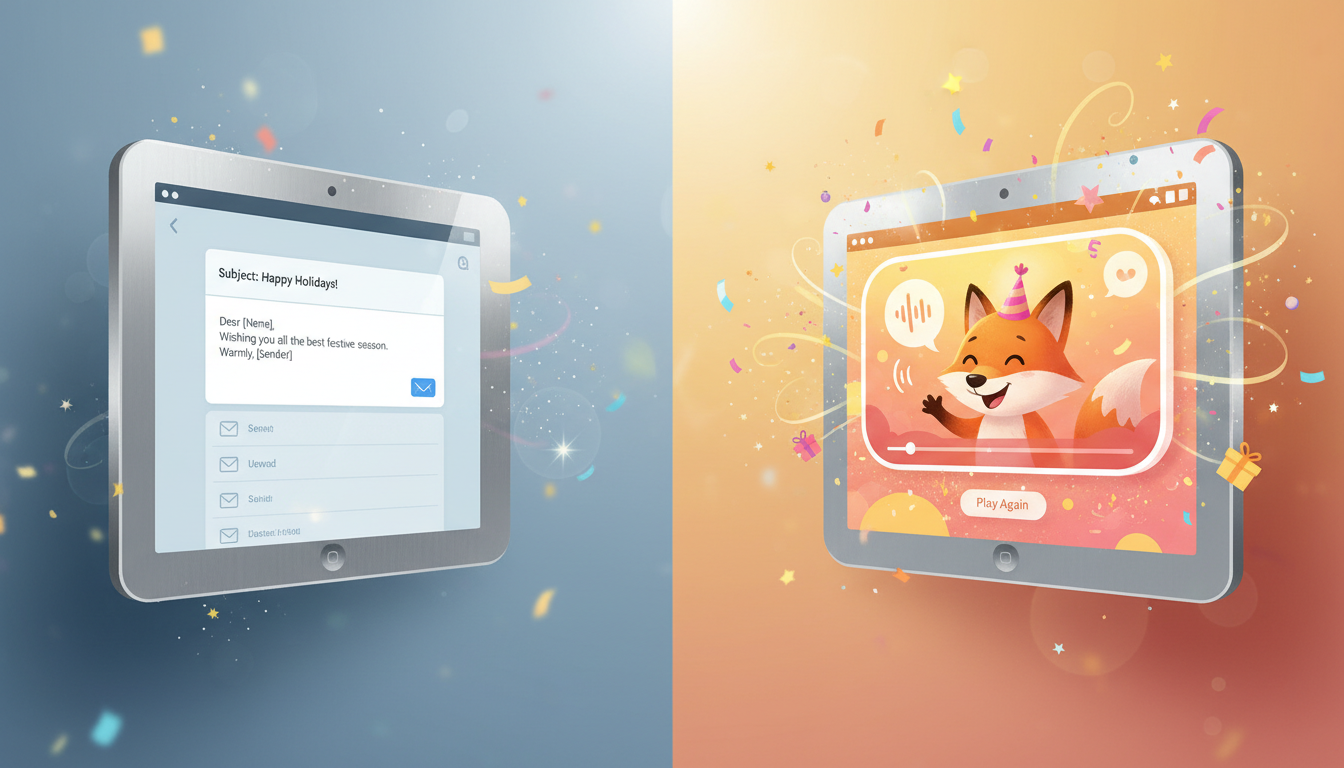
Choosing between a digital video greeting card and a traditional email greeting depends entirely on the significance of the occasion and the level of personal connection you want to build. While traditional text-based emails are unmatched for speed, transactional updates, and formal corporate notes, they are easily archived and forgotten. In contrast, digital video greeting cards offer a dynamic, memorable experience that commands attention and leaves a lasting impression, making them the superior choice for milestones, celebrations, and building genuine connection—though they do require slightly more creative effort to set up.
The Core Difference: Impact vs. Immediacy
Traditional email greetings are incredibly fast, free, and accessible to anyone with an internet connection. However, their simplicity is also their biggest drawback: they easily blend into a crowded inbox and are rarely read more than once before being archived or deleted. They serve a functional purpose, but they rarely spark joy.
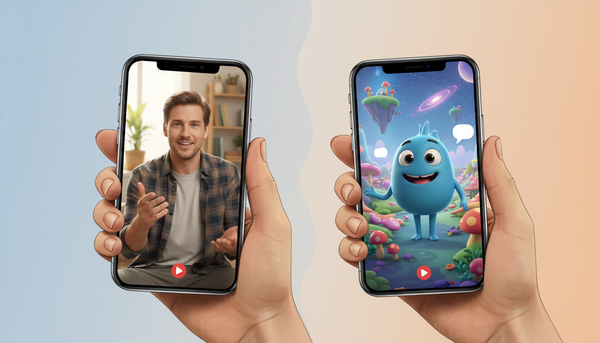
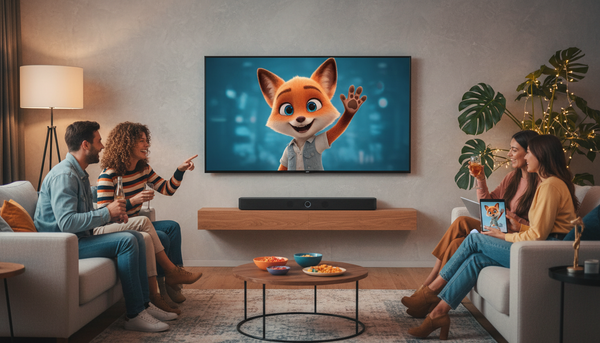
Digital video greeting cards, on the other hand, command immediate attention. By combining visual movement, music, and spoken voice, they offer an immersive experience that feels highly personalized and intentional. Platforms like Fanfun allow you to take this personalization a step further by turning your own words into a video message spoken by a playful AI character voice. While these synthetic voices are artistic representations rather than perfect real-person recordings, they add a lighthearted, unexpected twist that standard text templates simply cannot match.
Head-to-Head Comparison: Video Cards vs. Traditional Email
To help you decide which format fits your current needs, here is a breakdown of how they compare across key performance, aesthetic, and practical criteria.
| Criteria | Traditional Email Greetings | Digital Video Greeting Cards |
|---|---|---|
| Average Recipient Retention | Low. Typically read once and archived or forgotten. | High. Often rewatched, shared, and saved as a keepsake. |
| Aesthetic Appeal | Minimal. Relies on flat text and static images. | High. Dynamic visuals, animation, and voice narration. |
| Creation Effort | Very low. Can be written and sent in under two minutes. | Moderate. Requires writing a script and choosing a theme or character. |
| Technical Accessibility | Universal. Works on any device with email access. | High. Can be viewed on any modern smartphone or desktop via link. |
While a simple email is effortless to compose, it lacks the staying power of a richer media format. If you want to dive deeper into the data behind how long people hold onto these messages, you can explore the differences in how long recipients save personalized video messages compared to static email greetings.
When to Stick with Traditional Email Greetings
Despite the high engagement of video, there are times when a traditional email greeting is the more practical and appropriate choice. You should opt for a standard email in the following scenarios:
- Low-Stakes and Routine Updates: If you are simply wishing a casual acquaintance a happy Friday or sending a quick end-of-week note to a large list, a standard email is perfectly sufficient.
- Strict Corporate IT Environments: Highly secure corporate networks sometimes block external video links, media players, or large attachments. In these formal business-to-business settings, plain text ensures your message actually gets through.
- Dense Information Delivery: If your greeting needs to include extensive details, schedules, multiple links, or attached documents, text is much easier to read, search, and parse than a spoken video script.
When to Upgrade to Digital Video Greeting Cards
When the goal is emotional resonance, celebration, or creative storytelling, a digital video greeting card is unmatched. Consider upgrading to a video format for these occasions:
- Major Milestones: Significant life events like milestone birthdays, retirements, graduations, or major holidays deserve more than a plain text block. A video feels like a genuine gift in itself.
- Remote Team Engagement: Building a cohesive culture across physical distances is a challenge. You can learn how to use digital video greeting cards to build connection among remote teams to celebrate work anniversaries and team wins in a way that feels personal.
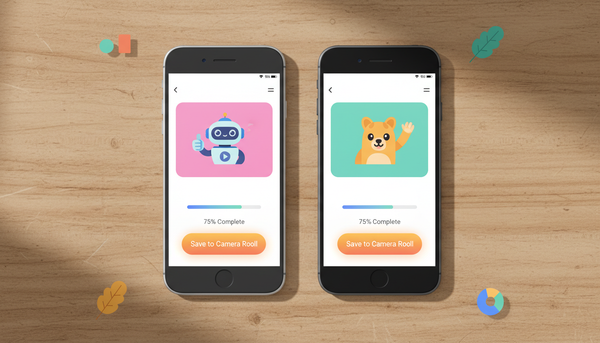
- Unforgettable Personalization: Creating a video message on Fanfun lets you draft a custom script for a favorite AI persona to speak. Whether it is a friendly animated hero or a historical figure delivering your inside jokes, the resulting video is a highly shareable, joyful experience.
Best of Both Worlds: How to Combine the Two Formats
You do not always have to choose one format over the other. In fact, delivering a digital video greeting card inside a traditional email is one of the most effective ways to ensure high deliverability while maximizing emotional impact.
To make this work seamlessly, avoid sending heavy video files as raw attachments, which can trigger spam filters or fail to load. Instead, write a short, warm email introduction and embed a colorful static thumbnail or a short, looping animated GIF with a "Play Video" button overlay. This visual cue prompts the recipient to click through to a dedicated landing page where they can watch the full video. For a complete walkthrough on setting this up, check out our step-by-step guide on how to embed a digital video greeting in an email newsletter. By combining the reliable inbox delivery of traditional email with the rich, joyful experience of a video card, you get the absolute best of both worlds.
Do digital video greetings get caught in email spam filters more often than text emails?
They can if you attach large video files directly to the email. To ensure your message lands safely in the inbox, it is best to send a standard text email that includes a link or an embedded image thumbnail pointing to a hosted video page. This keeps the email file size small and highly deliverability-friendly.
How long should a digital video greeting card be to keep the recipient's attention?
The sweet spot for a digital video greeting is between 15 and 30 seconds. This is long enough to deliver a warm, highly personalized message without wearing out its welcome. Keeping the script punchy and focused ensures the recipient stays engaged from the first second to the last.