Beyond the Courtroom: Why Derek Hamilton’s Story Demands a New Kind of Digital Presence
Derek Hamilton’s journey is more than history; it's a testament to resilience. We explore how modern digital tools can amplify such narratives, moving beyond passive documentaries into the realm of active, meaningful engagement.

Stories of profound resilience, such as the journey of Derek Hamilton, occupy a unique space in our cultural consciousness. For years, we have relied on traditional mediums—documentaries, memoirs, and news features—to process the gravity of wrongful conviction and the subsequent fight for justice. Yet, as our consumption habits shift, so too must our methods of storytelling. Modern audiences crave more than passive observation; they seek a form of engagement that respects the complexity of the subject matter while allowing for a personal connection to the human experience.
This shift requires a move away from static historical accounts toward interactive, character-driven digital experiences. The challenge for content creators is to utilize emerging technology not as a gimmick, but as a vessel for dignity. When we discuss stories that involve immense personal struggle, the goal is to bridge the gap between the observer and the lived experience, ensuring that the message remains anchored in truth and empathy.
The Weight of Narrative in the Digital Age
Digital storytelling is no longer just about high-definition video or polished editing; it is about the architecture of the interaction. When we look at figures whose lives are defined by overcoming systemic obstacles, the traditional documentary format often hits a wall. The viewer is a spectator, separated from the subject by the screen. To truly honor a narrative like Hamilton’s, we must consider how to make the story accessible, immediate, and conversational.

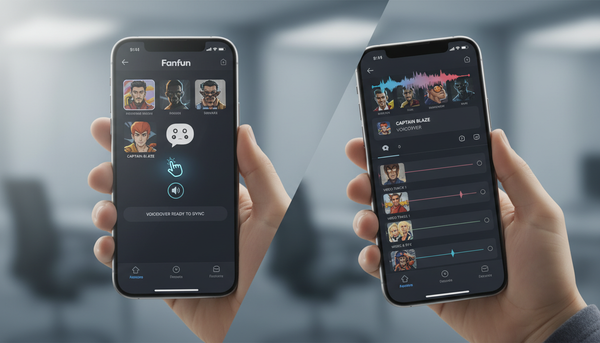
This is where the concept of the 'digital persona' gains its true utility. By moving from a one-way broadcast model to a two-way interactive model, we allow the audience to ask questions, explore the nuances of the legal struggle, and understand the internal philosophy of the survivor. Fanfun exists at the intersection of this evolution, providing the infrastructure for creators to build these bridges. Whether you are crafting an educational series or a long-form tribute, the platform allows you to transform abstract history into a living, breathing dialogue that invites the user to participate in the learning process.
From Passive Viewing to Active Engagement
Traditional media often keeps the audience at arm's length, presenting a narrative that is finalized and unchangeable. Fanfun changes this dynamic by offering a platform where the interaction is the point. Instead of simply watching a documentary on a screen, users can engage with personas that represent the spirit of these narratives, creating a dialogue that feels immediate and human. This is not about replacing the original voice; it is about creating a digital extension that allows for a deeper, more granular engagement with the themes of justice, perseverance, and legal reform.
Interactive platforms allow for a depth of engagement that traditional video cannot replicate. By enabling users to ask questions, explore perspectives, and interact with the nuances of a story, we move into a space of active learning. This is where digital storytelling becomes a tool for advocacy, allowing the audience to feel the weight of an experience by participating in a structured, persona-based dialogue that maintains the integrity of the original story. Think of it as moving from reading a book about a person to having a curated, guided conversation with the themes they represent. This active participation fosters a sense of empathy that passive consumption rarely achieves.
The Anatomy of a Powerful Digital Persona
To build a digital presence that honors a real-life narrative, one must focus on more than just visual or auditory accuracy. It is about the 'AI interpretation'—the ability to capture the tone, cadence, and philosophical outlook of an individual. We see this successful application in established icons where the digital persona serves to extend the reach of their core values.
For instance, interacting with the Dwayne Johnson Ai provides a window into how high-profile personas set the standard for digital engagement by maintaining a consistent, recognizable energy. Similarly, exploring the Kobe Bean Bryant persona highlights the profound depth of connection fans maintain with legacy-driven figures. These examples demonstrate that when technology is used with intent, it doesn't replace the human element; it provides a new, accessible way to keep their stories and lessons alive for future generations. Even in entertainment, the principles remain the same: whether it is the specific wit of the Spongebob Squarepants persona or the commanding presence of Shaq, the goal is to create a digital avatar that feels like an extension of the real entity. By studying these interactions, creators can learn how to balance personality with information, ensuring their content feels both authentic and engaging.
The Creative Potential for Advocacy
Using digital personas for advocacy-based storytelling allows creators to highlight systemic issues without losing the human face of the narrative. It turns a lecture into a conversation, making complex legal or social topics accessible to a wider demographic who might otherwise bypass a traditional long-form article. By utilizing tools like Sydney Sweeney or the iconic Mickey Mouse, creators can experiment with tone and delivery, learning how to hook an audience before diving into the heavier, more substantive aspects of their work. This strategy of 'hook, then educate' is essential for modern advocacy.
Building Your Own Narrative Blueprint
If you are looking to honor a story through digital media, the process must be deliberate. You need a framework that prioritizes substance over spectacle. When analyzing how to structure your content, consider the following checklist to ensure your approach remains people-first:

- Define the Intent: Is the goal to educate, to commemorate, or to challenge the status quo?
- Choose the Medium: Does the story require the visual weight of a video or the back-and-forth interactivity of a chat?
- Maintain Ethical Standards: Ensure the persona reflects the authentic values and voice of the individual involved.
- Engage, Don't Exploit: Use the technology to facilitate a deeper understanding, not to create sensationalism.
By observing how users interact with a well-defined persona, you can learn how to balance personality with information, ensuring your content feels both authentic and engaging. The technology is merely the engine; the narrative substance is the fuel. If you fail to respect the complexity of the story, no amount of AI sophistication will save the project. True advocacy requires a commitment to the person behind the story, ensuring that every digital interaction serves to elevate their truth rather than distort it.
The Future of Fandom and Advocacy
The future of digital storytelling is defined by accessibility. It is no longer enough to have a powerful story; you must have the tools to share it effectively. Fanfun plays a critical role here by democratizing the ability to create high-quality, interactive experiences that were previously the domain of large production houses. We are moving toward a world where every creator has the power to build a digital ecosystem around their message. This shift empowers individuals to take control of their own narratives and share them with the world in ways that were previously unimaginable.
By leveraging these tools, we can ensure that stories of resilience, like that of Derek Hamilton, continue to resonate in the digital age. The goal of this evolution is not to replace the human storyteller, but to provide a platform where their message can reach, impact, and inspire a global audience in real-time. As we continue to refine how we interact with technology, our focus must remain on the human heart of the story, ensuring that every digital interaction serves to elevate the truth. Whether you are building a tribute to a civil rights hero or an interactive archive for a cultural icon, the tools are ready—the question is how you will use them to shape the next chapter of digital history. The intersection of empathy and technology is where the most powerful stories of the future will be told.
How can digital personas be used for storytelling?
Digital personas allow for interactive, narrative-driven experiences where users can engage with the values, history, and perspective of an individual, turning passive consumption into an active, two-way dialogue.
Is AI technology appropriate for serious, real-life narratives?
Yes, when used ethically. AI technology can act as a powerful tool for accessibility, allowing complex and important stories to reach new audiences who may not engage with traditional, static formats.
What makes a digital persona feel authentic?
Authenticity in a digital persona comes from a focus on 'AI interpretation'—capturing the specific tone, cadence, and ethos of the individual rather than just attempting a superficial mimicry.
How does Fanfun differ from traditional celebrity video platforms?
Unlike traditional platforms that focus on one-way, passive video clips, Fanfun enables two-way, interactive conversations and provides creative freedom for users to generate content like roasts, memes, and educational promos instantly.