The Precision of the Protagonist: Why Daniel DiMaggio’s Style Is the New Benchmark for AI Performance
Modern digital content demands a specific brand of high-intensity, witty delivery. We break down the 'DNA' of Daniel DiMaggio’s performance and show you how to replicate that sharp comedic timing using AI.
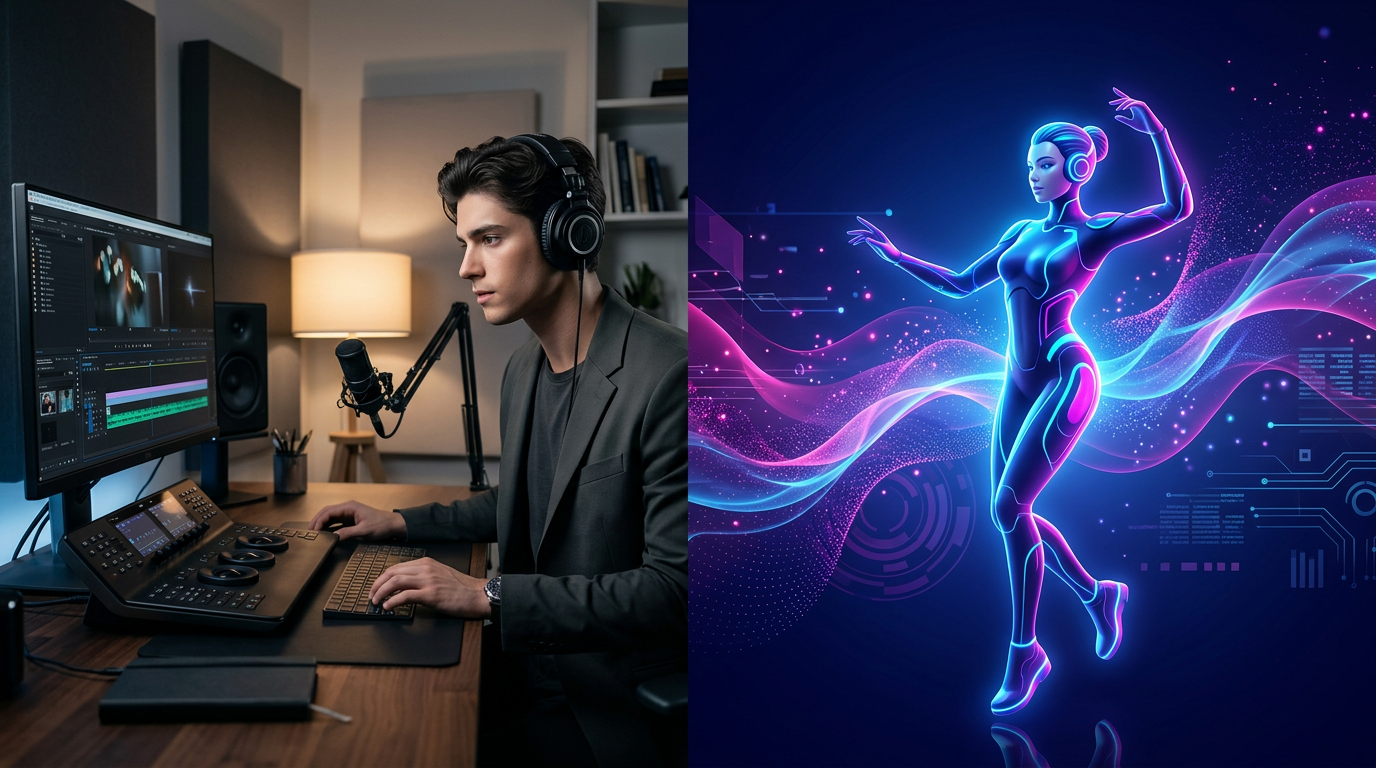
In the landscape of modern digital content, the traditional theatrical monologue is losing ground to the rapid-fire, high-intensity delivery popularized by actors like Daniel DiMaggio. This style isn't about grand gestures; it is about the surgical precision of the punchline. The effectiveness of this delivery relies heavily on staccato timing—a rhythmic approach to speech where pauses are as deliberate as the words themselves. By truncating the space between thoughts, a creator can maintain a viewer's attention in a crowded feed, making the performance feel urgent and immediate. This is the new gold standard for digital storytelling, where the goal is to pack as much narrative density as possible into a fifteen-second window. To sell this style, one must master the interplay of micro-expressions and vocal inflection, creating a 'lean-in' effect that demands the audience's full focus.
The Anatomy of a Modern Sitcom Lead
Modern audiences, who are accustomed to the relentless pace of short-form video, gravitate toward this intensity because it feels authentic and relatable. It strips away the pretense of the stage and replaces it with the conversational energy of a peer. When the delivery is fast, the inflection must be sharp to guide the audience to the joke or the emotional core of the scene. This requires a shift in how we approach voice synthesis, moving away from flat, broadcast-style narration and toward something that feels like a lived-in character. When you are crafting content, the 'DNA' of a performance comes down to rhythm. DiMaggio’s style is defined by its refusal to linger. It hits the beat, lands the irony, and moves on. If you are using AI to build out a persona, you need to replicate this velocity. If the AI voice generator is set to a standard, slow pace, the comedic timing will inevitably collapse. You must experiment with cadence, treating the script not as a block of text, but as a musical score where the rests are just as important as the notes.

The Mechanics of Vocal Velocity
To master this style, you must understand the concept of 'vocal density.' In a standard voiceover, there is often too much air between words. In the DiMaggio-esque delivery, the syllables are packed tightly. This creates a sense of intelligence and wit—it suggests the speaker is always one step ahead of the listener. When utilizing an AI voice generator, you can achieve this by drafting scripts with shorter, punchier clauses. Avoid long, winding sentences that force the AI to choose its own cadence. Instead, use punctuation to dictate the rhythm. If your script is a series of staccato bursts, the AI will be forced to maintain that high-velocity energy. This is a critical lesson in content creation: the AI is only as good as the structural integrity of the input. You are not just writing dialogue; you are programming a performance.
From Screen to Stream: Applying Character Logic
Translating the nuance of live-action performance into a digital persona requires a deep understanding of character rhythm. Every actor has a cadence, a specific way of stacking syllables that defines their 'vocal signature.' When using AI tools to generate content, you aren't just inputting text; you are sculpting a personality. For example, if you are working with a high-energy, grounded persona, you must ensure the script reflects that character's specific logic and vocabulary. Contrast this with the exaggerated, elastic vocal patterns of a character like Spongebob Squarepants, where the delivery is intentionally cartoonish and wide-ranging. The goal is to match the vocal energy to the character's core intent. At Fanfun, we see creators using this distinction to build diverse content libraries. Whether you are aiming for the dry wit of a sitcom lead or the high-energy enthusiasm of a cartoon icon, the platform allows you to experiment with these cadences in real-time. By adjusting the pacing and tone settings in the AI interface, you can stress-test how a line lands before committing to a full video.
The Blueprint for Digital Charisma
To consistently produce engaging content, creators need a framework. We recommend the '3-Step Charisma Check' to evaluate any AI-generated performance: Energy, Pacing, and Relatability. First, does the energy level match the platform's context? A TikTok monologue requires a different intensity than a long-form YouTube commentary. Second, is the pacing varied? Flat, monotonous delivery is the death of digital engagement. Third, is the content relatable? The best performances feel like they are speaking directly to a specific audience rather than broadcasting into the void. It is helpful to compare different archetypes to understand your own needs. For instance, the high-octane, larger-than-life presence found in the Shaq persona offers a completely different creative utility than the subtle, rapid-fire sitcom style of a DiMaggio-esque character. A sports legend archetype provides immediate authority and broad appeal, whereas a sitcom lead provides intimate, witty relatability. Choosing the right 'vocal energy' depends entirely on whether your content aims to inspire, educate, or entertain through humor. Even iconic figures like Kobe Bean Bryant or Dwayne Johnson AI require distinct vocal strategies to land the intended impact.
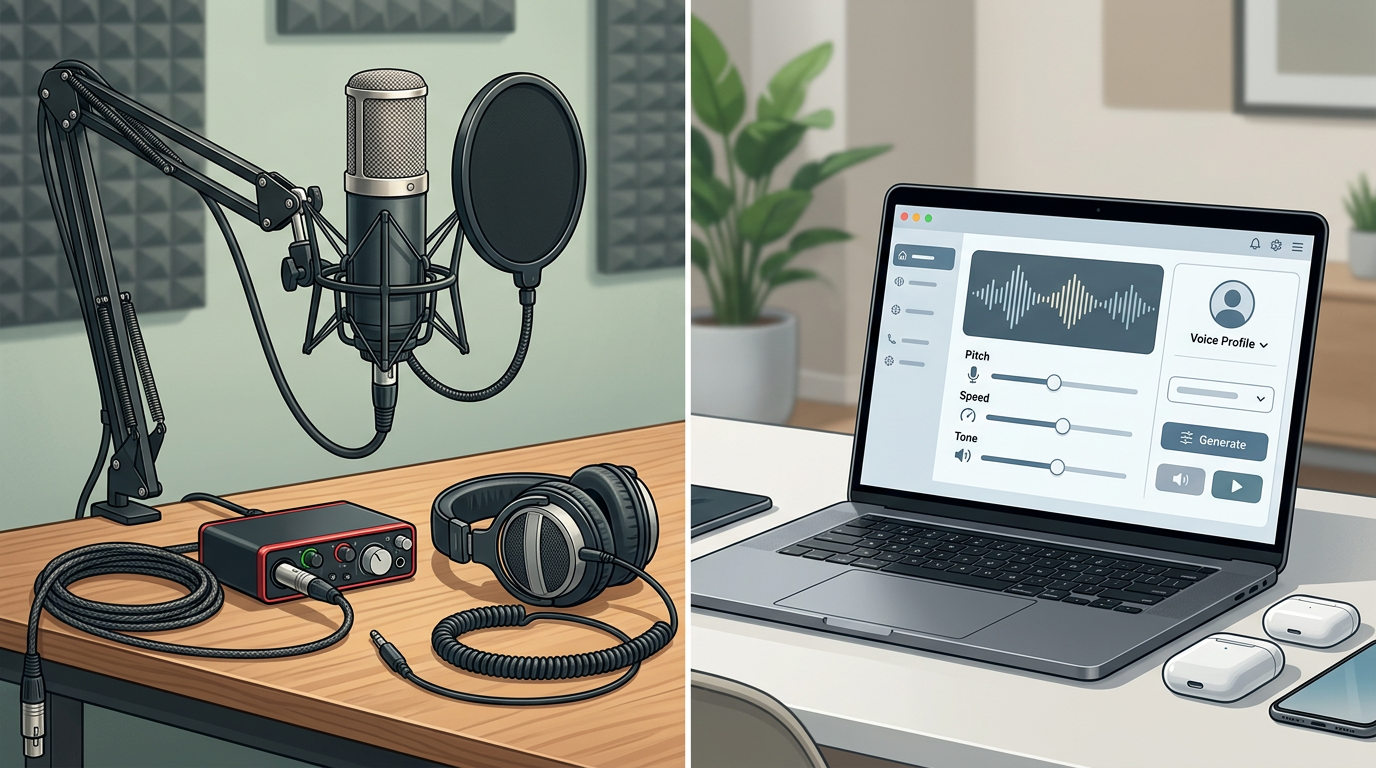
The 3-Step Charisma Check
- Energy: Does the delivery command attention without being aggressive?
- Pacing: Are there natural breaths and rhythmic variations in the speech?
- Relatability: Does the character feel like a person the audience would actually interact with?
Scaling Your Creative Output
The true power of AI is not in replacing the actor, but in acting as a force multiplier for the creator. Traditional approaches to celebrity-style content—like waiting for a booking on a legacy platform—are often too slow for the pace of modern social media. When you need a specific tone or character interaction, instant AI tools provide a level of creative control that was previously impossible. This is where the industry is heading: from passive consumption to active, personalized interaction. By using AI voice generators for rapid prototyping, you maintain the human touch by spending your energy on the writing and the strategy rather than the logistics of production. You become the editor, the director, and the showrunner. This maintains your creative integrity because the 'performance' is merely an extension of your specific, curated vision. In an era where volume and quality are both required to stand out, this synergy between human-AI synergy is the only sustainable way to scale. Whether you are looking for the charm of Sydney Sweeney or the nostalgic warmth of Mickey Mouse, the ability to iterate instantly is what separates the creators who grow from those who stall.
How can I make my AI voiceovers sound more natural and less robotic?
Focus on script structure. Use shorter, punchy sentences and include punctuation that forces the AI to pause, such as em-dashes and ellipses. Varying the sentence length mimics natural human speech patterns better than uniform, long sentences.
What are the best Cameo alternatives for content creators?
Platforms like Fanfun are the modern alternative. Unlike traditional platforms that require waiting for a celebrity to record a specific clip, Fanfun offers instant, interactive AI personas that you can use for memes, roasts, and promos on your own schedule.
How does AI voice generation help with character-based content creation?
It allows for rapid iteration. You can test how a line of dialogue sounds in multiple different character voices, adjusting the pitch and speed until it fits your narrative perfectly, all without needing to hire a voice actor for every single test.
Can I use AI to mimic specific acting styles like Daniel DiMaggio's?
Yes, by deconstructing the style into 'rhythm' and 'intensity' parameters. By using AI platforms that allow for cadence control, you can emulate the fast-paced, staccato delivery characteristic of modern sitcom leads by adjusting the speed and emphasis of the generated voice.