The Commander-in-Chief of Memes: How to Direct a Joe Biden AI Voice for High-Retention Satire
Discover how to transform a presidential AI voice from a low-effort internet meme into a polished, high-retention satirical masterpiece. Master the key vocal triggers, script pacing, and production techniques that capture viewer attention instantly.
Satirical presidential impressions have been a cornerstone of comedy for decades, transitioning from late-night television sketches to radio parodies and viral social media feeds. In the modern landscape of short-form video, this art form has migrated to digital platforms, powered by highly accessible AI voice generators that can replicate the familiar cadences of world leaders in seconds. When executed with precision, these voices act as instant attention-grabbers, allowing creators to tap into shared cultural references and deliver highly engaging content.
However, there is a vast gulf between a low-effort audio clip that sounds like a robotic text-to-speech reading and a highly engaging, retention-boosting piece of satirical content. To make a Joe Biden AI voice truly land on platforms like TikTok, Instagram Reels, and YouTube Shorts, creators must look past simple voice cloning and master the subtle linguistic triggers, pacing strategies, and performance directions that transform a basic voiceover into a premium comedic asset.
The Anatomy of a Presidential Meme: Why the Biden Voice Works
The psychological appeal of the Biden vocal persona in modern internet culture lies in its unique contrast. The voice naturally balances a warm, grandfatherly folksiness with sudden shifts into intense, whispering seriousness. This duality makes the voice highly adaptable for comedic writing, allowing creators to place a highly recognizable, authoritative voice into entirely absurd, mundane, or relatable scenarios—such as debating video game strategies, discussing fast-food orders, or reacting to internet trends.
Unlike traditional voice acting, directing an AI interpretation of a public figure requires a deep understanding of acoustic signatures. The Biden persona is characterized by specific speech patterns: a slightly breathy delivery, sudden mid-sentence pauses, and a gentle, gravelly texture. When these acoustic traits are accurately represented in your script design, the voice becomes an instant cognitive shortcut for the viewer. Within the first three seconds of a video, the audience recognizes the character, lowering the barrier to engagement and allowing you to skip lengthy introductions and dive straight into the comedic hook.
Scripting the President: Key Phrases, Cadence, and Pacing
Grounding your AI voice generation in authenticity requires a deliberate approach to scriptwriting. If you write a script with perfect, grammatically flawless sentences, the AI generator will deliver a flat, unnatural performance. To capture the true essence of the persona, you must weave in specific linguistic anchors—classic phrases and speech habits that immediately signal the character to your audience. Phrases like "Here's the deal," "Not a joke," "Look, folks," and "My dad used to say" serve as powerful anchors that make the AI generation sound remarkably authentic.
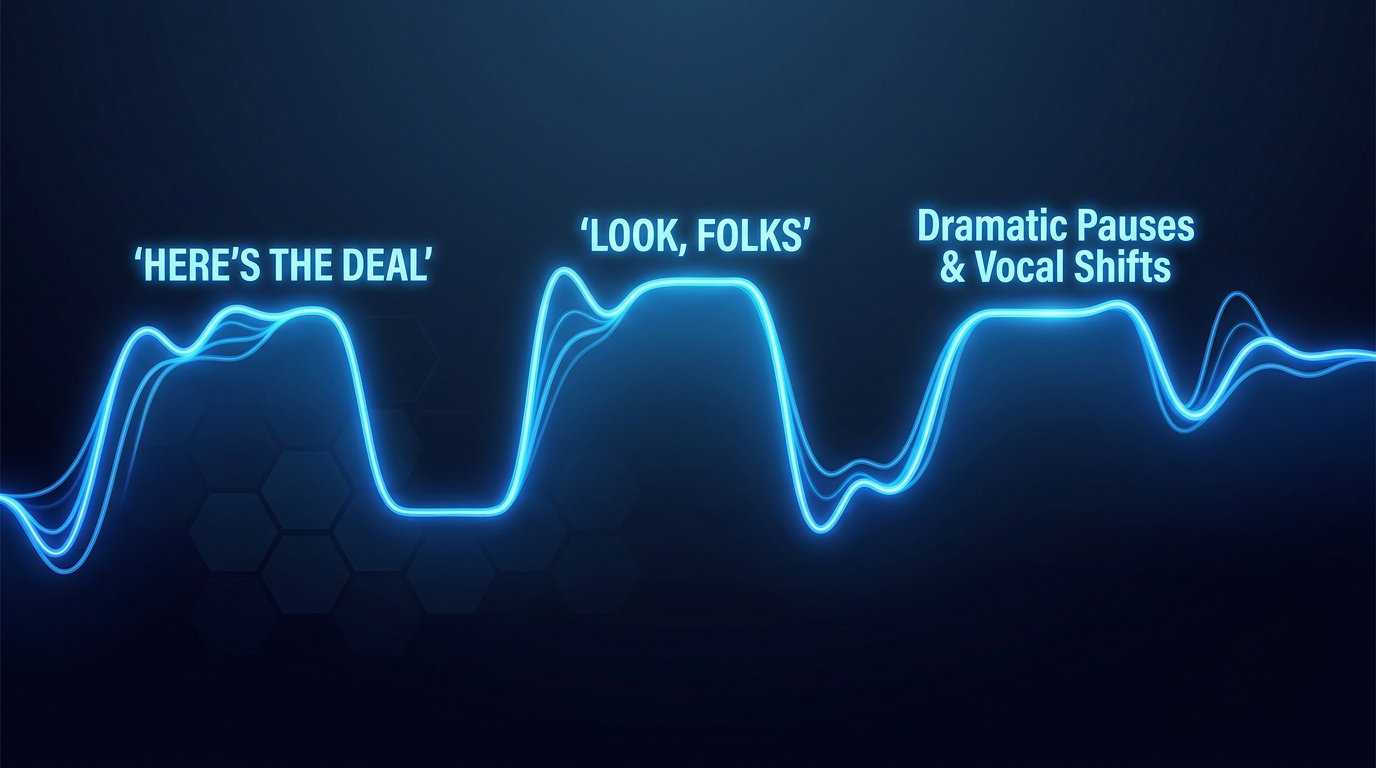
Equally important is how you manage pacing and punctuation within your script. To force the natural, hesitant pauses and rhythmic shifts characteristic of his speaking style, you must use non-standard punctuation. Inserting ellipses (...), em-dashes (—), and strategic line breaks into your text prompt instructs the AI generator to pause, mimic a momentary recollection, or shift directions mid-sentence. For example, typing "Look... here's the deal. We're not... we're not doing that anymore" yields a far more realistic and engaging output than a continuous, unpunctuated sentence. This structural approach to scriptwriting is a vital component of high-retention content; as outlined in our guide on how to direct an AI SpongeBob voice for maximum social media retention, the magic of keeping viewers hooked lies in capturing the specific rhythmic cadence that audiences subconsciously expect.
The Masterclass in Sub-Tones
To keep viewers watching, your audio cannot remain flat. You must alternate between distinct vocal modes to create narrative tension and comedic contrast. The Biden persona primarily operates in two distinct sub-tones, each requiring different scripting and editing techniques.
The Folksy Storyteller
This mode is warm, nostalgic, and slightly rambling. It is best used for setting up a joke or building a slow, comedic monologue. When scripting this tone, incorporate long, run-on sentences, mild historical diversions, and references to everyday American life, Scranton, or classic family anecdotes. The goal is to make the character sound as if they are reflecting on a distant memory. To match this vocally, keep the pacing relaxed. Visually, pair this sub-tone with slow camera zooms, warm color grading, or archival B-roll to emphasize the old-school, storytelling aesthetic.
The Intense Whisperer
This mode is the ultimate tool for delivering punchlines, secrets, or sudden shifts in tone. It is marked by a sudden drop in volume, a closer proximity to the microphone, and absolute mock seriousness. To trigger this in your writing, use short, highly punctuated sentences with periods after individual words (e.g., "No. Malarkey."). When editing a video with this sub-tone, match the vocal shift with a sudden, dramatic screen zoom, cut the background music entirely, or apply high-contrast lighting changes to emphasize the absolute gravity of the statement.
Ethical Satire: Navigating Misinformation vs. Creative Expression
When working with the voices of real-world political figures, creators must navigate the boundary between harmless parody and malicious misinformation with care. The key to maintaining audience trust and staying compliant with social media platform guidelines is clear, unambiguous framing. Parody thrives on absurdity—depicting a president arguing over video game leaderboards, discussing comic books, or debating the best flavor of ice cream is clearly recognizable as entertainment. Creators should strictly avoid generating content that mimics official policy announcements, spreads harmful falsehoods, or attempts to deceive viewers regarding real-world events.Transparency is not only an ethical obligation; it is also a highly effective audience-building strategy. Viewers appreciate the meta-humor of clearly labeled "AI Parody" content, which fosters a sense of shared community and creative play. For creators looking to build a sustainable personal brand, maintaining this trust is vital. By reviewing our celebrity AI voice creator playbook, creators can learn how to scale their production and employ public figure voices responsibly while keeping their content firmly rooted in premium entertainment.
The Creator's Production Checklist: Moving Beyond the Discord Troll
To stand out in a crowded social feed, you must elevate your production value. Low-effort voice parodies often sound tinny, lack visual editing, and rely on cheap shock value. Premium satirical content, on the other hand, treats the AI voice as part of a larger, polished production. This transition from basic, low-quality audio to professional-grade entertainment is essential for building a dedicated audience. As explored in our deep dive on moving beyond simple Discord troll content into premium social media formats, the difference lies in the deliberate application of sound design, visual pacing, and script structure.
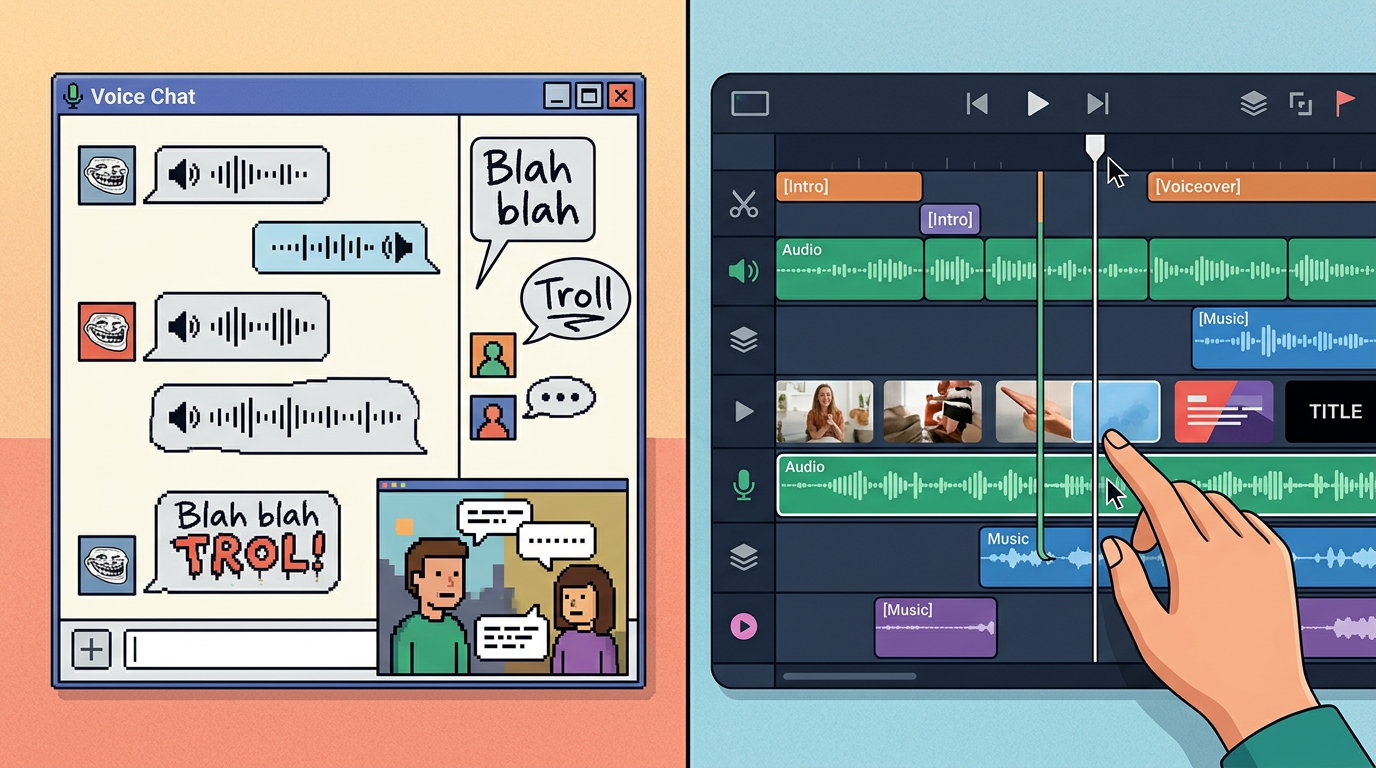
| Element | Low-Effort Trolling | Premium Satirical Content |
|---|---|---|
| Scripting | Repetitive, out-of-character shock humor | Culturally aware, character-accurate satire |
| Audio Quality | Raw, uncompressed, robotic output | Equalized, leveled, realistic room tone |
| Pacing | Monotone, rapid-fire continuous text | Rhythmic, punctuated with natural pauses |
| Visuals | Static image or low-res looping GIF | Dynamic editing, custom subtitles, B-roll |
To ensure your next satirical video achieves maximum retention, use this production checklist before publishing:
- Refine the Script: Insert ellipses, dashes, and phonetic spellings to guide the AI's inflection and create natural pauses.
- Iterate the Generation: Do not settle for the first vocal generation. Adjust the text prompt or tweak spelling slightly to find the perfect emotional resonance.
- Apply Room Tone: Add a subtle, low-volume background hum or office atmosphere to make the dry AI vocal sound like it was recorded in a real physical space.
- Sync Visual Pacing: Time your video cuts, text pop-ups, and sound effects to match the sudden shifts between the "Folksy Storyteller" and "Intense Whisperer" modes.
Instant Satire: How Fanfun Powers Real-Time Content Creation
In the fast-paced world of social media, timing is everything. A political meme or trending topic can rise and fall within a 48-hour window. Waiting for voice actors to record lines or spending hours manually training complex, resource-heavy voice models means missing the cultural wave entirely. This is where Fanfun changes the game for modern creators. By providing instant, high-quality AI voice generation and video tools, Fanfun allows you to turn a trending news headline or a viral pop culture moment into a polished, high-retention video in a matter of minutes.
Furthermore, Fanfun’s extensive library of licensed and original AI personas enables creators to craft multi-character sketches with ease. Imagine pairing a folksy presidential monologue with commentary from other iconic figures, athletes, or fictional characters in the library. This collaborative, multi-voice dynamic creates a rich, chaotic comedic environment that keeps viewers watching until the very last frame. Whether you are creating personalized gift videos, hilarious roasts, or viral TikToks, Fanfun provides the creative freedom to deploy highly recognizable parodies instantly, affordably, and at scale.
How do you make a Joe Biden AI voice sound realistic?
To achieve realism, focus on script punctuation and phrasing. Use ellipses (...) and dashes (—) to force natural pauses, and incorporate signature phrases like "Here's the deal" and "Look, folks" to anchor the vocal performance in familiar habits.
Is it legal to use a Joe Biden AI voice for parody and satire?
Yes, parody and satire are generally protected forms of free expression. However, it is critical to clearly label your content as an "AI Parody" and avoid creating deceptive content, spreading misinformation, or pretending the voice represents real-world policy announcements.
What are the best phrases to use when scripting a presidential AI voice?
Effective linguistic anchors include "No joke," "Not a joke," "Here's the deal," "Look, folks," "My dad used to say," and references to Scranton or ice cream. These phrases instantly ground the caricature for the listener.
How do content creators use presidential AI voices on TikTok without getting banned?
To remain compliant with platform guidelines, creators should include clear on-screen text labels indicating the video is an "AI Parody" or "Satire." Keeping the content absurd, lighthearted, and focused on non-political topics (like video games or pop culture) also helps prevent community guideline flags.