Beyond the Robot Narrator: How to Select Voiceover Generation Tools That Actually Hold an Audience's Attention
The era of the flat, automated TikTok narrator is dead. To win the battle for viewer retention, creators must transition from basic text-to-speech utilities to dynamic, character-driven voiceover platforms that evoke immediate emotional reactions.
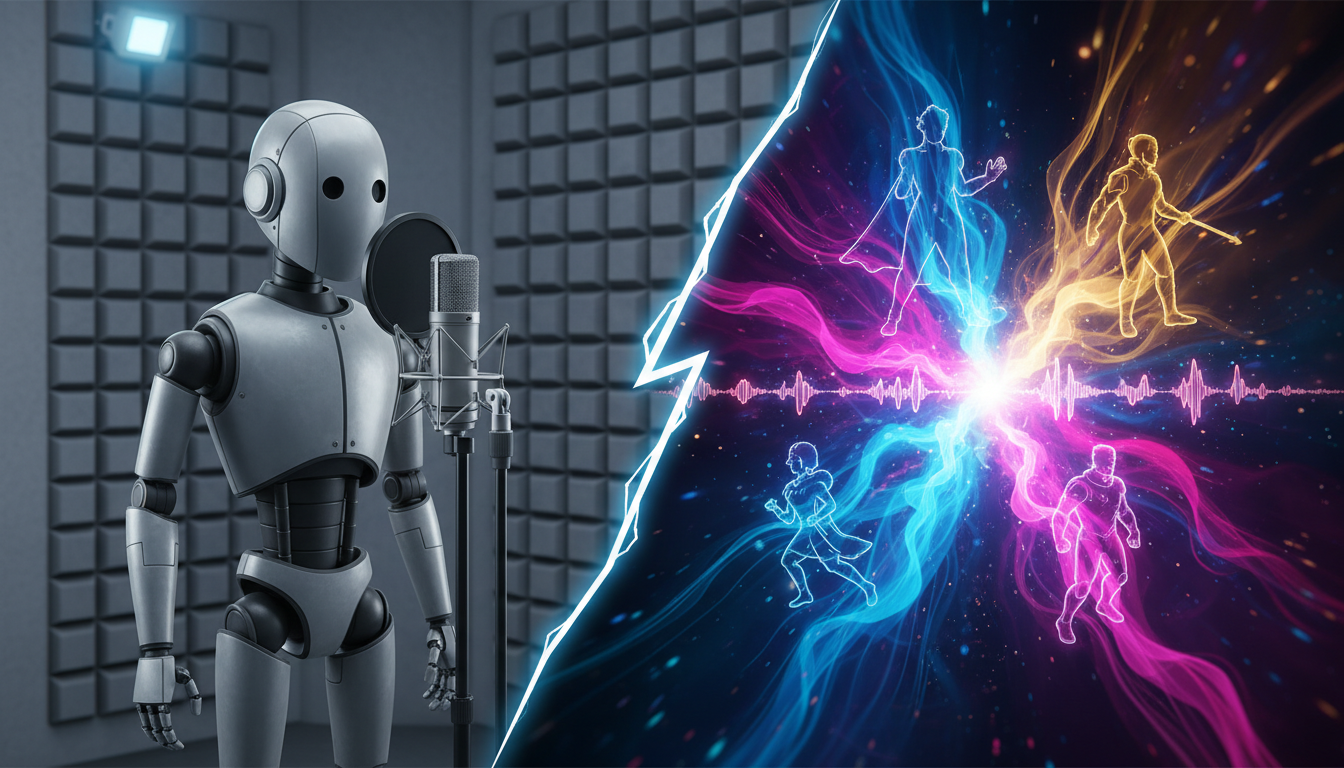
The battle for viewer retention is won or lost in the first three seconds of a video, and nothing kills watch time faster than a generic, robotic voiceover. Audiences have developed a deep psychological immunity to the clinical, sterile text-to-speech narrators that currently dominate low-effort social feeds.
To keep viewers from swiping away, modern creators are shifting toward highly expressive, character-driven audio that commands attention. By selecting the right voiceover generation tools, you can transform passive scrolling into active engagement, building a recognizable brand identity through sound.
The Death of the 'TikTok Robot' Voice (and Why Retention Demands Personality)
The era of the flat, automated TikTok narrator is dead. If you are still using the same default text-to-speech voice that narrates ten thousand other videos on your feed, you are actively training your audience to swipe away. Audiences associate those overly cheerful, synthesized corporate narrators with low-effort dropshipping ads or scraped Reddit threads.
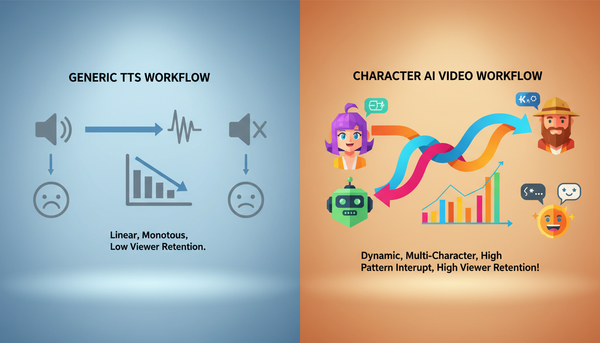
Retention rates drop significantly when viewers recognize a sterile, corporate-sounding AI voice within the first three seconds. Modern video editing trends favor raw, expressive, and highly stylistic audio over clinical perfection. This shift explains how modern creators are trading sterile perfection for raw personality in their content strategies. To win the battle for viewer retention, creators must transition from basic text-to-speech utilities to dynamic, character-driven voiceover platforms that evoke immediate emotional reactions.
The Three Tiers of Voiceover Generation Tools
Not all AI voice generators are built for the same purpose. To make an informed decision, you need to understand where a tool sits on the spectrum of expression, utility, and cost. Choosing the wrong tier can leave your videos sounding like a corporate compliance training video instead of a high-energy piece of social media entertainment. If you want to dive deeper into this selection process, check out our guide on directing digital voiceover tools for high-retention edits.
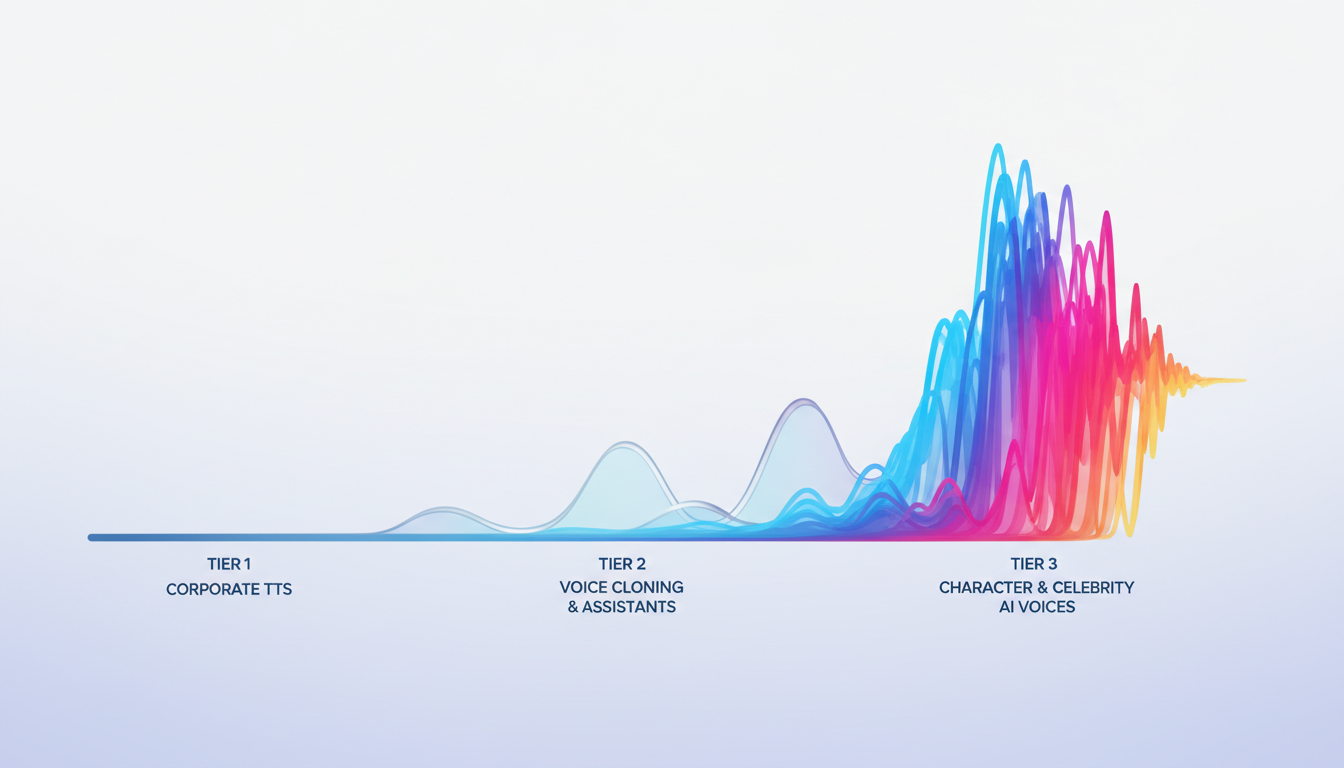
Understanding these tiers allows you to allocate your budget and creative energy where they will actually impact your watch time. Let's break down the three tiers of voiceover generation tools currently available to creators:
- Tier 1: Corporate & Explainer TTS: Best for internal training videos, worst for social media retention.
- Tier 2: Realistic Voice Clones: Great for standard narration, but often lack the dramatic range needed for high-impact entertainment.
- Tier 3: Character & Celebrity AI Voices: The ultimate engagement drivers for memes, parodies, and fan content, where platforms like Fanfun allow creators to instantly generate highly expressive character voices.
Tier 1: Corporate & Explainer TTS (The Monotones)
Typically bundled free with video editors or low-cost subscription suites, Tier 1 tools represent the baseline of text-to-speech technology. While they have improved from the completely robotic bleeps of the early 2000s, they remain highly recognizable and easily ignored by audiences. They are engineered for clarity and legibility, not emotional resonance.
Why Free Tools Cost You Watch Time
The fundamental issue with Tier 1 tools is their complete lack of emotional range. They cannot convey sarcasm, excitement, or comedic timing. If your script relies on a punchline, a dramatic pause, or a subtle shift in tone, a basic TTS engine will flatten it into a single, continuous drone. This immediately signals to the viewer that the video is automated, impersonal, and likely not worth their time.
Tier 2: Realistic Voice Clones (The Professional Dupes)
Tier 2 tools focus on realism and human-like cadence. These platforms analyze hours of clean source audio to build a digital voice model that replicates the breaths, pauses, and speech patterns of a specific speaker. They are highly effective for reading long-form audiobooks, documentary scripts, or professional presentations.
However, realistic does not always mean engaging. While a Tier 2 clone can sound remarkably human, it often lacks the spontaneous energy and dramatic exaggeration required to survive short-form video algorithms. They are designed to be smooth and unobtrusive, which is the exact opposite of what you need when trying to stop a user who is aggressively scrolling through their feed.
Tier 3: Character & Celebrity AI Voices (The Attention Grabbers)
If you want to maximize retention, you need an instant psychological hook. Tier 3 tools leverage cultural familiarity by using recognizable character voices. When a viewer scrolls past a video and hears a beloved cartoon protagonist, a legendary sports coach, or an iconic movie villain speaking directly to them, their brain instantly registers the novelty.
This is where Fanfun shines. Fanfun's library of AI voices enables creators to generate dialogue that sounds like cultural icons, making it the perfect tool for satirical edits, parodies, and interactive fan content. This shift highlights why AI voice tools are the new frontier for fan content, allowing creators to tap into pre-existing emotional connections. Whether you are using satirical character voices like Squidward AI to hook viewers or building a custom meme format, Tier 3 voices bypass the standard viewer filters by delivering immediate entertainment value.
A Creator’s Framework: Matching Voice Style to Your Content Format
Choosing the wrong voice style can completely ruin the tone of an otherwise well-edited video. A high-energy gaming meme will fall flat with a clinical documentary voice, while a serious video essay will lose credibility if narrated by an over-the-top cartoon character. Use this framework to align your audio style with your content goals:
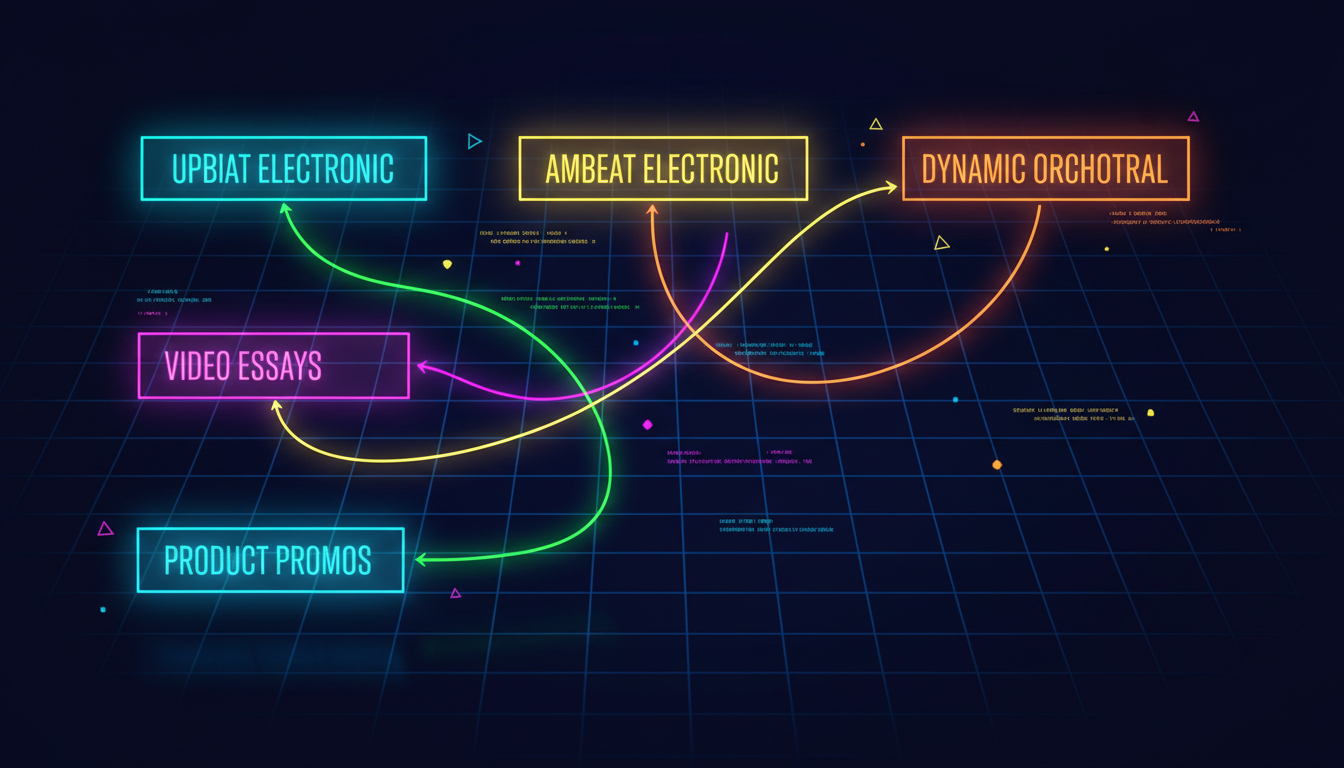
| Content Niche | Target Audience Expectation | Ideal Voice Tier | Recommended Approach |
|---|---|---|---|
| Faceless Cash Cow / Info-tainment | Clarity, steady pacing, authoritative delivery | Tier 2: Realistic Clones | Use deep, warm, professional tones with minimal digital artifacts. |
| Satirical Memes & Parodies | Humor, cultural relevance, shock value | Tier 3: Character & Celebrity | Leverage highly recognizable, expressive character voices to deliver absurd or comedic scripts. |
| Video Essays & Documentaries | Intellectual depth, cinematic storytelling | Tier 2: Realistic Clones | Select highly expressive, slower-paced voices that can handle dramatic pauses and complex vocabulary. |
| Fan Edits & Community Content | Fandom connection, inside jokes, high energy | Tier 3: Character & Celebrity | Use character voices to narrate custom story scenarios, alternative endings, or community memes. |
How to Direct AI Voices for Maximum Emotional Impact
Even the best voice generator requires direction. If you simply copy and paste your script into an editor and hit export, you are leaving retention on the table. To make an AI voiceover sound natural, urgent, and human, you must learn how to manipulate the generator's text engine.
First, use phonetic spelling and creative punctuation to force the generator to pause or emphasize specific words. For example, writing "no... really..." instead of "no really" forces a dramatic pause. Capitalizing words or using exclamation points can trigger the AI to increase its volume or pitch. Second, focus on the audio environment. By learning how to design custom character audio tracks for high-impact video edits, you can layer background music, sound effects, and ambient noise to mask any minor digital artifacts in the voice generation, creating a seamless and immersive sensory experience.
Navigating the Ethics and Longevity of AI Voiceover Content
As AI audio tools become mainstream, platforms like YouTube, TikTok, and Instagram are updating their monetization guidelines. Standard, low-effort slideshows paired with generic text-to-speech are increasingly being flagged as repetitive or low-quality content. To build a sustainable, monetizable channel, your use of AI voiceovers must be highly creative, transformative, and edited into a larger artistic vision.
This is why creators are moving toward interactive AI content over volatile real-world figures. Using stable, reliable, and ethically structured character libraries—like those curated on Fanfun—allows you to build a consistent brand without the legal or reputational risks associated with unvetted voice cloning sites. By prioritizing high-personality, transformative audio, you don't just survive algorithm updates—you build a loyal audience that keeps coming back for the character of your content.
Will using AI voiceovers get my YouTube channel demonetized for repetitive content?
Only if you use them in low-effort, automated ways. YouTube's monetization policies target repetitive, low-value content like static slideshows with generic text-to-speech. If you use AI voices creatively as part of a highly edited, original, and transformative video (like a parody, meme, or detailed video essay), your channel remains fully eligible for monetization.
How do I make an AI voiceover sound less robotic and more expressive?
You can dramatically improve expressiveness by using creative punctuation. Use ellipses (...) for pauses, capitalize words for emphasis, and spell words phonetically if the generator mispronounces them. Additionally, layering background music and sound effects helps blend the voice into the edit and masks any minor digital artifacts.
What is the difference between text-to-speech and AI voice cloning?
Standard text-to-speech (TTS) uses pre-built, generic synthetic voices designed primarily for reading text clearly. AI voice cloning uses machine learning models trained on a specific person's voice recordings to replicate their unique tone, cadence, and vocal quirks, resulting in a much more realistic and recognizable output.
Are there ethical AI voice generators that don't steal from voice actors?
Yes. Responsible platforms like Fanfun focus on licensed, creative, and structured character integrations, providing a safe and ethical environment for creators. Avoiding shady, unvetted cloning sites ensures your content remains compliant with copyright standards and respects creative intellectual property.