Beyond the Echo Chamber: Why 'Parrot AI' Is Stunting Your Creative Growth
The 'parrot' approach to AI—where tools simply repeat text—is a creative dead end. True digital presence requires personality, context, and character-driven logic.

In the digital landscape, the temptation to automate is overwhelming. Many creators have fallen into the trap of 'parrot AI.' These are tools that function as little more than high-tech tape recorders: you provide the text, and they output a voice. While this might save a few minutes in a recording booth, it fundamentally lacks the 'soul' required to capture an audience's attention on social media. A simple voice clone doesn't understand the cadence, the attitude, or the underlying intent of a character; it just processes audio frequencies.
The shift toward persona-driven AI is the most significant evolution in modern content creation. Rather than treating AI as a static utility, top-tier creators are now treating it as a dynamic partner. When you move beyond simple mimicry, you open the door to content that feels lived-in and responsive. Audiences today are hypersensitive to artificiality; they can smell a generic voice-over from a mile away, but they gravitate toward AI that feels like a coherent, interactive personality.
The Trap of Mimicry
The core problem with the 'parrot' model is the absence of context. When you use a generic AI voice generator to read a script, the output is often flat, devoid of the emotional peaks and valleys that define human communication. This is a technical limitation disguised as a feature. A parrot doesn't know why it says what it says; it only knows the pattern of the sounds. In content creation, this results in a disconnect that audiences feel immediately. If your content lacks the 'why'—the underlying motivation of a character—it will never achieve the virality or community engagement you are chasing.
True digital presence requires a behavioral blueprint. When you work with a platform like Fanfun, you aren't just selecting a voice; you are selecting a persona. Whether you are aiming for the high-energy motivation of a Dwayne Johnson AI or the iconic, recognizable cadence of Spongebob Squarepants, the platform understands the character's internal logic. This isn't just about sounding like the character; it is about acting like them. This is the difference between a static clip and a performance that resonates with a fan base that has spent years studying these figures.
Why Logic Beats Raw Audio
Many creators spend hours tweaking audio frequencies, hoping to achieve 'perfect' realism. However, data suggests that audiences prioritize character consistency over acoustic perfection. If a character says something that feels 'out of pocket' or inconsistent with their established lore, the spell is broken. By utilizing AI that is grounded in specific character data, you ensure that the response logic matches the persona. This is essential for creators looking for reliable Shaq-style humor or the stoic, focused intensity of a Kobe Bean Bryant tribute. The logic layer is the differentiator that elevates your content from a novelty to a narrative.
Building Presence Through Character Logic
Presence is not just about the quality of the sound; it is about the consistency of the character. When you utilize an AI version of a cultural icon, you are looking for a behavioral blueprint. If you are producing content featuring a character, the AI shouldn't just sound like them—it should act like them. It needs to grasp the manic, optimistic, and distinct speech patterns that make the character recognizable.
This is the difference between AI as a recorder and AI as a performer. Fanfun’s interactive architecture is designed to bridge this gap, ensuring that the characters behave according to their established lore and tone. When a character responds with logic that aligns with their identity, the content transcends a simple meme and becomes a meaningful interaction. You aren't just echoing text; you are staging a performance that respects the audience's investment in that specific persona. Whether you are using the Sydney Sweeney persona for modern, relatable commentary or tapping into the nostalgic power of Mickey Mouse, the goal is to maintain the integrity of the character.
The Hierarchy of AI Interaction
To scale effectively, creators need to stop treating all AI tools as equals. Not every project requires the same level of complexity, but understanding where your tools sit on the hierarchy of interaction is vital for maintaining brand quality. We categorize this into three distinct tiers:
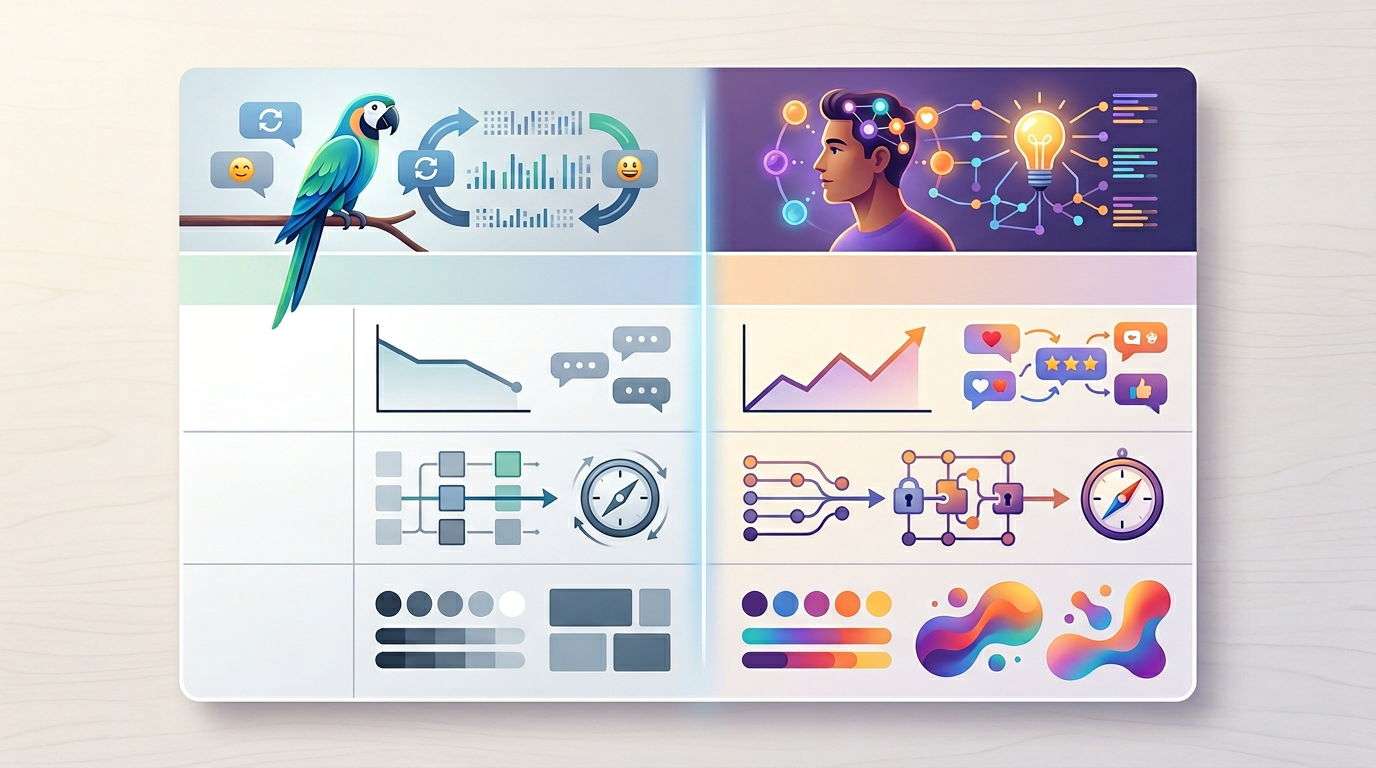
- Tier 1: Static Voice Clones: These are your standard 'parrot' tools. They provide zero context and no character logic. Engagement is typically low because the audience senses the lack of depth immediately.
- Tier 2: Scripted Persona Videos: These offer better production value and focus on specific character delivery. They are excellent for promos but remain one-way streets.
- Tier 3: Dynamic Interaction: This is the 'Fanfun level.' It involves two-way engagement, where the persona responds to prompts, participates in chats, and adapts to the user. This is where engagement metrics spike.
By moving away from static clips and into the realm of two-way, persona-based dialogue, you turn your content into a destination rather than a fleeting distraction. This is the difference between a passive viewer and an active participant in your brand's narrative. The goal is to build a community around the character, not just a folder of audio files.
The Psychology of the 'Persona-First' Workflow
Why do audiences care? Because modern fandom is built on parasocial relationships. When a fan interacts with a character, they are looking for a reflection of the traits they admire. A parrot AI fails this test because it is a mirror without a reflection; it repeats, but it doesn't acknowledge. By shifting your workflow to prioritize the persona's 'voice'—not just the acoustic pitch—you create a sense of intimacy that is impossible to fake.
Consider the difference between a simple birthday greeting and a personalized roast delivered by an AI that understands the nuances of a specific celebrity's style. The latter feels like an event. It feels like a moment of connection. When you use tools designed for this level of depth, you are participating in the modern creator economy, where the 'how' of your content delivery is just as important as the 'what.' Fanfun enables this by providing the necessary guardrails and personality frameworks that allow creators to focus on the narrative, while the AI manages the character's consistency.
Scaling Your Creative Output Without Sacrificing Soul
The beauty of persona-driven AI is the ability to scale without losing the human touch. When you have a reliable character engine, you can maintain consistency across hundreds of videos, ensuring that your brand voice remains sharp and recognizable. The key is to capitalize on the speed of instant delivery; by the time a topic is trending, your character-led content is already live and engaging with the conversation. Imagine being able to produce a series of reactions to a live sports event using the unique, high-energy cadence of a basketball legend—all within minutes of the final whistle.
Balancing automation with creative oversight is the final piece of the puzzle. Use AI to handle the heavy lifting of voice and persona generation, but retain your human judgment for the narrative arc and the emotional beat. When you treat AI as a collaborator rather than a shortcut, you stop being a parrot and start being a producer. Whether you are creating a birthday wish, a roast, or a viral promo, the focus should always be on the authenticity of the interaction. When the character feels real, the audience responds, and that is how you build a sustainable, high-growth content strategy in the modern era. Stop echoing, start performing, and watch your engagement metrics reflect the difference.
What is the difference between a voice clone and a character AI?
A voice clone simply mimics the acoustic properties of a speaker's voice. A character AI, like those found on Fanfun, incorporates the persona, speech patterns, and behavioral logic of the character, allowing for more authentic and context-aware interactions.
Can I use AI to create original content instead of just repeating text?
Absolutely. By using persona-driven AI, you can generate original scripts, interactive Q&As, and unique scenarios that feel like they are coming directly from the character, moving far beyond mere repetition.
Why is interactive AI better for content creation than simple parrot tools?
Interactive AI encourages two-way engagement, which is the gold standard for social media. It allows you to build narratives and respond to your audience in real-time, creating a deeper connection than a static, one-way video clip ever could.
How does Fanfun differ from basic AI voice generators?
Fanfun is built for creators who need more than just audio. We provide a full suite of interactive experiences—including video, voice, and chat—that are grounded in licensed and original character personas, making us a complete solution for high-substance content creation.