The Death of the Makeshift: Why Professional Creators Are Moving Beyond DIY AI
The era of uncanny, low-effort AI content is over. Professional creators are ditching generic tools for high-fidelity persona models that deliver consistent, nuanced, and brand-safe results.
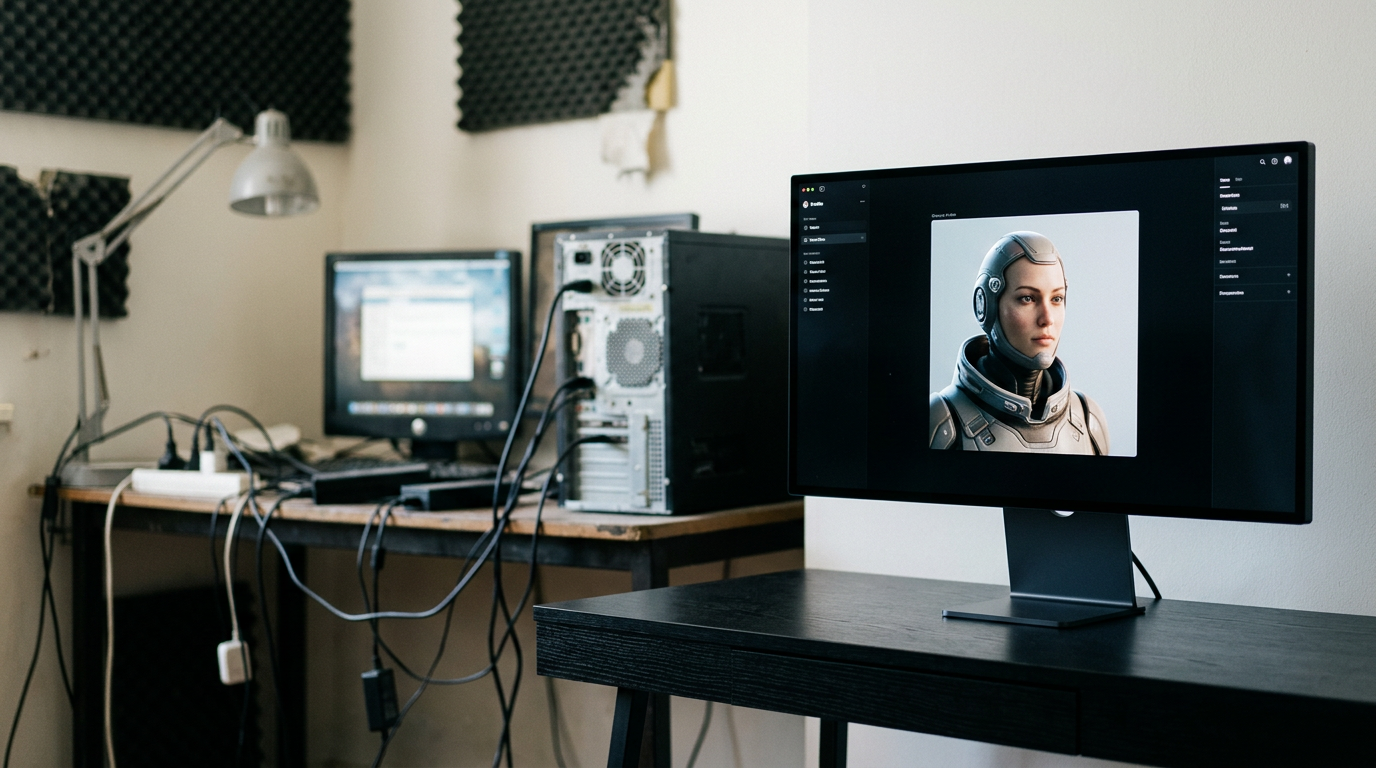
The creative landscape is currently undergoing a painful correction. For the past eighteen months, the internet has been flooded with "makeshift" AI—content that is technically impressive in its novelty but emotionally hollow in its execution. We have all seen the results: voices that float in the uncanny valley, robotic cadences that kill the timing of a joke, and generic models that fail to capture the specific energy of a known persona. When you rely on broad, general-purpose AI voice generators, you aren't just risking a lackluster output; you are actively degrading your brand's reputation with audiences who have become increasingly sophisticated at spotting low-effort, mass-produced digital noise.
The issue lies in the lack of depth. A general model is trained on a broad, flat dataset, meaning it lacks the specific, idiosyncratic markers—the breath, the pause, the gravel in the voice—that make a character recognizable. Audiences today crave authenticity. If your content feels like it was generated by a template, it will be skipped. Professional creators understand that the "do-it-yourself" approach is an experiment, not a strategy. To scale, you must move toward curated, high-fidelity libraries that respect the nuance of the source material.
The Anatomy of a High-Fidelity AI Persona
What separates a professional-grade AI performance from a makeshift one? It comes down to three pillars: cadence, context, and consistency. A high-fidelity persona isn't just a voice clone; it is a digital representation of a personality. It understands the rhythm of a specific character, whether that is the high-energy, motivational intensity of a sports legend like Shaq or the whimsical, recognizable cadence of a cartoon icon. When you use a specialized model, you are getting the benefit of optimized data that understands the specific vocabulary and tone of that character.
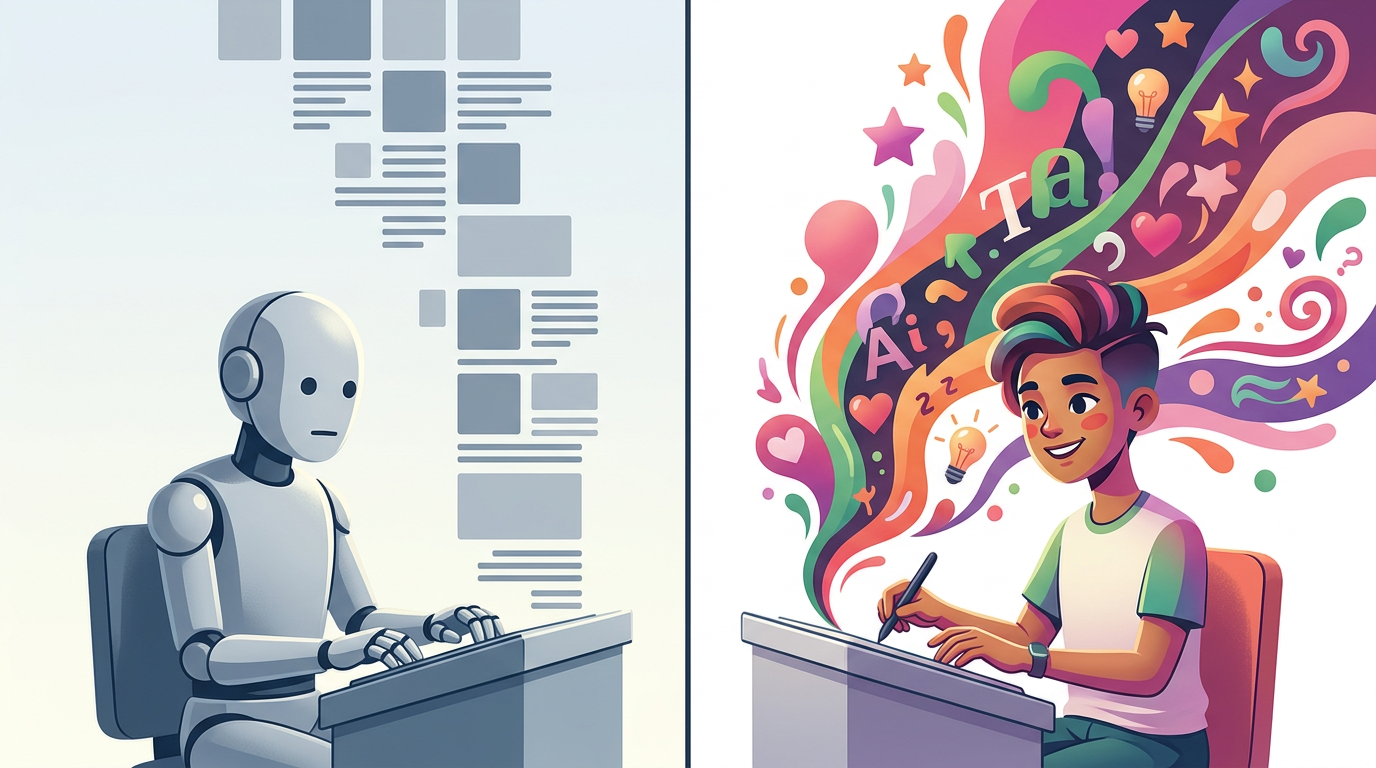
Consistency is the secret to building a series. If your character sounds different in every video, your audience loses the thread. Using a dedicated model ensures that every piece of content feels like an extension of the same, reliable persona. This is where Fanfun changes the game for creators; by providing access to a vetted character library, it removes the need for tedious fine-tuning and allows the creator to focus entirely on the script and the narrative arc of their content. Instead of struggling with software, you are curating a performance.
Why Context Matters More Than Raw Audio
Many creators fall into the trap of obsessing over the frequency of the audio while ignoring the context of the delivery. A high-fidelity model, such as the Kobe Bean Bryant persona, is trained to handle the weight and intensity of specific types of messaging. When you use a generic tool, you might get the pitch right, but the delivery will feel flat. A specialized persona understands that a motivational speech requires a different cadence than a casual, off-the-cuff meme. By using models designed for specific archetypes, you ensure the AI understands the subtext of your script, which is the difference between a video that feels like a soulless bot and one that feels like a genuine homage.
The Efficiency of Specialized Platforms
The DIY approach often involves hours of training models on low-quality audio snippets, resulting in a "Frankenstein" voice that sounds like a caricature. This is a waste of creative energy. Instead, professional creators are shifting their workflows to platforms that prioritize character fidelity. When you operate within a professional ecosystem, you gain access to models that have been calibrated to handle the nuances of human speech—the way a voice drops at the end of a cynical remark or rises during an enthusiastic pitch.
Consider the difference in production speed. A DIY enthusiast might spend three days trying to get a voice model to sound remotely like a celebrity, only to have it break when the script changes. A professional using a specialized platform can generate that same result in minutes. This speed allows for rapid iteration, meaning you can test more concepts, produce more content, and stay ahead of cultural trends without sacrificing the quality of your output. Whether you need a quick Sydney Sweeney-inspired reaction or a classic Mickey Mouse interaction, the workflow remains seamless and reliable.
Integrating Icons Into Your Content Loop
The true power of high-fidelity AI is its ability to integrate seamlessly into your existing content loops. Consider the impact of using a high-fidelity Dwayne Johnson AI model for a high-impact promo. Because the model is calibrated for that specific persona's energy, you can generate a script that feels authentic to his brand, instantly elevating the perceived production value of your video. This is the difference between a generic voiceover and a compelling, character-driven narrative that stops the scroll.
Similarly, for creators working in the meme space, the ability to deploy an iconic character like Spongebob Squarepants allows for a level of creative storytelling that was previously impossible without a massive animation budget. By leveraging these specialized personas, you aren't just creating content; you are tapping into existing fan ecosystems. Whether you are creating a roast, a birthday wish, or a short-form sketch, using a model that actually sounds like the character is the fastest path to audience engagement. You are no longer just making a video; you are participating in a shared cultural language.
The Strategic Shift: From Passive to Interactive
We are moving away from the era of one-way, static video clips. The future of digital fandom is interactive. Creators who embrace two-way AI chat and dynamic video generation will define the next generation of online influence. By utilizing platforms that offer scalable, high-quality character interactions, you can produce content at a volume that would be impossible with traditional celebrity bookings, while still maintaining the creative integrity of your brand.
The makeshift era has served its purpose as a proof of concept, but the future belongs to those who prioritize quality and character fidelity. When you choose to stop using generic "voice generators" and start using "character personas," you are making a conscious decision to value your audience's time. You are signaling that your content is a premium product, not a placeholder. In a world where attention is the scarcest commodity, that distinction is everything. By choosing platforms that respect the nuance of the craft, you gain a competitive edge that DIY tools simply cannot replicate.
Comparison: DIY vs. Professional Workflow
| Feature | Generic AI Tools | Specialized Platforms (Fanfun) |
|---|---|---|
| Character Nuance | Flat, robotic, inconsistent | High-fidelity, emotive, accurate |
| Delivery Speed | High learning curve/Manual tuning | Instant, professional-grade output |
| Use Case | Experimental only | Promos, memes, interactive fan content |
| Consistency | Requires constant tuning | Built-in persona integrity |
Why does my AI voice sound robotic?
Robotic-sounding AI is often the result of using general-purpose models that lack character-specific training data. To fix this, use specialized persona libraries that are calibrated for the nuances of specific voices.
What is the difference between an AI voice generator and a character persona?
A generic voice generator creates a synthetic voice, but a character persona includes the tone, vocabulary, and cadence of a specific individual, making the output feel like a performance rather than a text-to-speech reading.
How do I make my AI content feel more authentic?
Focus on context. Ensure the script matches the character's known personality and use high-fidelity models that allow for emotional range, rather than relying on flat, monotone tools.
Are there reliable alternatives to generic AI tools for celebrity voices?
Yes. Platforms like Fanfun provide access to licensed and high-fidelity persona libraries, allowing creators to use celebrity and character voices in a way that is instant, affordable, and professional.