The Anatomy of a Signature Voice: Why Modern AI is Redefining Character Performance
Great content hinges on a signature vocal presence. Discover how to deconstruct the elements of a memorable voice and leverage AI to scale your creative output.
In an era where content is consumed in seconds, the "generic announcer" voice has become background noise. Modern audiences gravitate toward personalities that carry a distinct vocal texture—a specific rasp, a rhythmic cadence, or an undeniable energy that signals authenticity before the first sentence is finished. Whether it is the commanding presence of an athlete or the playful inflection of a pop-culture icon, the voice is the primary hook for modern storytelling.
This shift from passive narration to personality-driven audio is the new standard for creators. Whether you are building a personal brand on TikTok or designing an immersive experience for a YouTube series, your choice of voice isn't just a creative detail; it is a primary driver of engagement. When a voice feels "signature," it feels like a character, not a script-reader. This is where the intersection of performance and technology becomes a competitive advantage for creators looking to stand out in a saturated feed.
Deconstructing the Vocal Signature
To replicate or build a compelling vocal brand, you must move beyond pitch and volume. You are looking for the "Vibe Audit"—a breakdown of the elements that make a voice memorable. Consider the following components:
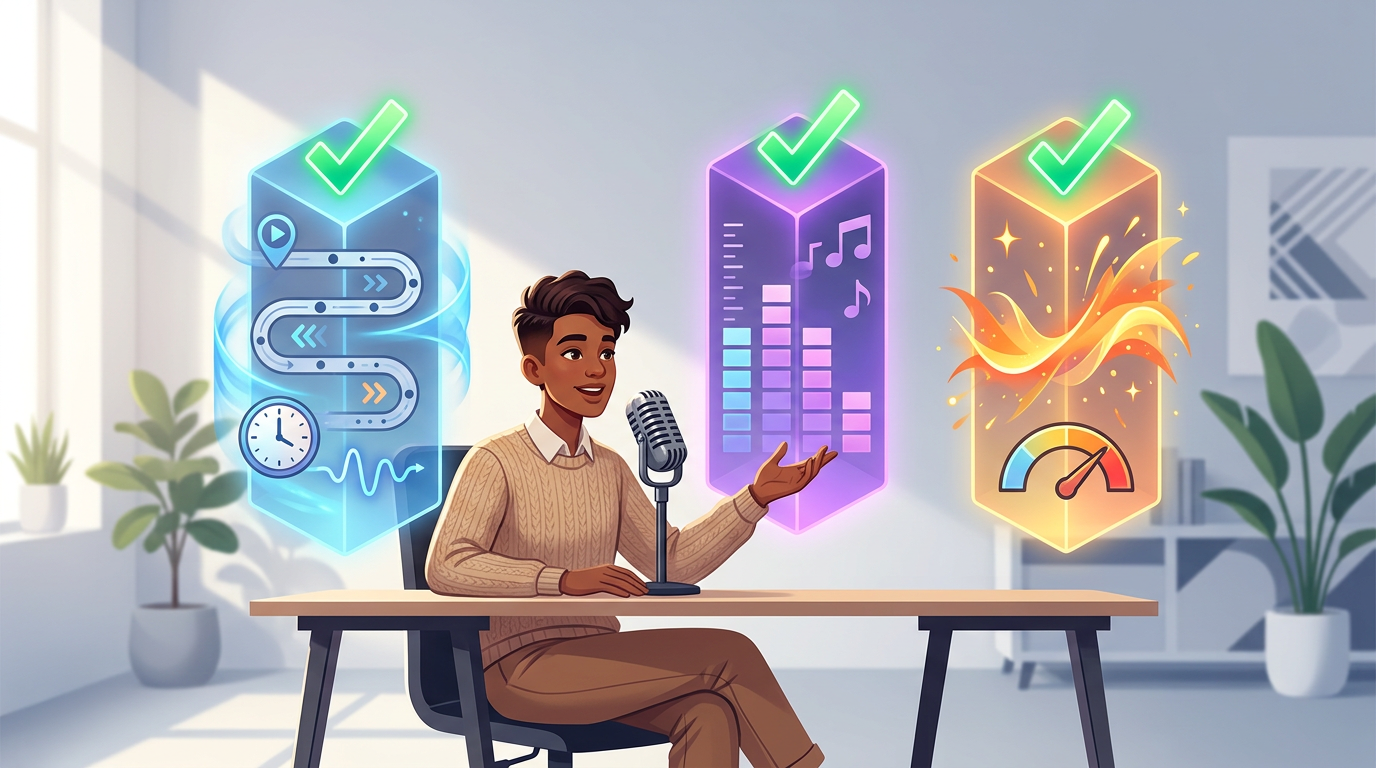
- Cadence and Pacing: Does the voice linger on consonants, or is it rapid-fire? The rhythm dictates the urgency of your message.
- Tone and Resonance: Where does the voice live—in the throat or the chest? A "chest-heavy" voice often signals authority, while a lighter, more nasally tone can convey excitement or humor.
- Emotional Weight: This is the "hidden" layer. It is the difference between a neutral statement and one that sounds like it’s being told in confidence.
Before you begin any project, ask yourself: Does this content require the steady, grounded resonance of an icon, or the high-energy, fast-paced delivery of a hype-man? Identifying these traits is the first step toward professional-grade production. Once you understand the mechanics of the voice, you can apply them to your own scripts to create a more immersive experience for your viewers.
The Role of Archetypes in Fandom
Audiences connect with archetypes because they provide a shortcut to emotional recognition. When you utilize a specific vocal style—like the intensity of a The Rock Dwayne Johnson persona—you are instantly tapping into a pre-existing emotional connection the audience has with that archetype. The goal is not just to mimic a sound, but to embody the energy associated with that figure. Fanfun makes this possible by providing a library of personas that allow creators to lean into these archetypes instantly, ensuring that your content resonates with the specific expectations of your target demographic without the heavy lifting of traditional production.
Scaling Character Performance with AI
Bridging the gap between the studio-quality delivery of a professional and the instant needs of a digital creator is the primary challenge of modern media. Traditional booking cycles—scheduling, recording, and editing—often move too slowly for the pace of viral trends. This is where Fanfun changes the creative workflow. By using an AI voice generator, creators can experiment with different vocal archetypes instantly, allowing for a level of creative iteration that would be impossible with traditional talent.
You no longer need to wait for a studio session to test whether a specific "vibe" works for your edit. By leveraging AI, you can swap between personas to see which resonates best with your audience, keeping your content creation process fluid and responsive to the latest trends in your niche. Whether you are aiming for the gravitas of a Kobe Bean Bryant-inspired tribute or the energetic, high-stakes delivery of Shaq, the platform allows you to maintain momentum without the logistical friction of a traditional studio. This agility is what separates consistent creators from those who struggle to keep up with the algorithm.
Strategic Implementation: Beyond the Voice
The true power of AI in content creation lies in its ability to offer a diverse portfolio of characters. A high-energy sports star brings a different weight to a promo video than a smooth, cinematic narrator. For instance, creators often look to the intensity of a Dwayne Johnson AI persona to add a layer of recognizable authority to their content, while others might pivot to the pop-culture relevance of a Sydney Sweeney-inspired persona to capture a specific, modern aesthetic. Even classic icons like Mickey Mouse provide a baseline for nostalgic engagement that is otherwise difficult to replicate at scale.
Modern fandom demands more than just a static video; it demands interaction. Using AI to generate voices allows you to craft content that feels alive and distinct. Whether you are building an educational series or a high-octane social media promo, the ability to pull from a library of iconic voices ensures your content never feels like "stock" audio. By focusing on the "vibe" of the persona rather than just the literal words, you can create immersive experiences that keep fans coming back. This is not about replacing the human element; it is about augmenting it with tools that allow for infinite creative exploration.
Building Your Toolkit: A Comparison Framework
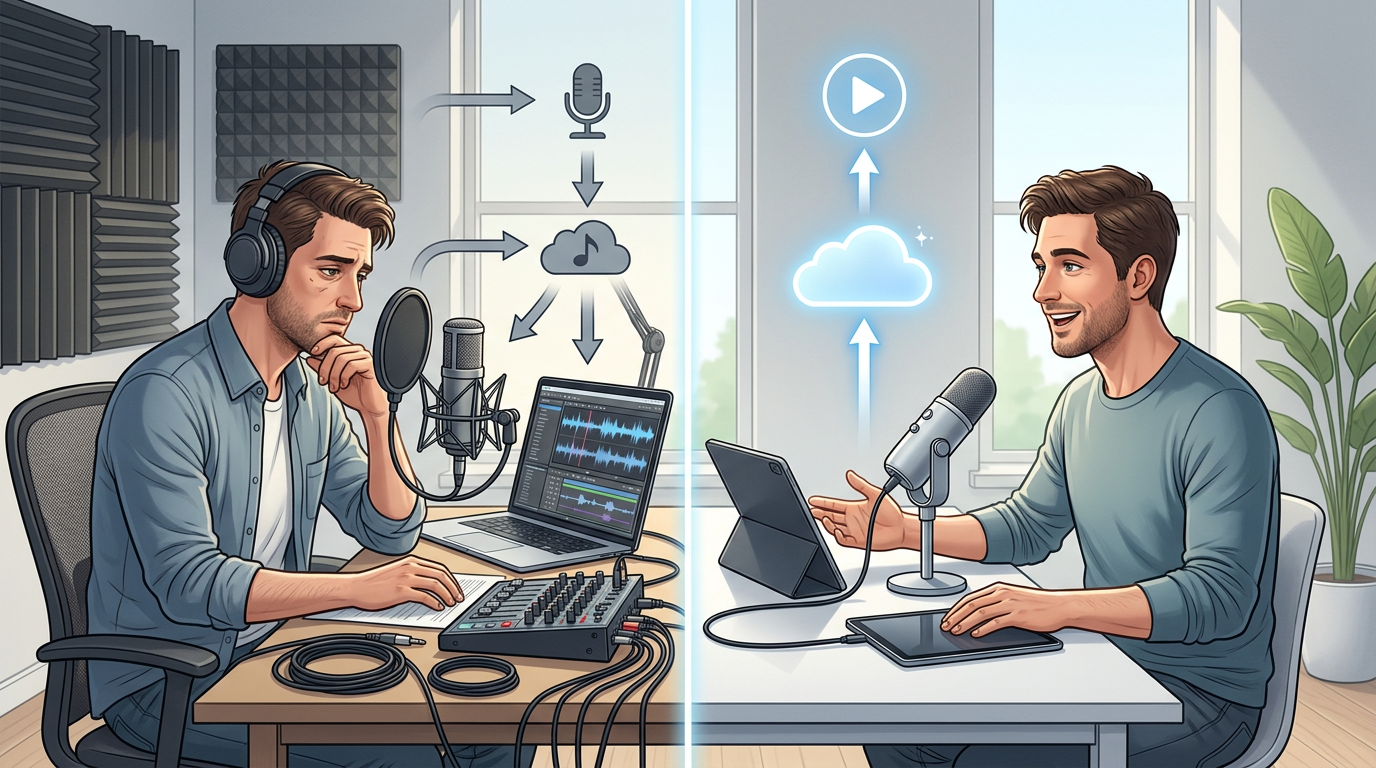
When deciding between traditional voice acting and AI-driven solutions, consider the impact on your workflow and your bottom line. If you are looking for a recognizable vocal signature, the efficiency of a digital tool is unmatched. Use the table below to decide which path suits your current project:
| Feature | Traditional Booking | Fanfun AI Generation |
|---|---|---|
| Delivery Time | Days/Weeks | Minutes |
| Cost | High (Per project) | Scalable/Affordable |
| Flexibility | Limited by schedule | Unlimited iteration |
| Use Case | High-budget commercials | Social content, memes, promos |
For most creators, the ability to iterate is more valuable than the traditional booking process. By choosing an AI-driven approach, you keep your production costs low while maintaining a high level of vocal quality that keeps your audience coming back. As the landscape of content creation continues to evolve, the creators who master the balance between human creativity and AI-driven scale will be the ones who define the future of fandom. Start by identifying the archetypes that fit your brand, and use tools like Fanfun to bring those voices to life in your next project.
What makes a voice actor's style unique?
A unique style is defined by a combination of cadence, resonance, and emotional delivery. It is the rhythmic "signature" that makes a voice instantly recognizable, even when the listener isn't looking at the speaker.
Can I use AI to replicate the style of famous voice actors?
Yes. AI allows you to interpret the unique vocal qualities of iconic figures, enabling you to apply that specific "vibe" to your own scripts and content without the need for traditional recording sessions.
How does Fanfun help content creators with character voices?
Fanfun provides an instant, scalable way to access diverse character voices. It removes the barrier of booking talent, allowing you to generate professional-grade voiceovers, roasts, or promos in minutes.
Is AI voice generation a good alternative to hiring a professional voice actor?
For social media content, promos, and rapid-response creative work, AI is a powerful, cost-effective alternative. While traditional actors are essential for high-end, long-form dramatic performances, AI is the standard for creators who need speed, flexibility, and consistent vocal branding.