Beyond the Script: Why AI Personas Are Changing Fan Engagement
The era of passive celebrity consumption is ending. Learn how interactive AI personas are bridging the gap between fans and icons through real-time dialogue.
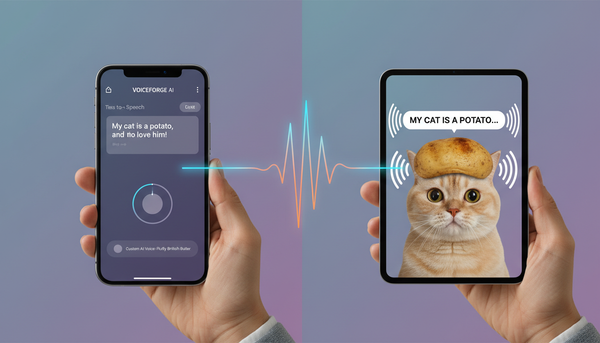
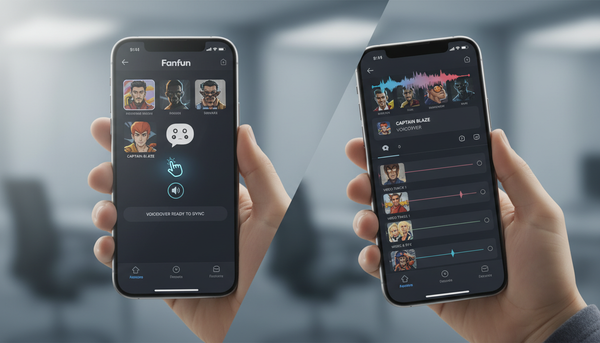
For decades, digital fandom was defined by the one-way street: you watched a video, you bought a poster, or you hoped for a fleeting interaction on social media. This static relationship model is rapidly becoming obsolete. Modern audiences no longer want to just observe; they want to engage. They expect the icons they admire to be accessible, responsive, and, most importantly, conversational. This shift represents a fundamental change in how we consume content. When you can interact with an AI persona, the "celebrity" is no longer a distant statue behind a velvet rope. Fanfun provides the infrastructure for this new era, turning what was once a passive viewing experience into a dynamic, two-way dialogue. By moving from static clips to interactive AI, fans can now explore the nuances of a personality, ask questions, and build a unique narrative that didn't exist until they pressed "start."
The Death of the Static Celebrity
The traditional model of fan engagement, epitomized by platforms like Cameo, relies on the scarcity of a celebrity's time. You pay for a pre-recorded, often generic message that serves as a one-off souvenir. While this has its place, it fails to satisfy the modern desire for depth. Today's creators and fans are looking for "living" content—experiences that evolve based on the user's input. When you engage with an AI version of a cultural icon, you aren't just consuming a file; you are entering a space where the persona responds to your specific context, humor, and questions.
This is where the distinction between a static impression and an interactive persona becomes clear. An impression is a gimmick that loses its luster after thirty seconds. An interactive persona, however, is a tool for storytelling. Whether you are using the Dwayne Johnson AI to bring a high-stakes, motivating energy to a project or tapping into the nostalgic, philosophical weight of a Kobe Bean Bryant-inspired persona, you are building a narrative bridge. These tools allow creators to scale their output without sacrificing the "soul" of the interaction, which is the primary hurdle in traditional content creation. By leveraging Fanfun, you gain access to a library that treats these archetypes as dynamic entities rather than simple soundboards.
The Archetype Factor: What Makes a Persona Click?
Success in the world of AI-driven personality archetypes isn't just about vocal mimicry or high-fidelity rendering. It’s about the "relatability factor": that conversational cadence that makes a digital persona feel like a real person you’d actually talk to. Authenticity is found in the pauses, the slang, and the emotional intelligence of the AI, not just the pitch of the voice. If the cadence is off, the audience disengages immediately.
Consider the difference between a grounded human-like archetype and a fictional icon like Spongebob Squarepants. While one relies on the subtle, nuanced patterns of human speech, the other thrives on specific, recognizable character traits and catchphrases. The best AI personas succeed because they maintain consistency. Whether you are creating content for a niche audience or a broad campaign, the persona must feel "in character" every single time. It is this consistency that builds trust and keeps the audience engaged long after the novelty wears off. You aren't just using an AI voice generator; you are curating a digital presence that must respect the legacy of the icon it represents. When the persona consistently hits the right emotional beats, it transforms from a novelty into a reliable creative partner.
The Role of Emotional Intelligence
An AI persona that can read the room—or in this case, the chat log—is infinitely more valuable than one that simply recites a script. When using an AI voice generator, the goal is to capture the "vibe" of the person. If the AI sounds too robotic, the emotional bridge collapses. Creators are finding that the most effective personas are those that lean into the specific "intensity" associated with their real-world counterparts, allowing for a more immersive and satisfying fan experience. This is why Fanfun emphasizes interactive depth over simple text-to-speech loops. An AI that can pivot from a lighthearted joke to a moment of genuine encouragement mimics the complexity of human relationships, which is exactly what modern fans crave.
From Passive Viewing to Interactive Creation
The transition from passive viewing to interactive creation allows creators to move beyond simple memes. You are now a director of your own interactive content. Imagine producing a series of "roasts" where the AI persona responds to your specific prompts, or crafting a birthday message that feels genuinely personal because the AI can actually engage with the recipient's interests. This capability transforms the creator from a consumer into a collaborator. Legacy platforms rely on the availability and time of the actual person, which is inherently limited by geography and schedules. Fanfun removes these barriers, offering a level of creative freedom that was previously impossible. You can iterate on a project in minutes, tweaking the tone and content until it is perfect. This isn't just about speed; it's about the ability to experiment with different personas to see what resonates most with your audience. You can pivot from the high-energy, authoritative presence of a Shaq-inspired persona to the more grounded, relatable energy of a modern star like Sydney Sweeney, testing which archetype best fits your current project's narrative arc.
Scaling Fandom: The New Toolkit
To build a cohesive content strategy, you need a mix of archetypes. You might anchor your channel with a globally recognized icon to grab attention, while using more grounded, conversational personas to handle the day-to-day engagement with your community. Mixing these archetypes allows you to balance "spectacle" with "connection." When using these tools, consistency is your best friend. Map out your narrative goals before you begin. If you are building a story, ensure your AI personas have clear, defined roles. By utilizing a range of characters—from the whimsical charm of a Mickey Mouse-inspired persona to more serious, legacy-driven figures—you can create a "universe" of content that feels alive and interconnected, rather than a series of disparate, disconnected clips. This is the new blueprint for fandom: a multi-faceted approach where the AI is not just a novelty, but a core component of your storytelling engine. By treating these interactions as a series of building blocks, you can construct a narrative that grows with your audience, keeping them coming back for more.
Choosing Your Persona: A Decision Framework
Not every persona serves the same purpose. To make the most of your creative projects, you need to match the persona's "vibe" to the audience's reaction you are trying to elicit. Use this framework to guide your selection:
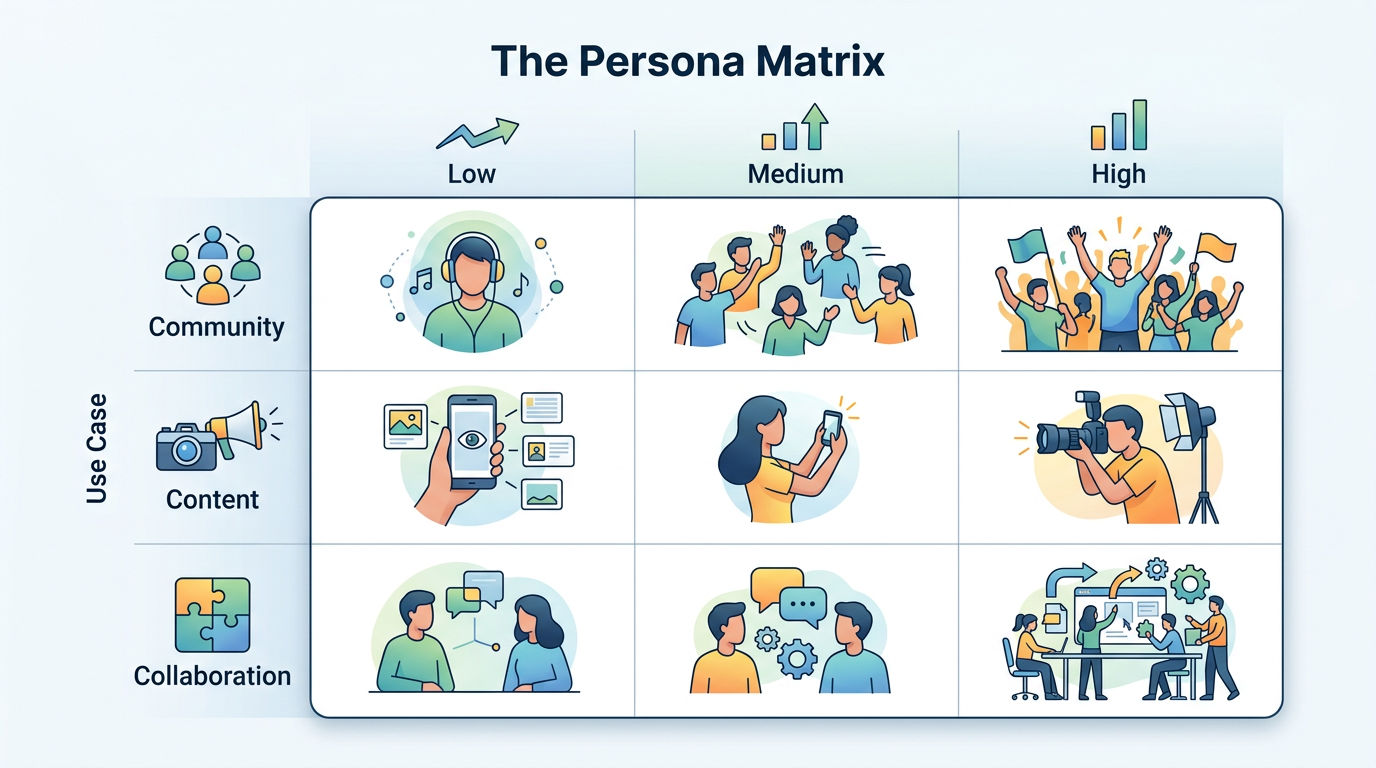
| Persona Type | Use Case | Energy Level |
|---|---|---|
| The Global Icon | Promos, Announcements, Hype | High |
| The Nostalgic Legend | Tributes, Storytelling, Wisdom | Grounded/Reflective |
| The Relatable Persona | Daily Chat, Q&A, Comedy | Conversational |
Fanfun offers this breadth of choice because we understand that fandom is not one-size-fits-all. By selecting the right archetype, you aren't just making a video; you are crafting an experience that speaks directly to the desires of your specific audience. As you move forward, prioritize the "conversational" quality of your chosen persona. If the AI can't hold a thread of conversation, it won't hold the audience's attention. The future of content creation is interactive, and those who master the art of the AI persona will be the ones who define the next era of digital engagement. Whether you are a brand looking to scale your reach or a fan wanting a deeper connection, the tools available today allow you to bridge the gap between imagination and reality like never before.
How do I choose the right AI persona for my content?
Match the persona's core archetype to your goal. If you need high-energy engagement, choose a globally recognized icon. For storytelling or emotional resonance, look for a legendary persona that carries a specific history or "vibe" that fits your narrative.
Is using an AI persona better than traditional celebrity booking?
AI personas offer instant, 24/7 availability and affordability that traditional booking cannot match. You get the same "star power" feel without the logistical constraints of schedules, travel, or limited recording time.
Can AI personas handle two-way interactive conversations?
Yes. Unlike static video clips, modern AI personas are built for dialogue. They can process your input and respond in real-time, making them perfect for chats, Q&As, and personalized interactions.
What makes a good AI voice generator for storytelling?
A good AI voice generator focuses on emotional range and consistent character cadence. It shouldn't just mimic a voice; it should capture the personality traits—the "intensity" or "relatability"—that make the character feel authentic to the audience.