The Y2K Renaissance: Why We’re Still Obsessed with Lindsay Lohan’s Pop Culture Footprint
Lindsay Lohan’s Y2K persona remains the gold standard for high-energy, relatable chaos. Learn how to leverage modern AI tools to channel that same electric engagement in your own content creation.
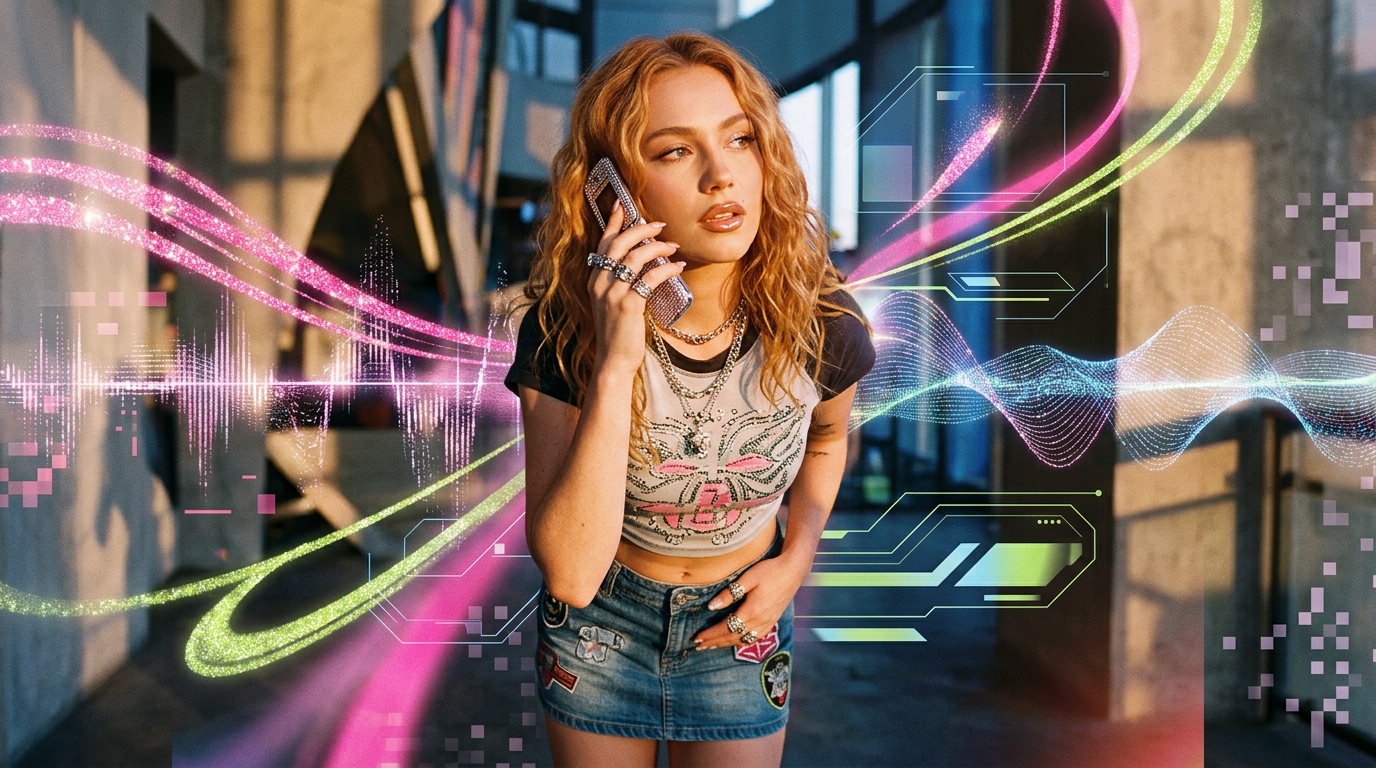
The early 2000s were defined by a specific brand of high-octane charisma. Whether it was the fast-talking, witty banter of teen comedies or the unapologetic, slightly chaotic energy of its biggest stars, the Y2K era built a template for the modern 'Main Character.' Lindsay Lohan, in particular, embodied a version of stardom that felt both aspirational and deeply relatable. It wasn't about the sterile, curated perfection we see on social media today; it was about personality, rapid-fire delivery, and the ability to command a room with nothing but a sharp line of dialogue.
For content creators, this era provides a masterclass in engagement. The reason these personas persist in the cultural consciousness is that they prioritized momentum over polish. In a digital landscape saturated with high-production, low-substance content, the ability to synthesize that 'relatable chaos' is a massive competitive advantage. Translating this energy into short-form video formats requires more than just nostalgia—it requires a structural understanding of how those archetypes were built and how they can be reconstructed for an audience that values authenticity and speed.
The Blueprint of the 2000s Main Character
The Y2K aesthetic was not merely about low-rise jeans or digital cameras; it was about a specific vocal cadence. It was a rhythm defined by confidence, a dash of irreverence, and the feeling that the person speaking was the most important character in the room. This 'Main Character Energy' is currently seeing a massive resurgence because it cuts through the noise of modern, overly-polished influencer culture. Audiences are tired of the script; they want the spontaneity of a 2004-era red carpet interview.
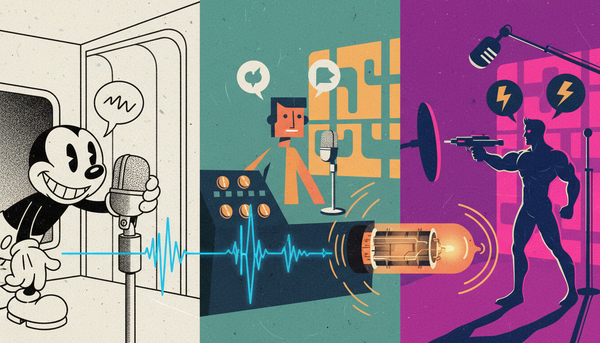
To capture this, creators are turning to AI not just as a tool for automation, but as a creative partner for persona development. By utilizing an AI voice generator, you can experiment with the specific inflection, pitch, and speed that defined that decade. It is about capturing the 'vibe' rather than just the words. When you lean into these archetypes, you are speaking a language your audience already understands, effectively hacking their nostalgia to build immediate rapport.
From Nostalgia to Narrative: Building Your Own Persona
The shift from passive fandom to active persona creation is the most significant change in the creator economy. We are moving away from simply consuming content to participating in its architecture. With platforms like Fanfun, creators no longer have to rely on generic stock voices or static interfaces to build their projects. Instead, they can tap into high-energy archetypes that mirror the iconic personalities of the last two decades. Whether you are looking to replicate the gravitas of a sports legend like Kobe Bean Bryant or the playful spirit of childhood icons like Spongebob Squarepants, the tools are now at your fingertips.
Using AI to synthesize a persona allows you to experiment with pacing and tone in ways that were previously impossible. Where traditional AI voices often sound flat or robotic, modern tools allow for the nuance and inflection that made the Y2K stars so captivating. By providing the creative infrastructure to test different 'vibes'—from the witty, rapid-fire delivery of a 2000s lead to more grounded, authoritative tones—Fanfun enables creators to build a consistent brand voice that feels both nostalgic and refreshingly new. This isn't about mere mimicry; it is about understanding the psychological triggers that make a character memorable and applying those to your own digital footprint.
The Power of Instant Iteration
The true power of this technology lies in the ability to pivot. If a specific creative direction isn't landing, you don't have to spend weeks re-recording or waiting for human talent to become available. You can refine the script, adjust the persona’s tone, and generate a new iteration in minutes. This speed is what separates a static feed from a dynamic, growing community. You aren't just making content; you are iterating on a brand identity in real-time. When you treat your content as a living, breathing experiment, you find that the audience responds more favorably to the 'work in progress' than the 'final product.' This is where the Y2K spirit of raw, unfiltered personality shines through in an AI-assisted environment.
The New Rules of Engagement: AI vs. Traditional Celebrity
The traditional celebrity cameo model is fundamentally broken for the pace of 2024. Waiting for availability, navigating complex booking fees, and managing creative control are bottlenecks that kill creative momentum. When you need a specific energy for a birthday wish, a viral roast, or a brand promo, you need it now. AI personas bridge this gap by providing an instant, scalable, and affordable alternative that doesn't compromise on the 'star power' feel. You gain the ability to drop a celebrity-style persona into your content without the logistical nightmare of a traditional production.
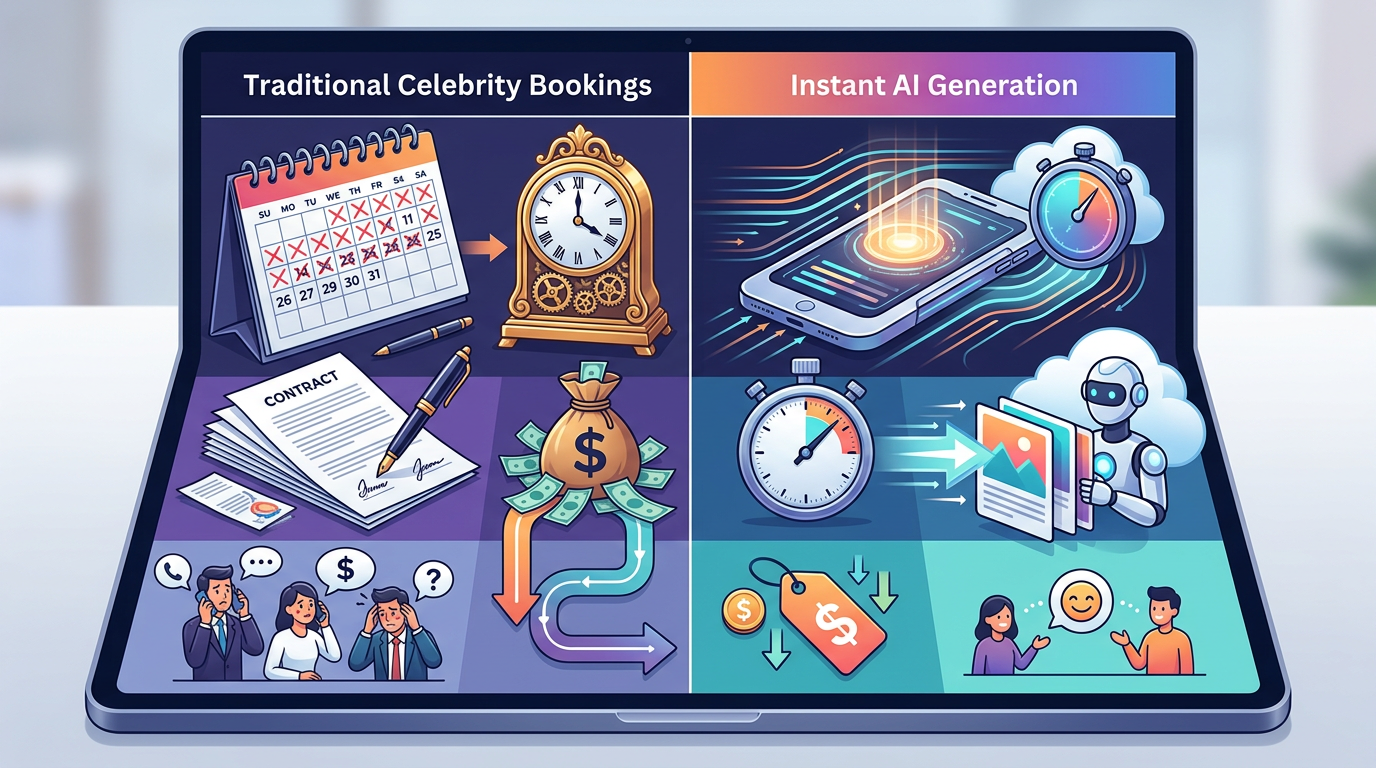
| Feature | Traditional Booking | Fanfun AI Persona |
|---|---|---|
| Delivery Speed | Weeks/Months | Minutes |
| Cost | High (Prohibitive) | Affordable/Scalable |
| Creative Freedom | Limited/Scripted | High/Interactive |
| Availability | Subject to Schedule | Always Available |
Archetypes in Action: Beyond the Y2K Aesthetic
To succeed in the current landscape, you must understand how different archetypes serve different goals. You wouldn't use the same vocal intensity for a sentimental birthday message as you would for a high-energy meme. Comparing the intense, motivational energy found in the Dwayne Johnson Ai persona to the frantic, lovable, and distinctly cartoonish energy of a character like Mickey Mouse highlights the range available to modern creators. Choosing the right persona is about matching the rhythm of the voice to the intent of the content.
For those looking to expand their toolkit, consider how mixing and matching these voices can create comedic or dramatic tension. Using a high-octane, authoritative voice to narrate a mundane task is a classic trope that never fails to land, while using a more whimsical persona for a call-to-action can soften the 'salesy' feel of your content. By leveraging the Shaq persona or other icons in the library, you can ground your creative projects in recognizable, cultural touchstones that instantly build rapport with your audience. Even the most intense The Rock Dwayne Johnson persona can be repurposed for lighthearted, self-aware humor that plays perfectly into the current trend of internet irony. This versatility is the hallmark of a creator who understands that the medium—AI-driven voice—is just a vehicle for the message.
Your Content Toolkit for 2024
To effectively deploy these tools, follow this three-step framework:
- Identify the Vibe: Before you open any software, define the emotional core of your project. Is it nostalgic? High-energy? Professional? Humorous? The Y2K era succeeded because it knew exactly what it was—unapologetically bold.
- Select the Persona: Match your vibe to the appropriate archetype. Don't just pick the most famous voice; pick the one whose cadence and tone naturally supports your script. If you are aiming for authority, look at the sports legends; if you are aiming for whimsy, look at the animation icons.
- Script for AI: Keep it short and punchy. AI personas excel at conversational, high-impact dialogue. Avoid long, complex sentences that lose their 'human' rhythm. Think in terms of soundbites rather than monologues.
Ultimately, the goal is to stop treating AI as a replacement for human creativity and start treating it as an amplification of your own vision. By blending the iconic, high-energy archetypes of the past with the instant, scalable technology of the present, you can build a library of content that feels both timeless and perfectly suited for the current moment. The Y2K renaissance isn't just about looking back; it's about taking the best parts of that era's chaotic, magnetic energy and using them to define the future of your own personal brand.
How can I use AI to create content that feels like a 2000s movie?
Focus on fast-paced, witty dialogue and high-energy delivery. Use AI to mimic the archetypal 'Main Character' voice—confident, slightly chaotic, and conversational. Keeping your scripts concise helps maintain that specific 2000s aesthetic.
Is it better to use AI celebrity voices than booking a cameo?
For creative content, AI is generally superior due to instant availability, cost-effectiveness, and total creative control. While human cameos offer real-time interaction, AI personas offer a scalable solution for memes, promos, and personalized messages at any time of day.
How does Fanfun help content creators scale their output?
Fanfun removes the bottlenecks of traditional production. By providing instant access to a vast library of AI voices and interactive personas, it allows creators to produce high-quality, personalized content in minutes rather than waiting days for human talent.
Can I create interactive conversations with AI versions of my favorite stars?
Yes. Fanfun offers two-way interactive chat features, allowing you to engage in real-time conversations with a wide range of AI personas, from athletes to movie stars and iconic characters.