The Wendy Ho Masterclass: Channeling High-Camp Comedy in AI-Generated Roasts and Parodies
Unlock the secrets of blue comedy, drag-adjacent theatricality, and hyper-specific crowd work. Discover how to direct AI voice and video tools to deliver high-energy, unforgettable roasts.

Live comedy thrives on friction, theater, and the electric tension of a performer who refuses to hold back. In the world of adult parody music and drag-adjacent performance, Wendy Ho has long reigned as a master of this high-camp, blue-comedy universe, turning crowd work into a contact sport and musical parodies into cultural touchstones. Her ability to blend razor-sharp roasts with high-energy, unapologetic theatricality creates a unique brand of performance that leaves audiences both gasping and begging for more.
For modern content creators, the challenge isn't finding tools to generate digital voices or videos; it's injecting those assets with actual soul, timing, and theatricality. By studying Wendy Ho’s performance blueprint, creators can learn how to direct AI engines on platforms like Fanfun to break past flat, sanitized outputs and deliver genuinely hilarious, high-energy roasts and parodies that land with maximum impact.
The Wendy Ho Blueprint: Why Unfiltered Camp Rules Modern Comedy
Wendy Ho’s legacy is built on the smoky stages of nightlife venues, cabaret rooms, and comedy clubs where safe, polite humor goes to die. Drawing heavily from drag culture, her performance style relies on "camp"—an aesthetic that values irony, theatricality, and humorous exaggeration. Camp isn't merely about being loud or over-the-top; it is about absolute commitment to a highly stylized, dramatic persona. When Wendy performs an adult parody song, she doesn't just sing; she inhabits a caricature with such conviction that the absurdity becomes irresistible.
In today's digital landscape, much of the content we consume feels homogeneous. Algorithms reward safe, repeatable formats, leading to a sea of sanitized, polite videos that fail to capture attention. This is where the Wendy Ho blueprint becomes a powerful differentiator for creators. By embracing high-camp, unfiltered delivery, you break through the noise. Whether you are crafting a personalized roast for a friend's birthday or creating a viral meme, channeling this high-energy theatricality turns a basic digital greeting into an unforgettable event.
Deconstructing the Anatomy of a Great Wendy Ho Roast
Roasting is an art form that is easily misunderstood. Many believe it simply involves hurling insults, but a great roast is a delicate dance between audacity and affection. Wendy Ho excels at this because she understands that a crowd member isn't a target to be destroyed, but an active participant in a shared joke.
The first pillar of her success is the Power of Specificity. Generic insults—like commenting on someone's height or calling them "weird"—are boring. Wendy focuses on hyper-targeted, highly specific observations. She might dissect the exact shade of a guest's questionable faux-leather jacket, or construct an entire narrative around why someone ordered a specific, overly complicated cocktail. This specificity makes the humor feel bespoke, intimate, and infinitely funnier.
The second pillar is Vocal Dynamics. A joke is only as good as its delivery, and Wendy treats her voice like an instrument. She masterfully employs dramatic pauses, sudden pitch shifts, and rhythmic musicality to build tension before dropping a hilarious punchline. When configuring digital tools to replicate this level of performance, understanding these vocal nuances is critical. For instance, we have previously explored this dynamic when discussing how to direct vocal inflection and dramatic pauses for high-impact comedic delivery, illustrating how subtle pacing tweaks completely change how a punchline is received.
The Affection-Audacity Balance
To keep a blue-comedy roast from feeling mean-spirited, you must balance your audacity with warmth. Wendy achieves this through physical cues: a wink, a self-deprecating laugh, or a sudden shift to a sweet, maternal tone immediately after delivering a devastating read. In the digital realm, this means ensuring your script balances sharp-tongued jabs with moments of genuine celebration or playful self-deprecation.
Translating Live Camp to AI: The Creator's Prompting Framework
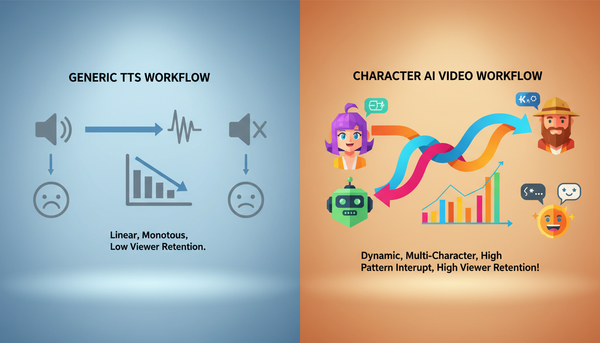
Creating high-camp comedy using AI voice and video tools requires moving past basic text entry. If you simply type a script into a standard text-to-speech engine, the result will be flat, monotonous, and utterly devoid of the dramatic flair that camp demands. This limitation is a major reason explaining why basic, free voice generators fail to capture the nuanced emotional range required for theatrical camp.
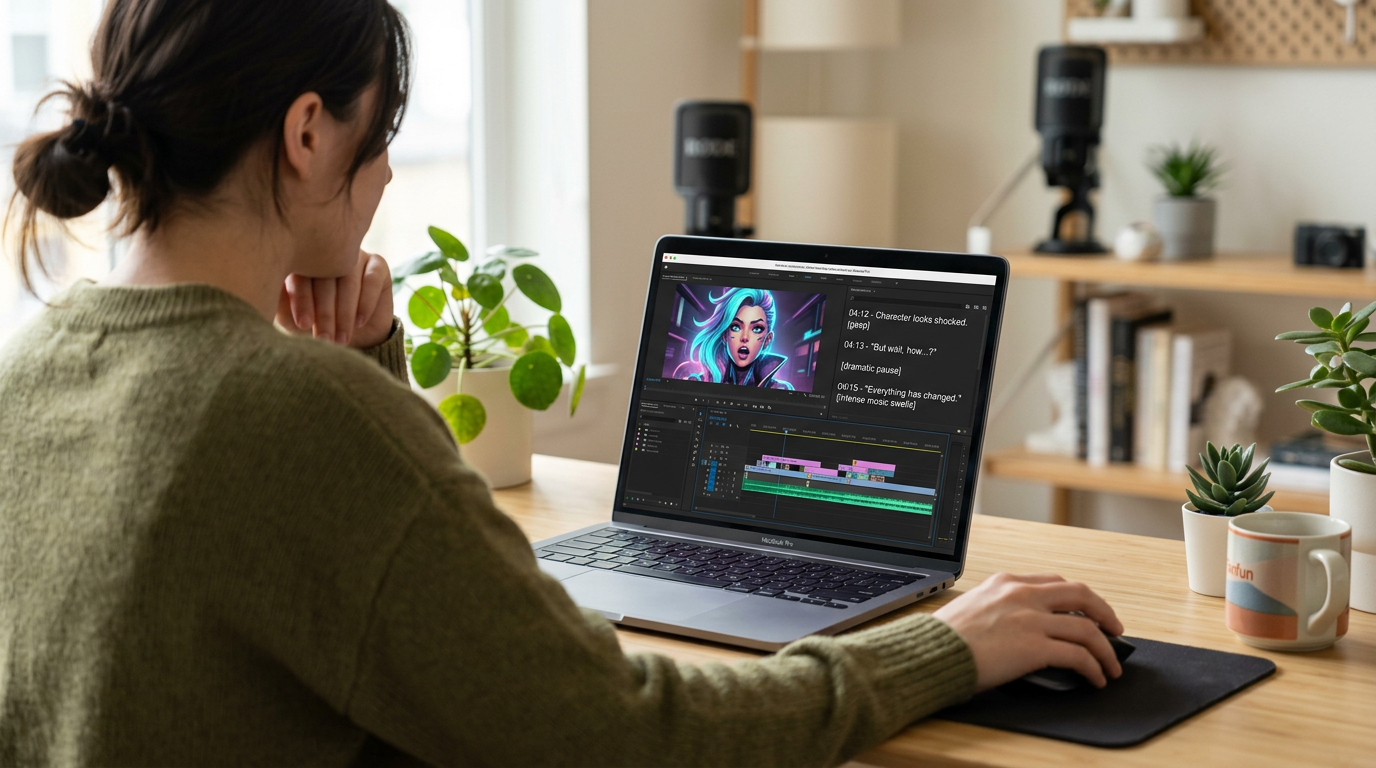
To bridge the gap between a live stage performance and an AI generator, creators must learn how to "direct" the AI using advanced prompting techniques, formatting, and phonetic styling.
| Live Performance Element | AI Prompting Equivalent | Example Script Input |
|---|---|---|
| Dramatic Pause | Ellipses, dashes, or bracketed breath tags | "And then she walked in... wearing that? [gasp] Oh honey." |
| Sudden Pitch Shift | Capitalization, exclamation points, and style tags | "I said I wanted a drink, NOT A LECTURE! [giggle]" |
| Sarcastic/Drag Tone | Phonetic spelling adjustments | "Listen here, hunnn-tea, that wig is doing all the work." |
| Sing-Song Delivery | Hyphenated text and rhythmic punctuation | "Ha-aa-aapy birthday to my favorite little disaster!" |
To ensure your generated content hits the mark, run your script through the Camp Comedy Directing Checklist:
- Phonetic Spelling: Have you stretched out key expressive words (e.g., "ha-aa-aapy" or "hun-tea") to force the AI to break its standard pronunciation?
- Punctuation as Pacing: Are you using ellipses (...) or dashes (—) to force dramatic pauses and build tension before a punchline?
- Emotional Tags: Have you inserted bracketed emotional cues (like
[gasp],[giggle], or[whisper]) to inject life into the voiceover? - Contrast: Does the script alternate between loud, high-energy declarations and quiet, sarcastic aside-delivery?
Scaling Personalized Humor: Moving Beyond the Traditional Shoutout
For years, the gold standard for personalized celebrity content was the traditional shoutout platform, like Cameo. While these platforms opened new doors for fan-celebrity connection, they come with substantial limitations. Fans often face long wait times, high price tags, and rigid scripts that limit creative freedom. A celebrity might record a quick, uninspired greeting while sitting in their car, offering little of the theatrical magic fans actually want.
This is explaining why modern creators are shifting away from traditional shoutout platforms in favor of scalable AI tools. Platforms like Fanfun are leading this revolution by putting the director's chair directly in the hands of the fans and creators. Instead of waiting days for a static, one-way video clip, Fanfun users can instantly generate custom video messages, high-fidelity voiceovers, and interactive two-way chats featuring their favorite cultural archetypes and characters.
This level of control allows you to scale personalized humor effortlessly. If you want to create a hyper-specific, high-camp birthday roast featuring a legendary character voice, you don't have to wait for an agent's approval or pay hundreds of dollars. You can dial in the exact level of sass, input your hyper-specific crowd-work details, and generate a studio-quality video message on Fanfun in minutes.
Ethical Camp: Navigating Creative Boundaries and IP in AI Comedy
As AI technology makes it easier to replicate voices and generate highly realistic video content, ethical considerations must remain at the forefront. This is especially true in the realm of adult humor and parody, where the line between playful homage and harmful content can sometimes blur.
The key to navigating this space is understanding the distinction between parody and deepfakes. Parody is a protected form of creative expression that celebrates, critiques, or plays with a known persona or style. Deepfakes, conversely, are often designed to deceive or misrepresent. When generating campy comedy, the goal should always be clear, transparent entertainment—the audience should be in on the joke, recognizing the content as a stylized, AI-driven tribute rather than a literal recording.
At Fanfun, we respect intellectual property and creative ethics while fostering a highly creative environment for fans. Our growing library of licensed and original AI personas ensures that creators can play, experiment, and generate hilarious content with peace of mind. By using authorized platforms and focusing your scripts on playful, exaggerated humor rather than malicious deception, you can safely harness the power of AI to keep the vibrant, unfiltered spirit of camp comedy alive in the digital age.
Who is Wendy Ho and what is her comedy style?
Wendy Ho is an established nightlife and comedy performer known for her bold, adult-themed parody music, drag-adjacent theatricality, and sharp crowd work. Her style is defined by "camp"—a highly stylized, committed, and exaggerated form of comedy that blends audacity with warmth.
How can I make AI voice generators sound more dramatic and campy?
To inject drama and camp into AI voices, use advanced prompting techniques such as phonetic spelling (e.g., "hun-tea"), dramatic punctuation (ellipses and dashes for pauses), and bracketed emotional cues (like [gasp] or [giggle]) to break the default robotic monotone.
What is the difference between a traditional Cameo and a Fanfun AI video?
Traditional platforms like Cameo require waiting days for a celebrity to record a static, one-way video, which can be expensive and rigidly scripted. Fanfun allows you to instantly generate highly customized, affordable, and creative video messages, voiceovers, and interactive chats with AI-driven characters in minutes.
Is it ethical to use AI to generate adult comedy or parodies?
Yes, when done transparently and respectfully. Ethical AI comedy focuses on playful parody and homage where the audience knows the content is AI-generated. Using responsible platforms like Fanfun, which respect intellectual property and creative boundaries, ensures your content remains fun, legal, and creative.