The Secret to Viral Pet Content: Giving Your Happy Dog an Inner Monologue
Pure cuteness is no longer enough to stand out on social media. Pairing your dog's natural behavior with an unexpected, custom-scripted AI inner monologue is the exact formula for viral pet content.
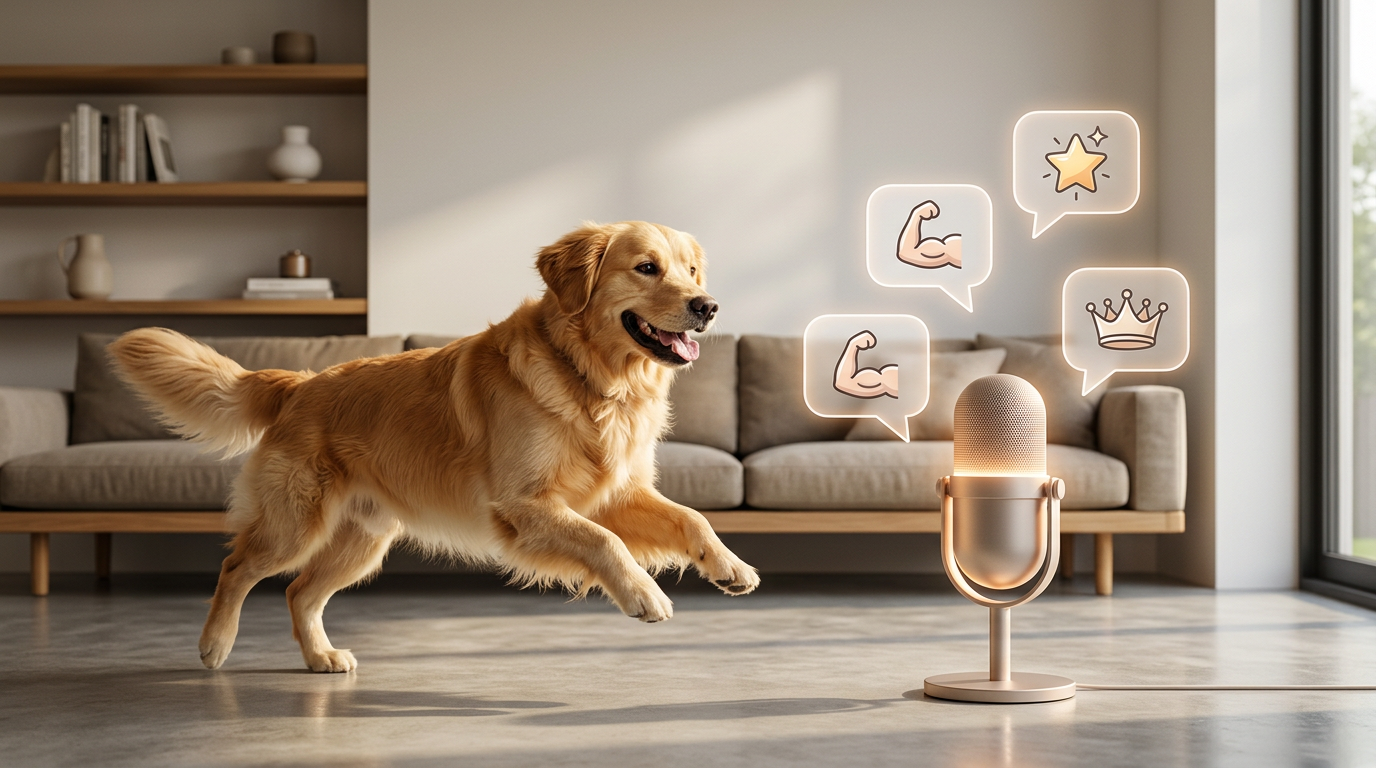
Pet videos are a saturated market. Millions of creators upload cute footage of their dogs daily, but pure cuteness is no longer a guaranteed hook for modern audiences. The difference between a video that gets a few polite likes from friends and one that dominates the algorithm lies entirely in narrative context.
Giving your dog an inner monologue transforms a standard clip of zoomies or tail-wags into a highly shareable comedy sketch. By scripting a custom voiceover that deliberately clashes with your dog's physical appearance, you create an unexpected punchline that keeps viewers watching on a loop. This creative leap is easier than ever to execute, turning passive pet owners into actual comedy producers.
The Anatomy of a Scroll-Stopping Pet Video
The era of silent, unedited pet videos set to a generic pop track is over. Platforms like TikTok and Instagram Reels have fundamentally shifted user behavior toward narrated storytelling. Viewers expect a clear beginning, middle, and end, even in a ten-second clip of a dog looking at a piece of cheese.
More importantly, social media algorithms heavily favor original audio. While hopping on a trending sound might offer a temporary bump in visibility, original audio tracks have a much higher ceiling for shareability. When users share your video, they are sharing your specific joke, not just participating in a trend. This original audio acts as a unique fingerprint for your content, signaling to the algorithm that your account produces fresh, high-effort material.
The most effective mechanism for this original audio is comedic contrast. The human brain finds humor in subverted expectations. If you show a viewer a tiny, fluffy dog, they expect a high-pitched bark or a gentle, sweet narrative. When that same fluffy dog opens its mouth and a booming, authoritative voice speaks, the immediate dissonance creates a laugh. The same applies in reverse: a massive, intimidating dog expressing highly anxious, frantic thoughts creates instant character depth that viewers want to follow.
Casting the Perfect Voice for Your Dog's Personality
Finding the right voice for your dog requires treating your pet like an actor in a sitcom. Their physical appearance is their costume; the voice you choose is their character archetype. Fanfun's character library allows you to cast these roles instantly, generating studio-quality audio without needing to hire a professional voice actor or attempt a bad impression yourself.
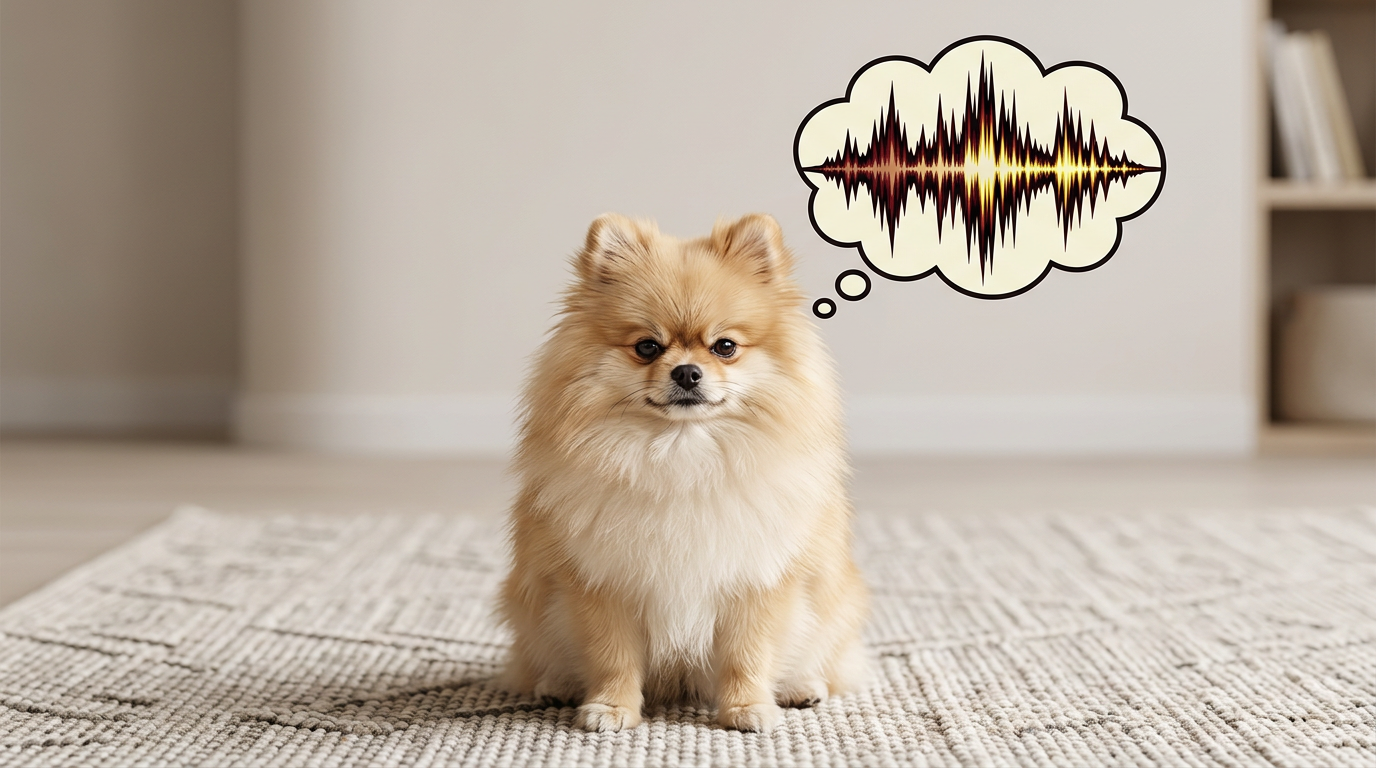
The Tough Guy in a Tiny Body
Small breeds like Pomeranians, Chihuahuas, and Shih Tzus naturally project an unwarranted level of confidence. They guard their toys fiercely and bark at delivery drivers ten times their size. Lean into this Napoleon complex by casting a voice that belongs in an action movie or a professional sports arena. A tiny dog delivering a monologue with the massive, booming resonance of Shaq creates a perfect visual and auditory mismatch. The smaller and fluffier the dog, the deeper and more commanding the voice should be.
The Gentle Giant
Large breeds like Great Danes, Mastiffs, and Saint Bernards are visually imposing but often possess incredibly soft, timid, or clumsy personalities. The comedic angle here is vulnerability. Instead of a tough voice, cast a highly intellectual, slightly neurotic, or painfully polite character. A massive Rottweiler nervously overthinking whether he is allowed to sit on the couch, narrated by a posh, aristocratic British voice, instantly disarms the viewer and builds immense sympathy for the animal.
Pure Chaos
Every dog owner knows the "zoomies"—that sudden, inexplicable burst of frantic energy where the dog sprints across the house with wild eyes. You cannot script the zoomies, but you can score them perfectly. Match this unhinged physical energy with an equally frantic, high-pitched cartoon voice. Generating a voiceover with the frantic, absorbent energy of Spongebob Squarepants narrating the dog's sheer panic about a shadow on the wall elevates a standard running clip into a chaotic masterpiece.
Framework: Scripting the 15-Second Inner Monologue
Writing for short-form video requires ruthless editing. You have exactly fifteen seconds to establish the premise, deliver the action, and land the punchline. If your script is too wordy, the viewer will scroll past before the joke lands. Use this pacing framework to write tight, punchy inner monologues.
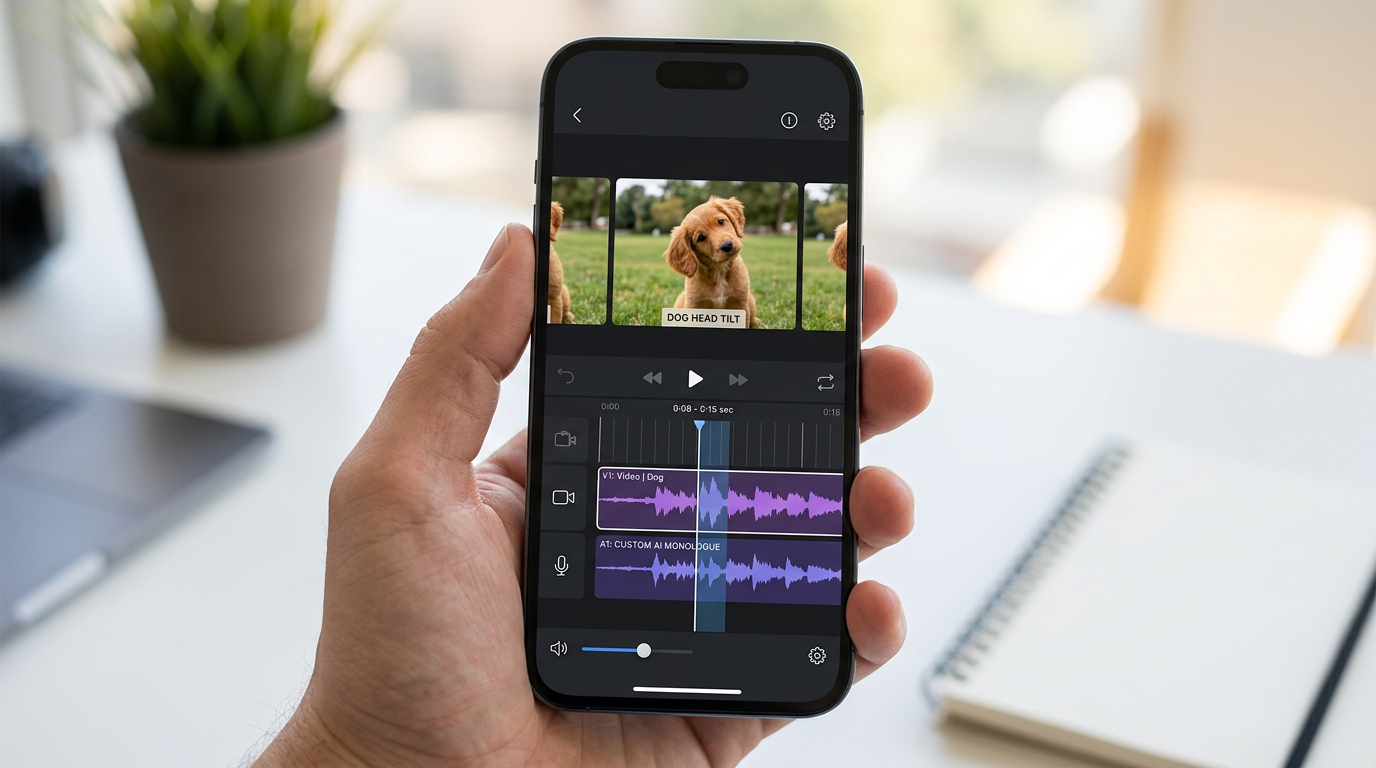
The Hook (0-3 seconds): Establish the dog's goal or current state of mind. The viewer needs to know what the dog is looking at or thinking about immediately. Keep it to one sentence.
The Action (3-10 seconds): This is where the physical movement happens—the jump, the head tilt, the sudden sprint. The audio should build tension or narrate the exact physical effort happening on screen.
The Punchline (10-15 seconds): The unexpected reaction to the action. It should recontextualize what the viewer just saw.
| Dog's Action | Inner Monologue Script | Recommended Voice Type |
|---|---|---|
| Staring intensely at a blank wall. | "The portal is opening. I must prepare the others. They have no idea what is coming." | Deep, dramatic movie trailer voice. |
| Missing a catch and looking defeated. | "Failure is just a stepping stone. We rebuild. We refocus. We get the ball next time." | Intense, motivational Dwayne Johnson Ai. |
| Refusing to drop a dirty sock. | "You think this is a game, Susan? This is my livelihood. I die before I surrender the fabric." | Gruff, gravelly mobster voice. |
Why Custom AI Audio Beats Generic Trending Sounds
Many creators fall into the trap of endlessly scrolling TikTok or Instagram to find a trending sound, and then trying to force their dog to perform an action that fits the audio. This backward approach usually results in awkward, poorly timed videos that feel exactly like a million other posts.
Custom AI audio flips this workflow. It allows you to capture your dog acting naturally and write the joke specifically for that unique footage. If your dog does a weird, unprompted hop over a puddle, you don't need to hunt for a "hopping" audio trend. You simply write a two-sentence script about how your dog believes the puddle is made of hot lava, generate the voiceover in minutes on Fanfun, and publish a completely original piece of content.
Furthermore, this approach builds a recognizable brand for your pet's social media account. Viewers will start returning to your page not just to see a cute dog, but to hear the specific character you have developed for them. The speed of execution is also vastly superior. Generating a custom voiceover takes a fraction of the time you would otherwise spend scrolling through generic audio libraries trying to find a match.
From Zoomies to Upload: A 5-Minute Workflow
Producing this style of content does not require a film degree or complex desktop software. You can execute the entire process from your phone in under five minutes.
Step 1: Capture the Moment. Do not try to direct your dog. Keep your camera handy and record them doing what they naturally do—sleeping in weird positions, begging for food, or reacting to the doorbell. A five-second clip is plenty.
Step 2: Write the Script. Look at the footage and ask yourself, "If this dog were a human in a sitcom, what ridiculous thing would they be thinking right now?" Write a two-sentence script based on their facial expression.
Step 3: Generate the Audio. Open Fanfun, select the character voice that provides the best comedic contrast to your dog's appearance, and paste your script. Download the resulting audio file to your device.
Step 4: Import and Align. Open a mobile editing app like CapCut. Import your dog video and the Fanfun audio file. The secret to a perfect edit is alignment: look for the highest peak in the audio waveform (usually the loudest word or punchline) and drag the audio track so that peak perfectly matches your dog's biggest physical movement, like a bark or a head tilt. Export the video and publish.
How do I add a custom voiceover to my dog's video?
First, write a short script based on your dog's actions in the video. Use an AI voice generator like Fanfun to turn that script into an audio file. Finally, import both your video and the new audio file into a mobile editing app like CapCut, align the audio with your dog's movements, and export the final clip.
What are the best AI voices for funny pet videos?
The best voices rely on comedic contrast. For tiny, fluffy dogs, deep and commanding voices (like athletes or mobsters) work best. For massive, intimidating dogs, high-pitched, anxious, or highly intellectual voices create the funniest results.
Can I use AI voices to grow my pet's TikTok account?
Yes. Social media algorithms heavily favor original audio over recycled trends. Creating custom AI voiceovers gives your pet a unique, recognizable persona that encourages viewers to share your videos and follow your account for original comedy.
How do you write a script for a pet video?
Keep it under 15 seconds. Spend the first 3 seconds establishing what the dog wants (the hook), use the next 7 seconds to narrate their physical action, and save the last 5 seconds for an unexpected punchline that contrasts with their cute appearance.