The Simulation Trap: Why Nathan Fielder’s 'The Rehearsal' Is the Ultimate Guide to Content Creation
Nathan Fielder’s success isn't just about awkward comedy; it’s about the extreme labor of preparation. Discover how to use AI to rehearse your content and bridge the gap between intention and impact.
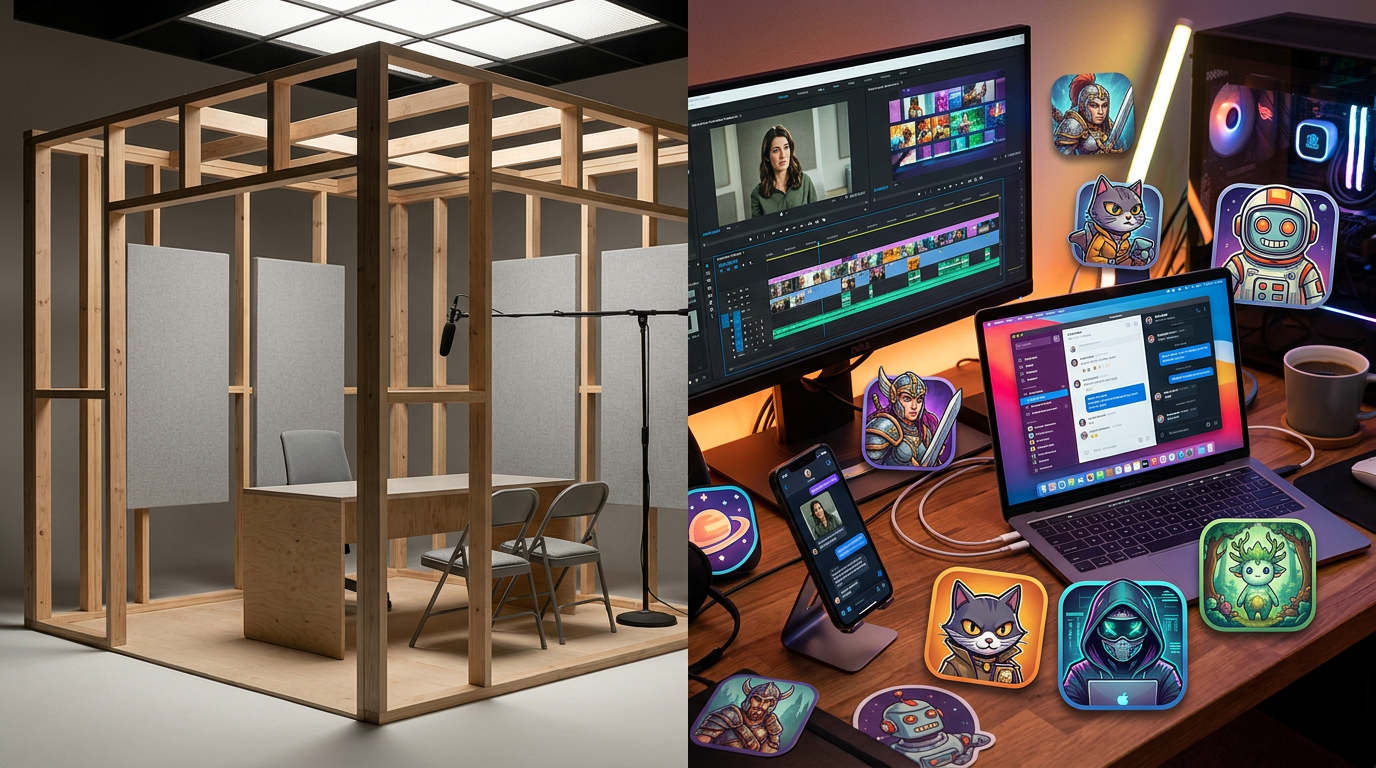
In Nathan Fielder’s The Rehearsal, the premise is simple yet radical: if you can simulate every possible outcome of a social interaction, you can eliminate the friction of uncertainty. Fielder builds elaborate, high-fidelity sets to practice conversations, anticipating every variable until the final performance feels like a natural, inevitable conclusion. This is not just a comedic conceit; it is a masterclass in production strategy that every modern creator should be stealing.
Most content creators operate on a "post and pray" model, hoping that a random spark of inspiration will translate into engagement. By adopting the rehearsal mindset, you shift from reactive posting to proactive engineering. Using tools like Fanfun, you can treat your content as a series of simulations, testing character tones, script pacing, and audience responses in a low-stakes environment before you ever hit the record button or publish a final edit.
The Logic of the Infinite Loop
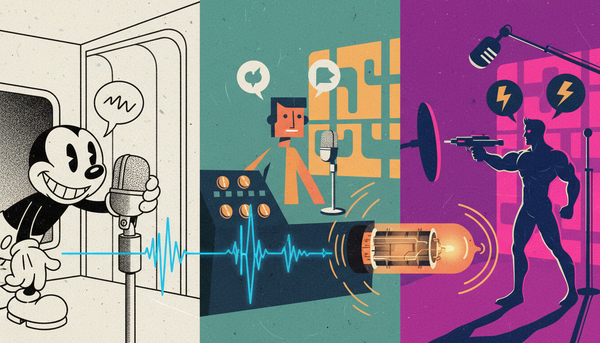
Fielder’s genius lies in his commitment to the loop. He iterates until the "performance" feels like a seamless extension of his intent. For the digital creator, this loop is now powered by AI. Instead of spending hours recording and re-recording your own voiceovers, you can use an AI voice generator to test multiple deliveries of a single script. Does a dry, deadpan delivery work better than an enthusiastic, high-energy cadence? By running these simulations, you remove the guesswork that usually plagues the creative process.
This isn't about replacing your intuition; it’s about augmenting your preparation. You are essentially running a dress rehearsal for your audience. When you utilize the Fanfun platform to experiment with different character personas, you are refining your brand’s voice in real-time, ensuring that by the time your content goes live, it is already calibrated for maximum resonance. The ability to pivot based on a simulated output is the difference between content that feels like a draft and content that feels like a finished product.
Building Your Own 'Fielder' Persona
Modern audiences are drawn to hyper-specific, slightly rigid archetypes. They want to know exactly what they are getting when they click your video. When your persona is clearly defined, you provide a reliable anchor for the viewer in a chaotic feed. Whether you are channeling the intense, motivational energy of The Rock Dwayne Johnson or leaning into the whimsical, high-pitched playfulness of Spongebob Squarepants, the key is consistency.
The risk of generic content is that it is instantly forgettable. To avoid this, you must treat your character voice as a fixed variable. Using AI tools allows you to maintain that character integrity across every video, meme, or chat interaction. When you fix your persona, you stop drifting into the mundane and start building a recognizable brand identity that fans can rely on. Consistency is the bedrock of trust; when an audience knows the "vibe" of your channel, they are more likely to return for the next installment.
The Rehearsal Framework for Creators
To move from aimless posting to intentional storytelling, adopt this three-stage framework:
- Stage 1: Scripting the 'What If': Anticipate audience reactions. What are the common objections or questions your content will trigger? Write your scripts to preempt these, just as Fielder anticipates the reactions of his rehearsal participants.
- Stage 2: Voice Testing: Use an AI voice generator to hear your script in different registers. Does the tone match the intent? Does it sound like the persona you are building? Use the Dwayne Johnson AI to test how a high-stakes message lands with a powerful, authoritative delivery.
- Stage 3: The Interaction Loop: Refine the dialogue through iterative testing. If the response feels robotic, adjust the prompt or the phrasing until the character feels human and responsive.
The Architecture of the 'Fake'
There is a profound paradox in using AI to appear more authentic, yet it is exactly what Fielder’s work proves: the "fake" setup can lead to a more profound "real" emotional resonance. When you use a high-quality AI persona to deliver a message, the audience isn't looking for a perfect impersonation; they are looking for the essence of the character to enhance the content's narrative. This is the difference between low-effort voiceovers and strategic, character-driven production.
Consider the impact of using a recognizable figure like Shaq for a sports-themed promo. You aren't just using a voice; you are borrowing the cultural weight and the specific cadence of an icon to elevate your own message. This is a strategic choice, not a shortcut. It allows you to focus on the narrative arc while the AI handles the heavy lifting of character consistency. In a world where attention is the primary currency, using established archetypes as a shorthand for your message is a high-level creative maneuver.
Scaling Your Creative Vision
Moving beyond the "Cameo alternative" mindset requires viewing AI as a production partner rather than a shortcut. If you need a stable of characters—perhaps you need the iconic, recognizable presence of Mickey Mouse for a nostalgic segment or the modern, trend-focused appeal of Ai Kylie Jenner—you can deploy them instantly without the logistical nightmare of traditional booking. This allows you to manage creative burnout; you delegate the repetitive "rehearsals" to AI, allowing you to focus on the high-level creative strategy that makes your content unique.

By treating your content creation as a series of rehearsals, you gain the freedom to fail in private. You can test the wildest ideas, the most awkward scripts, and the most experimental voice tones without risking your public reputation. This is the ultimate competitive advantage in a crowded content landscape. When you finally release your work, it isn't just a video; it’s a refined, tested, and high-impact piece of media that has already been through the fire of the simulation. You aren't just creating content; you are curating an experience that has been stress-tested for maximum engagement.
How can I make my AI content feel more authentic?
Authenticity comes from specificity. Instead of broad, generic prompts, focus on the unique quirks, catchphrases, and tonal markers of your chosen character. Use AI to iterate on the script until it captures the 'rhythm' of how that person truly speaks.
Is it possible to use AI to rehearse scripts before recording?
Absolutely. By generating a draft with an AI voice, you can hear how the pacing lands, identify awkward phrasing, and test if the humor or sentiment hits the mark before you commit to a final edit.
How does Fanfun differ from traditional Cameo alternatives?
Unlike services that rely on real-time availability and manual bookings, Fanfun provides instant, scalable access to AI versions of characters. This allows for two-way interactive chats and high-frequency content production that would be impossible with traditional celebrity bookings.
Can AI voices capture the nuance of a character like Nathan Fielder?
While AI is an interpretation rather than a perfect clone, it is excellent at capturing the 'vibe' and specific cadence of a persona. The key is to use the AI as a tool to support your creative direction, rather than relying on it to do the entire creative job for you.