Beyond the Synthesizer: Why Stephen Hawking’s Voice Is the Ultimate Audio Archetype
Stephen Hawking’s voice wasn't just a communication tool; it was a character. We explore how to translate that sonic authority into your own creative projects.

For decades, the specific, clipped cadence of the DECtalk synthesizer was more than just a computer-generated voice; it was the global shorthand for profound intelligence. Stephen Hawking’s voice transcended its technical origins to become a unique sonic identity, proving that a 'robotic' delivery could convey immense warmth, humor, and gravitas. The power of this voice lies in its consistency and the way it commanded attention, stripping away the distractions of human inflection to focus entirely on the weight of the ideas being presented.
Creators often seek to replicate this specific aesthetic because it carries an inherent authority. It is an audio archetype that signals scientific curiosity and philosophical depth. However, the lesson for modern creators isn't just about mimicry; it is about understanding how a distinct sound profile can define a project’s tone. When we talk about iconic audio, we are talking about the ability to build a world using only frequency and rhythm.
The Anatomy of an Iconic Sound
In the digital landscape, we are moving past the era where 'AI' was synonymous with 'low quality.' Today, the goal is to harness the specific sonic footprint of a character to anchor your narrative. Whether you are building a documentary, a satirical video, or a piece of fan-driven content, the voice you choose acts as the primary interface between your message and your audience. This is where platforms like Fanfun change the game; by providing access to a diverse library of personas, we allow creators to experiment with these archetypes instantly, treating audio as a core design element rather than an afterthought.

The 'Hawking effect'—using a recognizable, synthetic-leaning voice to ground complex or unconventional content—is a powerful tool for modern storytelling. Documentary-style narration is the most obvious use case, but the real magic happens when you apply this level of audio design to unexpected formats. Using a distinct, authoritative voice to narrate a meme, a satirical take on pop culture, or an educational deep dive creates a compelling juxtaposition that grabs the listener's attention immediately. When you treat the voice as a character, you move from simple narration to immersive world-building.
The Ethics and Art of AI Voice Synthesis
In the age of generative media, the line between a cheap clone and a high-fidelity interpretation is thinner than ever. Ethical creation starts with intent. Using a synthesized voice to honor a legacy or enhance a creative narrative is vastly different from using it to deceive or exploit. At Fanfun, we prioritize nuance and high-quality AI interpretations that respect the spirit of the original persona rather than just outputting a flat, robotic imitation.
A high-fidelity AI voice generator does more than map text to phonemes; it captures the dynamic range, the breath, and the characteristic cadence that listeners recognize. When you choose an AI tool, look for platforms that offer control over emotional inflection. A 'cheap clone' feels like a static file; a professional-grade interpretation feels like a character participating in the story. This distinction is vital for creators who want their content to resonate with an audience rather than feeling like a low-effort gimmick. It is about capturing the 'vibe'—the intangible quality that makes a listener stop scrolling.
Defining Your Sonic Brand Identity
To truly master the use of AI audio, you must think like a sound designer. Consider the 'Hawking effect'—a deliberate choice of a synthetic-leaning voice to ground complex or unconventional content. This creates a powerful juxtaposition. If you are producing content that leans into the absurd or the futuristic, a voice that sounds slightly 'off' or highly precise can actually enhance the message. Conversely, if you are aiming for high-energy engagement, you might look toward the charismatic, punchy delivery found in a The Rock Dwayne Johnson session. The key is alignment: does the voice serve the story, or does it distract from it?
Practical Applications for Modern Creators
The versatility of modern AI allows for rapid iteration across different genres. While a synthesized voice offers a detached, intellectual edge, other personas bring a completely different gravity to a project. For instance, comparing the precise, measured output of a historical archetype to the dynamic, high-energy range found in a Dwayne Johnson Ai session reveals how much audio choice dictates audience engagement. Whether you need the stoic, machine-like precision of a scientific pioneer or the charismatic, punchy delivery of a global icon, the platform you choose must support the specific 'vibe' of your narrative. When you need to pivot from a serious tone to something more lighthearted, having a library that includes everything from Donald Trump Ai Voice to Hello Kitty allows you to maintain your brand voice while shifting the emotional register of your content.
Consider the workflow benefits of instant generation. In traditional production, finding the right voice talent, scheduling studio time, and processing audio can take weeks. With Fanfun, creators can generate, test, and refine their audio in minutes. This speed allows for a 'fail fast' approach to content creation, where you can experiment with different personas to see which one best fits your specific audience demographic or platform algorithm.
Choosing the Right Tool for Your Vision
When selecting an AI voice generator, you need more than just a large library. You need a platform that treats audio as a creative instrument. Use this decision framework to evaluate your options:
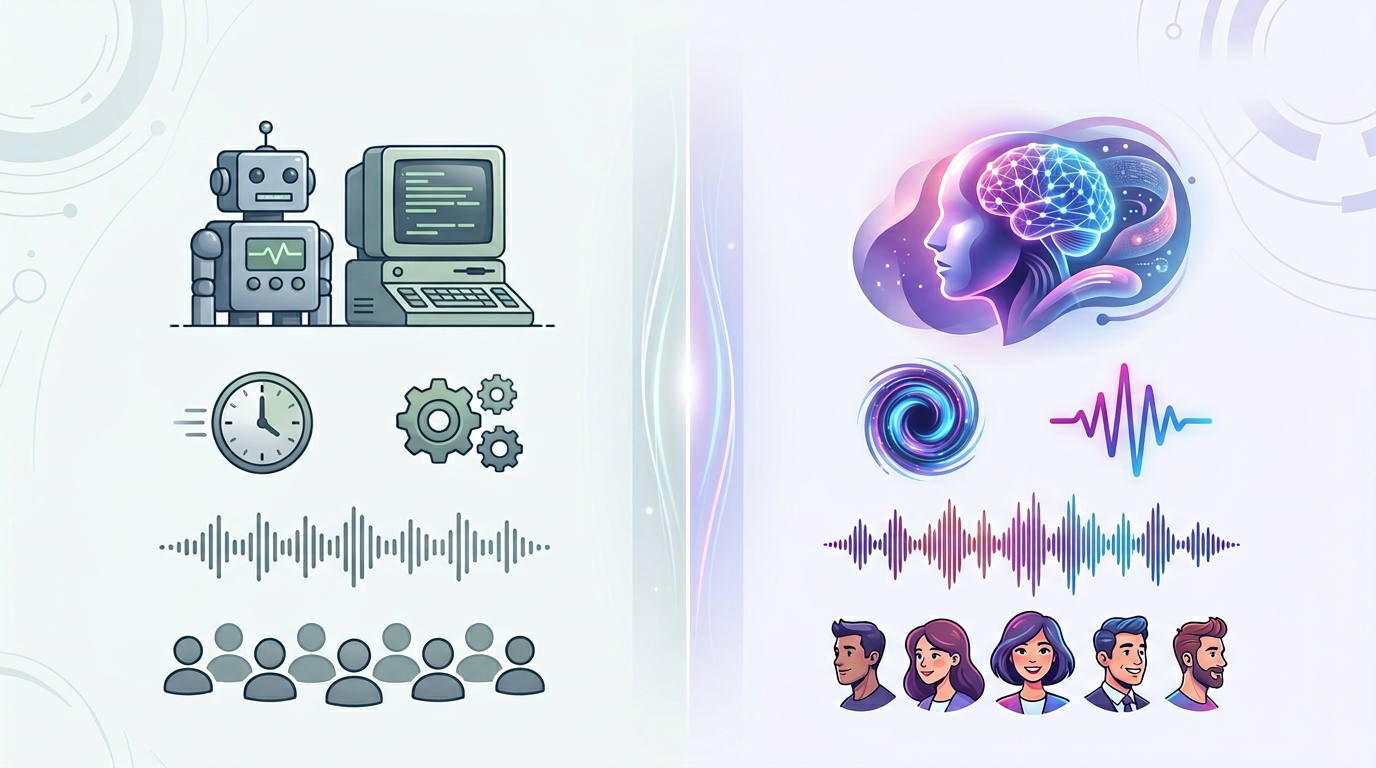
- Dynamic Interaction vs. Static Clips: Does the platform allow for two-way conversation, or are you limited to one-off text-to-speech files?
- Nuance and Inflection: Can you adjust the tone to match the context of your script?
- Speed and Integration: How quickly can you go from an idea to a rendered audio file for your edit?
- Character Breadth: Does the library offer a diverse range of personas that suit your specific project needs?
The best tools enable you to iterate in minutes, not hours. If your project requires character-driven content, you shouldn't be bogged down by complex software. You should be able to jump into an interface, select your persona, and generate the audio you need to keep your momentum going.
From Historical Icons to Pop Culture Legends
The future of content creation is character-first. As we bridge the gap between historical figures and modern fandom, the ability to synthesize iconic voices allows creators to build bridges across generations. Whether you are using the voice of Sydney Sweeney to create pop-culture-driven commentary or leaning into the nostalgic, recognizable tones of Mickey Mouse for a creative storytelling project, the goal is to make the audience feel connected to the persona.
By treating these voices as archetypes, you turn your content into a more immersive experience. The technology is no longer just a technical utility; it is a creative partner. When you approach your next project, ask yourself not just what the character says, but how their unique sonic footprint can elevate the message you are trying to share. The democratization of these tools means that high-production-value audio is no longer reserved for major studios; it is now at the fingertips of every creator looking to make their mark. The key is to remember that while the technology makes the sound, you make the art.
How can I use an AI voice generator for educational projects?
AI voice generators allow you to create consistent, high-quality narration for educational videos, e-learning modules, and presentations. By choosing a persona that aligns with your subject matter—such as a calm, authoritative voice for scientific content—you can increase listener retention and engagement.
Is it legal to use AI voices of famous historical figures?
While public domain figures are generally safer, it is always important to use AI voice technology ethically. At Fanfun, we focus on respectful interpretations and encourage creators to use AI as a tool for storytelling and creative expression rather than for impersonation or deceptive practices.
What makes a high-quality AI voice generator different from a basic text-to-speech app?
A basic app simply reads text, often with flat, robotic intonation. A high-quality AI voice generator uses advanced machine learning to capture the natural cadence, emotional range, and unique 'character' of a voice, making the output sound more human, persuasive, and professional.
Can I create interactive content using celebrity AI voices?
Yes. Advanced platforms like Fanfun offer AI chat features that allow for two-way, real-time interactive conversations with personas. This is significantly more engaging than standard video or voice clips and is perfect for creators looking to build deeper connections with their audience.