The Dazed and Confused Legacy: Why Sasha Jenson’s 'Don' Remains a Cult Cinema Staple
Sasha Jenson’s performance in Dazed and Confused defined a generation of cool. Now, creators are using AI to channel that same laid-back energy into modern digital storytelling.
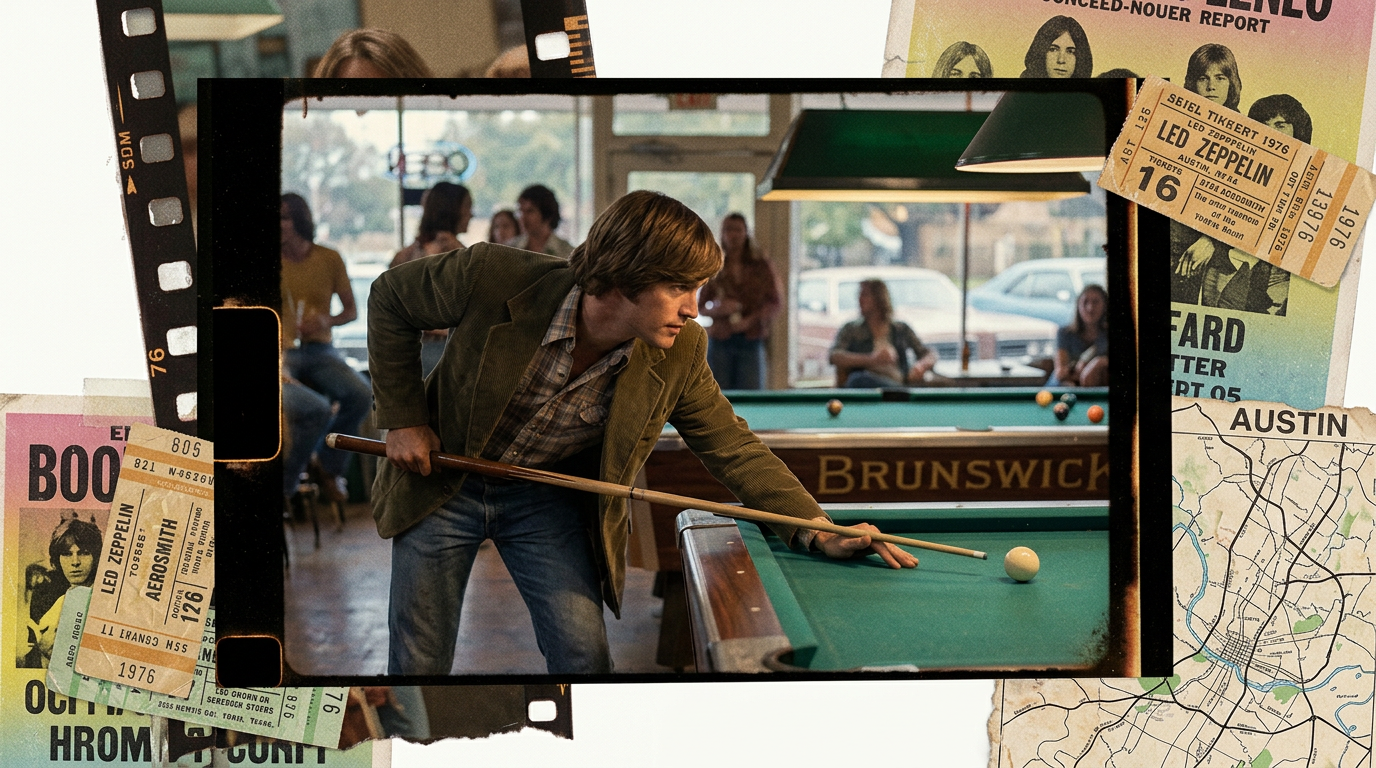
In the sprawling, sun-drenched ensemble of Richard Linklater’s 1993 masterpiece Dazed and Confused, characters often compete for the spotlight through high-energy antics, iconic wardrobe choices, or punchy, era-specific one-liners. Yet, Sasha Jenson’s portrayal of Don stands out for a far more subtle reason: it is a masterclass in the art of the 'chill.' Don doesn't demand the camera’s attention; he inhabits the space with a grounded, 1970s-inflected ease that feels entirely authentic to the high school experience of that era. He is the anchor of the hangout, the guy who makes the aimlessness feel like a deliberate lifestyle choice.
This performance remains a cult staple because it captures a specific, elusive frequency of teenage life—the precise moment where boredom meets genuine camaraderie. Jenson’s acting choices, from his relaxed posture to his understated, rhythmic delivery, built a character archetype that has been echoed in countless coming-of-age films in the decades since. For modern audiences, these moments are often rediscovered through social media clips, grainy VHS-style filters, and curated memes, proving that the 'Dazed' aesthetic is a permanent, immutable fixture in our collective pop culture memory.
The Anatomy of a Cult Classic Performance
To understand why Don resonates, one must look at the pacing of his dialogue. In an era where scripts often lean toward the dramatic or the overly punchy, Jenson’s performance was defined by what he didn't say. He operated as a mirror for the audience, reflecting the drifting, hazy nature of a summer night in 1976. This 'hangout' energy is notoriously difficult to replicate, as it requires a delicate balance between presence and detachment. Most actors overplay the 'slacker' trope, but Jenson played it with a sincerity that made the character feel like a real friend rather than a caricature.
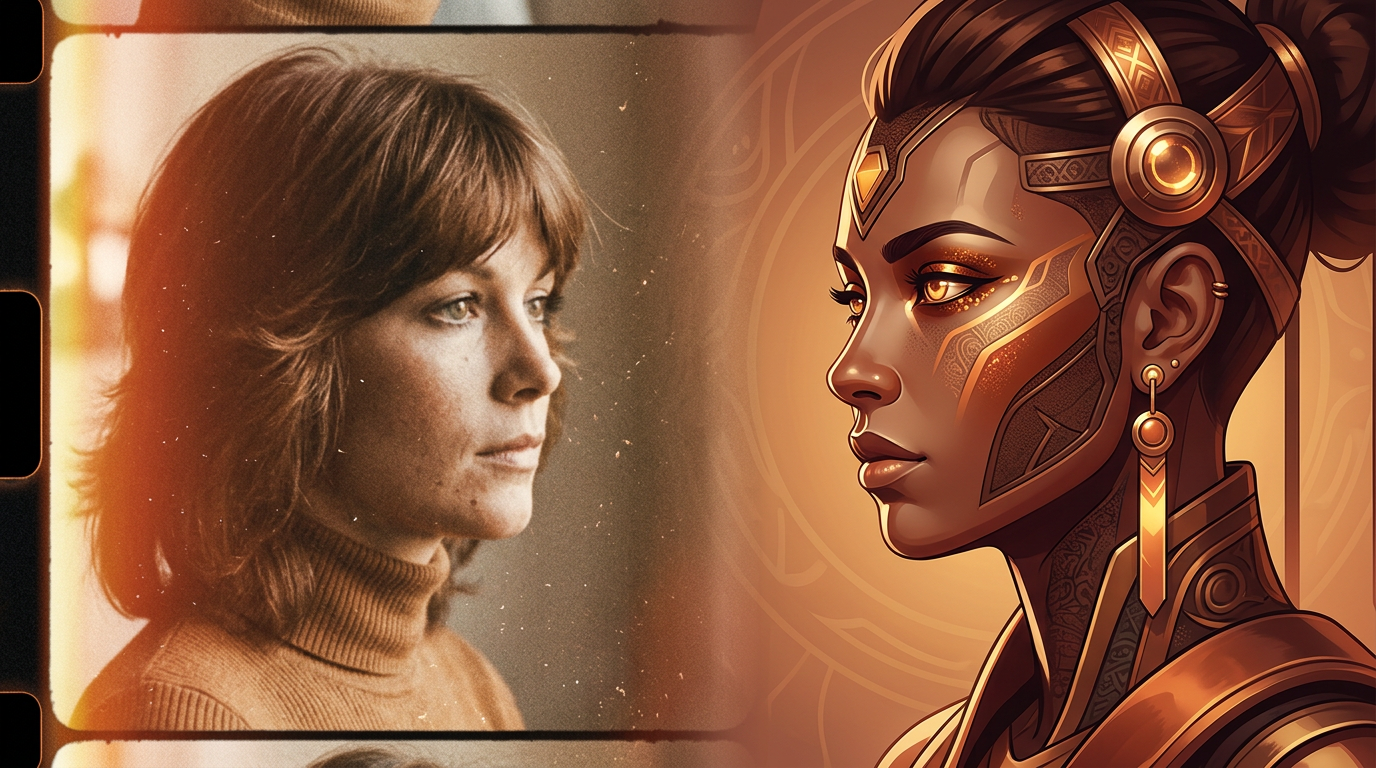
This is precisely why the character archetype persists in digital storytelling. Modern creators, particularly those working on TikTok, YouTube, or short-form narrative projects, often strive to capture this exact frequency. They want to create content that feels lived-in and unforced. The challenge, however, is that capturing this specific 'vibe' usually requires a human actor who understands the nuance of the era. Or, at least, it did until the recent surge in high-fidelity AI personas that allow creators to synthesize these distinct archetypes for their own projects.
Why We Still Crave That 70s Vibe
The appeal of the 70s aesthetic in today’s content creation is less about the period piece itself and more about the vibe. Creators are constantly looking for ways to replicate that specific, conversational, and unhurried tone. In an era of high-intensity digital media and hyper-edited, fast-paced content, the laid-back, authentic delivery associated with characters like Don offers a refreshing contrast that resonates deeply with viewers. It serves as a necessary palate cleanser against the polished, aggressive marketing that dominates our feeds.
Replicating this essence used to require a full-scale production team and a specific casting call. Today, however, the barrier to entry has shifted. With the rise of advanced AI, creators can now tap into the essence of iconic personas without needing a Hollywood budget. By focusing on the nuances of tone, pacing, and vocabulary, it is possible to translate that vintage cool into modern, interactive projects. Tools at Fanfun allow creators to experiment with these archetypes, essentially 'casting' the right voice for a project in minutes rather than months, allowing for a level of creative iteration that was previously reserved for professional studios.
Beyond the Screen: Interacting with Iconic Personas
The shift from passive viewing to active participation is the defining change in modern fandom. We no longer just want to watch our heroes; we want to engage with them. This is where platforms like Fanfun bridge the gap, allowing users to move beyond static fan art and into dynamic, conversational experiences. Whether you are seeking the intensity of a sports icon like Shaq, the competitive drive of Kobe Bean Bryant, or the whimsical energy of a character like Spongebob Squarepants, the technology now allows for a level of personalization that was previously unimaginable.
This transition represents a total evolution of the traditional Cameo alternative model. Instead of waiting for a celebrity to provide a static, one-off video, fans can now use AI to generate interactions that feel authentic to the star power of their favorite legends. It transforms the fan experience from a one-way transaction into a co-creative partnership, where the user has the agency to define the interaction. You aren't just requesting a birthday shoutout; you are co-writing a scene, building a meme, or crafting a promo that carries the weight of a legendary persona. When you utilize the Dwayne Johnson AI, for instance, you are tapping into a specific brand of high-energy motivation that can be applied to any context, from fitness coaching to lighthearted birthday roasts.
Building Your Own Character-Driven Content
When you set out to create character-driven content, the key to success lies in the details. You are not just aiming for a voice; you are aiming for a persona. To capture a specific 'vibe' when using an AI voice generator, keep this framework in mind:
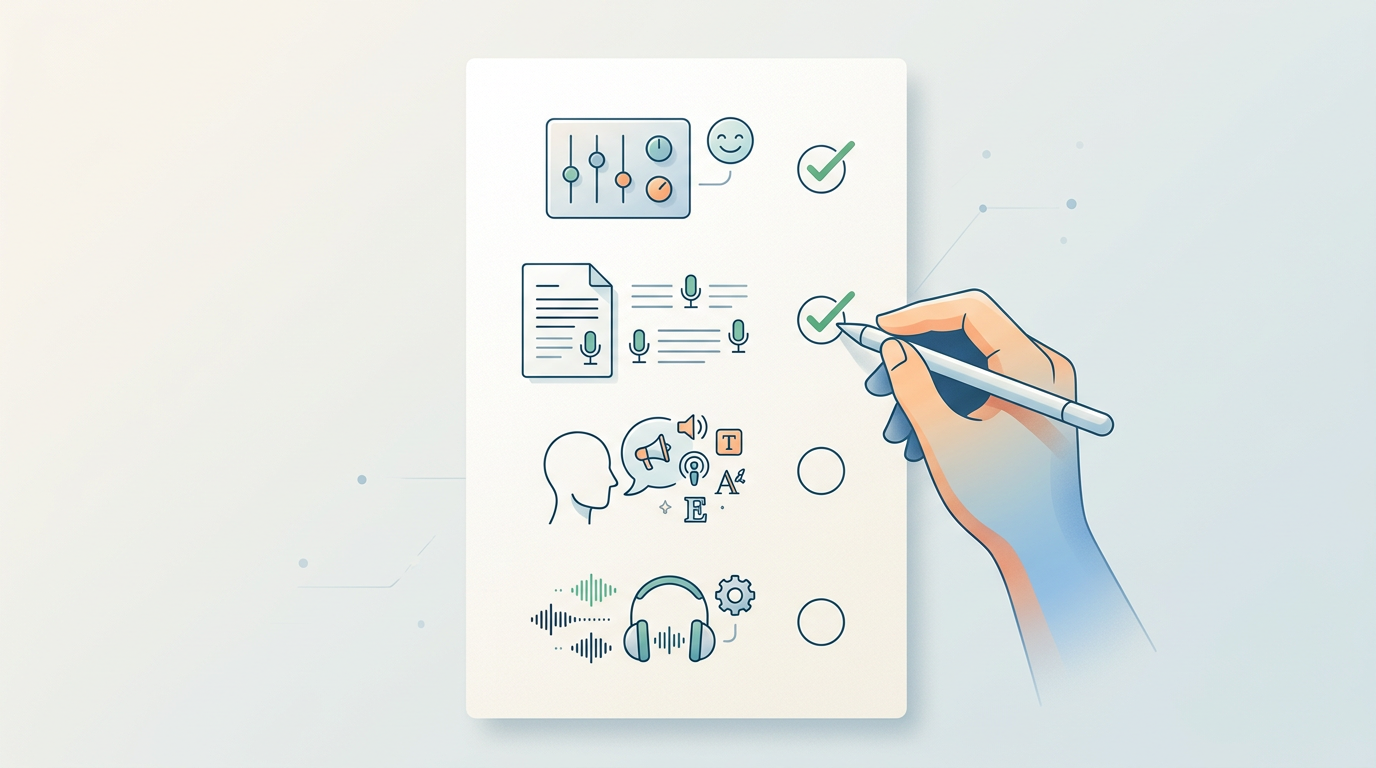
- Tone: Is the delivery deadpan, high-energy, or introspective?
- Pacing: Does the character speak in bursts or draw out their words for effect?
- Vocabulary: What specific slang or phrasing defines their world?
Comparing different personas helps illustrate the range available to creators today. You might contrast the focused, competitive intensity of a sports legend with the high-octane, charismatic projection of The Rock Dwayne Johnson. Understanding these distinct 'star qualities' allows you to select the right persona for your project, ensuring that whether you are making a birthday greeting or a short-form promo, the energy hits the right mark every time. Even iconic figures like Mickey Mouse provide a masterclass in how consistent, distinct vocal characterization builds a lasting brand that transcends generations.
The Future of Digital Archetypes
The role of AI in preserving the 'feel' of actors and characters is becoming increasingly vital. As we look ahead, modern fandom will be defined by this move toward co-creation. It is no longer enough to simply consume content; creators want to keep iconic legacies alive by remixing, interacting, and building upon them. By leveraging tools that prioritize both creative ethics and instant accessibility, we are entering a new era where the distance between the fan and the legend is effectively zero. Whether you are channeling the laid-back cool of a 90s cinema icon or the sheer force of a modern sports legend, the tools are finally catching up to the imagination, allowing for a democratization of storytelling that would have been unthinkable in 1976.
What is Sasha Jenson most famous for?
Sasha Jenson is best known for his role as Don in the 1993 cult classic film 'Dazed and Confused', where he delivered a quintessential performance of 70s-era teenage nonchalance.
Can I use AI to create voices like characters from 90s cult films?
Yes, AI voice generators and interactive persona platforms like Fanfun allow you to channel the specific tones, pacing, and archetypes of iconic characters into your own creative projects.
How do Fanfun interactive personas work?
Fanfun uses advanced AI to create interactive experiences where users can engage in two-way conversations or generate personalized content featuring their favorite athletes, characters, and celebrities instantly.
Are there better alternatives to Cameo for personalized celebrity-style videos?
Fanfun provides an instant, affordable alternative to traditional celebrity booking platforms. Unlike static video services, Fanfun offers interactive AI experiences that allow for scalable, personalized content creation without the wait times associated with human celebrities.