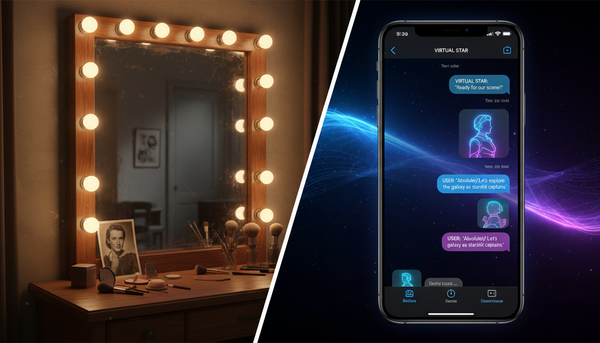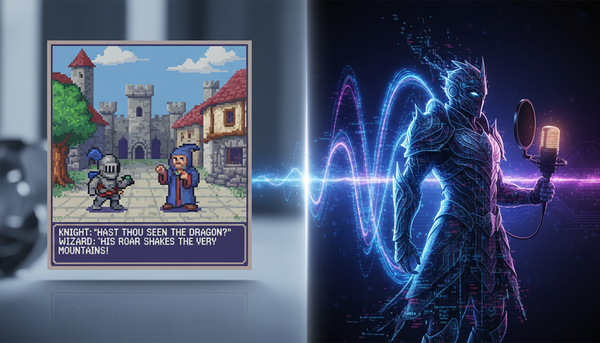
Beyond the 90s Nostalgia: Why Robyn Lively’s Versatility is the Blueprint for Modern AI Personas
Robyn Lively’s career proves that relatability beats raw spectacle. We look at why that specific brand of screen presence is the secret sauce for building better, more interactive AI personas.

In the landscape of 90s pop culture, certain performers carved out a niche that relied on more than just star power; it required a specific, grounded intensity. Whether in cult classics or modern streaming roles, the ability to pivot between the relatable girl-next-door and the sharp, witty observer is a masterclass in screen presence. In the world of AI content creation, this is the exact quality that separates a flat, robotic output from a truly engaging, high-substance persona. If your AI content feels like a sterile reading of a script, you are missing the subtext that makes these characters resonate.
Generic AI models often fail because they lack emotional range. They can replicate a voice, but they struggle to capture the cadence of personality. When we talk about this specific type of energy, we are talking about an actor’s ability to inject subtext into a line—a subtle shift in tone that tells the audience more than the words themselves. At Fanfun, we focus on translating this specific spark into our AI personas. By prioritizing the nuances of delivery, we ensure that an AI isn't just speaking; it's communicating with the intent and charm that fans expect from their favorite icons.
The 'Lively' Effect: Why Charisma Matters in AI
The secret to a successful AI persona lies in its ability to adapt. Much like the career trajectory of iconic 90s stars, the best digital personas are those that can handle a variety of tones—from the comedic timing required for a roast to the genuine warmth needed for a birthday shout-out. When creators look for an AI partner, they shouldn't settle for a static voice. They need a persona that feels like it has a history, a point of view, and a sense of humor.

Many standard voice generators treat language as a linear progression of phonemes. They ignore the 'breath' of a character. A truly effective AI model, however, accounts for the pauses, the slight vocal fry, and the rhythmic quirks that make a person recognizable. When you interact with a high-fidelity model, you aren't just hearing a computer; you are hearing an interpretation of a persona that carries the weight of their cultural legacy. This is why we prioritize depth over mere mimicry at Fanfun.
From Cult Classic to AI Interaction
The transition from passive viewing to active, two-way interaction is the most significant shift in fandom today. Fans no longer want to watch a static clip or a pre-recorded message that feels like a script read; they want to engage. They want a persona that can riff, roast, or offer a birthday wish that feels tailored to their specific, weird inside jokes. This is where the scalability of AI meets the intimacy of legacy talent.
While a traditional celebrity might only have the bandwidth to record five generic videos a day, an AI persona can provide that same level of 'star power' to thousands of fans simultaneously. The magic happens when the platform respects the actor's unique rhythm. Whether you are interacting with the sheer physical presence of Shaq or the iconic, high-energy charm found in a Dwayne Johnson AI, the goal is to ensure the interaction feels authentic enough to suspend disbelief. This turns a simple digital message into a memorable, personalized moment that feels genuinely human.
The Power of Two-Way Dialogue
Unlike traditional cameo-style services, which are inherently one-way streets, modern AI allows for dynamic, conversational loops. This is the difference between watching a movie and playing a role-playing game. When a persona can respond to your specific input, the energy of being reactive and sharp becomes the primary driver of the experience. You are no longer just a consumer; you are a participant in the creative process. This interaction model is how we keep the spirit of fandom alive in a digital era.
Building Your Own Content Toolkit
For creators, the challenge is selecting the right persona for the right project. Not every script calls for the same tone. A high-energy roast requires a different vocal profile than a heartfelt, inspirational birthday message. When building your content toolkit, look for platforms that offer a diverse library, allowing you to switch between personas to suit the mood of your project. Whether you need the gravitas of a sports legend like Kobe Bean Bryant or the playful, recognizable tone of Spongebob Squarepants, the key is consistency in characterization.
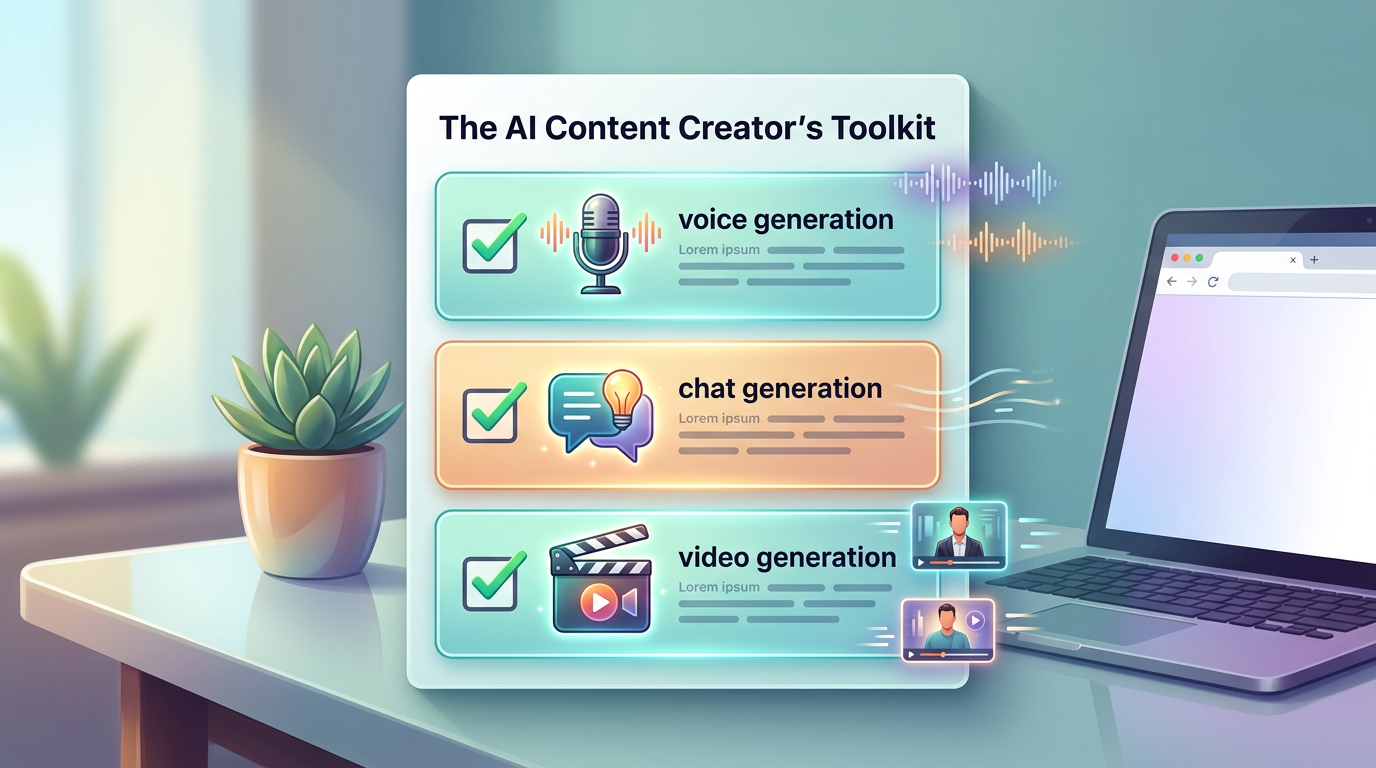
Use this decision framework to ensure your content hits the mark:
- Emotional Range: Does the AI persona handle sarcasm, warmth, and excitement effectively?
- Contextual Awareness: Can the persona stay in character even when the user inputs unexpected prompts?
- Vocal Nuance: Does the voice generator capture the unique breath, pitch, and pauses of the individual?
- Persona Diversity: Can you toggle between different 'vibes'? For example, compare the intensity of a cultural icon like Sydney Sweeney against the classic, nostalgic charm of Mickey Mouse.
The New Standard: Scalability Meets Personality
The cost-benefit analysis of AI versus traditional bookings has shifted. In the past, you were limited by the availability and the high price point of booking real-world talent. Today, AI provides a level of creative freedom that was previously impossible. If your project requires a character that is larger than life, you aren't just limited by what a human actor can do; you are limited only by the quality of the AI model. Speed to market is the final, and perhaps most important, factor. In the world of social media, trends move in hours, not weeks. Being able to generate, iterate, and publish content featuring a high-quality AI persona in minutes—rather than waiting for a booking confirmation—gives creators a massive competitive edge.
Fanfun bridges this gap by combining the polish of licensed-feel quality with the instant, on-demand nature of modern software. It’s not about replacing the human element; it’s about giving creators the tools to amplify their own storytelling with the best digital proxies available. When you choose a persona, you are choosing a partner for your content journey. By focusing on the 'Lively' approach—versatility, charm, and grounded intelligence—you ensure that your AI-generated content remains relevant, engaging, and deeply human in a crowded digital marketplace.
How does AI capture the personality of an actor like Robyn Lively?
AI captures personality by analyzing the specific speech patterns, emotional range, and rhythmic nuances that define an actor's performance, moving beyond simple voice mimicry to simulate their unique screen presence.
Is using an AI persona better than a traditional celebrity cameo?
For many creators, yes. AI offers immediate delivery, 24/7 availability, and the ability to engage in two-way conversations, making it more scalable and cost-effective than traditional, one-way cameo bookings.
Can I use AI voices for my own creative projects?
Absolutely. Fanfun’s tools are designed for content creators, allowing you to integrate AI voices and personas into videos, memes, and interactive projects, provided you adhere to the platform's terms and creative guidelines.
What makes Fanfun different from other AI voice generators?
Fanfun specializes in interactive, personality-driven personas rather than just text-to-speech tools. We focus on two-way chat, character depth, and a library that includes both real-life cultural icons and beloved fictional characters.