The Rhetoric of AI: Why Modern Content Needs More Than Just a Famous Voice
Using an AI voice generator is only half the battle. To create truly resonant content, you must master the art of the pause, the rhythm of the script, and the intent behind the delivery.
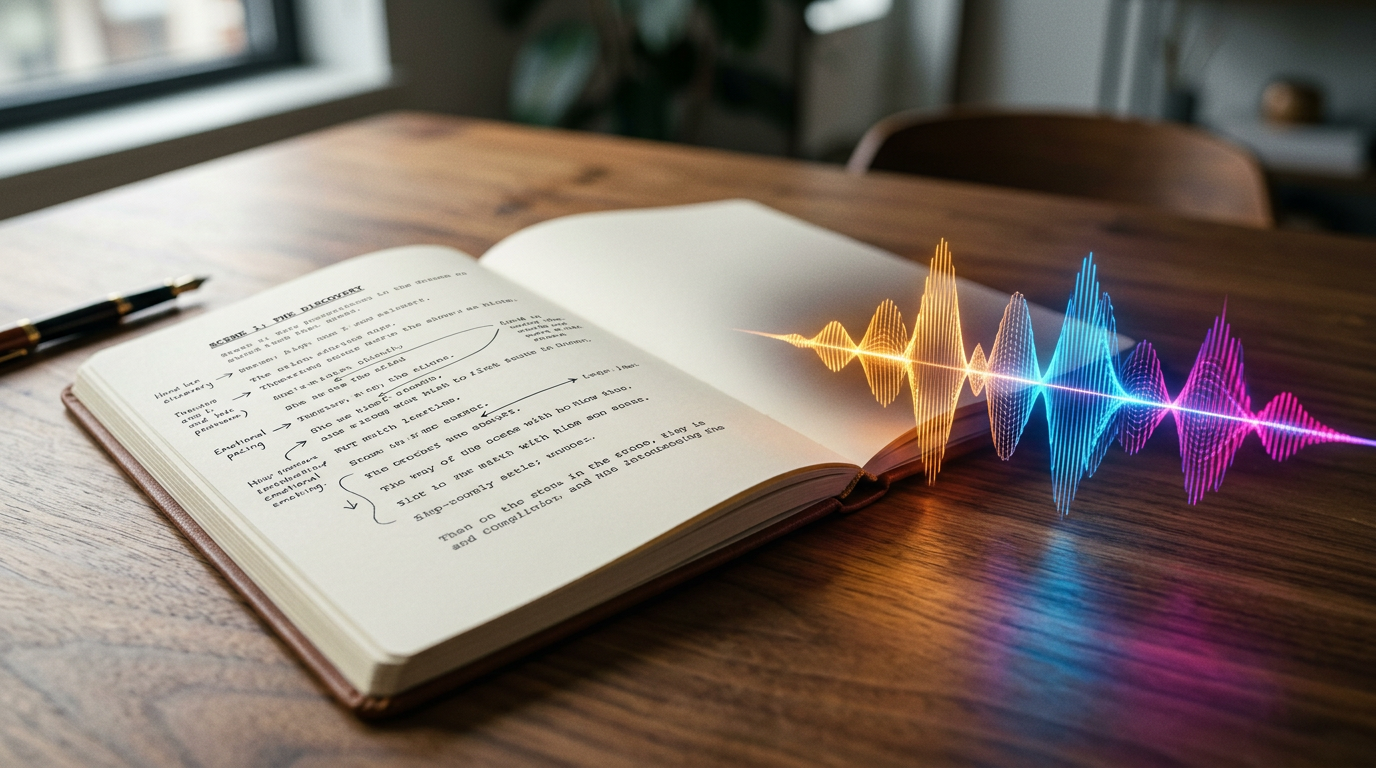
The novelty of hearing a famous voice generated by AI has largely worn off. Audiences are no longer impressed by technical accuracy alone; they are looking for substance, nuance, and a sense of purpose. The real challenge for creators today isn't just generating audio—it's understanding the rhetoric that makes specific public figures sound authoritative, calm, or compelling in the first place. When you rely on default settings, you get a simulation; when you master the cadence, you get a performance.
Consider the difference between a flat read and a curated delivery. If you are building a narrative around a Dwayne Johnson AI, the AI isn't just a voice; it is a vehicle for a specific brand of high-octane charisma. If the script is written like a technical manual, the magic evaporates. To succeed, you must treat your script as a screenplay, accounting for the breath, the hesitation, and the emphasis that a real performer would bring to the booth.
The Anatomy of a Measured Delivery
The power of the pregnant pause is often overlooked in digital storytelling, where the pressure to keep viewers engaged leads to rapid-fire edits and wall-to-wall narration. However, authority is often conveyed through restraint. By intentionally leaving gaps in your script, you allow the listener to process the information, which creates a deeper sense of trust and gravitas. This is where the difference between a 'bot' and a 'character' becomes apparent. A bot speaks until it runs out of text; a character speaks until they have made their point.
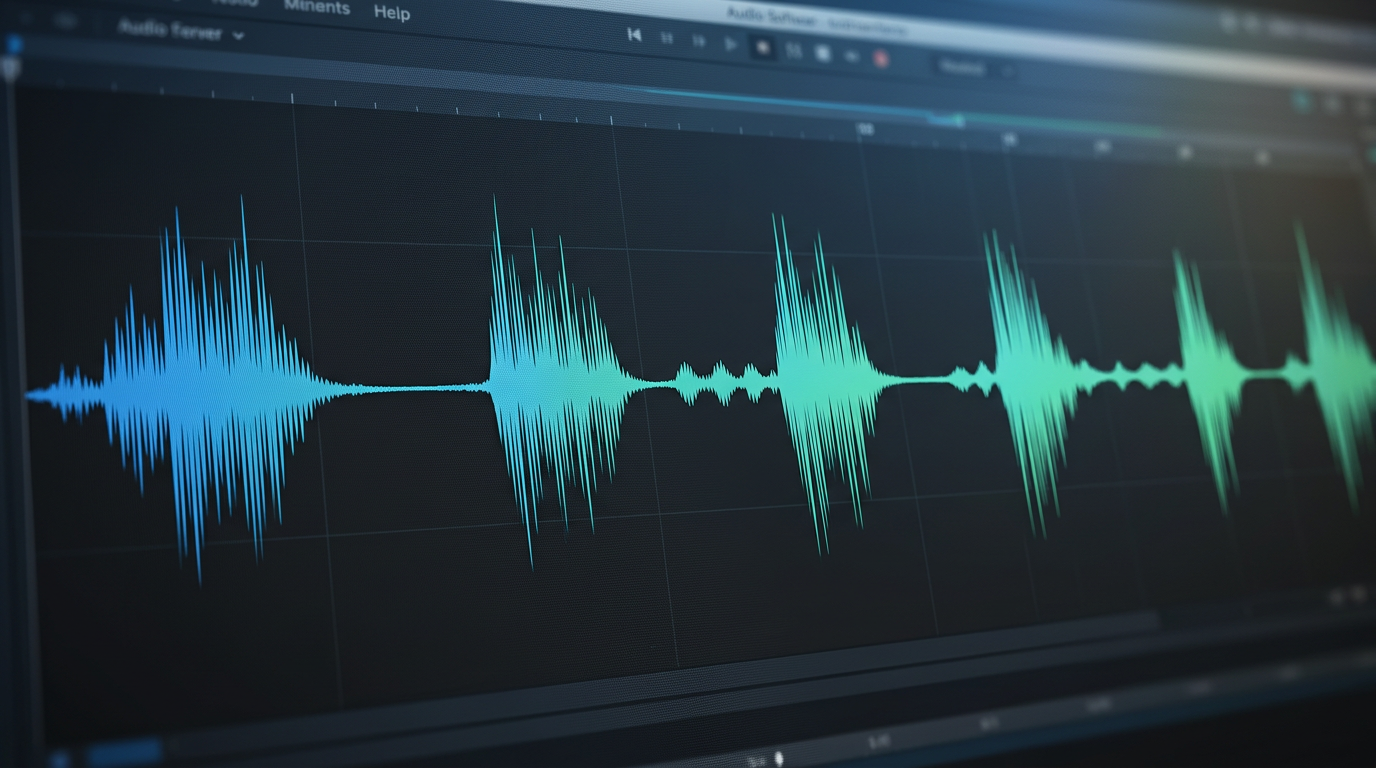
To structure sentences for this impact, focus on rhythmic balance. Instead of cramming complex clauses into a single breath, break them down. Use shorter, punchy statements followed by longer, explanatory ones. When working with an AI that mimics a statesman-like archetype, remember that 'less is more.' Every word should feel deliberate, as if it were being delivered from a podium rather than a smartphone app.
Beyond the Impression: Crafting Scripts for AI Personalities
The most common mistake when writing for AI is providing a 'wall of text.' If the AI doesn't have clear instructions on where to stop, the resulting audio will sound robotic, rushing through commas and ignoring the natural inhalation points of human speech. You must treat your script like a musical score. Think of your punctuation as the conductor’s baton.
Practical Scripting Techniques
- Use Punctuation as Pacing: Use ellipses (...) to force the AI to pause for effect, and line breaks to signal a complete change in thought.
- Match Vocabulary to Persona: A high-energy, charismatic figure needs colloquialisms and active verbs; a statesman requires precise, formal language.
- Test and Refine: Read your script out loud at a slower pace than you think is necessary. If you find yourself out of breath, the AI will sound strained, too.
- The Rule of Three: Structure your points in threes. It is the most natural rhythm for human speech and provides the AI with a predictable cadence that sounds authoritative.
The Archetype Strategy
Choosing the right persona is just as important as the script itself. Not every voice is suited for every message. When you are looking to create high-energy, charismatic content that grabs attention, you might lean toward Shaq, whose delivery style thrives on intensity and volume. Conversely, for educational or serious narrative content, you want a voice that projects stability and calm. If your brand leans toward the whimsical or nostalgic, utilizing a Mickey Mouse persona requires an entirely different set of rhythmic cues—focusing on buoyancy and upward inflections.
| Archetype | Best Use Case | Key Delivery Trait |
|---|---|---|
| Statesman | Educational, serious commentary | Measured, slow, rhythmic |
| Action Hero | Promos, memes, high-stakes skits | Intense, punchy, aggressive |
| Cultural Icon | Satire, lighthearted commentary | Conversational, relatable |
For example, if you are building an action-oriented skit, you might utilize The Rock Dwayne Johnson to capture that specific blend of bravado and confidence. The voice dictates the intensity of the script, and the script must rise to meet the expectations of that persona. If you are targeting a lifestyle or fashion audience, experimenting with AI Kylie Jenner or Kylie Jenner allows for a more polished, trend-forward tone that requires a completely different vocabulary set than a sports legend.
The Fanfun Advantage: Instant Iteration
Waiting for real celebrity bookings is a massive bottleneck that kills creative momentum. The beauty of modern content creation lies in the ability to iterate in real-time. With Fanfun, you can test how a script sounds with five different personas in the span of ten minutes. This rapid prototyping allows you to see which archetype actually resonates with your audience before you commit to a full production.

The platform isn't just a utility; it's a creative sandbox. By removing the friction of scheduling and high costs, Fanfun enables creators to focus on the 'rhetoric' of their content. You can pivot from a serious, authoritative tone to a lighthearted, meme-ready delivery in seconds. This speed allows for a level of experimentation that was previously impossible without a massive production budget. Whether you are building a brand campaign or just having fun with fandom, the ability to swap personas—moving from the intensity of a sports icon to the charm of a cartoon character—is the ultimate superpower for the modern creator.
Ethical Creativity and the Future of Fandom
As we lean further into synthetic media, the responsibility rests with the creator. Using an AI voice shouldn't be about deception; it should be about enhancing your brand's unique voice. Whether you are creating satire or tribute content, always ask yourself if the content adds value to the conversation. Respect the public figure you are emulating by ensuring your script aligns with the spirit of their persona, and always aim to create content that feels like a genuine extension of your own creative vision.
The future of fandom is interactive. We are moving away from the era of the 'passive consumer' and into the era of the 'participant.' By mastering the art of the AI performance—understanding when to pause, how to emphasize, and which persona fits the narrative—you ensure that your content remains at the forefront of this shift. Your audience will notice the difference between a generated file and a crafted experience. The tools are ready; the question is, how will you use them?
How do I make an AI voice sound more natural?
Use punctuation like ellipses and line breaks to control the pacing and force the AI to include natural pauses. Writing in shorter, rhythmic sentences also helps the AI maintain a more human cadence.
Can I use AI voices for professional content creation?
Yes, AI voices are excellent for scaling content production, such as promos, educational videos, and social media skits, provided you maintain high-quality scripts and clear, intent-driven delivery.
What is the difference between a voice generator and an AI personality?
A voice generator focuses solely on the audio output, whereas an AI personality includes the tone, vocabulary, and behavioral characteristics associated with a specific figure, making it more suitable for character-driven content.
How can I use Fanfun to create unique fan-driven content?
Fanfun provides instant access to a library of celebrity and character personas, allowing you to generate birthday wishes, roasts, or memes in minutes. You can use the platform to rapidly prototype different tones and styles for your projects.