The Parasocial Playbook: How Direct-to-Fan Content Evolved from Paywalls to Interactive AI
The era of waiting weeks for an overpriced celebrity video is ending. Explore how artificial intelligence is transforming the creator economy by putting the power of iconic voices directly into the hands of fans.
The modern creator economy is built on a simple premise: fans no longer want to just watch their favorite icons; they want to interact with them. This shift from passive consumption to active participation did not start with mainstream celebrities or venture-backed startups. It began in the trenches of the adult entertainment industry, where the direct-to-fan monetization playbook was written and refined long before mainstream platforms existed.
Today, that one-to-one interaction is undergoing another massive evolution. The expensive, paywalled, and slow human interactions of the past are being replaced by instant, affordable, and limitless creative play driven by artificial intelligence. Platforms like Fanfun are moving the power away from the creator's unpredictable schedule and placing it directly into the fan's imagination, turning everyday users into directors of their own viral moments.
The Origins of 1-to-1 Fandom: Who Really Built the Creator Economy?
Long before mainstream actors, athletes, and reality TV stars began charging for thirty-second birthday shoutouts, adult content creators pioneered the personalized video model. In the early 2000s and 2010s, before venture capitalists coined the term "creator economy," these performers were already executing sophisticated direct-to-fan business models. They utilized early cam sites and custom clip sales to offer something traditional media could not: dedicated, personalized attention.
The core appeal was parasocial intimacy. Fans were willing to pay a premium not for high-production value, but for a custom shoutout, a specific phrase, or a personalized greeting spoken directly to them. This transaction created a powerful illusion of closeness, bridging the gap between the untouchable performer and the everyday consumer. It trained an entire generation of internet users to open their wallets for digital intimacy.
This model proved that audiences crave interactive, personalized experiences over passive media consumption. It established the core mechanics of the modern creator economy: direct access, micro-transactions, and the monetization of parasocial relationships. Mainstream platforms eventually sanitized and packaged this exact model for the masses, allowing fans to buy brief moments of attention from sitcom stars and musicians.
The Bottleneck of Human Interaction in Personalized Video
While the one-to-one model fundamentally changed how fans interact with creators, it hit a hard ceiling when it came to scale. The traditional personalized video model relies on human bandwidth, which is inherently unscalable. Creators, athletes, and actors have limited time, leading directly to high costs and frustratingly long turnaround times for the consumer.
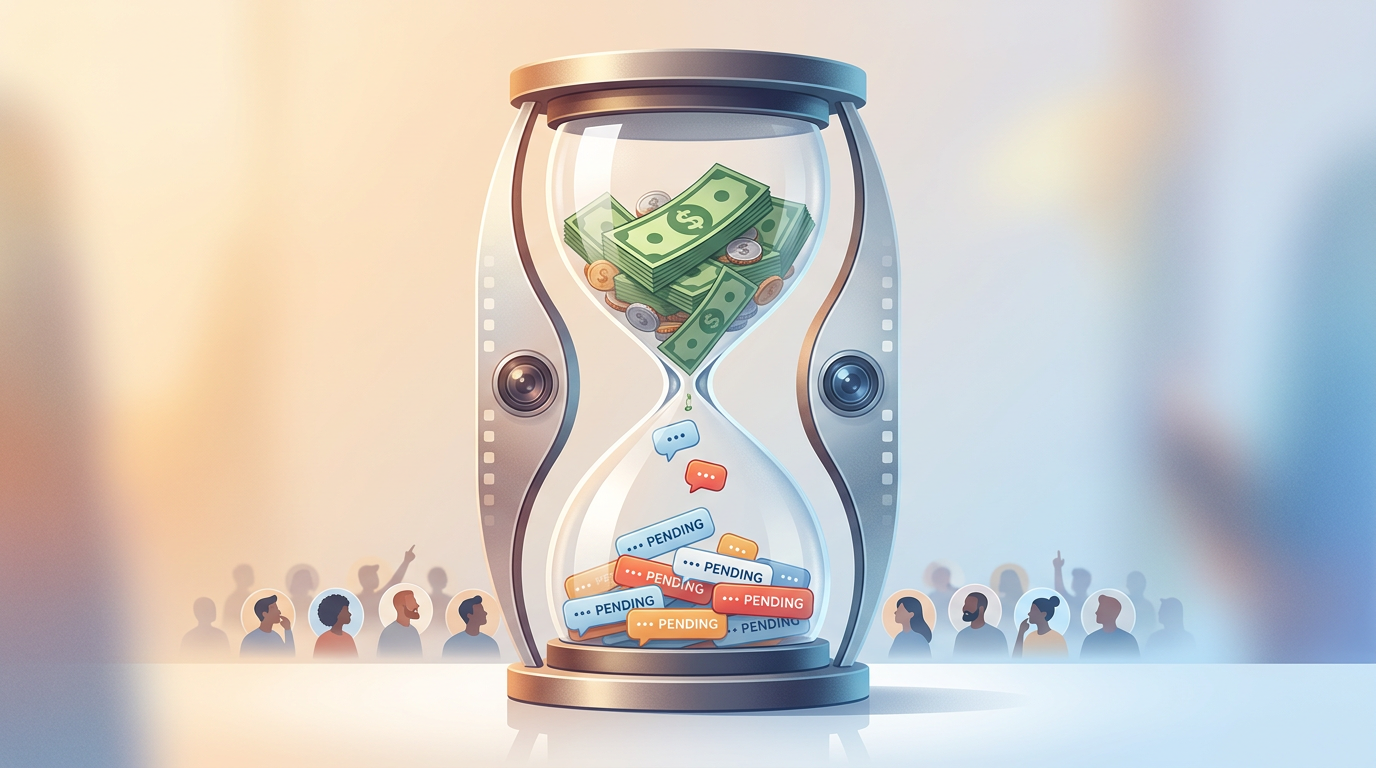
We have all seen the disappointing viral clips: a fan pays hundreds of dollars for a birthday message, only to receive a poorly lit, muffled video of a celebrity walking through an airport concourse, mispronouncing the recipient's name, and rushing through the script in fourteen seconds. The quality of the final product is entirely dictated by the creator's mood, lighting setup, or availability on any given Tuesday.
If you wanted a personalized message from a towering sports legend, you were at the mercy of their offseason schedule and a VIP price tag. Booking real sports icons for a quick joke or birthday wish could cost thousands of dollars, making it inaccessible for the average fan. But with modern tools, generating a custom message from an AI interpretation of Shaq takes the friction out of the process, delivering the larger-than-life energy without the VIP waitlist or the exorbitant invoice.
Beyond time and money, human-driven platforms enforce strict boundaries on scripts. Fans rarely get the exact comedic timing, deadpan roast, or hyper-specific meme format they originally envisioned. The creator might reject the script, misunderstand the inside joke, or simply phone in the performance, leaving the fan with a sterile, generic video that fails to capture the intended humor.
How AI is Flipping the Script on Fan Engagement
Artificial intelligence is entirely dismantling the physical and temporal bottlenecks of traditional fan engagement. By removing the friction of time, location, and availability, AI allows fans to generate high-quality personalized messages instantly. You no longer have to hope your favorite personality logs on and approves your request; the technology is ready whenever inspiration strikes.
This shift moves the creative power entirely from the creator's unpredictable schedule to the fan's imagination. Whether it is a late-night idea for a group chat roast, a last-minute birthday gift, or a voiceover needed for a TikTok edit, the execution happens in minutes, not weeks. The user is no longer a passive buyer hoping for a good performance; they are the director controlling the output.
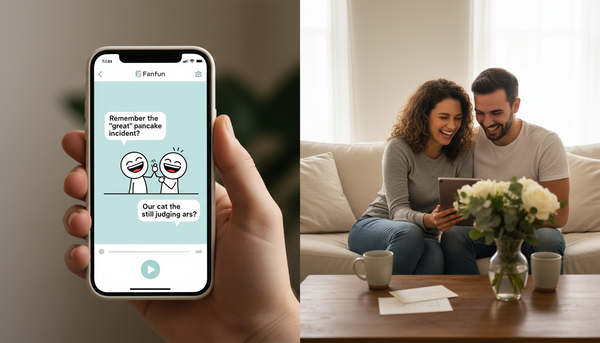
Platforms like Fanfun are democratizing access to celebrity-style interactions. By providing an ecosystem where fans can access AI voice generators and interactive personas, Fanfun makes high-tier pop culture engagement affordable and scalable for everyday content creation. It is no longer just about receiving a generic greeting; it is about co-creating content with the digital likeness of cultural icons, empowering small-time creators and dedicated fans alike with broadcast-quality audio and video assets.
The Three Pillars of AI-Driven Fandom
The transition from one-way, human-recorded video to multi-format interactive AI experiences is built on three distinct pillars of engagement. These formats represent how audiences are moving away from passive consumption into active digital play.
Instant Personalized Video
The direct successor to the traditional shoutout is the AI-generated personalized video. Instead of a static, one-way transaction constrained by a celebrity's willingness to read a script, users can input highly specific prompts—complete with inside jokes, precise pacing, and customized emotional delivery. The output is a broadcast-ready video message delivered by an AI persona. Because the AI does not suffer from fatigue or rush through the lines, the final video consistently matches the user's exact specifications, making it perfect for gifting, roasting, or celebrating milestones.
Dynamic AI Voice Generation
Content creators are no longer limited to their own vocal range or the expense of hiring freelance voice actors. AI voice generation allows YouTubers, TikTokers, and podcast producers to use the recognizable cadences of iconic characters as narrators, comedic foils, or voiceover artists. A video essayist can use an authoritative AI voice to read quotes, while a gaming creator can use animated character voices to punch up their comedic edits. This pillar transforms passive fans into active producers, giving them the audio tools to elevate their own digital content without breaking copyright or their budget.
Two-Way Interactive Chat
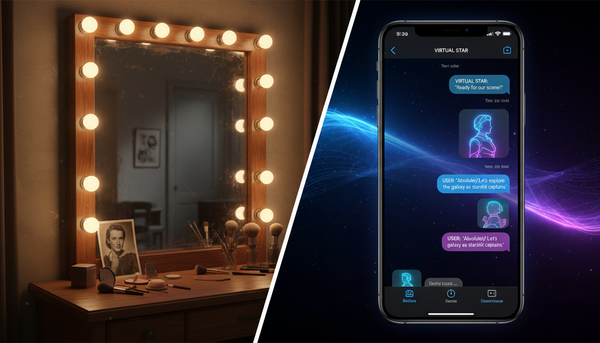
The most significant departure from legacy platforms is the introduction of real-time, two-way conversations. Instead of waiting for a single video file, fans can engage in dynamic text or voice chats with AI personas. This creates an immersive, ongoing parasocial experience where the character remembers context, reacts to the user's prompts, and sustains a narrative over time. It is a form of interactive fiction where the fan is an active participant in the dialogue, exploring scenarios and conversations that a static video could never accommodate.
The Framework: Legacy Custom Content vs. AI-Generated Fandom
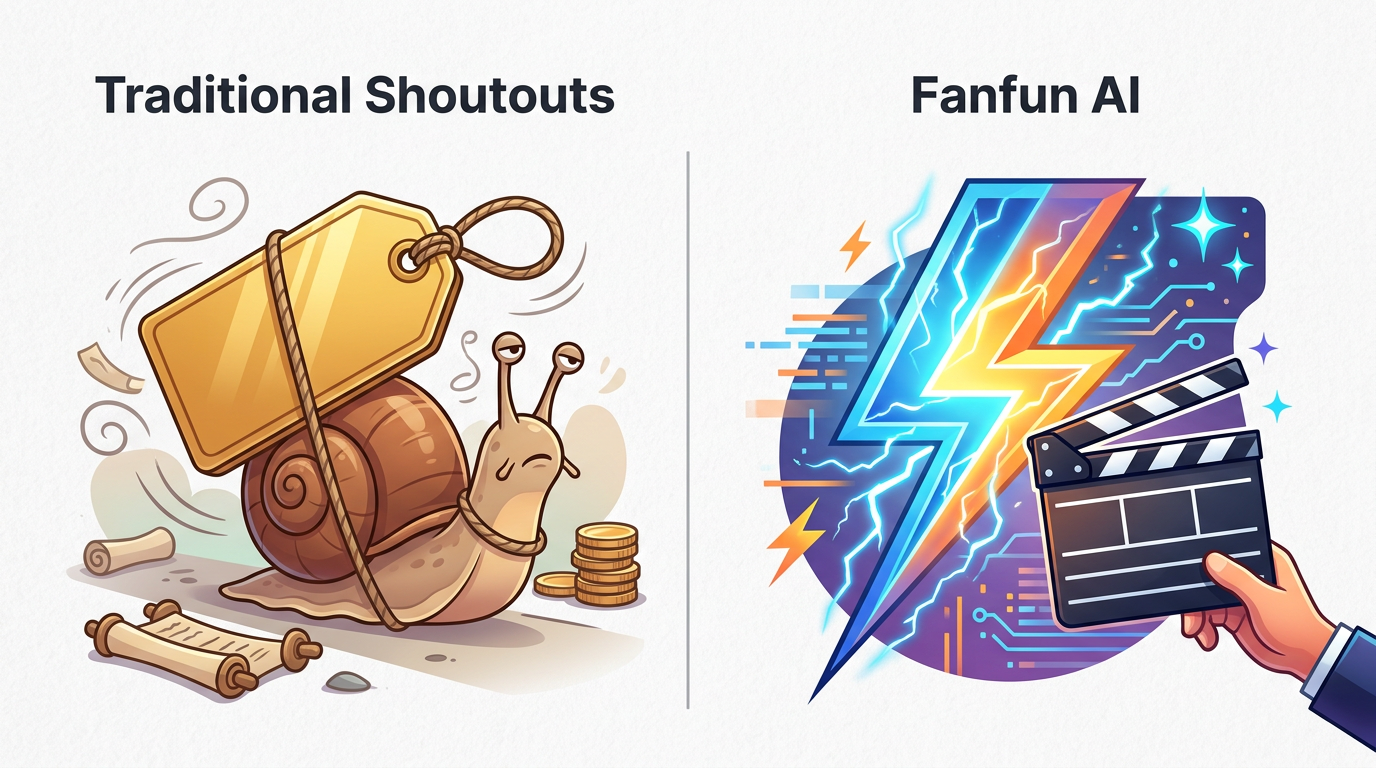
When deciding how to allocate your budget for personalized content, it helps to look at the hard differences between legacy platforms and modern AI ecosystems. Here is a practical framework to guide your decision-making process for your next piece of content or digital gift.
| Feature | Legacy Platforms (e.g., Cameo) | Fanfun AI |
|---|---|---|
| Turnaround Time | Days or weeks, heavily dependent on the talent's personal schedule and backlog. | Minutes. Instant generation allows for real-time content creation and last-minute gifting. |
| Cost Structure | $50 to $1,000+ per single video, pricing out many everyday fans. | Accessible subscription or token models, allowing for multiple generations at a fraction of the cost. |
| Creative Control | Low. Scripts are subject to talent approval, rejection, or misinterpretation. | Total. You control the exact script, ensuring roasts, memes, and inside jokes are delivered perfectly. |
| Character Availability | Restricted to real, living humans who have actively signed up for the platform. | Limitless. Includes fictional characters, anime icons, and pop culture staples that don't exist in the real world. |
As the table illustrates, traditional platforms are severely limited by reality. If you want a birthday message delivered by the energetic, porous voice of Spongebob Squarepants, legacy platforms cannot help you. AI breaks this barrier completely, allowing fans to interact with the fictional entities they actually grew up watching, rather than just the voice actors behind them.
Why Meme Culture is Driving the Mainstream AI Boom
The modern internet runs on memes, roasts, and hyper-specific inside jokes among friend groups. While parasocial intimacy built the foundation of the creator economy, meme culture is what is driving the mainstream adoption of AI personalized content.
Instead of paying for a polite, generic "happy birthday" message, users are leveraging AI to have iconic voices deliver deadpan roasts, absurd copypastas, or dramatic readings of mundane group chat arguments. The humor comes from the juxtaposition of a recognizable, high-status voice saying something utterly ridiculous. Think about the audio trends that dominate TikTok and Instagram Reels; they rarely stem from polished, corporate media. They come from absurd mashups and unexpected audio drops that users repurpose for their own jokes.
For example, using an AI interpretation of Dwayne Johnson to deliver a high-energy, motivational roast to a friend who keeps skipping the gym is far more engaging—and viral—than a standard greeting card. It takes the intensity of an action star and applies it to mundane, everyday life. This shift proves that the future of personalized content isn't just about feeling close to a celebrity. It is about empowering fans to become the directors, writers, and producers of their own viral moments, using the world's most recognizable personas as their cast.
How is AI changing the personalized video industry?
AI is eliminating the high costs and long wait times associated with traditional personalized video platforms. By using AI voice and video generation, fans can instantly create custom messages, roasts, and memes without waiting for a celebrity's schedule to clear, giving the user total creative control over the final product.
What are the best instant alternatives to Cameo for custom videos?
Fanfun is a leading instant alternative to traditional platforms like Cameo. Instead of paying hundreds of dollars and waiting weeks for a human to record a video, Fanfun allows users to generate personalized videos, voiceovers, and interactive chats using AI interpretations of celebrities and characters in just minutes.
Can I use AI to create personalized celebrity roasts and memes?
Yes. Because AI platforms give you total script control, they are ideal for creating highly specific roasts, inside jokes, and viral meme content. You can write the exact comedic timing and dialogue you want, and the AI persona will deliver it precisely as written without rejecting the script.
How do AI voice generators handle fictional and cartoon characters?
Unlike traditional custom video platforms that are limited to real, living humans, AI voice generators can analyze and replicate the unique vocal characteristics of fictional characters. This allows fans to create personalized content and interactive chats with cartoon icons, anime characters, and movie personas that otherwise wouldn't be accessible.