Beyond the Script: Why Nick Peine’s Approach to Character Comedy Is the Blueprint for Modern Creators
Comedic longevity is built on precision, not volume. We break down the 'Peine method' of character comedy and show how you can test your own voice using AI.

In the high-speed ecosystem of modern social media, the most successful creators are often those who master the art of restraint. Nick Peine, known for his ability to inhabit characters with a specific, awkward, and deeply relatable cadence, offers a masterclass in comedic timing that defies the standard 'loud-is-funny' algorithm. His approach is not about shouting over the noise; it is about finding the exact frequency of a character and holding it with unwavering commitment.
For creators looking to refine their own voice, Peine’s work serves as a blueprint for the power of the 'straight man' dynamic. Whether you are building an original persona or riffing on a cultural icon, the goal remains the same: creating a character that feels grounded, consistent, and instantly recognizable. By focusing on micro-expressions and the refusal to over-explain the joke, you can build a library of content that resonates far longer than a single viral trend.
The Anatomy of the Modern Comedic 'Oddball'
Peine excels at the 'awkward observer' archetype—a performance style defined by a well-timed deadpan delivery. In an era where audiences are increasingly exhausted by over-the-top antics, this grounded approach feels like a breath of fresh air. When you build a character, you don't need to be the loudest person in the room; you need to be the most observant. The audience connects with characters who possess a distinct, internal logic that remains consistent across every video.
Think of how you might utilize established archetypes to anchor your own sketches. Just as creators lean into the recognizable traits of Spongebob Squarepants to instantly communicate a specific mood or comedic reaction, you can use AI-driven personas to test your own character’s dialogue. Consistency is the bedrock of building a loyal audience; if your character is the 'confused professional,' every inflection, reaction, and response must align with that persona to maintain the bit’s integrity.
Mastering the Measured Pause
The secret to short-form comedy is the 'pause.' In a 15-second loop, the space between the setup and the punchline is where the audience builds their anticipation. Peine’s work proves that you can communicate an entire personality trait with a single glance or a delayed reaction. This is not just about silence; it is about the *intent* behind the silence. When you are crafting content for platforms like TikTok or Reels, the temptation is to fill every millisecond with motion or sound. However, the Peine method teaches us that the 'awkward silence' is often the most engaging part of the bit. To master this, you must understand the rhythm of your character's internal monologue.
Scaling Your Creative Output with AI Personas
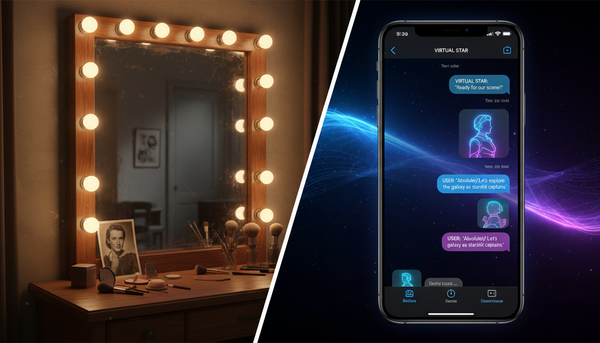
Transitioning from a passive fan to an active creator requires a shift in how you view your tools. You no longer need a massive production budget to test high-concept humor or character interactions. With platforms like Fanfun, you can bridge the gap between inspiration and execution instantly. This is where the modern creator gains an edge: the ability to prototype ideas before they go to final production. By using an AI voice generator, you can script-test a scene, hear how it sounds with different tones, and adjust the pacing without the high-friction cost of reshooting video every time you want to experiment.
Consider the versatility offered by high-profile personas. You could use an AI Dwayne Johnson persona or a The Rock Dwayne Johnson simulation to frame a bit about the contrast between movie star expectations and the mundane reality of daily life. By leveraging these models, you bypass the limitations of traditional, static media. You are not just consuming content; you are iterating on it. Whether it is the gravitas of a sports icon like Kobe Bean Bryant or the high-energy, unpredictable presence of Shaq, having access to these personas allows you to build sketches that feel culturally relevant and technically polished.
The Evolution of Fandom: From Watching to Interacting
The relationship between audience and icon has fundamentally changed. We are moving away from the static, one-way cameo model toward a world of active, two-way engagement. Fans no longer want to just watch their heroes; they want to engage in conversation, build memes, and participate in the creative process. This shift is essential for creators who want to stay relevant. By using AI to simulate these interactions, you can create hyper-personalized content that feels authentic to the source material while still being uniquely yours. Even something as classic as Mickey Mouse can be reimagined within your specific comedic framework, allowing you to blend nostalgia with contemporary wit in a way that feels fresh and unexpected.
Practical Exercises for Aspiring Character Creators
To truly adopt the Peine method, you need to move beyond theory and into active practice. Start by treating your content like a laboratory. Here are three ways to sharpen your comedic edge:
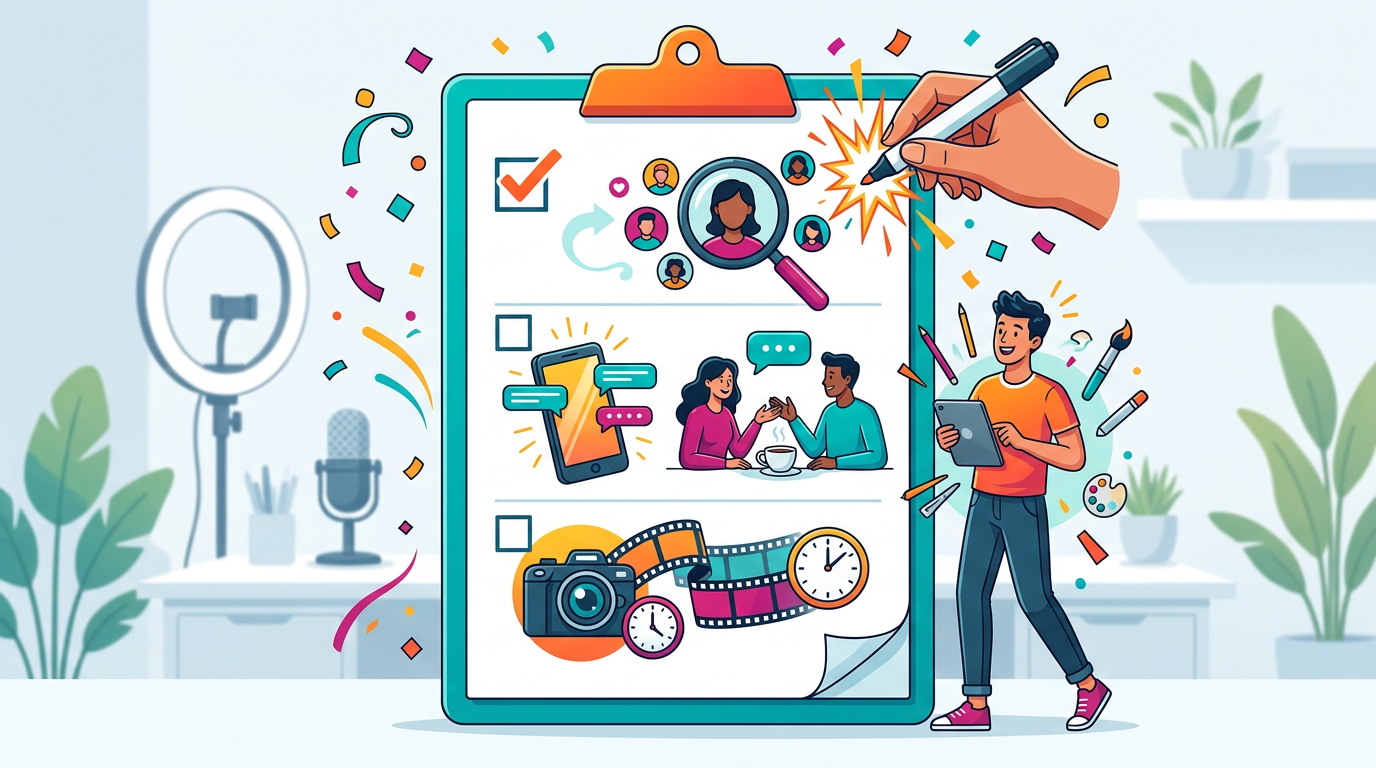
- The 15-Second Intro: Write a script where your character is introduced in under 15 seconds. Focus on one distinct trait—e.g., extreme enthusiasm or total apathy.
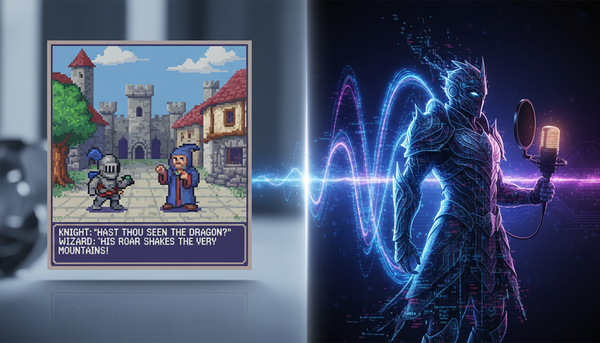
- AI Script-Testing: Use an AI voice generator to hear your dialogue out loud. If the timing feels off in the generated audio, it will feel off in your video.
- Feedback Loops: Use AI personas to 'roast' your own ideas. If you can make an AI version of a character laugh or react, you’ve likely found the right comedic angle.
- The Mirror Test: Practice the 'deadpan' look in front of a camera. Then, contrast it with an AI-generated reaction to see how the two interact on screen.
By treating your content like a laboratory, you stop being a passive consumer and start becoming a director of your own digital universe. The tools available today are not replacements for human creativity; they are amplifiers. When you combine the precision of character acting with the speed of AI, you create a workflow that is both sustainable and highly effective. The future of comedy isn't just about what you create; it's about how quickly and effectively you can refine your vision to meet the audience where they are.
How does AI voice generation help with character development?
AI voice generation allows you to test the 'rhythm' of your dialogue before you record. It helps you determine if a character’s voice matches their personality without the time sink of multiple takes.
Is it better to use a real celebrity or a fictional character for comedy sketches?
It depends on your goal. Real celebrities (like those found on Fanfun) bring immediate cultural recognition, while fictional characters allow for more creative liberty and established, recognizable tropes.
What are the best alternatives to Cameo for personalized fan content?
Fanfun is the premier alternative, offering instant, interactive, and affordable access to AI versions of celebrities and characters, removing the wait time associated with traditional celebrity bookings.
How can I practice my comedic timing using AI tools?
Use AI to generate responses to your scripts. By iterating on the pacing of the AI's delivery, you can refine your own timing and learn how to maximize the impact of your punchlines in short-form video.