Beyond the Impression: Mastering the Cadence of a Viral AI Voice
The quality of an AI voice generator is only half the battle. To truly go viral, you need to master the rhetorical blueprint of the persona you are using.

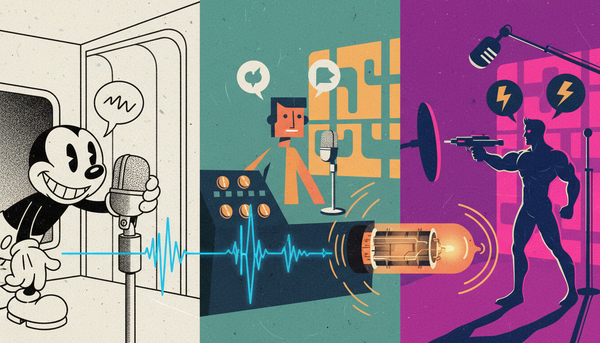
The most common mistake creators make when using an AI voice generator is treating the technology like a simple, one-size-fits-all text-to-speech tool. They input a generic script, hit generate, and wonder why the result feels hollow or "uncanny." The secret to high-quality output isn't just the fidelity of the voice; it is the rhetorical blueprint—the specific way a public figure uses syntax, pacing, and vocabulary to hold attention. When you treat the AI as a collaborator rather than a utility, you move from producing technical demos to crafting genuine, high-energy performances that resonate with your audience.
At Fanfun, we’ve observed that the most successful content creators don't just dump text into a box. They curate. They understand that every iconic personality has a "rhetorical fingerprint." This includes their preferred sentence length, their use of filler words, and how they handle emphasis. If you feed a long, academic paragraph into an AI model designed for a high-energy persona, the clash between the complex sentence structure and the speaker's natural rhythm will make the content feel synthetic. To avoid this, you must lean into the persona's natural rhythm rather than forcing them into a rigid, robotic delivery.
The Rhetorical Blueprint: Why Some AI Voices Land and Others Fail
For instance, when you use a Donald Trump AI voice, the success of your content depends entirely on mimicking his signature cadence. This means using short, punchy sentences, frequent repetition, and a vocabulary that favors superlatives and direct addresses. He doesn't speak in complex compound-complex sentences; he speaks in staccato bursts. Similarly, if you are working with The Rock Dwayne Johnson persona, you need to incorporate his characteristic bravado, transition phrases, and those specific high-intensity shifts that define his public persona. Identifying these patterns is the difference between a generic clip and a piece of content that feels like it could have come directly from the source.
Identifying Signature Patterns
Before writing your first draft, break down your target persona into three buckets: catchphrases, sentence length, and emotional inflection. Does the character use rapid-fire delivery, or do they rely on dramatic pauses? Do they prefer simple, declarative statements or winding, hyperbolic anecdotes? Once you map these traits, you can build a script that feels like an extension of their actual personality. Never underestimate the power of a well-placed pause; even in AI, silence is a tool for building tension. If your chosen persona is known for being thoughtful and measured, insert ellipses or line breaks in your text input to force the AI to respect those gaps.
Anatomy of a Viral Script: Writing for Impact
To move from "fun experiment" to "viral content," you need a structural framework. We recommend the "Hook-Punch-Outro" method to keep viewers engaged across social platforms like TikTok or Reels. This structure respects the short attention span of modern viewers while maximizing the impact of your chosen persona.

- The Hook (0-3 seconds): Start with a high-stakes question or a bold, character-specific claim. Use the persona's most recognizable vocabulary immediately.
- The Punch (3-15 seconds): This is the core of your content. Use hyperbole and repetition to build momentum. If your character is known for being loud or opinionated, this is where you amplify that energy.
- The Outro (15-20 seconds): End with a call to action or a final, punchy observation that ties back to the hook.
Pacing is just as critical as the words themselves. If you are using Ai Kylie Jenner, for example, the cadence should feel conversational, casual, and trend-focused. This requires a completely different script structure than a high-octane sports promo. You want to avoid "announcer voice" in favor of something that sounds like an intimate, off-the-cuff social media update. The goal is to make the listener feel like they are being let in on a secret.
Mixing Your Cast: Beyond the Single-Voice Video
One of the most effective ways to elevate your content is to move away from the monologue. Creating a dialogue between two contrasting personas generates immediate comedic friction. Pairing a high-energy, confident personality like the Dwayne Johnson Ai with a more grounded or playful character creates a dynamic scene that keeps audiences watching longer than a standard shoutout. Think of your content as a stage production. By utilizing the Fanfun library, you can build scenes that feel like a crossover event. Pairing the gravity of a sports legend like Shaq with the lighthearted whimsy of a character like Mickey Mouse allows you to explore themes and scenarios that wouldn't be possible with a single voice. This "clash of worlds" approach is a proven way to differentiate your content in a crowded feed. It forces the audience to pay attention because the interaction is unexpected and highly entertaining.
The Ethics of Influence: Staying on the Right Side of Fandom
As AI tools become more accessible, the line between parody and misinformation can blur. We believe the best content honors the persona rather than mocking them. Whether you are creating a roast, a birthday wish, or a meme, intent matters. Transparency is key; audiences generally appreciate creative, high-effort satire, but they are quick to call out content that feels deceptive. Use your tools to build community, celebrate fandom, and share a laugh—that is where the real value of these platforms lies. When you are crafting content, always ask yourself: does this add to the persona's legacy, or does it diminish it? The best creators use these tools to bridge the gap between fan and icon. They use the technology to create moments that would be impossible in the real world, such as a heartfelt birthday message or a funny, in-character commentary on current trends. This is the heart of modern, ethical fandom.
From Concept to Content: A Quick Start Checklist
Ready to start? Follow this workflow to ensure your next project hits the mark:

- Choose your persona: Match the character to the tone of your script.
- Draft with the 'Blueprint' method: Write in the persona's voice, not your own.
- Generate and review: Listen for natural flow. If it sounds too fast, add pauses.
- Layer for production: Add relevant background music or sound effects to ground the voice in a real environment.
- Iterate: Don't settle for the first generation. Tweak the phrasing until the cadence matches your vision.
By following these steps, you ensure that your content is not just another piece of noise in the algorithm, but a deliberate, crafted piece of media that stands out. Whether you are building a brand or just having fun with friends, the quality of your script is the foundation of your success. Remember, the technology is the instrument, but you are the conductor. By mastering the cadence, you elevate the experience from a novelty to a genuine piece of entertainment that your audience will actually want to share.
How do I make an AI voice sound more natural?
Focus on script construction. Use shorter sentences, include pauses, and incorporate the specific vocabulary and rhetorical style of the character you are using.
Can I use AI voices for professional content creation?
Absolutely. Many creators use AI voices to scale their content production, from YouTube skits to social media promos. Just ensure you are using the tools in a way that respects creative ethics and brand guidelines.
What are the best alternatives to Cameo for personalized celebrity videos?
Fanfun is the leading alternative, offering instant, affordable, and highly customizable AI versions of characters and celebrities that don't require waiting for human availability.
How does an AI voice generator handle complex sentence structures?
AI models perform best when given clear, natural phrasing. If you use overly complex, academic, or run-on sentences, the voice might sound robotic or struggle with cadence. Keep it conversational.