The Mallory James Mahoney Effect: Why Relatable Teen Icons Are Redefining Modern Storytelling
The era of the untouchable celebrity is over. We break down why Mallory James Mahoney’s relatable charm is the new gold standard for digital content and how you can apply those principles to your own creative work.

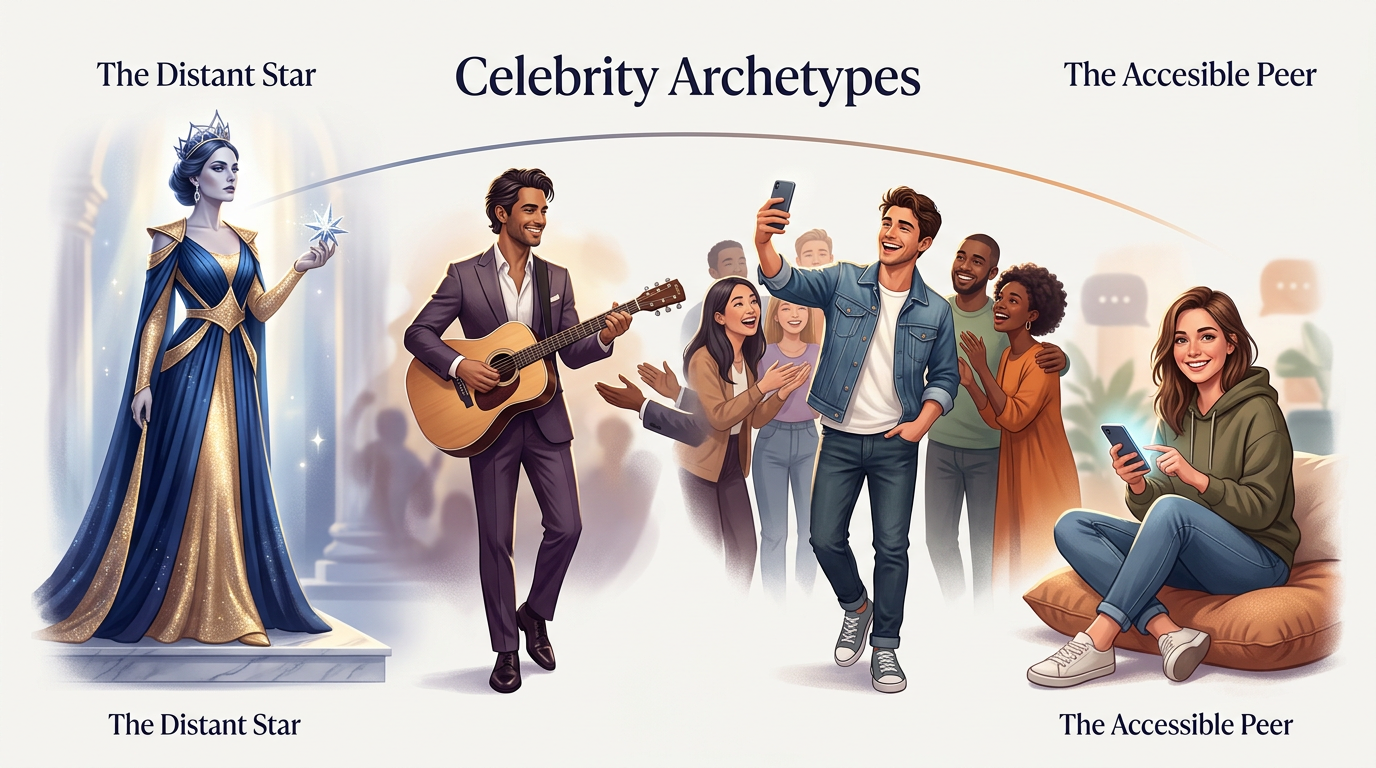
For decades, the Hollywood star archetype was built on distance. Actors were pedestal-bound figures, shrouded in mystery and defined by heightened, aspirational performances. Today, that hierarchy has collapsed. Performers like Mallory James Mahoney have become the gold standard for a new generation because they master the art of the 'peer-icon.' Their charm doesn't come from being untouchable; it comes from feeling like a friend you know from school or a coworker who gets the joke. This shift is driving a massive change in how audiences consume media, moving away from passive observation toward active, personalized connection.
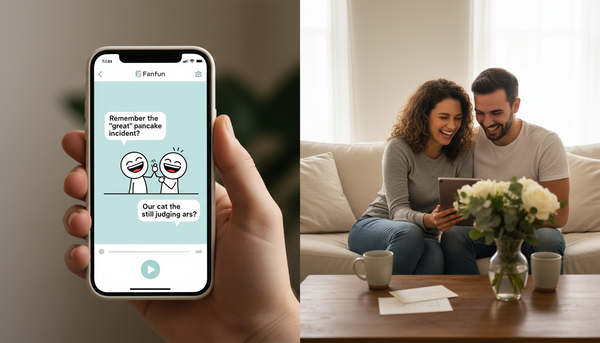
Mahoney’s performances prioritize naturalistic, understated delivery. She bridges the gap between scripted polish and the raw, conversational aesthetic of social media. This shift is exactly what modern audiences crave—they no longer want to be lectured by a screen; they want to engage with a personality that feels grounded in their reality. At Fanfun, we see this demand daily: fans aren't just looking for static clips anymore, they want to interact with personas that feel like an extension of their own social circle.
The Rise of the Peer-Icon
The 'peer-icon' effect is rooted in the erosion of the fourth wall. When a performer speaks directly to the camera with the cadence of a casual text conversation, the power dynamic shifts from 'star and fan' to 'peer and peer.' This is the primary reason why short-form video has exploded; it rewards the performer who can hold attention without needing a massive budget or a complex set. It is about the intimacy of the moment.
This relatability is not merely a stylistic choice; it is a survival mechanism for modern creators. In an attention economy, the most valuable currency is trust. When a performer feels like someone you could actually hang out with, the audience is more likely to stay, engage, and share. This is why we see such a massive demand for tools that can replicate these specific, grounded personality types.
Why Low-Stakes Charisma Wins
The most successful digital creators today understand that 'low-stakes' content often performs better than high-production values. By focusing on mundane, everyday scenarios—like a character reacting to a bad day or sharing a niche opinion—creators build a sense of familiarity. This is the opposite of the classic 'hero's journey.' Instead, it is the 'everyday journey.' Audiences want to see how a character they admire handles the same trivial stressors they face. When you use an AI voice generator to craft content, you can lean into this by focusing on conversational, rhythmic dialogue rather than grand, theatrical speeches. The goal is to make the viewer feel like they are catching up with an old friend, not watching a distant celebrity on a pedestal.
Why Relatability is the New Technical Skill
Relatability is often mistaken for a lack of craft, but it is actually a sophisticated technical skill. It requires the ability to strip away theatrical flourishes and lean into 'low-stakes' charisma. The goal is to make the audience feel like they are in on the secret rather than watching a performance from a distance. You have to be able to command the space while appearing as though you are barely trying.
To emulate this, creators must balance scripted structures with the improvisational feel of social media. The key is to keep the dialogue tight but the delivery loose. Consider how different archetypes land with audiences. You might contrast the high-energy, motivational intensity of a Dwayne Johnson Ai with the grounded, relatable, and sometimes chaotic energy of a modern teen lead. By mixing these styles, you create a dynamic content feed that keeps viewers guessing.
| Feature | Classic Hollywood Acting | Modern Relatable Performance |
|---|---|---|
| Delivery | Heightened, dramatic, enunciated | Conversational, casual, rhythmic |
| Character Arc | Heroic journey, grand stakes | Relatable struggle, everyday wins |
| Interaction | One-way broadcast | Two-way, open-ended engagement |
| Authenticity | Polished, curated, distant | Transparent, flawed, peer-like |
Bridging the Gap: From Fan to Participant
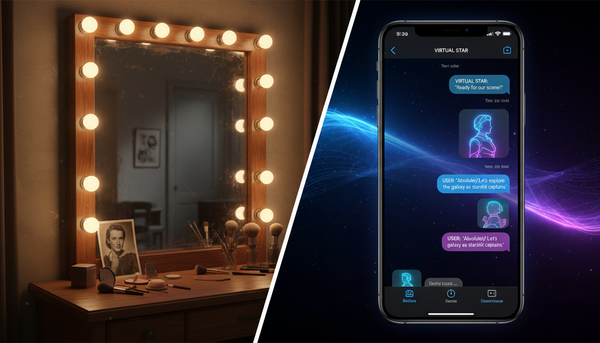
The transition from passive viewer to active participant is the defining shift of the current digital era. Audiences want to influence the content they consume. They don't just want to watch a character; they want to talk to them, roast them, or have them send a birthday wish that feels tailored to their specific friendship. This is where platforms like Fanfun become essential. By offering AI-driven interactions, we allow creators and fans to build that bridge, turning a static digital persona into a living, breathing participant in their daily lives.
Using AI to capture the 'vibe' of a persona isn't about replacing the human element; it's about scaling the level of access fans can have. When you provide an audience with a way to engage with a character, you increase retention and build a community that feels genuinely invested in your project. Whether you are building a narrative around a sports icon like Shaq or a legend like Kobe Bean Bryant, the goal remains the same: create a sense of presence that feels immediate and personal. This is the ultimate evolution of the Cameo alternatives market—moving from a one-off video purchase to a persistent, interactive relationship.
The Evolution of Character-Driven Content
Building a loyal audience today requires a deep understanding of character archetypes. Whether you are creating original content or fan-fiction, the goal should be to create a consistent 'vibe' that viewers recognize immediately. High-quality persona design—including distinct voice profiles and predictable behavioral traits—is what keeps a viewer from scrolling past your video. When a character feels authentic to their established personality, the audience stays engaged.
The best creators are currently using AI to prototype these interactions. If you are developing a web series, you can use AI to test how a character responds to specific prompts or scenarios before you ever record a single frame of footage. This allows for a level of iterative storytelling that was previously impossible. You aren't just writing a script; you are building a digital ecosystem where your characters can live and evolve.
Designing for Personality, Not Just Performance
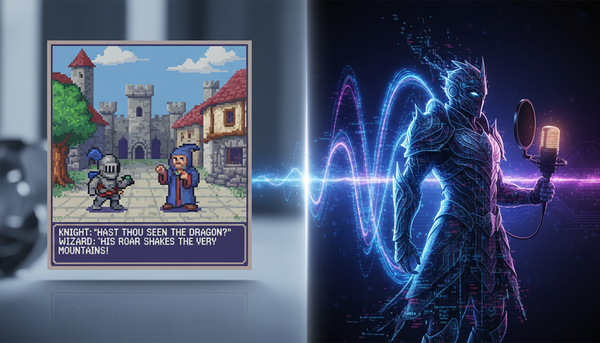
When you look at the most successful digital characters—even animated ones like Spongebob Squarepants—the secret isn't just the animation; it is the consistency of the voice and the predictability of the personality. Fans love these characters because they know exactly how they will react to a given situation. As a creator, you should aim for this level of consistency in your own work.
The versatility of an AI voice generator allows you to maintain character consistency while exploring new storylines. By using these tools, you can build a digital cast that is as dynamic and multifaceted as the creators who lead them, ensuring your content remains fresh, relevant, and deeply relatable. The future of storytelling isn't just about what you show the audience; it is about how you let them participate in the narrative. Whether you are pulling inspiration from the pop-culture magnetism of Sydney Sweeney or the timeless, iconic appeal of Mickey Mouse, the key is to ensure that every interaction feels intentional and authentic to the persona.
Ultimately, the Mallory James Mahoney effect is a reminder that the audience is tired of the pedestal. They want to connect. They want to be heard. And they want to interact with characters who feel like they actually exist in the same world as the viewer. If you can provide that level of connection, you will not just build an audience; you will build a community that lasts. The technology to facilitate this is already here, and the creators who embrace it will define the next decade of digital entertainment.
How does AI capture the personality of a celebrity like Mallory James Mahoney?
AI models are trained on the cadence, phrasing, and emotional tone of a performer's public persona. By analyzing these patterns, the AI can generate responses and content that mirror the 'peer-icon' vibe, making interactions feel natural and conversational.
Can I use AI voice generators for my own fan-fiction content?
Yes. AI voice generators are perfect for fan-fiction, allowing you to bring characters to life in audio dramas, TikToks, or YouTube projects while maintaining a consistent voice profile that matches the character's original energy.
What makes a character-driven video go viral on TikTok?
Viral videos usually hinge on 'relatability' and 'active engagement.' When a character addresses the viewer directly, uses current cultural slang, or reacts to trending topics in a way that feels authentic to their persona, the audience is far more likely to share and interact.
Are there Cameo alternatives that allow for two-way conversations?
Fanfun is a modern alternative to Cameo that focuses on interactive, two-way experiences. Instead of just purchasing a static video clip, you can engage in real-time chats and personalized interactions with a wide library of AI personas.