The Luis Guzmán Effect: Why Your Content Needs More Character Depth
Stop chasing high-gloss perfection. Discover why the 'Guzmán archetype'—the reliable, scene-stealing character actor—is the secret to more authentic social media engagement.
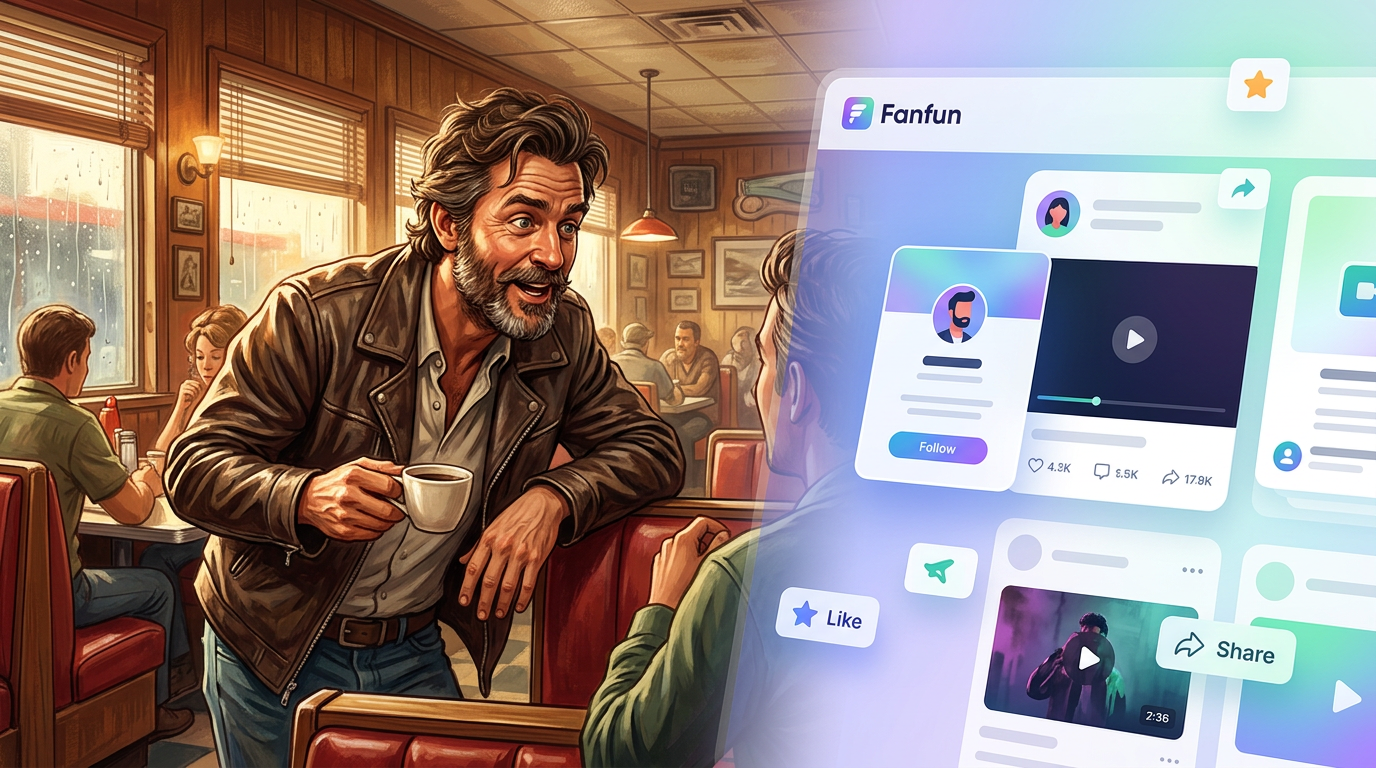
In a digital landscape often dominated by the polished, high-octane energy of traditional leading men—think of the powerful, aspirational presence of a Dwayne Johnson AI—there is a quiet, subversive power in the 'Guzmán archetype.' Luis Guzmán doesn't need to dominate a room to own it; he occupies a space with a deadpan, lived-in authenticity that makes the absurd feel grounded. His genius lies in the reaction shot, the perfectly timed pause, and the ability to play the eccentric observer who sees exactly what everyone else is missing.
For content creators, this is a masterclass in engagement. While high-gloss production values have their place, audiences are increasingly fatigued by the performative nature of traditional influencer marketing. They are looking for the 'character actor'—the figure who feels like they have a backstory, a sense of humor that isn't rehearsed, and a perspective that feels human rather than manufactured. By prioritizing character over caricature, you invite your audience to lean in rather than scroll past.
The Anatomy of the Scene-Stealer
The Guzmán effect is rooted in the art of the 'lived-in' performance. In film and television, character actors serve as the glue that holds a narrative together. They provide the texture that makes a world feel real. On social media, you can replicate this by shifting your focus from 'looking perfect' to 'being distinct.' This means embracing the jagged edges of a personality rather than smoothing them out with excessive editing.

When you use tools like Fanfun to build your content, consider how your chosen persona interacts with the world. Does your character offer a dry, observational take on a trending topic? Do they act as the voice of reason in a sea of chaos? By testing these archetypes, you move your content from the 'generic' pile to the 'memorable' list. It is about building a persona that feels like it exists outside of the script, possessing a depth that suggests there is always more to the conversation than what is currently on screen.
The Hierarchy of Character Archetypes
Not every piece of content requires the same energy. To maintain a dynamic feed, you should curate a 'character library' that covers different emotional beats. Below is a framework for selecting the right persona for your specific goals:
| Archetype | Best Use Case | Fanfun Persona Example |
|---|---|---|
| The Powerhouse | Promos, announcements, high-energy hooks | The Rock Dwayne Johnson |
| The Observational Wit | Commentary, roasts, 'hot takes' | Guzmán-style deadpan personas |
| The Cultural Icon | Nostalgia, brand partnerships | Mickey Mouse |
| The Relatable Giant | Humor, storytelling, casual updates | Shaq |
| The Whimsical Agent | Entertainment, escapism, creative shorts | Spongebob Squarepants |
The Power of Rhythmic Delivery
To truly master this style, you must prioritize cadence and timing over visual spectacle. A character like Guzmán works because of the rhythmic choices he makes—the way he lets a punchline sit in the air or uses a single, well-placed word to deflate a high-tension moment. When using AI for content creation, focus on the 'Roast' or 'Deadpan Observation' formats. These allow you to highlight the personality of the persona you are building. The goal is to create a sense of anticipation; when the audience knows your character has a unique way of seeing the world, they stay for the perspective, not just the aesthetic.
Why 'Lived-In' Characters Outperform Polished Stars
The shift toward gritty, eccentric, and relatable content is a direct reaction to the perfection trap. When every frame of a video is color-graded to a sterile sheen, the audience subconsciously disengages. They crave the 'Guzmán effect': that sense of jagged, unpredictable humanity. This is where creators can leverage Fanfun to experiment with different personality archetypes. Instead of sticking to one brand voice, you can test how a dry, observational character lands with your audience versus a more traditional, high-energy narrator.
Variety is the true antidote to audience boredom. If you rely on the same tone for every piece of content, your followers will eventually tune you out. A robust content strategy involves mixing high-energy personas, such as the iconic presence found in our Shaq character library, with the more grounded, comedic timing of a Guzmán-style persona. Using Fanfun to curate a diverse toolkit allows you to pivot between these archetypes depending on the specific message or social trend you are addressing. You can even explore modern cultural archetypes by experimenting with our AI Kylie Jenner to see how high-profile personas can be adapted for niche storytelling.
Building Your Own 'Character Library'
Don't be afraid to experiment with characters that feel 'off-beat' or unconventional. These are often the personas that generate the most conversation because they disrupt the algorithm's tendency to favor the predictable. By keeping your toolkit fresh, you ensure that your audience never knows exactly what to expect next, which is the hallmark of a truly engaging creator. Whether you are drawing inspiration from the playful energy of Spongebob Squarepants or the timeless charm of Mickey Mouse, the key is to understand the core 'DNA' of the character and apply it to your specific content niche.
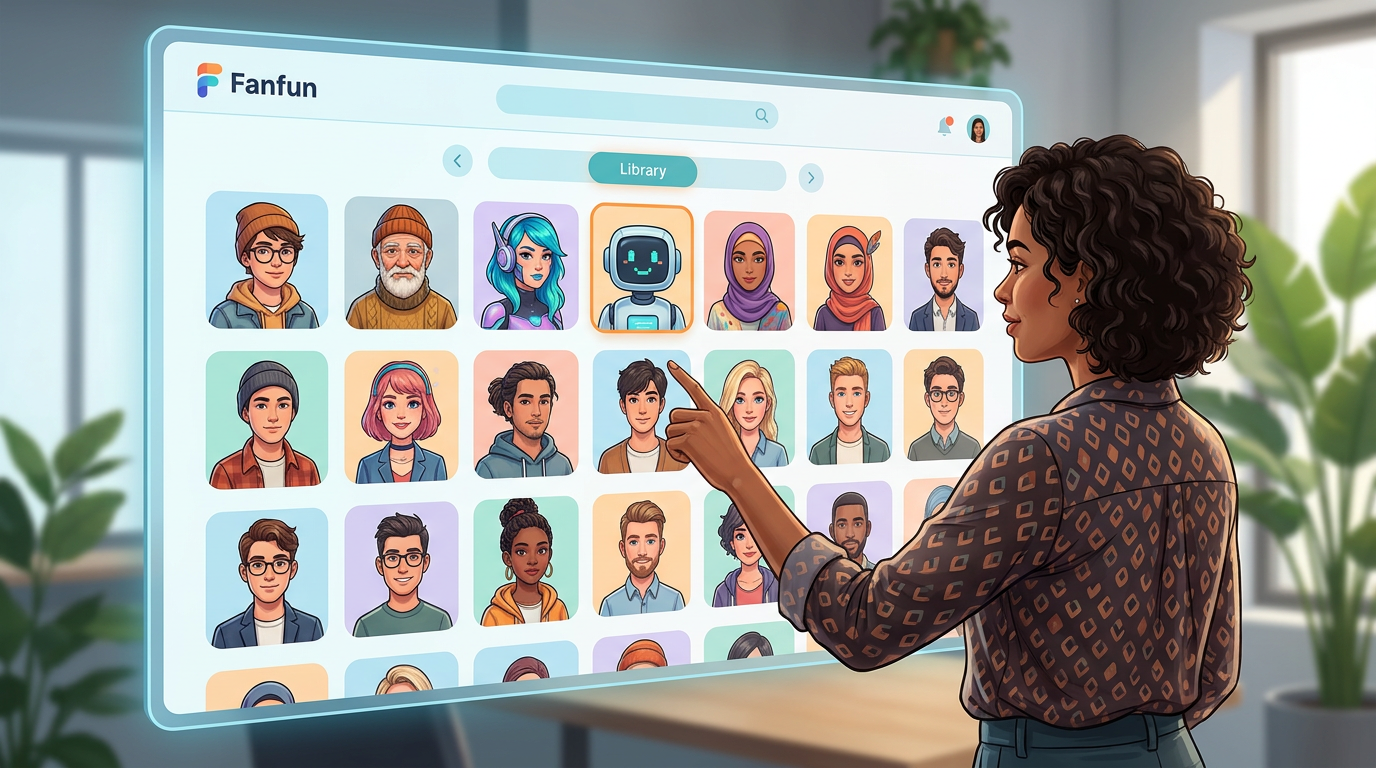
The traditional method of booking talent for social media content is often too slow and too expensive for the pace of modern internet culture. Fanfun changes the game by moving beyond static, one-way video clips toward interactive, two-way chat experiences. This is the ultimate tool for creators who need to test scripts on an audience in real-time. Before you commit to a major production, you can use these AI personas to gauge reactions, refine your dialogue, and see which 'character' resonates best with your community.
Whether you are looking for a quick birthday wish or a witty commentary on a trending topic, the ability to generate these interactions in minutes—without waiting for celebrity availability—is a massive competitive advantage. It allows you to stay current, stay experimental, and ultimately, stay human in an increasingly digital world. By embracing the character actor archetype, you aren't just making content; you are building a world that your audience wants to inhabit.
How do I add more personality to my AI-generated content?
Focus on specific character traits like cadence, timing, and unique catchphrases. Don't just aim for a perfect likeness; aim for a consistent, recognizable 'voice' that feels like it has a distinct perspective on the world.
Can I use AI to create characters that feel like specific actors?
Yes, Fanfun allows you to leverage diverse AI personas that capture the essence of various archetypes. By focusing on the 'energy' of the character—whether it's the intensity of an action star or the dry wit of a character actor—you can create highly engaging, personalized content.
Why are character actors better for social media engagement than traditional celebrities?
Character actors often feel more 'lived-in' and relatable. Their presence is less about aspirational perfection and more about observational humor and grounded interaction, which resonates more deeply with audiences tired of over-polished social media feeds.
How does Fanfun help me develop a consistent voice for my brand?
Fanfun provides a diverse library of AI personas that allow you to experiment with different voices until you find one that aligns with your brand's identity. Because the platform is instant and affordable, you can iterate quickly, testing different tones until your content feels both unique and authentic.