The James Duval Effect: Why Cult Character Archetypes Drive Modern Interactive Fandom
James Duval didn't just act in 90s indie films; he embodied an entire aesthetic. Today, modern creators are using AI tools to instantly interact with, recreate, and meme their favorite character personas, turning passive admiration into personalized digital content.
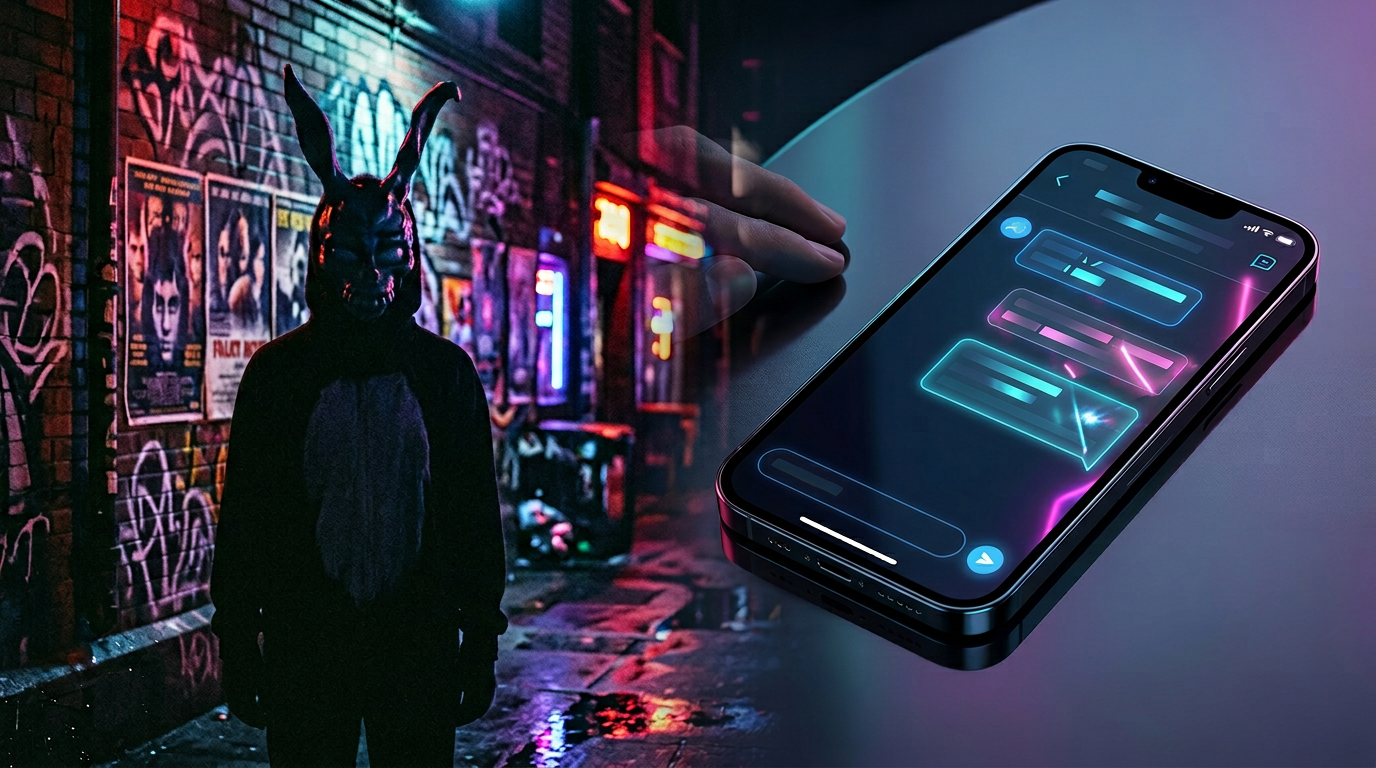
James Duval didn't just act in 90s indie films; he anchored an entire aesthetic. As the brooding outsider in Gregg Araki's Teen Apocalypse Trilogy and the haunting, surreal figure of Frank the Bunny in Donnie Darko, Duval embodied a highly specific cultural energy that fans obsessed over. He wasn't a generic leading man built for mass-market appeal. He was a distinct archetype—the ultimate indie outsider.
Today, the way fans interact with those cultural archetypes has fundamentally shifted. We no longer just watch cult classics on worn-out VHS tapes or wait in line at midnight screenings to feel connected to a character. Modern fandom is fiercely active. Driven by creators who use modern AI tools to instantly interact with, recreate, and meme their favorite personas, the digital landscape has turned passive admiration into highly personalized, interactive content creation.
The Anatomy of a Cult Icon: Decoding James Duval’s Enduring Appeal
To understand modern interactive fandom, you have to understand the difference between mainstream celebrity and cult status. A mainstream celebrity relies on broad, universal appeal. A cult icon, however, builds a highly dedicated, hyper-engaged fanbase that obsesses over deep character lore, specific aesthetics, and quotable dialogue.
James Duval mastered this space. His performances in films like Nowhere and The Doom Generation didn't just entertain; they provided a blueprint for a specific kind of teenage alienation. When he donned the terrifying rabbit suit in Donnie Darko, he cemented a visual and auditory persona that fans still reference decades later. The cryptic, distorted voice of Frank the Bunny is exactly the kind of highly specific character trait that cult fans latch onto.
This 90s desire for authentic, alternative characters directly mirrors the modern content creator's need for distinct digital personas. In a feed flooded with generic text-to-speech voices and polished corporate influencers, creators are desperate for specificity. They don't want a generic voice reading their script; they want a recognizable archetype that brings its own built-in cultural context, mood, and nostalgia to the video.
From VHS Tapes to AI Chats: The Evolution of Fan Interaction
Historically, engaging with a cult character required immense patience. Fandom in the late 90s and early 2000s meant tracking down rare physical media releases, attending niche conventions, or participating in early, text-heavy web forums. The relationship between the fan and the character was strictly one-way.
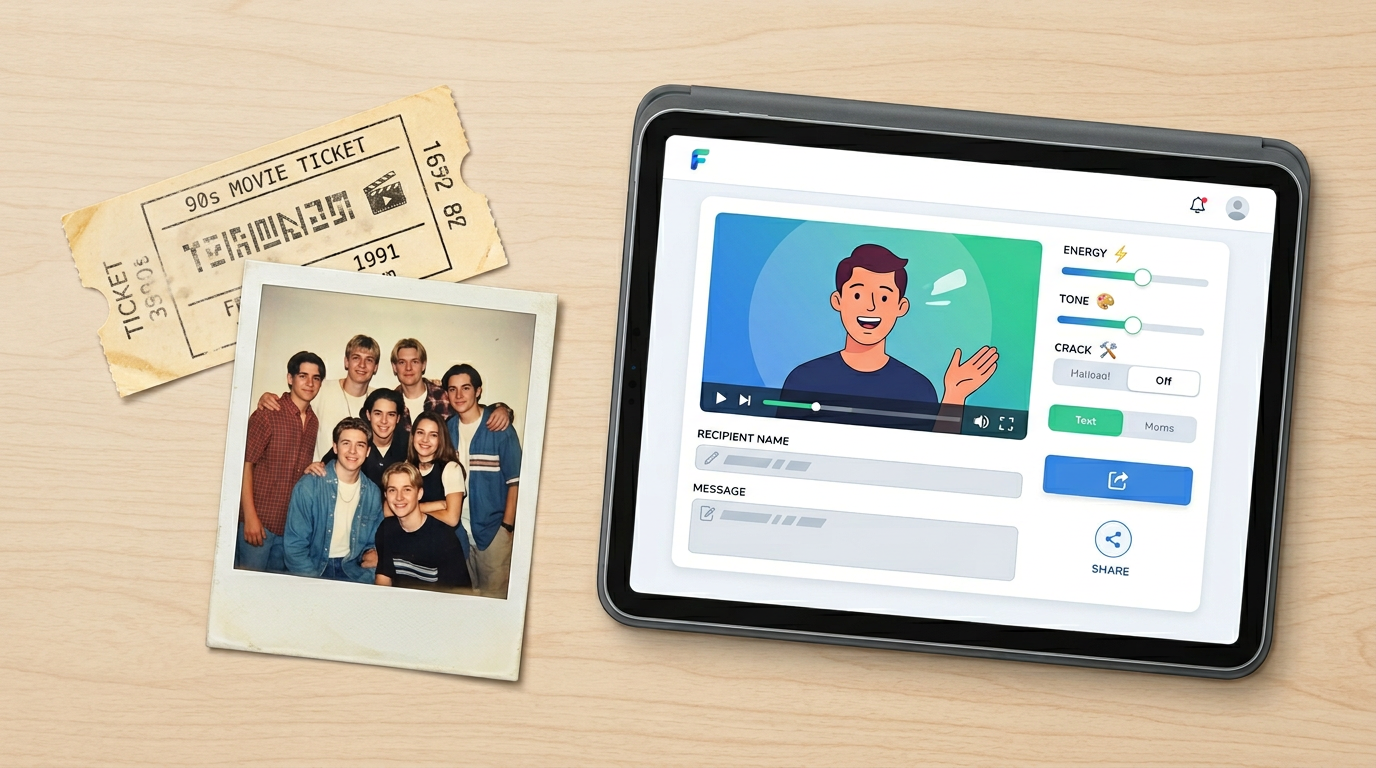
The first major shift toward personalized interaction came with platforms like Cameo. This model successfully monetized one-way celebrity interactions, allowing fans to pay for a 15-second birthday shoutout. However, it exposed a massive flaw in what fans actually wanted: you often didn't want the off-duty actor sitting in their car delivering a tired greeting; you wanted the character. You wanted the catchphrases, the costume, the specific energy that made you a fan in the first place. Fictional characters and specific personas were largely off the table.
We are now in the modern era of fandom, driven by instant accessibility and two-way engagement. Platforms like Fanfun allow fans to bypass the wait entirely, generating custom video messages from AI versions of celebrities and characters instantly. Instead of hoping an actor remembers a specific line of lore for a $100 video, fans can use an AI chat or AI voice generator to interact directly with the persona they love. It transforms fandom from a passive waiting game into an active, creative playground.
The Character Archetype Framework: What Fans Actually Want to Interact With
Fans do not engage with blank slates. They engage with archetypes. When content creators build videos, memes, or fan dubs, they select personas based on the specific emotional reaction they want to trigger. A moody video essay requires a completely different voice than a chaotic gaming stream.
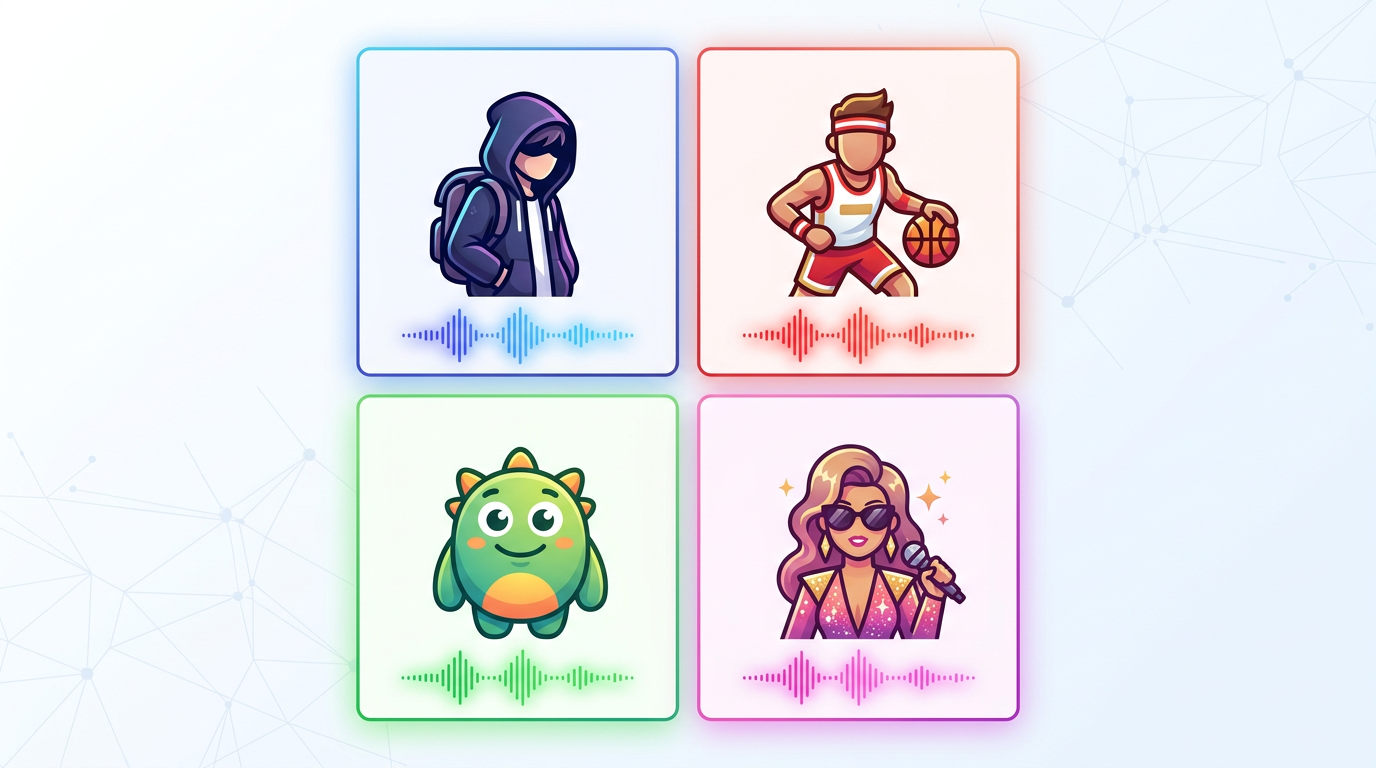
Here is a breakdown of the dominant digital character archetypes driving modern interactive content, and how creators deploy them:
| Archetype | Core Energy | Modern Digital Example | Best Use Case for Creators |
|---|---|---|---|
| The Cult Outsider | Moody, surreal, cryptic, nostalgic | Frank the Bunny, 90s Indie Leads | Atmospheric video essays, niche aesthetic edits, deep-lore storytelling. |
| The Larger-than-Life Motivator | High-energy, commanding, intense | Dwayne Johnson AI | Gym promos, hype videos, intense roasts, and motivational wake-up alarms. |
| The Chaotic Mascot | Unpredictable, highly memeable, loud | Spongebob Squarepants | Fast-paced TikToks, gaming dubs, satirical commentary, and absurd humor. |
| The Modern 'It' Girl | Trend-setting, relatable, aesthetic-driven | Sydney Sweeney | Fashion hauls, lifestyle satire, pop-culture commentary, and aesthetic vlogs. |
Understanding this framework is critical for content creation. If you want to roast a friend's terrible fantasy football draft, you don't use a moody indie voice—you generate a personalized video using a chaotic mascot or a commanding athlete. Fans crave the friction and humor of placing these highly recognizable archetypes into unexpected, personalized scenarios.
Recreating the Cult Classic Vibe in Modern Content Creation
Capturing the highly specific, dedicated energy of a cult classic in your own videos doesn't require a massive production budget or a 35mm film camera. It requires a deep understanding of tone, audio, and character lore.
Audio is your fastest shortcut to establishing a mood. The right AI voice generator can instantly transport a viewer. A slight distortion, a specific cadence, or an era-appropriate vocabulary signals to the audience exactly what kind of content they are watching before they even process the visuals.
The Cult-Style Content Checklist
To successfully leverage character archetypes in your own digital content, follow this four-step framework:
- Choose a distinct persona: Identify the exact archetype your content needs. Are you making a surreal meme or a high-energy promo? Pick the persona that naturally carries that weight.
- Script for the archetype's unique vocabulary: Generic scripts kill the illusion. Lean heavily into inside jokes, specific lore, and the unique cadence of the character. If the character is known for cryptic warnings, write your birthday wish as a cryptic warning.
- Generate instantly with AI: Bypass the traditional wait times of Cameo alternatives. Use Fanfun to generate the voice or personalized video instantly, allowing you to iterate on the punchline until the timing is perfect.
- Layer with era-appropriate visuals: Match the audio tone with your visual aesthetic. If you are channeling a 90s cult outsider, apply heavy film grain, neon lighting overlays, or VHS tracking glitches to complete the immersive experience.
Why the Future of Fandom Belongs to the Persona
The magic of James Duval wasn't just the actor himself; it was the unforgettable, deeply specific personas he brought to life on screen. He gave a generation of indie film fans an archetype to project onto, quote, and obsess over.
Modern fandom has taken that obsession and evolved it. Audiences are no longer satisfied with just watching their favorite characters from afar. They want to remix them, chat with them, and direct them in their own personalized narratives. By utilizing AI platforms like Fanfun, fans and creators have an accessible, instant bridge between their imagination and high-quality character content. The future of digital fandom isn't about waiting for access to a celebrity; it's about having the creative freedom to bring your favorite archetypes to life whenever inspiration strikes.
What movies is James Duval most famous for?
James Duval is best known for his roles in 90s cult classics, particularly Gregg Araki's 'Teen Apocalypse Trilogy' (which includes Totally F***ed Up, The Doom Generation, and Nowhere), as well as his iconic role as Frank the Bunny in the 2001 psychological thriller Donnie Darko.
Who played Frank the Bunny in Donnie Darko?
James Duval played the physical role and provided the haunting voice for Frank the Bunny, the surreal, time-traveling figure who appears to the protagonist in Donnie Darko.
How has celebrity fan interaction changed since the 90s?
In the 90s, fan interaction was limited to physical fan clubs, conventions, and midnight screenings. Later, platforms like Cameo introduced paid, one-way video messages. Today, AI platforms allow for instant, two-way interactions where fans can generate custom videos, voiceovers, and chats with their favorite character personas on demand.
Can I use AI to create personalized character videos?
Yes. Platforms like Fanfun allow users to instantly generate personalized video messages, roasts, and birthday wishes using AI personas of celebrities, athletes, and fictional characters, serving as a faster, more flexible alternative to traditional celebrity booking platforms.