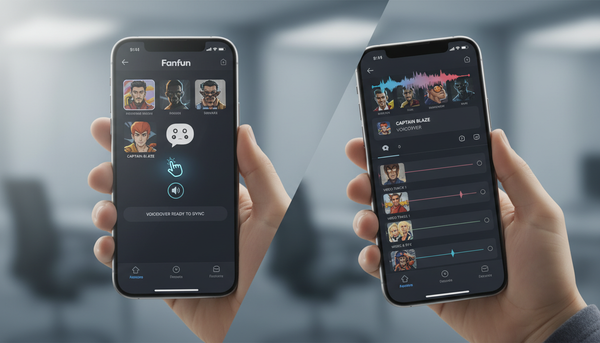
The Jack McPhee Effect: What Kerr Smith’s Career Teaches Us About the Evolution of Teen Fandom
Kerr Smith's portrayal of Jack McPhee did not just break barriers—it charted a course for how fandom interacts with iconic television. Discover how the evolution of teen drama stardom informs today's creator economy and how AI is unlocking new eras of interactive nostalgia.

In the late 1990s, television fandom was defined by appointment viewing, physical fan mail, and the agonizing wait between weekly episodes. When Kerr Smith joined the cast of Dawson's Creek as Jack McPhee in 1998, he didn't just step into a teen drama; he became the focal point of a massive cultural shift that challenged the boundaries of broadcast television.
Today, the way we consume media and interact with our favorite icons has undergone a complete transformation. By tracing Kerr Smith’s journey from Capeside to Riverdale, we can see how fandom has transitioned from passive admiration to active, creator-driven participation—an evolution that platforms like Fanfun are now driving through interactive AI experiences.
The Jack McPhee Effect: How Kerr Smith Rewrote the Teen Drama Playbook
Before Jack McPhee, gay characters on network television were frequently relegated to side-project caricatures, comic relief, or cautionary tales. Kerr Smith’s portrayal of Jack shattered these tropes by presenting a deeply human, flawed, and earnest teenager navigating his identity in a small coastal town. The climax of this arc—the historic season two coming-out scene followed by the landmark season three finale kiss with Ethan—was a watershed moment for American television, marking the first passionate kiss between two men on prime-time TV.
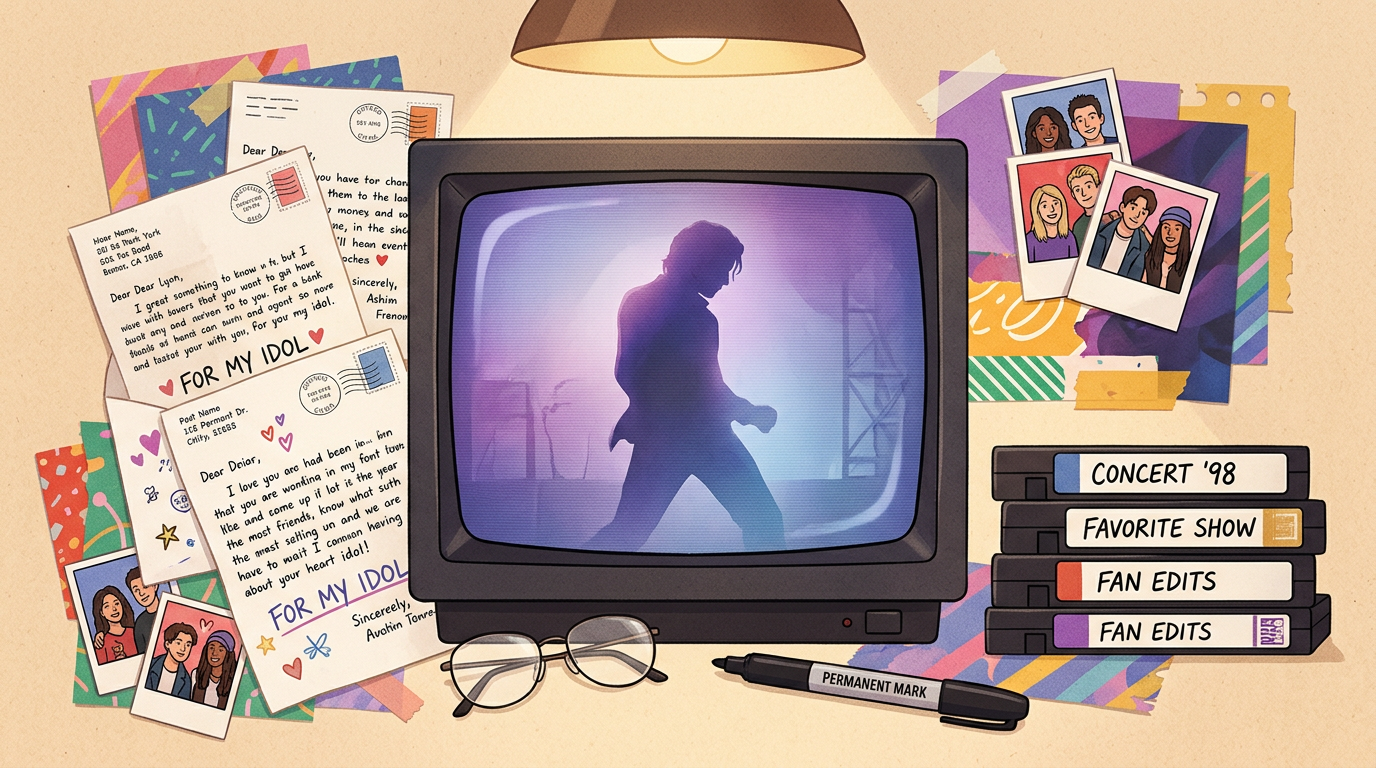
This groundbreaking representation generated an intense, highly personal fan response that is difficult to conceive of in the age of instant social media validation. Lacking Twitter or TikTok to instantly dissect every frame, fans of the era mobilized through physical fan letters, dial-up message boards like the WB's official forums, and physical zines. For many isolated viewers, Jack McPhee was a lifeline, and the letters sent to Smith reflected a profound, deeply emotional connection that went far beyond typical celebrity worship.
From Capeside to Riverdale: The Anatomy of a Multi-Generational Teen Icon
As Dawson's Creek wound down, Kerr Smith bypassed the typical post-teen-drama slump by diversifying into genre roles. He anchored the horror classic Final Destination (2000) and took on recurring roles in supernatural hits like Charmed. This deliberate pivot kept him relevant as the television landscape began to fragment, establishing him as a recognizable face across multiple eras of speculative and dramatic television.
Decades later, his casting as the authoritarian Principal Honey in Riverdale served as a brilliant meta-textual bridge. For millennial parents, he was the vulnerable boy from Capeside; for Gen Z viewers, he was the cold administrator of Riverdale High. This cross-generational appeal illustrates how modern teen dramas rely on the physical presence of past icons to legitimize their own high-concept storylines.
However, the path Kerr Smith took is radically different from the journey of today's young talent. To understand how much the industry has shifted, we can contrast this traditional path with the modern Gen Z star trajectory. While 90s stars relied on gatekeepers, network casting directors, and slow-burn syndication to build their legacy, today's creators and young actors build direct, daily relationships with their audience through social media platforms and digital interaction from day one.
The Nostalgia Economy: Why Early 2000s Drama Still Dominates Modern Feeds
The streaming era has breathed new life into late-90s and early-2000s properties. Shows like Dawson's Creek are no longer relics of the past; they are active fixtures on Netflix, Hulu, and Prime Video, capturing millions of Gen Z viewers who appreciate the unironic, highly articulate angst of the era. This continuous loop of discovery has transformed Kerr Smith and his contemporaries into timeless figures of youth culture.
What makes this era so fertile for modern content creators is its distinct writing style. The characters in Capeside spoke with an elevated, verbose vocabulary that was beautifully absurd yet deeply sincere. On platforms like TikTok and Instagram, this earnest, highly dramatic dialogue is prime real estate for parody, homage, and remixing. Modern audiences crave that raw, unfiltered emotional intensity, which stands in stark contrast to the self-aware, hyper-ironic tone of modern scripts.
This is where the passive consumption of nostalgia meets active creation. Platforms like Fanfun are bridging this gap, allowing fans and creators to move beyond simply rewatching old clips. By leveraging AI-driven character voices and custom video generation, creators can drop these classic, dramatic archetypes into entirely new scenarios. Whether you want to draft a classic Capeside-style birthday monologue or create a dramatic crossover promo, modern technology makes it possible to interact with these iconic personas in real time, instantly and affordably.
Directing Nostalgia: A Creator's Guide to Scripting Classic Teen Drama Tropes
To successfully tap into the early-2000s teen drama aesthetic, creators must master the specific linguistic and vocal patterns of the era. You cannot write a Dawson's Creek tribute using modern internet slang; it requires a commitment to elevated vocabulary, dramatic pauses, and a complete lack of irony.
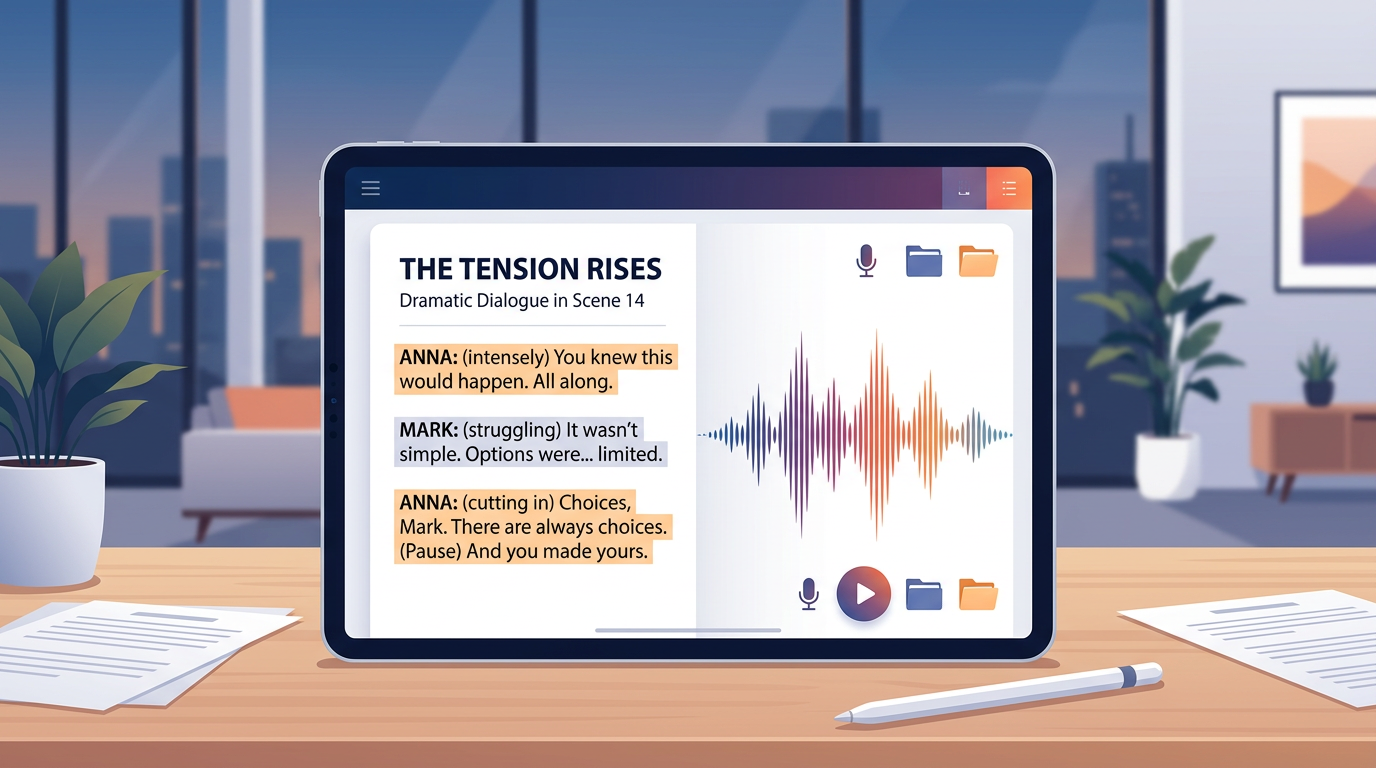
When crafting these scripts, creators can benefit from mastering the art of scripting and directing specific vocal energy to match the heavy, emotional tone of the scene. It is also vital to balance this dramatic weight with appropriate pacing, much like directing character voices for precise comedic and dramatic timing in more lighthearted, self-referential parodies.
The Vocal Archetypes of Classic Teen Drama
To help you script your next nostalgic project, here is a breakdown of the three core vocal archetypes that defined the golden age of teen television:
| Archetype | Key Characteristics | Vocal Pacing & Tone | Example Scenario |
|---|---|---|---|
| The Earnest Outcast (The Jack McPhee) | Vulnerable, hyper-articulate, hesitant but deeply sincere. | Mid-tempo, soft-spoken, frequent emotional pauses. | Delivering a heartfelt, slightly nervous defense of a close friend. |
| The Brooding Rebel (The Pacey Witter) | Sarcastic, defensive, fast-talking to hide deep insecurity. | Rapid-fire delivery, dropping into a gravelly register for serious moments. | A defensive monologue about failing to meet parental expectations. |
| The Overachiever (The Joey Potter) | Analytical, defensive, highly academic vocabulary. | Crisp pronunciation, defensive and slightly breathless pacing. | Over-analyzing a simple romantic gesture until it becomes a philosophical crisis. |
By utilizing Fanfun's AI voice generator, creators can easily experiment with these distinct vocal energies. Instead of spending hours trying to mimic the exact cadence of a 2000s teen lead, you can input your custom, hyper-verbose script and let the AI interpret the classic emotional weight of the era, giving your short-form videos or custom messages an authentic, nostalgic finish.
Beyond the Autograph: The Future of Interactive Fandom
Historically, interacting with stars like Kerr Smith was a highly gatekept experience. Fans had to travel to conventions, wait in hours-long lines, and pay premium prices for a fleeting autograph or a rushed photo. Even the rise of first-generation celebrity video platforms left much to be desired, with fans often waiting weeks for a standardized, thirty-second greeting that lacked any real creative collaboration.
The modern creator economy demands something more immediate and interactive. Fanfun is leading this charge by democratizing access to beloved characters and cultural icons. Through instant AI personalized videos and two-way interactive chat, fans are no longer passive recipients of content; they are active participants. You can generate a custom birthday roast, script a dramatic monologue for a friend, or interact directly with an AI persona—all in a matter of minutes, without the premium price tags or scheduling delays of traditional celebrity bookings.
Crucially, this evolution represents an ethical, forward-thinking approach to legacy media. By licensing and carefully structuring AI interpretations of iconic characters and voices, the industry can preserve the artistic legacies of actors while granting creators the ultimate sandbox for creative expression. As we look to the future, the line between viewer and creator will continue to blur, transforming nostalgia from a passive memory into an active, endless playground.
Who did Kerr Smith play in Dawson's Creek?
Kerr Smith played Jack McPhee on Dawson's Creek. Entering the show in season two, Jack became one of the most culturally significant characters of the late '90s and early 2000s due to his groundbreaking coming-out storyline.
What is Kerr Smith's most famous scene?
Kerr Smith's most famous scene is the season three finale of Dawson's Creek, where his character, Jack McPhee, shares a passionate kiss with his boyfriend, Ethan. This moment is widely recognized as the first romantic kiss between two gay men on prime-time American network television.
Was Kerr Smith in Charmed and Riverdale?
Yes, Kerr Smith appeared in both series. In Charmed, he played Kyle Brody, a federal agent obsessed with the Avatars, during the show's seventh season. In Riverdale, he played the strict and menacing Principal Honey during season four, serving as a meta-textual nod to his legacy as a classic teen drama icon.
How has teen drama fandom changed since the 90s?
Fandom has evolved from a passive, slow-burn experience—characterized by physical fan mail, official forums, and weekly appointment viewing—into a highly interactive, creator-driven economy. Today, fans use streaming platforms to discover classic shows and leverage AI-driven tools like Fanfun to create custom videos, voiceovers, and interactive chats featuring their favorite archetypes and characters.