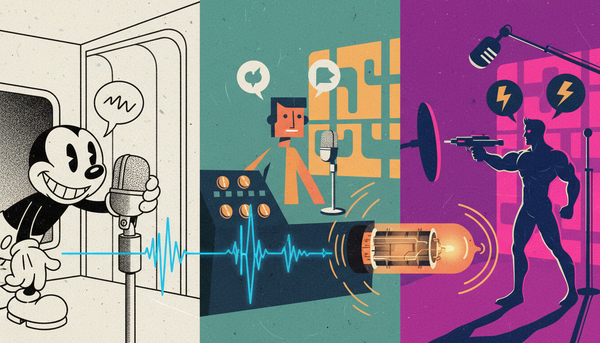
The Hynden Walch Effect: Why Iconic Voice Acting Is the Secret Sauce of Modern Content
Voice acting is the invisible architecture of every great story. We explore how Hynden Walch’s vocal signature defines character and how you can replicate that professional-grade impact in your own work.
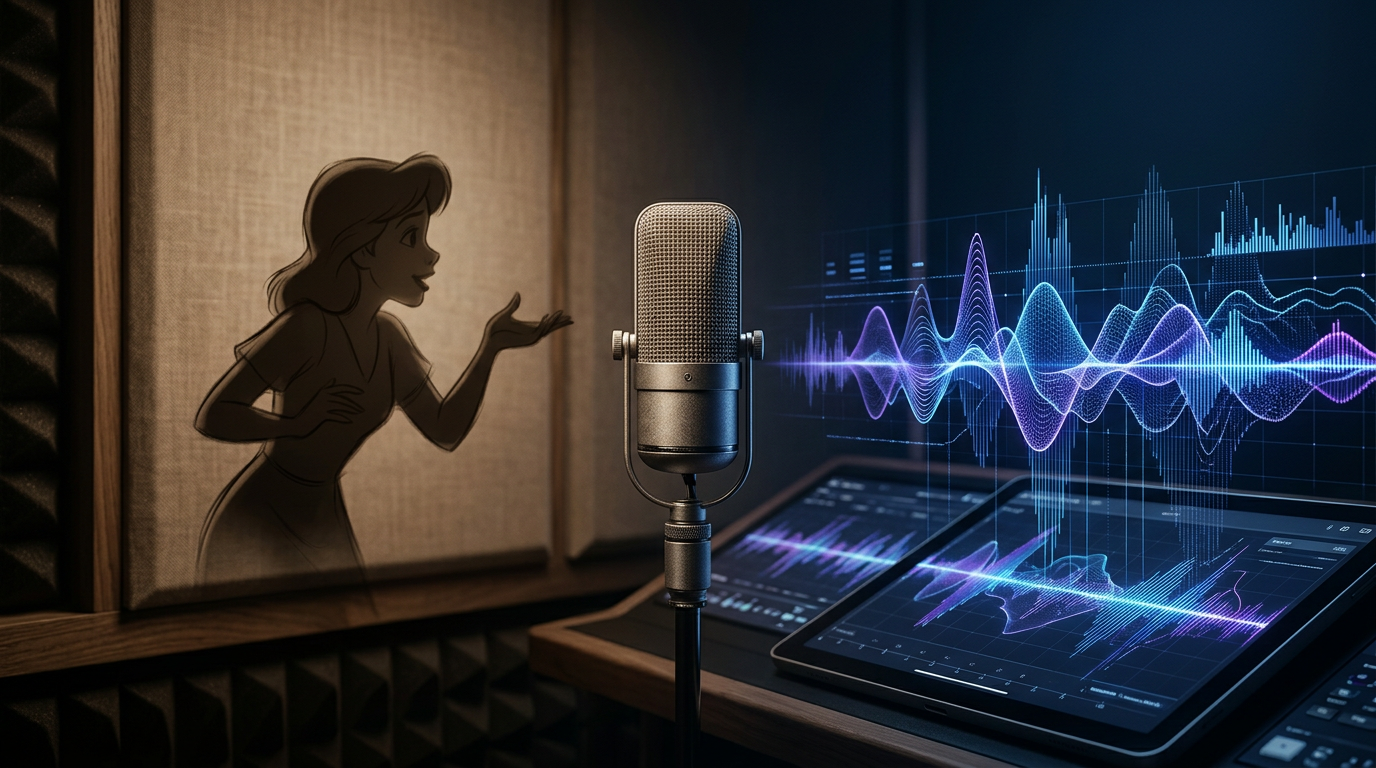
In the world of animation and digital storytelling, the voice is often the primary bridge between a static image and a living, breathing character. When we think of iconic figures, we are rarely just remembering the visuals; we are recalling the specific, rhythmic cadence, the breathy intensity, and the emotional texture that a voice actor brings to the role. This is the essence of the “Hynden Walch Effect”—the ability to inhabit a persona so completely that the voice becomes synonymous with the character’s soul. It is a masterclass in vocal texture that every content creator should study.
For modern creators, understanding this principle is no longer optional. As the digital landscape becomes increasingly saturated, the difference between a project that fades into the background and one that commands attention often comes down to the sonic identity of the content. By treating voice as a deliberate creative asset rather than a functional necessity, creators can build deeper, more enduring connections with their audiences. At Fanfun, we see this evolution in real-time; creators are moving away from robotic, one-dimensional audio toward dynamic, expressive AI personas that capture the spirit and energy of a performance.
The Anatomy of a Signature Voice
Hynden Walch’s body of work serves as a masterclass in vocal texture. Whether she is delivering the fiery, alien intensity of Starfire or the sugary, calculated whimsy of Princess Bubblegum, the performance is built on micro-adjustments. A character's identity is anchored by these nuances: the way a sentence ends, the specific pitch of a laugh, or the sudden, sharp snap of a retort. This vocal shorthand allows an audience to instantly recognize and empathize with a character, even in a short-form video or a brief social media clip.
When you rely on generic, flat narration for your content, you lose this psychological anchor. Great voice acting is, at its core, performance art. It dictates the pacing of your narrative and determines whether your audience trusts, fears, or laughs with your brand. By studying how professionals use inflection to signal character evolution, you can begin to treat your own content’s audio as the primary vehicle for your brand identity. The goal is to move beyond mere speech synthesis and into the realm of character-driven performance.
From Animation to AI: The Evolution of Character Voices
Historically, achieving a professional-grade vocal identity was a gatekept process. It required expensive studio time, specialized voice directors, and access to elite talent. If you wanted a voice that carried the weight of a cultural icon, you were often limited by budget and logistics. Today, AI voice technology is democratizing these assets, allowing creators to access a wider range of vocal textures without the traditional production hurdles. This shift is fundamentally changing the economics of fandom and content creation.
The transition we are witnessing is a move from static, synthesized audio to responsive, character-driven AI. It is no longer about simply converting text to speech; it is about selecting an AI persona that carries the right emotional weight for your specific project. Whether you are leveraging the gravitational pull of a sports icon like Shaq for a high-energy promo or tapping into the nostalgic, playful energy of Spongebob Squarepants for a viral meme, the goal is to bridge the gap between studio-quality performance and the instant, scalable needs of modern digital content. You are no longer waiting for celebrity availability; you are building your creative vision in minutes.
Practical Application: Building Your Vocal Universe
When selecting a voice for your project, you must match the vocal energy to the intended outcome. A high-energy roast requires an entirely different vocal profile than a calm, instructional tutorial or a heartfelt birthday message. Consistency is the key to building a 'vocal universe' that your audience recognizes instantly. If your brand voice changes every time you post, you fail to build the necessary familiarity that drives long-term engagement.
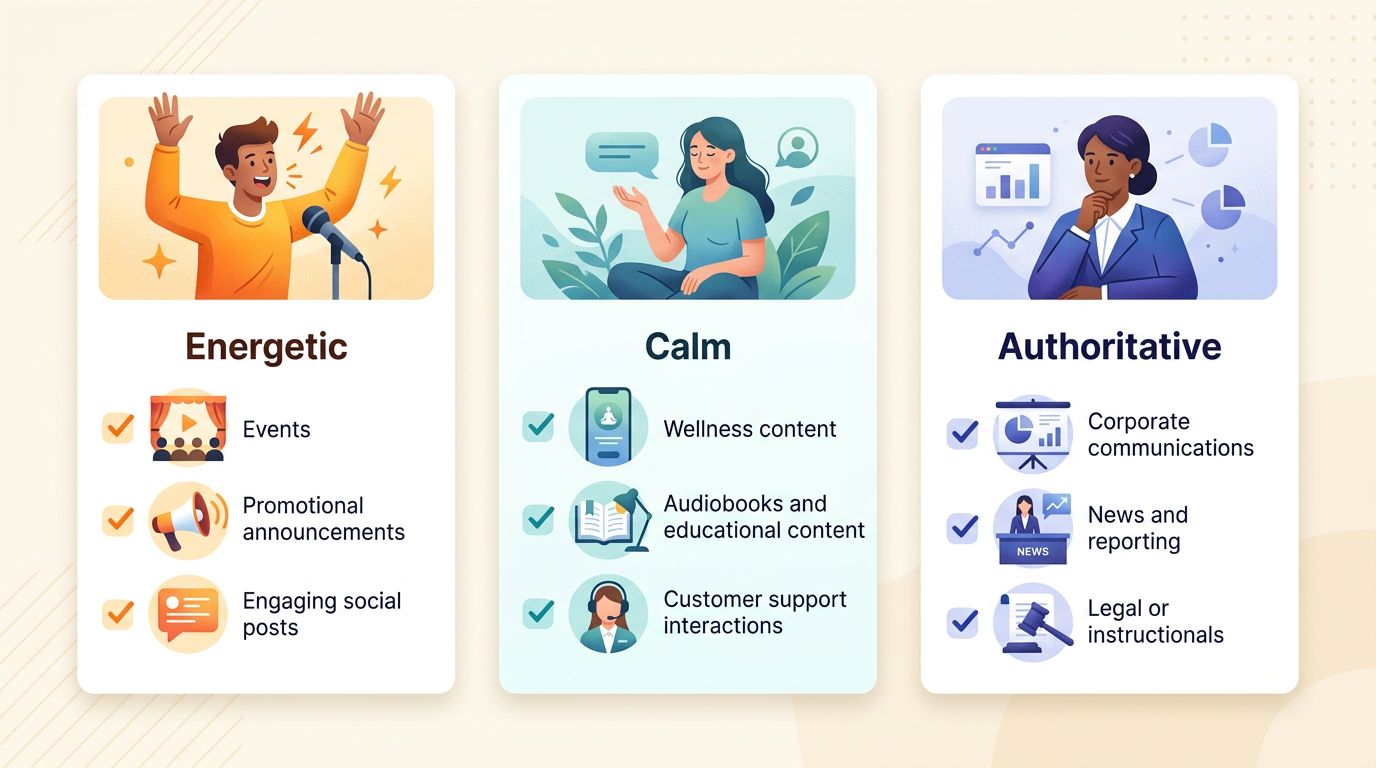
Vocal Archetype Checklist
- High Energy: Best for memes, shorts, and fast-paced commentary. Look for voices with sharp, rhythmic delivery that can handle rapid-fire dialogue.
- Authoritative: Ideal for educational content, brand manifestos, or motivational clips. Think of the presence found in a The Rock Dwayne Johnson-inspired persona.
- Relatable/Casual: Best for vlogs, personal storytelling, or behind-the-scenes content where you want to build a parasocial connection with the viewer.
- Nostalgic/Iconic: Best for creative projects that rely on established fan culture, such as using a Kobe Bean Bryant-inspired voice to honor a legacy or drive inspiration.
- Whimsical/Animated: Essential for storytelling or character-driven skits, similar to the charm of a Mickey Mouse-inspired persona.
Using AI allows you to experiment with these archetypes without the cost of a traditional studio session. You can A/B test different vocal tones to see which one resonates best with your specific audience, refining your brand's sonic signature in real-time. This iterative process is a hallmark of modern, data-informed content creation. By treating your voiceovers as a variable you can optimize, you allow your content to grow alongside your audience’s preferences.
Why Icons Matter: The Psychology of Familiarity
Audiences gravitate toward familiar archetypes because they provide an immediate emotional baseline. When a viewer hears a voice that reminds them of a beloved icon, they are already primed to engage. This is why using recognizable personas is so effective in marketing and creative storytelling. It is not just about the novelty; it is about the shortcut to emotional resonance. The brain processes familiar voices faster and with more positive association than generic, synthetic tones.
Consider the difference between a generic AI voice and a highly specific, culturally ingrained persona. When you utilize an AI version of a character, you are tapping into years, or even decades, of established character recognition. This familiarity cuts through the noise of the algorithm. It is the difference between a generic template and a bespoke creative asset that commands attention. For creators, this is a powerful tool to ensure your content feels intentional and curated rather than mass-produced. Whether you are creating a birthday greeting or a brand promo, the weight of a familiar voice adds a layer of prestige that generic tools simply cannot replicate.
Scalability and Ethics in Creative Voice Work
As we embrace these tools, the focus must remain on maintaining a 'human feel.' The best AI-generated content doesn't aim to replace the creative process but to augment it. By using technology to handle the heavy lifting of voice production, creators are freed to focus on the nuance of their storytelling—the script, the pacing, and the visual integration. The ethical use of this technology relies on respect for the original performance, ensuring that the AI persona serves as an evolution of the character's legacy rather than a hollow imitation.
By balancing the speed of AI with the deliberate intent of an artist, you can create content that feels both technically impressive and deeply personal. If you are looking to build a brand that stands out, remember that your voice is your most powerful tool. Using a platform like Dwayne Johnson AI can provide that instant, recognizable authority that helps your content land with impact. The secret sauce of modern media is, and always will be, the voice—and with the right tools, that voice is now accessible to everyone. The future of creative expression isn't just about what you show; it is about how you sound when you make your point.
How does AI voice technology capture the nuance of professional voice actors?
Modern AI uses deep learning to map the unique frequency, cadence, and emotional signatures of professional voices, allowing it to synthesize speech that mimics the specific 'texture' and performance style of the original actor.
Can I use AI voices to create my own character-driven content?
Absolutely. Platforms like Fanfun provide access to a library of diverse character personas that you can use for memes, birthday wishes, promos, and narrative content, allowing you to build a consistent vocal brand.
What makes a voice 'iconic' in modern content creation?
An iconic voice combines high recognition with a distinct emotional signature—think of the specific pacing and tone of beloved characters or celebrities that audiences instantly associate with specific moods or memories.
How do I choose the right AI voice for my brand or project?
Match the vocal archetype to your content goal: use high-energy, rhythmic voices for viral content and memes, and authoritative or calm voices for educational content or brand storytelling to build trust.