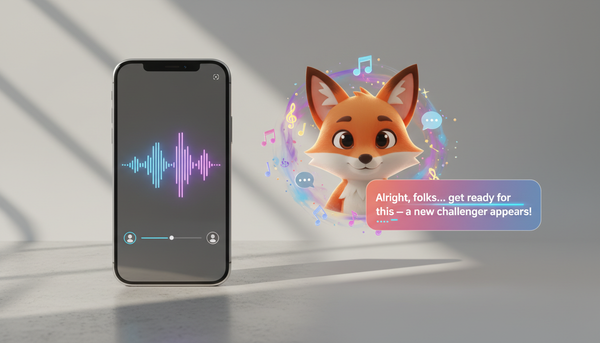
How to Design Interactive Fan Experiences with AI Personas: A Guide for Creators and Communities
Fandom has shifted from passive viewing to active co-creation. Discover how to use instant AI video generation, voice, and chat tools to build highly engaging, shareable moments with your community.
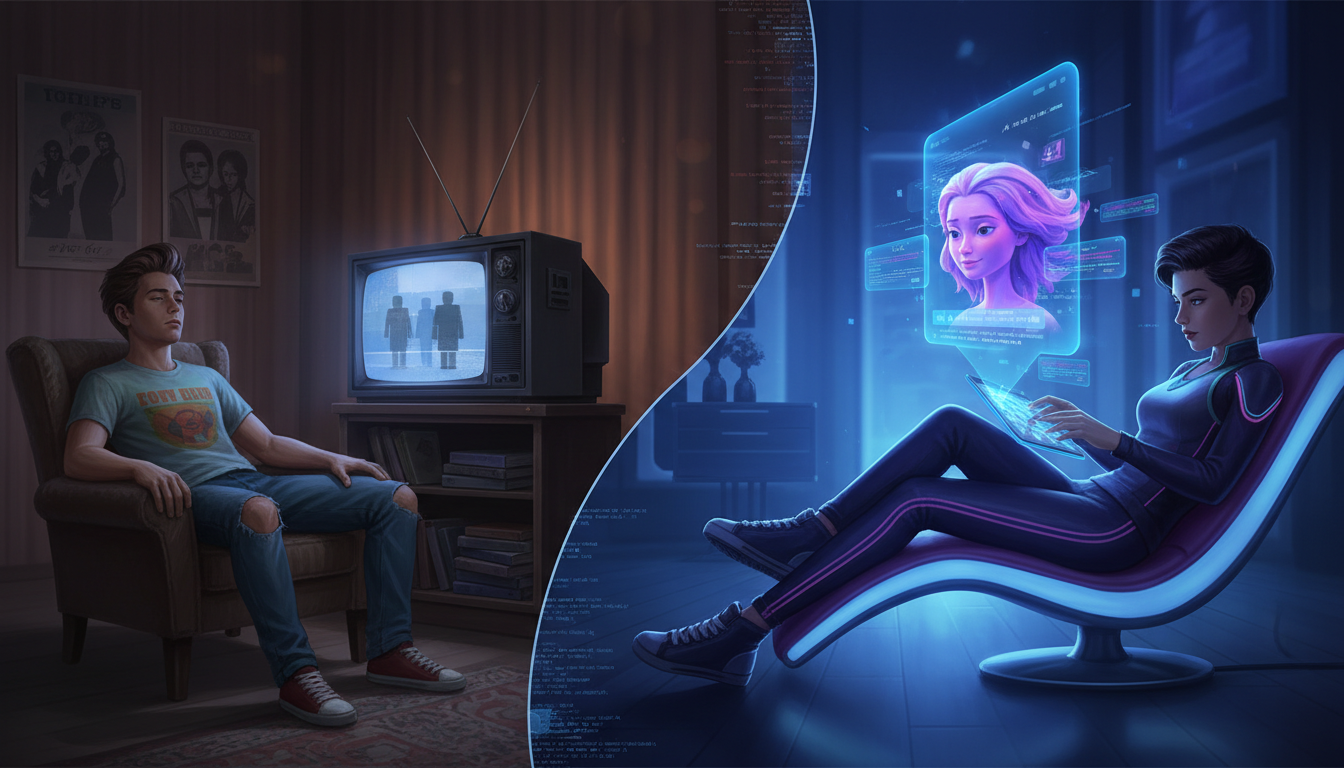
Designing interactive fan experiences with AI personas involves transitioning from static content to dynamic, user-driven formats like instant AI-generated videos, custom voiceovers, and interactive chats. By utilizing platforms like Fanfun, creators can empower their communities to generate personalized, immediate cultural moments—such as custom character roasts or birthday wishes—in minutes. However, successful execution requires setting clear boundaries between personal fan-made content and commercial campaigns, while maintaining transparency about the AI-generated nature of the media.
The Evolution of Fandom: From Spectator to Active Participant
Traditional fan engagement models have historically relied on one-way broadcasts. Audiences watched a show, bought merchandise, or waited weeks for a generic celebrity shoutout. These traditional models suffer from long waitlists, high costs, and static media that quickly lose cultural relevance in fast-moving internet cycles. To stay connected, modern audiences expect instant, participatory experiences where they can influence the content they consume.
This shifting expectation has fueled the rise of instant digital platforms. With Fanfun, fans no longer have to wait on a list; they can pick a character, input a custom script, and generate a personalized video in minutes. To explore this shift further, you can explore why traditional waitlist-based platforms are giving way to immediate, interactive fan experiences. By putting creative control directly into the hands of the community, creators can foster a deep sense of co-creation and viral sharing across networks like TikTok and Instagram.
A Decision Framework for Interactive AI Formats
When designing an interactive experience, choosing the correct medium is crucial. Different community goals require different levels of audience investment and creative output. If you are looking to scale your community interactions, you can read our comprehensive guide on scaling interactive experiences without losing the human connection.
To help you select the right format, consider the following decision framework:
| Format | Audience Effort | Creation Time | Best Use Case |
|---|---|---|---|
| AI Video Generation | Low (Write a short script) | Minutes | High-impact personal moments (roasts, birthday wishes, viral memes). |
| AI Voiceovers | Medium (Provide text/script) | Seconds to Minutes | Content creators needing scalable, distinct character voices for fan dubs or narration. |
| Two-Way AI Chat | High (Real-time conversation) | Instant (Real-time) | Deep, immersive world-building where fans converse directly with digital personas. |
How to Direct AI Personas for Maximum Creative Impact
Directing an AI persona requires a shift in how you write. Because the output is an AI interpretation rather than an exact clone, leaning into the unique pacing, humor, and novelty of the format yields the best results. To master this process, you can learn how to direct fictional character voices and write compelling dialogue for AI chat systems.
When preparing scripts for an AI voice generator or video platform, keep these best practices in mind:
- Focus on personality over generic text: Structure scripts with distinct catchphrases, clear emotional cues, and rhythmic pauses to make the voice feel authentic to the character's persona.
- Keep it concise: To maintain high energy on fast-paced social platforms like TikTok and Instagram Reels, limit scripts to 2-3 punchy sentences.
- Use phonetic spelling for tricky words: If the AI mispronounces a unique name or slang term, spell it out phonetically in the script editor.
An Editable Template for AI Video Scripts
Here is an illustrative script structure you can adapt for a personalized fan roast or greeting:
[Greeting & Catchphrase]: "Oh, look who decided to show up! What is up, [Name]?"
[The Setup/Roast]: "I heard you are trying to learn [Skill/Activity], but honestly, my grandma does it faster."
[The Encouraging Punchline]: "Just kidding. Keep grinding, [Name]. Catch you on the flip side!"
Navigating Ethics, Licensing, and Platform Boundaries
While interactive AI tools unlock incredible creative freedom, creators must navigate the ethical and legal boundaries of these technologies responsibly. Maintaining trust with your audience and respecting intellectual property is essential for long-term community building.
- Distinguish AI from Reality: Always clearly label AI-generated fan content. Audiences should easily understand that the video or voice is an AI interpretation, not an authentic, manual recording from a celebrity.
- Personal vs. Commercial Use: Generating a fun meme or birthday wish to share in a private group chat or on personal social media falls under personal use. However, using an AI persona for commercial campaigns, product endorsements, or paid advertisements requires explicit licensing and rights.
- Platform Compliance: Public platforms like YouTube, TikTok, and Meta have specific guidelines requiring creators to disclose synthetic or manipulated media. Always use the built-in "AI-generated content" labels when publishing.
How long does it take to generate an AI fan video?
Using platforms like Fanfun, custom AI-generated videos are typically processed and delivered in just a few minutes, allowing you to quickly share them on social media or group chats.
Can I use AI-generated character voices for commercial advertising?
No. While personal fan use (such as sharing memes, roasts, or greetings with friends) is widely supported, using an AI representation of a celebrity or fictional character for commercial campaigns or product endorsements requires explicit licensing and rights agreements.
What is the best way to handle pronunciation issues in an AI voice script?
If the AI voice struggles with a specific name, brand, or slang term, try spelling the word phonetically in your script. Breaking the word down into simpler syllables often resolves pronunciation issues.