Beyond the Waitlist: Why the Traditional Cameo Model is Giving Way to Instant, Interactive Fan Experiences
The traditional celebrity shoutout model is cracking under high costs and long wait times. Discover how modern AI-driven platforms like Fanfun are redefining the fan experience with instant, interactive, and highly customizable media.
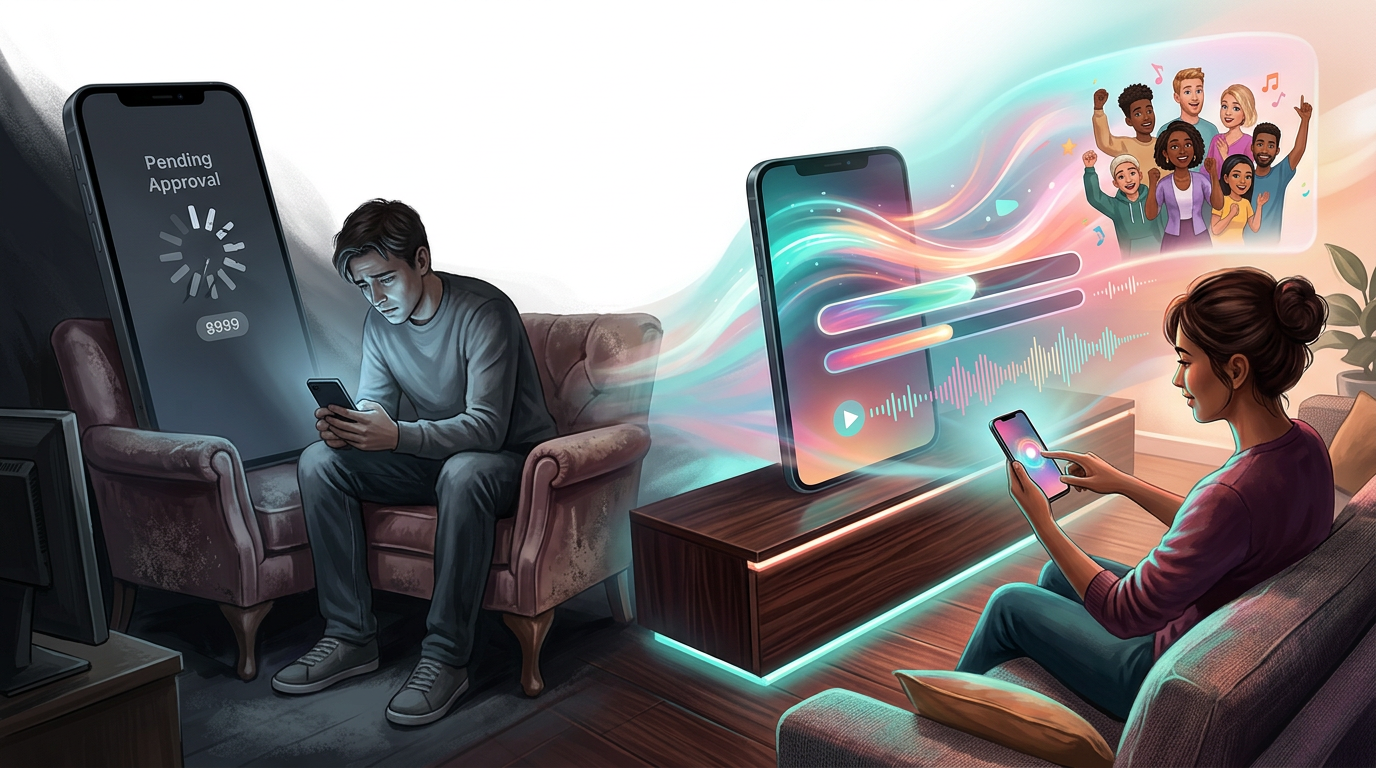
Ten years ago, the idea of paying a celebrity to say your name on screen was revolutionary. Platforms like Cameo successfully bridged the gap between fans and stars, turning what used to be a rare physical encounter into a transactional digital product. For a time, a shaky, fifteen-second video filmed on a smartphone by a B-list actor was the ultimate novelty gift, proving that digital access could be commercialized at scale.
But as internet culture has accelerated, the novelty of waiting days for a generic, thirty-second video has worn thin. Modern fans and content creators operate in a real-time digital economy. They do not want to passively watch a celebrity read a pre-approved script after waiting a week for delivery; they want to co-create, experiment, and interact instantly. This shift in consumer expectations is driving a quiet revolution away from old-school talent booking and toward dynamic, AI-driven media platforms like Fanfun.
The Evolution of the Celebrity Shoutout: From Autographs to AI
The history of fandom has always been defined by the search for proximity. In the physical era, this meant waiting outside stage doors for an autograph or waiting in line at conventions for a brief photo opportunity. These interactions were scarce, geographically limited, and entirely passive. When digital video platforms emerged, they democratized this access to an extent, turning the physical autograph into a digital video shoutout. Suddenly, anyone with a credit card could purchase a personalized moment with an athlete, actor, or reality TV star.
However, this first wave of digital personalization maintained a strictly one-way dynamic. The fan submitted a request, the celebrity read it, and the transaction ended. Today, consumer behavior has shifted dramatically. Audiences raised on TikTok, interactive gaming, and real-time streaming do not want to sit on the sidelines. They want to co-create content, build memes, and engage in active dialogues. A static video message that takes days to arrive simply cannot keep up with the speed of modern social media trends.
Waiting up to seven days for a video clip feels incredibly outdated in a creator-driven digital landscape. If a creator wants to capitalize on a trending meme format, they need media assets immediately, not next Tuesday. The traditional model is fundamentally bottlenecked by human availability, making it impossible to serve the real-time demands of modern internet culture.
Why the Traditional Cameo Model is Cracking for Modern Fans
For many casual gift-givers and independent creators, the traditional celebrity booking model presents significant friction. The most glaring barrier is cost. High-profile stars and tier-one celebrities frequently charge hundreds, or even thousands, of dollars for a single short video. Compare this to the high cost of a Snoop Dogg Cameo and explore how to channel that iconic style instantly and affordably. For the average consumer looking to buy a funny birthday gift, or the indie marketer trying to test a creative concept, these price points are completely prohibitive.

Beyond cost, the traditional model suffers from inherent creative friction. Because real celebrities must protect their personal brands, they reserve the right to decline any request that does not align with their public image. This means niche inside jokes, highly specific roasts, and experimental meme scripts are frequently rejected. This level of gatekeeping stifles the exact type of creative freedom that drives modern social media engagement.
The Friction of Rigid Scripting and Brand Safety
When a user submits a script to a traditional celebrity platform, they are essentially negotiating with a public figure's public relations boundaries. If a script contains hyper-specific internet humor, complex fictional lore, or sharp-tongued humor, the talent will often play it safe and reject it. This leaves the buyer with a sanitized, generic version of their original idea. In contrast, digital-first platforms remove these layers of human hesitation, allowing creators to iterate rapidly on highly customized concepts without fear of rejection.
The Volatility Factor: Why Audiences are Shifting to Digital Personas
Real-world creators and celebrities carry inherent reputational risks. In an era where public sentiment can shift overnight, relying on real-life individuals for personalized media or brand promotions can be highly volatile. A celebrity who is highly popular today might find themselves at the center of a public controversy tomorrow, instantly devaluing any custom video messages they have recorded and turning them into awkward liabilities. This shift explains why meme culture is increasingly moving past volatile creators in favor of interactive AI content.
Digital and AI-driven personas offer a stable, reliable, and consistent alternative for creative expression. An AI representation of a character or historical figure does not get involved in real-world controversies, nor does its public standing fluctuate due to unpredictable personal behavior. This consistency is highly valuable for brands and creators who require long-term brand safety and predictable content alignment.
Furthermore, there is a growing cultural shift where audiences prioritize the archetype or fictional character over the unpredictable real-life individual. Fans are often more attached to the persona of an anime hero, a cartoon legend, or a specific cultural archetype than they are to the actual actor behind the microphone. Digital platforms allow fans to engage directly with these beloved archetypes in a way that traditional booking platforms never could.
The Interactive Pivot: How Fanfun Redefines Personalization
This is where Fanfun enters the landscape, offering a modern, instant alternative to traditional celebrity platforms. By leveraging advanced AI technology, Fanfun eliminates the multi-day waitlist entirely. Instead of waiting days for a celebrity to find time in their schedule, users can generate highly personalized video and voice messages in a matter of minutes. This instant delivery model matches the rapid pace of modern content creation and digital gifting.
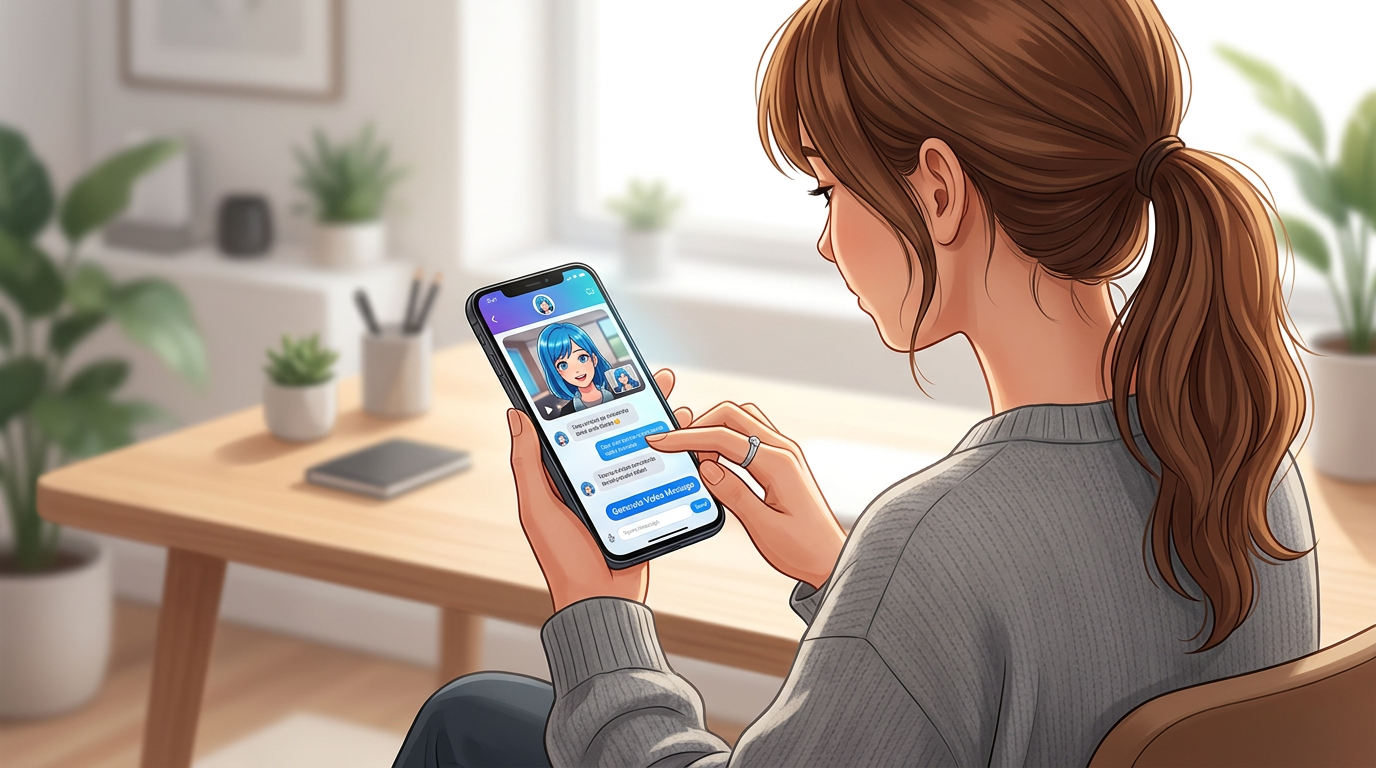
Additionally, Fanfun opens up a world of creative possibilities by offering access to fictional characters and cultural icons. Traditional platforms are limited by the physical availability of living, real-world celebrities. They cannot offer you a personalized greeting from an anime hero, a retro cartoon character, or a legendary historical figure. Fanfun breaks through these physical limitations, allowing fans to interact with a diverse and growing library of licensed and original AI personas.
Perhaps the most significant leap forward is the transition from static, one-way video clips to two-way interactive conversations. Through Fanfun's AI Chat feature, fans are no longer passive recipients of a pre-recorded message. They can engage in real-time, dynamic dialogue with their favorite AI personas. This transformation from a one-way shoutout to an interactive conversation represents the true future of fan engagement.
The Practical Comparison: Traditional Bookings vs. AI Personalization
To understand why the market is shifting, it is helpful to compare these two models side-by-side across the core decision factors that matter to fans, parents, and creators:
| Feature | Traditional Celebrity Booking | Fanfun AI Personalization |
|---|---|---|
| Average Cost | $50 to $3,000+ per video | Affordable, scalable pricing |
| Delivery Time | Up to 7 days (or more) | Instant (delivered in minutes) |
| Creative Control | Limited (subject to celebrity approval) | High (complete script flexibility) |
| Interactivity | None (one-way video clip) | High (two-way AI Chat & Voice) |
| Character Selection | Only living, registered celebrities | Fictional characters, anime, icons |
For digital content creators, this comparison is particularly stark. Creators can use AI voice generators to scale their production workflows, creating unique character interactions and voiceovers without the massive overhead of hiring voice actors for every minor script revision. Learn how to leverage high-energy sidekick archetypes to engage younger audiences effectively.
Parents also find this versatility incredibly valuable. While a traditional celebrity might not resonate with a toddler, a personalized video or live chat with a beloved cartoon character or friendly hero can create an unforgettable, magical experience. Because these interactions are highly customizable, parents can tailor the message to reference their child's specific achievements, hobbies, and favorite things with extreme detail.
Navigating the Ethics of AI-Generated Fan Experiences
As AI technology continues to advance, navigating the ethical landscape of digital personas is of paramount importance. The rise of voice synthesis and digital likenesses requires a strong commitment to intellectual property rights and creative ethics. It is critical that platforms balance technological innovation with deep respect for the creators, actors, and intellectual property holders who inspire these digital experiences.
Fanfun approaches this responsibility by prioritizing ethical standards and responsible technology. The platform focuses on developing licensed personas and original character interpretations, ensuring that the creative community is respected. By establishing clear guidelines and working within structured frameworks, Fanfun ensures that fans can enjoy creative freedom while maintaining high standards of ethical compliance.
For creators utilizing AI-generated voices, transparency remains the best practice. Disclosing the use of AI tools and focusing on positive, community-building content ensures that these technological tools are used to enhance human creativity rather than replace it. As the digital landscape continues to evolve, the combination of creative technology and ethical responsibility will pave the way for the next generation of personalized entertainment.
How much does a typical Cameo video cost compared to an AI alternative?
Traditional celebrity videos on platforms like Cameo can range anywhere from $50 to over $3,000 depending on the fame of the individual. In contrast, AI-driven alternatives like Fanfun offer highly affordable, scalable options, allowing you to generate personalized video, voice, and chat experiences for a fraction of the cost of a traditional celebrity booking.
Can I get a personalized video from a fictional or cartoon character?
Yes. While traditional celebrity platforms are strictly limited to living, real-world individuals, Fanfun features a growing library of fictional characters, anime icons, and cultural archetypes. This allows you to generate personalized messages and interactive chats with characters that cannot exist on traditional booking rosters.
How long does it take to receive a personalized video on Fanfun?
Unlike traditional celebrity platforms that often require up to seven days of waiting for a manual recording, Fanfun delivers personalized video and voice messages instantly. Your custom content is generated by our AI engine and delivered in a matter of minutes.
Are AI-generated celebrity voices and videos legal to use for content creation?
Yes, when created through responsible platforms. Fanfun is committed to creative ethics and intellectual property rights, focusing on licensed personas and original character interpretations. When using AI-generated content, creators should follow best practices by being transparent with their audience about the use of AI tools.