The Sean Ryan Fox Playbook: How to Channel High-Energy Sidekick Archetypes for Next-Gen Kid and Teen Content
Discover the narrative mechanics behind Sean Ryan Fox's iconic performance as Jasper Dunlop. This creator's guide details how to build, voice, and scale high-energy comedic sidekick characters for next-gen audiences.
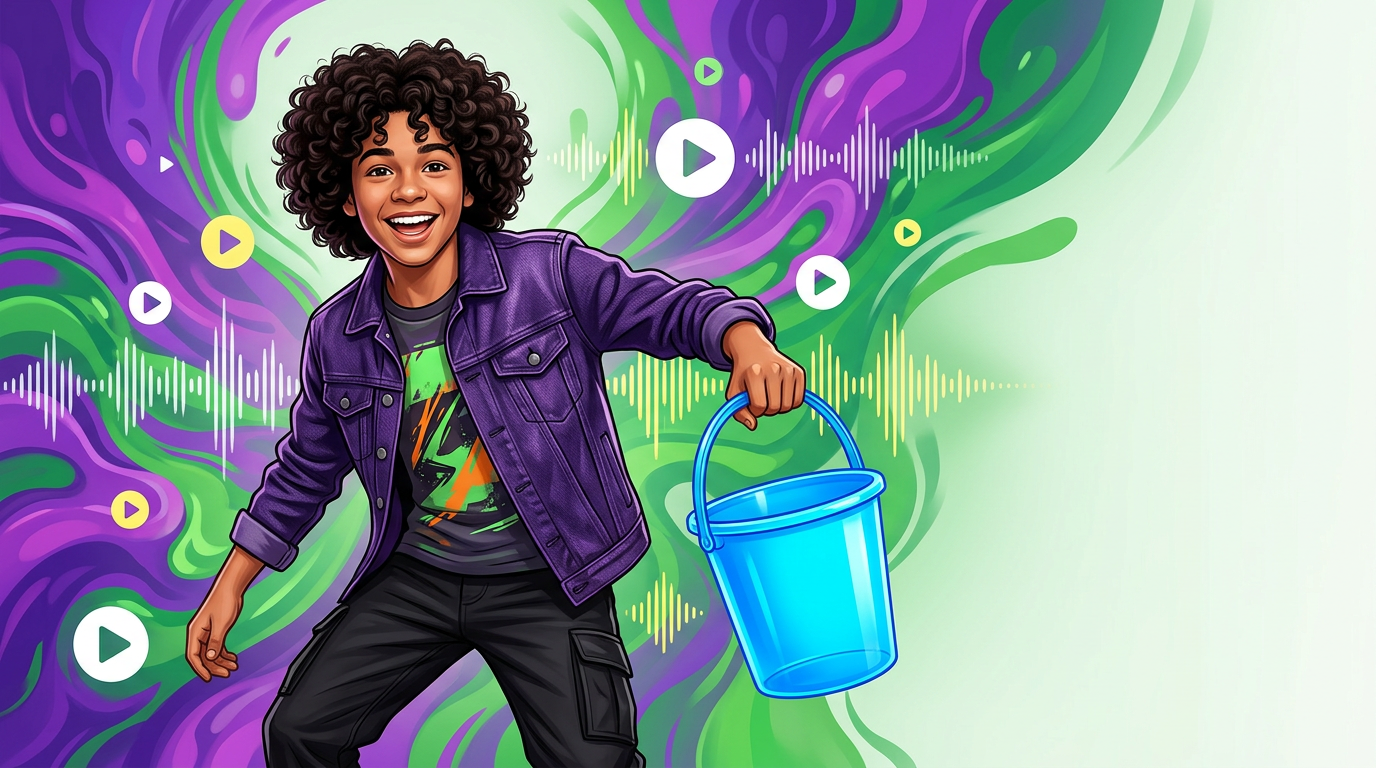
In the landscape of modern kid and teen entertainment, the protagonist often gets the glory, but it is the high-energy sidekick who captures the audience's hearts. For over half a decade on Nickelodeon's hit series Henry Danger, Sean Ryan Fox perfected this dynamic through his portrayal of Jasper Dunlop. By blending physical comedy, rapid-fire vocal delivery, and unwavering loyalty, Fox established a blueprint for how to keep younger audiences engaged in fast-paced narrative formats.
For modern digital creators, voice actors, and brands, the sidekick archetype is more than just a nostalgic TV trope; it is a highly effective, retention-boosting tool for social media and interactive content. In this playbook, we will analyze the narrative mechanics of Sean Ryan Fox's signature style and demonstrate how you can leverage Fanfun's AI-powered personalization tools to bring this high-energy format to life instantly.
The Jasper Dunlop Effect: Why the High-Energy Sidekick Rules Kid and Teen Media
The success of kid and teen television relies heavily on relatability and comic relief. While the main hero is busy saving the day, carrying the burden of the plot, and making tough moral choices, the sidekick is free to explore the absurd. Sean Ryan Fox's Jasper Dunlop is a masterclass in this division of labor. Jasper serves as the emotional anchor of the group, grounding the superhero antics of Kid Danger with everyday, highly eccentric teen problems.
Psychologically, young audiences gravitate toward sidekicks because they represent the freedom to make mistakes. Jasper is not perfect; he is prone to gullibility, physical clumsiness, and bizarre misunderstandings. Yet, his mistakes are never malicious, and his loyalty to his friends is absolute. This combination makes him incredibly endearing. When a character is allowed to fail spectacularly and hilariously, it lowers the stakes for the viewer, creating a safe, high-comfort viewing environment.
From a performance perspective, Fox maintained this engagement through high-energy physical comedy and expressive vocal work. In kid-friendly media, subtle subtext often gets lost in the noise of short attention spans. Sidekicks must use their entire physical and vocal range—widening their eyes, modulating their pitch, and utilizing dramatic pauses—to signal comedic beats clearly. This high-octane delivery is exactly what keeps viewers glued to their screens, whether on a cable television network or a scrolling social media feed.
Deconstructing the Sidekick Formula: A Creator's Framework
If you are building a character-driven brand, writing a script, or designing an AI persona for digital platforms, you can replicate Fox's success by following a few structural rules. The sidekick is not just a random funny character; they are a carefully engineered narrative engine.

The "Quirky Obsession" Rule
Every memorable sidekick needs a defining, harmless obsession that serves as shorthand for their personality. For Jasper Dunlop, it was his legendary, borderline-obsessive collection of buckets. This obsession serves multiple purposes: it provides an endless source of running jokes, makes the character instantly recognizable, and gives writers an easy comedic tool to break up tense plot points. When creating your own characters, give them a specific, absurd interest—like collecting vintage eraser caps or analyzing the physics of toast—to build instant brand identity.
The Loyalty-to-Incompetence Ratio
A sidekick can be clumsy, but they can never be a burden. To keep a character from becoming annoying, their loyalty must always outweigh their incompetence. If Jasper makes a mistake that ruins a mission, he immediately attempts to fix it with twice the enthusiasm, proving his heart is always in the right place. This balance keeps the audience rooting for them rather than wishing they would leave the screen.
Balancing the Dynamic: Sidekick vs. Hero and Villain
To make your sidekick shine, you must contrast their energy against the other characters in your universe. You can contrast this comedic sidekick energy with the high-octane physical pacing found in the Ninja Kidz formula to see how physical action demands a different type of supporting humor. Similarly, a great sidekick needs a strong foil; you can learn how to channel high-retention antagonist energy to balance out your comedic characters, ensuring your sidekick has an opposing force to bounce off of during comedic arguments.
Vocal Performance and Voice Acting: Bringing Animated Sidekicks to Life
Beyond his live-action success, Sean Ryan Fox has demonstrated his versatility through voice acting, notably voicing Jake in Disney's Jake and the Never Land Pirates. Voice acting requires an entirely different set of skills than live-action performance. Without facial expressions or physical props to lean on, the actor must convey energy, youth, and comedic timing purely through vocal modulation.
To capture this high-energy sidekick voice, voice actors and digital creators must focus on three core vocal pillars:
- Pitch Variation: Sidekicks rarely speak in a flat, monotone register. Their voices jump up in pitch when excited or drop dramatically when they realize they've made a mistake.
- Pacing and Breath Control: High-energy characters often speak in rapid, breathless bursts, conveying a sense of urgency and enthusiasm that keeps the listener engaged.
- Vocal Texturing: Adding small vocal imperfections—like a slight crack of the voice, a gasp, or a nervous chuckle—adds layers of personality that make the character feel alive.
For modern digital creators, producing this level of vocal performance consistently can be incredibly time-consuming and expensive. This is where modern AI tools change the game. By using Fanfun's AI Voice Generator, creators can prototype character voices, create custom fan dubs, or test dialogue scripts instantly. Instead of spending hours in a recording booth trying to nail the perfect high-pitched comedic gasp, creators can use AI interpretations of beloved character styles to scale their content production in minutes, maintaining a high-energy output without vocal strain.
The Evolution of Fan Interaction: From TV Screens to Interactive AI Experiences
In the era of traditional television, fans had very limited ways to connect with their favorite high-energy characters. They could watch them on screen, buy merchandise, or perhaps wait in line for hours at a convention to get a quick autograph. Later, platforms like Cameo introduced personalized video messages, but these traditional booking platforms often leave fans waiting weeks for a short, expensive video clip that may lack the specific creative spark they were hoping for.
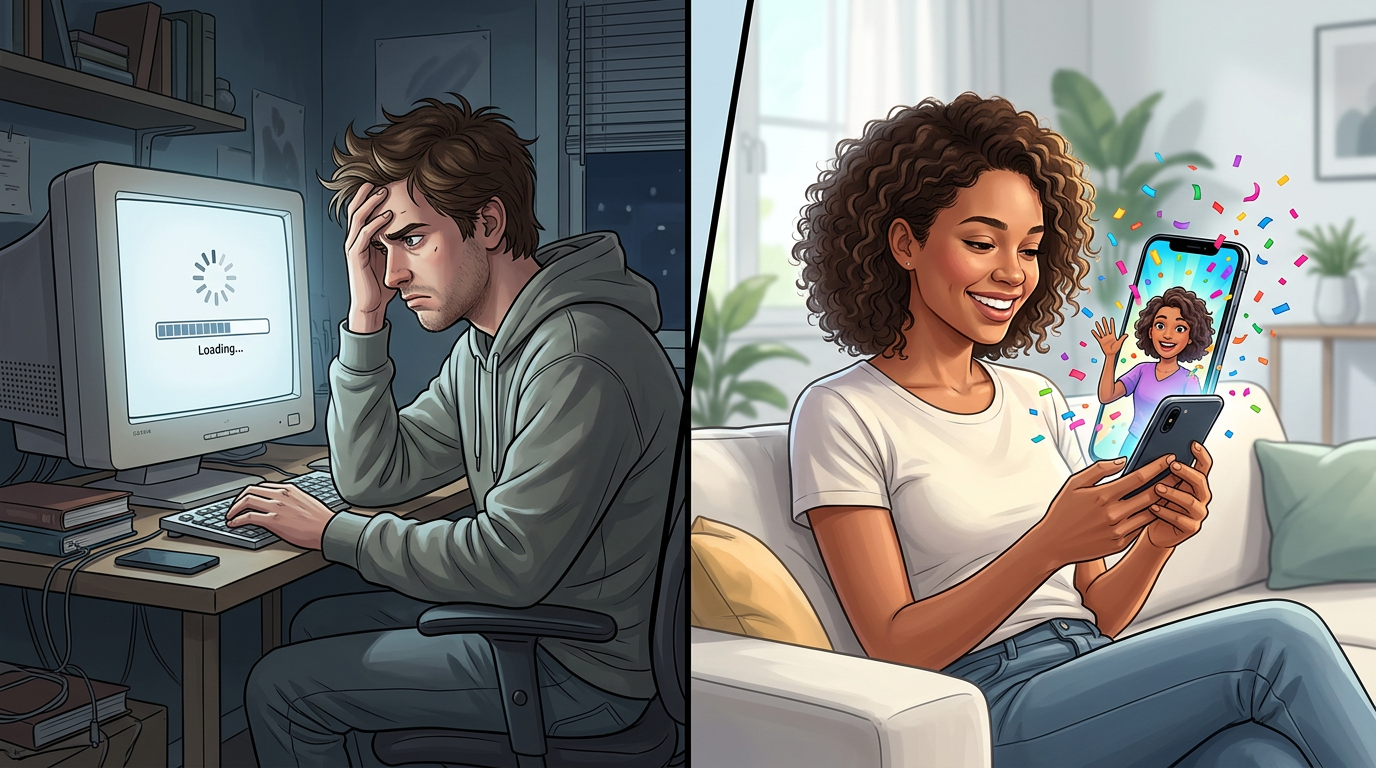
Today, the relationship between fans and characters is shifting from passive consumption to active co-creation. With Fanfun's AI personalized videos, fans and creators no longer have to wait on celebrity schedules or pay premium prices for custom media. Whether you want to generate a custom birthday wish in the style of an eccentric best friend, create a hilarious roast for a classmate, or produce a viral social media meme, Fanfun delivers high-quality, personalized video and voice messages in minutes.
As we look at how audience expectations are shifting, we can explore how sincere fan connections are evolving through modern video alternatives. Traditional platforms are limited by human bandwidth, but Fanfun's interactive AI chat and video tools democratize access to beloved character archetypes. Fans can now have two-way, real-time conversations with AI personas, allowing them to collaborate, joke, and engage with the high-energy sidekick energy they love, whenever they want.
The Kid-Friendly Content Checklist: Balancing Energy and Engagement
Creating content for younger audiences requires a delicate balance. If your energy levels are too low, kids will swipe away within seconds. If the energy is too chaotic or aggressive, parents will block your channel. To help you navigate this space, use the following decision framework to plan your next high-energy character project:
| Content Strategy | The High-Energy Approach (Sidekick Style) | What to Avoid | How AI Tools Scale It |
|---|---|---|---|
| Vocal Delivery | Expressive, varied pitch, enthusiastic pacing, playful gasps. | Monotone, overly aggressive shouting, slow or dragging speech. | Use Fanfun's AI Voice Generator to test high-energy comedic scripts instantly. |
| Character Quirks | Harmless, recurring obsessions (e.g., buckets, silly hats, weird foods). | Mean-spirited pranks, destructive behavior, repetitive jokes with no payoff. | Generate custom scripts through Fanfun AI Chat to explore new character quirks. |
| Visual Pacing | Expressive facial reactions, bright colors, clean comedic edits. | Flashing lights, dizzying camera cuts, dark or scary lighting. | Create instant personalized videos featuring dynamic, colorful AI avatars. |
| Audience Connection | Direct call-and-response, personalized callouts, relatable struggles. | One-way preaching, overly complex lore, distant or unapproachable tone. | Deploy interactive AI personas for real-time, two-way fan conversations. |
By implementing these strategies, you can build a sustainable, brand-friendly content pipeline. Utilizing scalable tools like Fanfun allows you to keep up with the rapid demand of digital algorithms without burning out. Rather than spending days filming and editing a single high-energy sequence, you can focus on writing sharp, hilarious scripts and let AI handle the heavy lifting of voice and video generation. The future of kid and teen entertainment belongs to creators who can blend classic, character-driven storytelling with the speed and accessibility of modern AI technology.
What is Sean Ryan Fox's most famous role?
Sean Ryan Fox is most famous for playing Jasper Dunlop, the loyal and eccentric best friend of Henry Hart, on the hit Nickelodeon live-action comedy series Henry Danger, which aired from 2014 to 2020.
How do you write a compelling comedic sidekick character for kid-friendly content?
To write a compelling kid-friendly sidekick, use the "Quirky Obsession" rule by giving them a harmless, funny hobby (like Jasper's bucket collection). Ensure their loyalty always outweighs their incompetence, keeping them endearing rather than frustrating to the audience.
What is the difference between traditional Cameo videos and Fanfun's AI personalized videos?
Traditional Cameo videos require booking real celebrities, which can be expensive and take days or weeks to deliver. Fanfun's AI personalized videos are instant, highly affordable, and available 24/7. Additionally, Fanfun supports fictional character archetypes and interactive AI chat, which traditional platforms cannot provide.
Can I use AI voice generators to create character voiceovers for social media?
Yes! Digital creators use Fanfun's AI Voice Generator to prototype character voices, script-test dialogue, and create engaging fan dubs or social media voiceovers quickly and affordably, without needing expensive studio recording sessions.