Beyond the Inside Joke: How to Produce a High-Impact Video Roast That Lands (Without Ruining the Friendship)
Roasting a close friend is a high-skill demonstration of affection, not a license to be mean. This guide breaks down the three-act roast formula, comedic boundaries, and how to deliver punchlines with maximum impact—even if you have stage fright.

A great roast is one of the ultimate signs of modern friendship. It takes the typical, polite milestone video and injects it with personality, energy, and genuine laughs. But there is a razor-thin line between a legendary tribute that people rewatch for years and an awkward, quiet room where everyone is suddenly very interested in looking at their shoes.
The secret to a high-impact video roast lies in treating it like a polished, mini comedy special rather than a chaotic stream of inside jokes. By structuring your humor, self-editing with discipline, and choosing the right delivery vehicle, you can celebrate your favorite person with the perfect mix of edge and affection.
The Anatomy of a Good Burn: Finding the Sweet Spot Between Savage and Warm
Roasting is best defined as "affectionate savagery." The underlying subtext of every single joke must be that you deeply value, love, and respect the person in the hot seat. If the audience doesn't feel that foundational warmth, the jokes will feel like genuine attacks rather than playful ribbing. A successful burn targets the things the person is proud of, their harmless quirks, or their self-admitted eccentricities.
To find the sweet spot, look for observable, objective habits. Think about their hyper-specific morning routines, their aggressive enthusiasm for spreadsheets, their questionable fashion choices from college, or their famously terrible parallel parking skills. These are safe comedic goldmines because they are relatable to the broader audience and don't touch upon deep-seated personal insecurities.
The golden rule of comedy writing here is to "punch up." Roast their successes, their minor privileges, or their funny habits—never their genuine struggles, heartbreaks, or professional setbacks. For a deeper dive into balancing humor and heart, check out our guide on how to write a roast script for your best friend.
Setting the Boundaries: The 'No-Go' Zone
Before you pen a single punchline, you need to establish strict boundaries. A roast is supposed to make the recipient feel like the star of the show, not a victim. If a joke makes the room feel tense or forces the recipient to put on a brave face, it has failed.
As a general rule, completely avoid topics like past relationships, family drama, financial struggles, or physical insecurities. If you find yourself hesitating over a joke and asking, "Is this too mean?", it absolutely is. Cut it immediately. There is infinitely more comedy to be found in their obsession with buying overpriced kitchen gadgets than in a painful memory they would rather forget.
The Venue and Audience Filter
Your boundaries must also shift depending on who is watching the final video. A roast played on a projector screen at a formal family dinner requires a completely different filter than one shared in a private group chat among college buddies. Always write for the most sensitive person in the audience. If the recipient's parents or boss are going to see the video, keep the humor clean, clever, and universally understandable.
Structuring the Script: The Three-Act Roast Formula
Randomly shouting out embarrassing memories is not a roast; it is just public exposure. To keep your audience engaged and laughing, your video roast needs a clear narrative arc. Using a structured three-act comedy formula ensures your video flows naturally and builds up to a satisfying climax.
- Act 1: The Warm-Up (0:00 - 0:30): Establish the premise of the video, acknowledge why everyone is gathered, and deliver a self-deprecating joke. Putting yourself down first disarms the audience and shows you do not take yourself too seriously, earning you the license to roast others.
- Act 2: The Core Burns (0:30 - 1:30): Deliver three to four specific, well-paced jokes targeting different aspects of their personality. Vary the topics—do one joke about their career, one about their hobbies, and one about their daily habits.
- Act 3: The Landing (1:30 - 2:00): Pivot cleanly back to genuine praise. This is where you drop the comedy act entirely and express how much the friend actually means to you. Ending on a sincere, warm note ensures everyone leaves smiling.
If you are planning this as part of a larger virtual event, learn how to organize a digital roast for a milestone to ensure the entire program runs seamlessly.
To understand the difference between a weak joke and a structured roast joke, study the comparison table below:
| Joke Type | Example Script | Why It Works (or Fails) |
|---|---|---|
| Weak Inside Joke | "Remember that time in Cabo? Classic Dave. Only you would do that." | Fails: Nobody in the room understands the context except Dave. It excludes the audience and kills the energy. |
| Structured Roast Joke | "Dave is so obsessed with saving money that he spent six hours researching cheap flights to Cabo, only to book a layover in Alaska. Dave, you didn't save fifty dollars; you bought a frostbite subscription." | Works: It has a clear setup (saving money), misdirection (the layover location), and a punchline. The whole room can laugh at the absurdity. |
Choosing the Delivery Vehicle: Self-Recorded vs. AI Celebrity Delivery
Once your script is written, you face the ultimate production challenge: how to deliver it. Comedic timing is incredibly difficult to pull off. If you record the video yourself, you need professional-grade lighting, crisp audio, and a confident, deadpan camera presence. For many people, the thought of performing comedy on camera induces instant stage fright, leading to a rushed, flat delivery that ruins the punchlines.
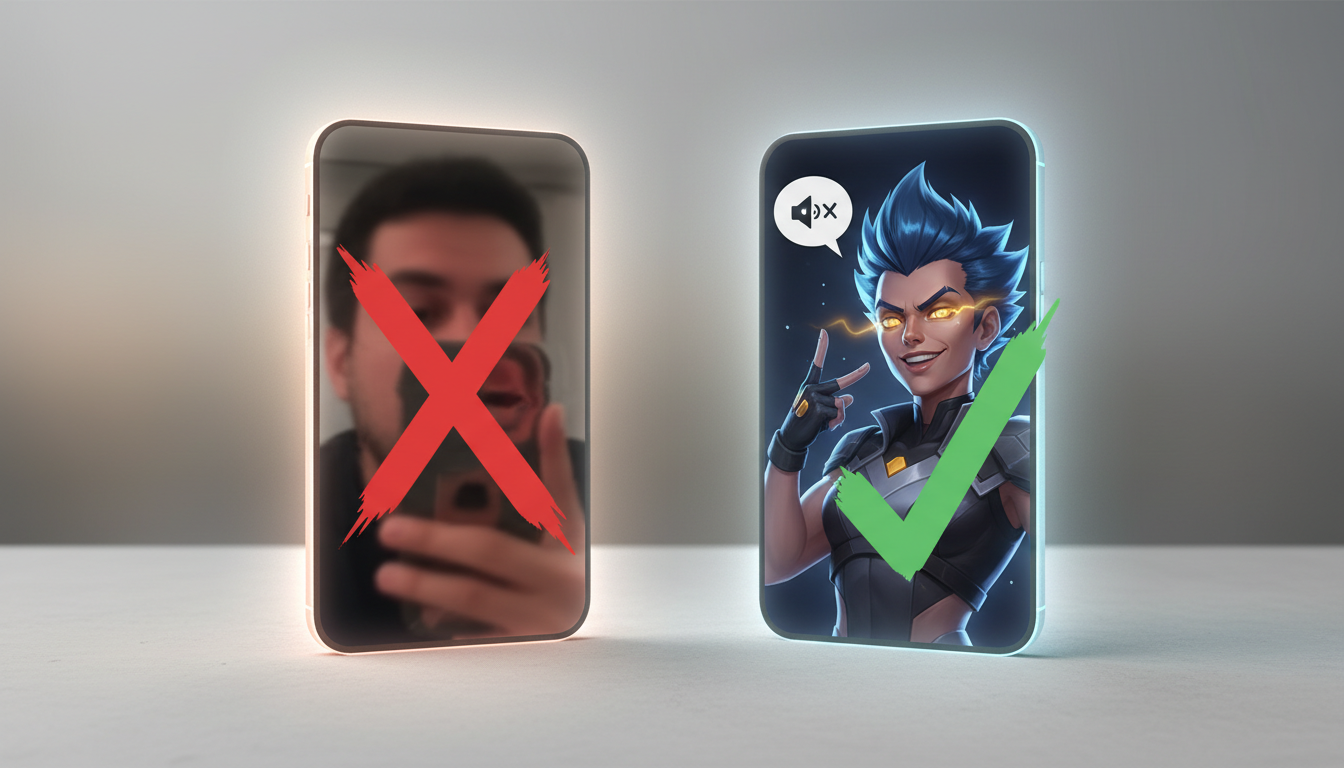
Fortunately, you do not have to be a professional stand-up comedian to deliver a masterpiece. Using an AI video generator can elevate your production value instantly by having a famous persona deliver your custom script. This is where Fanfun completely changes the game. Instead of settling for a shaky, poorly lit smartphone video, you can have an AI version of a legendary action hero, an anime icon, or a famous athlete read your custom-written burns.
With Fanfun, you bypass the performance anxiety entirely. You simply input your tailored roast script, select a character from the library, and generate a polished, hilarious, and highly professional video message in minutes. It turns what would have been a standard greeting into an unforgettable, shareable piece of content. To understand how to optimize your script for an AI performer, read our breakdown of the anatomy of an AI roast video generator.
| Feature | Self-Recorded Video | Fanfun AI Video Roast |
|---|---|---|
| Performance Pressure | High. Requires perfect timing, eye contact, and vocal control. | None. The AI persona handles the delivery and timing flawlessly. |
| Production Value | Variable. Dependent on your home camera, lighting, and microphone. | High. Studio-grade digital rendering and clear audio every time. |
| Novelty Factor | Standard. It is a format everyone has seen before. | Extremely High. A cultural icon delivering highly specific inside jokes is incredibly memorable. |
| Turnaround Time | Hours of filming, editing, and retakes. | Generated in minutes with zero editing required. |
The Roast Checklist: Final Polish Before You Hit Send
Before you export your video and share it with the world, run it through this quick quality-assurance checklist to ensure maximum comedic impact:
- The 2-Minute Rule: Keep the entire video under 120 seconds. Comedy dies when it drags. If a joke doesn't get a laugh during your read-through, cut it to keep the pace brisk.
- The Audio Check: Make sure the voiceover is perfectly clear. If you are using background music, lower its volume by at least 70% during the punchlines so nothing gets drowned out.
- The Laughter Test: Read your script out loud to an impartial third party who knows the recipient. If they smile or chuckle, keep the joke. If they look confused or winced, rewrite it.
- The Sincerity Ratio: Ensure at least 20% of your video is dedicated to genuine appreciation. The warmer your ending, the harder the audience will laugh at the savage parts.
How do you write a roast for a friend without being mean?
Focus on their harmless, quirky habits rather than deep-seated insecurities. Roast their successes, minor obsessions, or funny quirks (like being overly organized or always late), and always end the video with genuine praise and affection.
What are good topics to roast a friend about?
Excellent, safe topics include their overly specific coffee orders, their questionable fashion history, their terrible driving or parking skills, their obsession with a niche hobby, or their hyper-detailed spreadsheets.
How long should a video roast be?
Keep the video roast between 90 seconds and 2 minutes. In comedy, brevity is key. A short, fast-paced video with high-impact jokes is far more memorable than a long, rambling speech.
How do you deliver a roast if you are nervous on camera?
If you have stage fright, you can use an AI platform like Fanfun. Simply write your custom script and let an AI version of a famous celebrity or character deliver the punchlines with perfect timing, saving you from having to perform on camera.