The Autobot Cadence: How to Perfect a Heroic AI Robot Voice for Your Content
A great heroic robot voice requires more than just dropping the pitch. Learn how to master the dramatic pauses, formal vocabulary, and cinematic pacing that commands attention.
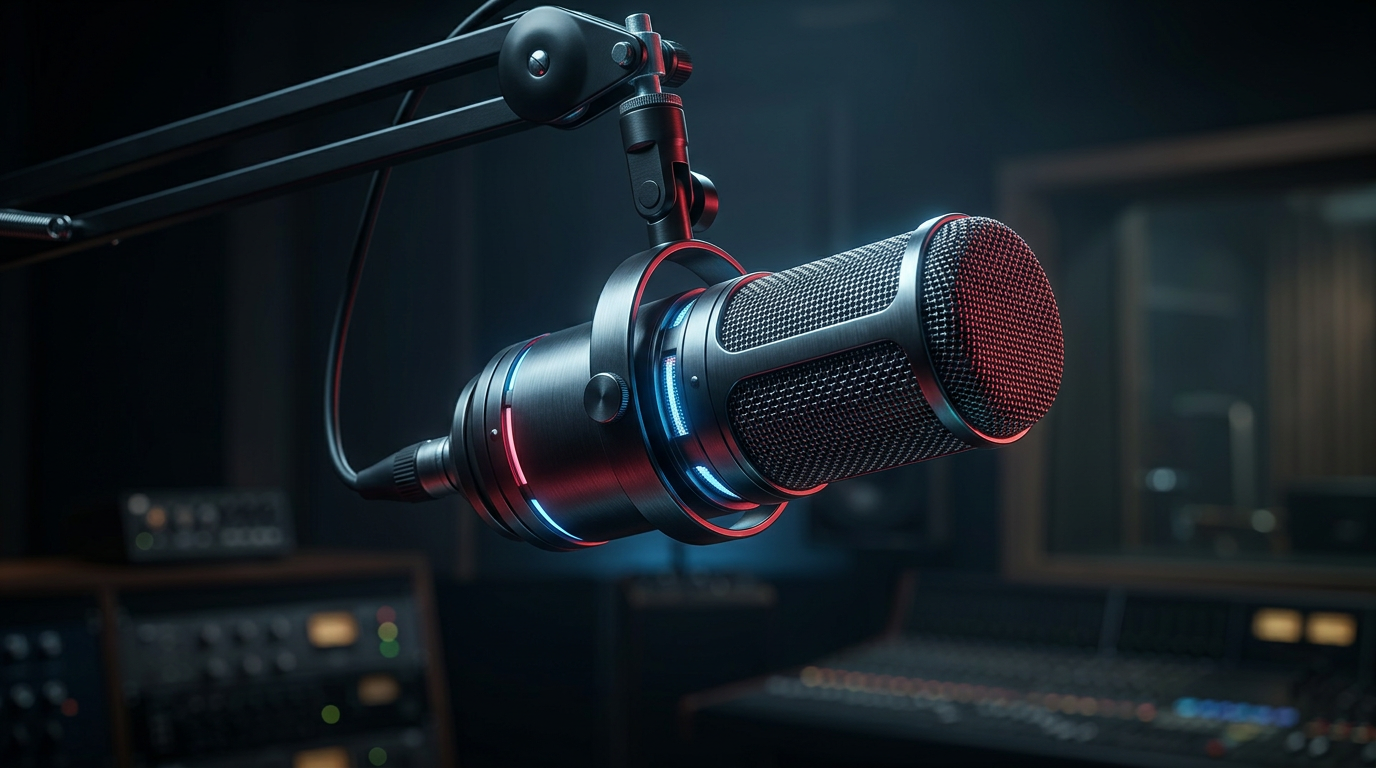
There is a specific frequency of voice that instantly commands a room. It is deep, metallic, and speaks with the unshakeable authority of a leader ordering his troops to roll out. For decades, achieving this iconic, cinematic robot voice required a world-class voice actor, a high-end studio microphone, and a sound engineer to perfectly mix the bass and flange. Today, AI voice generators have democratized that power, giving content creators the ability to summon blockbuster gravitas on demand.
But deploying a truly heroic AI robot voice is not as simple as typing a casual sentence into a text box and hitting generate. If you want your video intro, meme, or personalized greeting to sound like it belongs in a summer blockbuster rather than a cheap automated phone menu, you have to understand the mechanics of the performance. Mastering this cadence means learning how to script for dramatic pauses, choose the right vocabulary, and mix the final audio so it shakes the subwoofer.
The Anatomy of a Cinematic Robot Voice
To recreate the legendary sound of an 80s or 90s transforming robot leader, you have to understand what makes the voice so recognizable. It is not just "deep." It is a specific triad of vocal characteristics: deep bass resonance, slow and deliberate pacing, and a subtle metallic flange that implies massive physical scale.
Many creators make the mistake of taking a standard voice recording and simply running it through a pitch-shifting filter. The result rarely sounds heroic; instead, it sounds muddy, distorted, or like a digital ransom note. True gravitas comes from the performance itself, not just the frequency. An authentic leader speaks from the chest, enunciates every syllable, and never rushes their words, no matter how dire the situation.
This is where modern AI models excel. When you use a high-quality AI voice generator, the engine isn't just lowering the pitch of a generic voice. It is analyzing the cadence, breath control, and emotional weight of the persona. It understands that a heroic robot takes up space—both physically and sonically. The AI replicates the measured, stoic delivery that gives the character its authoritative weight, allowing you to generate audio that feels grounded and massive.
Scripting for Gravitas: How to Write for the Leader
The secret to getting an incredible performance out of an AI voice generator lies entirely in your script. The AI reads your text as a set of directorial cues. If you write casually, the AI will attempt to deliver a casual read, which completely shatters the illusion of a towering, stoic robot. To force the AI into the correct heroic cadence, you need to write like a cinematic screenwriter.
The Power of the Punctuation Pause
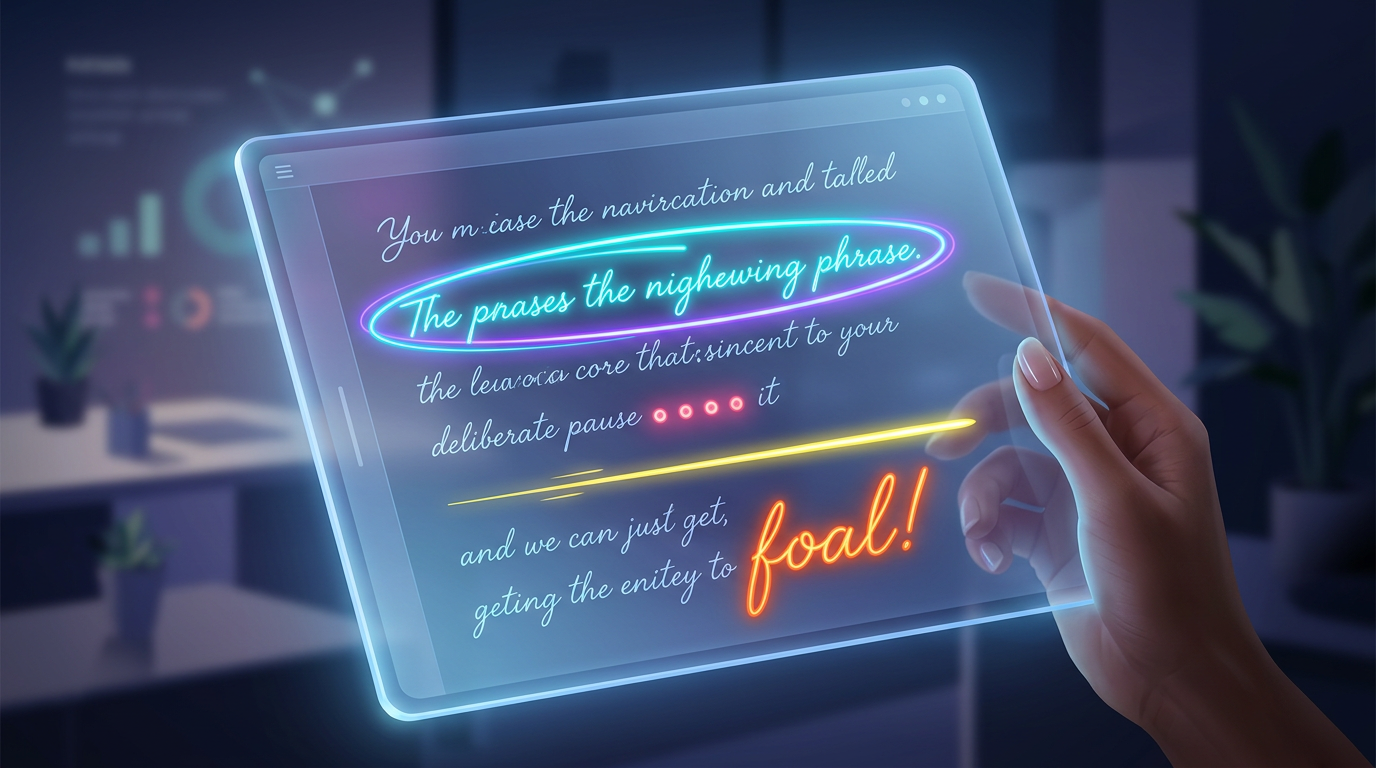
Punctuation is the most powerful tool in your AI generation toolkit. A heroic leader rarely speaks in long, breathless run-on sentences. They speak in declarations. They pause to let their words sink in. To recreate this, you must use punctuation to force the AI to take dramatic, cinematic breaths.
Instead of a standard comma, use ellipses (...) or em-dashes (—) to create deliberate tension. For example, do not write: "Hello everyone welcome back to the channel, today we are playing Elden Ring." The AI will rush through it. Instead, write: "Greetings. Today... we face our greatest challenge yet. We... enter the Lands Between." The ellipses force the AI engine to insert micro-pauses, adding immense weight to the delivery.
Heroic Vocabulary
A towering mechanical leader does not use modern slang or casual filler words. Their vocabulary is formal, dramatic, and slightly archaic. Swapping out everyday words for their cinematic equivalents instantly elevates the output.
- Instead of "luck," use "destiny" or "fate."
- Instead of "friends" or "guys," use "allies" or "comrades."
- Instead of "let's go," use "we must advance" or "roll out."
- Instead of "bad guys," use "forces of deception" or "the enemy."
By feeding the AI this elevated vocabulary, you trigger the model's association with dramatic, theatrical speech patterns, resulting in a much more authentic read.
The Climax Delivery
A heroic monologue always builds to a crescendo. To get the best pacing from your AI generation, structure your script so that the final sentence carries the most vocal weight and energy. Start slow and quiet, establishing the stakes. Then, use shorter, punchier sentences at the end of the script. The AI will often interpret this structural shift as a cue to increase intensity, giving you that perfect, trailer-ready final line.
The "Command Center" Framework: Best Use Cases
Once you have mastered the cadence, the next step is deploying the voice where it will have the maximum impact. Here is a structured framework for the best ways to use a booming robot voice in your content.
The Hype Intro: If you run a gaming stream, an esports channel, or a fitness page, starting your video with a standard "Hey guys" is a missed opportunity. A cinematic robot voice instantly hooks the viewer. Imagine opening a stream with: "Allies. The battle lines are drawn. The lobby... is hot. Prepare for deployment." It sets a tone of high-stakes entertainment before the visuals even kick in.
The Absurd Contrast: One of the most viral ways to use a hyper-serious AI voice is to apply it to incredibly mundane or ridiculous situations. The comedic friction between a voice built for saving the galaxy and a script about a minor inconvenience is guaranteed engagement. Have the voice dramatically review a fast-food burger, complain about parallel parking, or read the patch notes for a cozy farming simulator.
The Ultimate Birthday Wish: Personalized greetings are a massive part of modern fandom, and Fanfun is built specifically for this. Creating a larger-than-life birthday video for a friend or child using a heroic robot voice turns a simple greeting into an event. "Greetings, Sarah. You have survived another rotation around the sun. Your youth has transformed... but your destiny awaits. Have a victorious birthday."
Building Your Voice Roster: When to Use Heavyweights
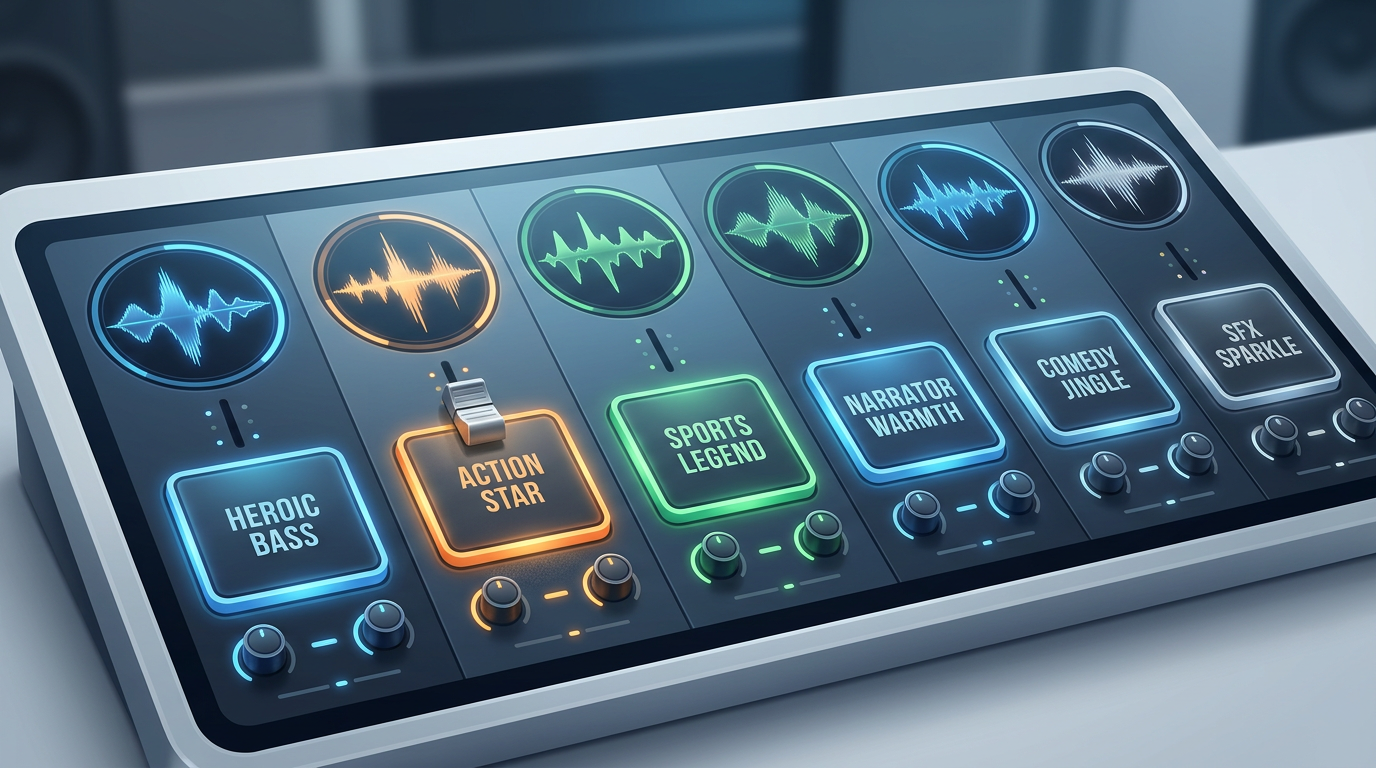
While the stoic robot is perfect for cinematic gravity, it is just one tool in your creator arsenal. Fanfun's platform allows you to instantly pivot between distinct personas depending on the emotional goal of your video. Knowing when to use which voice is key to keeping your content fresh.
| Vocal Vibe | Recommended Fanfun Voice | Best Content Use Case |
|---|---|---|
| Stoic, Formal Leadership | Heroic Robot / Autobot Style | Gaming intros, dramatic lore videos, absurd contrast comedy. |
| High-Octane Motivation | Dwayne Johnson AI | Fitness content, intense hype videos, energetic pep talks. |
| Booming & Playful | Shaq | Sports highlights, roasting friends, larger-than-life humor. |
| High-Pitched Recognition | Mickey Mouse | Family-friendly content, extreme vocal contrast, nostalgic memes. |
If you need your audience to feel pumped up and ready to run through a brick wall, the stoic robot might be too slow; instead, the Dwayne Johnson AI voice brings a totally different flavor of high-energy, action-star intensity. For a deep, booming presence that leans heavily into playful, unpredictable humor rather than formal leadership, the Shaq voice generator is a much better fit. And if you want to completely shatter expectations with instant, high-pitched recognition, you can instantly pivot to Mickey Mouse. The beauty of the Fanfun platform is that you aren't locked into one tone—you can cast the perfect "actor" for every single script.
Mixing and Mastering: Avoiding the "Tin Can" Effect
Even the best AI voice generation can fall flat if you just drop the raw audio file directly onto your video timeline. To make the voice sound massive and expensive, you need to apply a few basic post-production mixing techniques.
First, never leave the voice hanging in dead silence. A cinematic voice demands a cinematic backdrop. Layer the generated AI voice over orchestral brass or a low, pulsing synth track. This not only sets the mood but also helps mask any minor digital artifacts that can occasionally occur in AI generation.
Second, apply a slight cinematic reverb. A towering robot wouldn't sound like they are standing in a padded closet; they sound like they are standing in a massive hangar or a canyon. Adding a "Large Room" or "Hall" reverb gives the voice spatial depth, tricking the listener's brain into perceiving the character as physically massive.
Finally, be very careful with audio compression. Many video editors automatically compress vocal tracks to make them louder, but over-compressing a deep robot voice will destroy the natural bass frequencies that give it power. It will end up sounding like it is coming out of a tin can. Leave the low-end EQ intact, boost the bass slightly if necessary, and let the voice rumble exactly as a hero's should.
How do I make an AI voice sound like a cinematic robot?
To get a cinematic robot sound, you need to combine the right AI voice model with deliberate scripting. Choose a deep, bass-heavy voice preset, and write your script using formal vocabulary and dramatic punctuation (like ellipses) to force the AI to speak slowly and with authority. Finally, add a slight reverb in post-production to give the voice massive spatial depth.
Why does my AI voiceover sound too fast and lack emotion?
If your AI voiceover sounds rushed, it is likely because your script lacks punctuation. AI models use commas, periods, and em-dashes as cues to take breaths and pause. Try breaking up long sentences and inserting ellipses (...) where you want the character to hesitate or build tension.
Can I use AI character voices for my YouTube gaming intros?
Yes, using a booming, heroic AI voice is an incredible way to start a gaming stream or YouTube video. It instantly hooks the viewer and sets a high-stakes, entertaining tone. Just ensure you are using a platform like Fanfun that provides high-quality, reliable generation suited for content creation.
What is the best way to write a script for a deep AI voice?
Write as if you are scripting a blockbuster movie trailer. Avoid casual slang, filler words, and run-on sentences. Swap everyday words for dramatic alternatives (e.g., use 'destiny' instead of 'luck'), keep your sentences punchy, and build up to a strong, definitive final sentence.