The Hoff Factor: Why David Hasselhoff’s Self-Awareness is the Gold Standard for Modern Personal Branding
David Hasselhoff didn't just survive the transition from 80s heartthrob to internet legend; he weaponized his own image. Learn how his hyper-aware approach provides the perfect blueprint for modern digital personas.
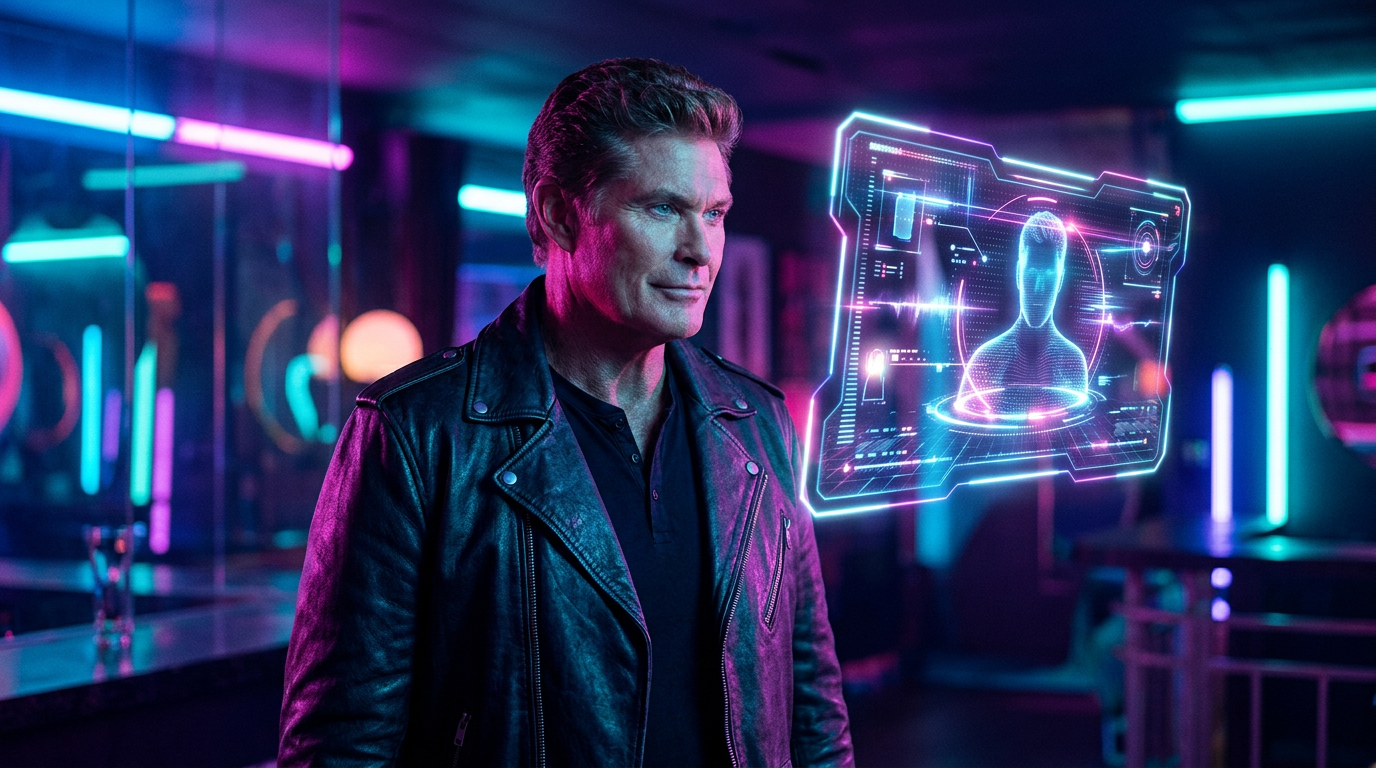
David Hasselhoff survived the perilous career drop-off that claims most former television heartthrobs. He did not achieve this by securing prestige drama roles or pivoting to independent cinema. Instead, he weaponized his own image, turning the inherent campiness of his fame into a highly lucrative, multi-decade brand strategy.
By leaning entirely into the absurdity of his global superstardom, he established a template for modern influencers and digital creators. This highly exaggerated, slightly ironic, and intensely accessible approach—the "Hoff" mindset—is precisely what makes modern digital personas resonate. For creators navigating the current attention economy, understanding how to deploy this level of self-awareness is the key to building a persistent, engaging brand.
The Art of the Pivot: From Knight Rider to Irony
The transition from a serious leading man to a self-aware internet icon requires a specific type of vulnerability. During the height of Knight Rider and Baywatch, Hasselhoff was positioned as a conventional, straightforward hero. But as pop culture shifted and the earnestness of the 1980s gave way to the cynicism of the late 1990s and 2000s, maintaining that straight-laced image became a liability.
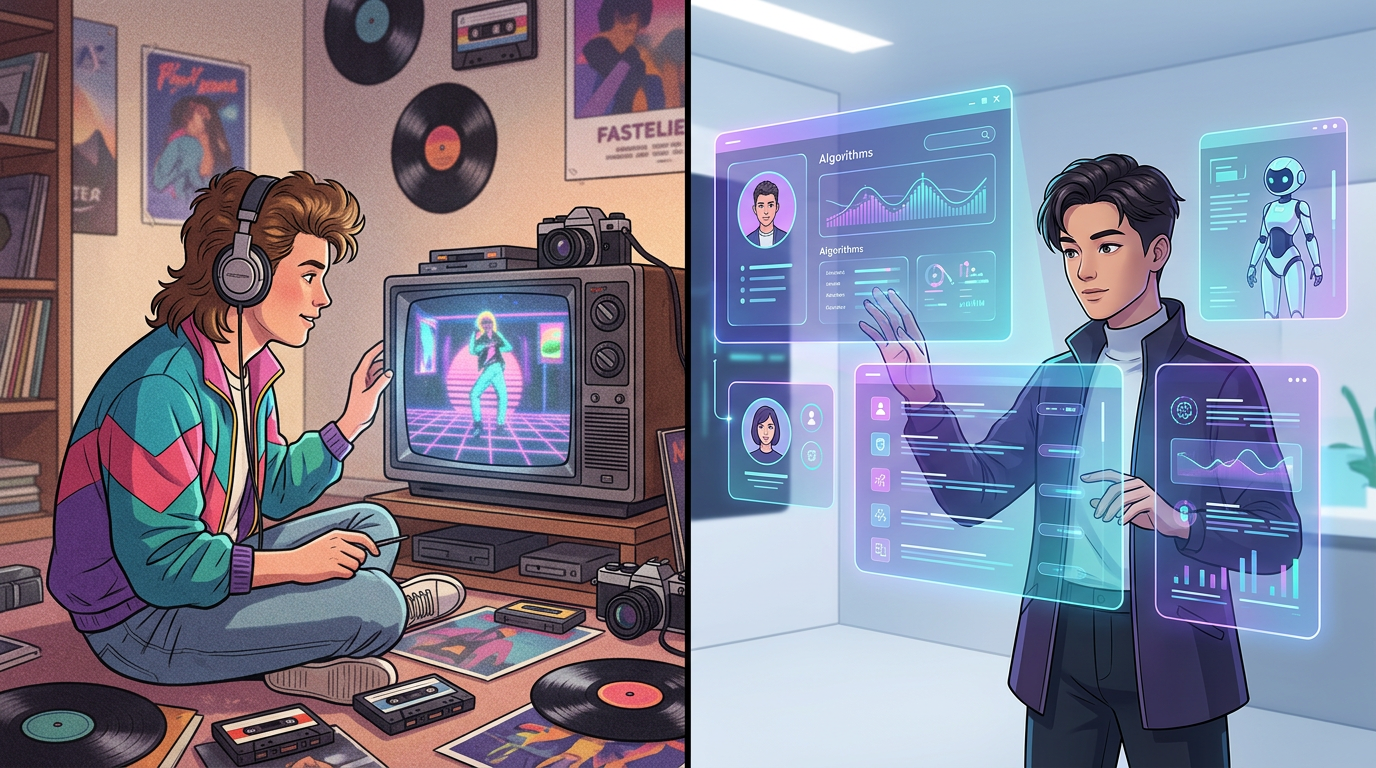
Rather than fighting the cultural tide or demanding to be taken seriously as a dramatic actor, Hasselhoff pivoted. He embraced the memes before memes were a recognized currency. He made a legendary, self-mocking cameo in The SpongeBob SquarePants Movie. He released bizarre, highly stylized music videos that leaned heavily into his massive European fandom. He recognized that self-awareness is the most valuable asset in the attention economy.
This pivot broke the traditional mold. It proved that audiences do not demand perfection from their icons; they demand entertainment and authenticity. When a public figure acknowledges the joke and invites the audience to laugh with them, they neutralize their critics and build an unbreakable bond with their fans. For anyone involved in content creation today, this is a masterclass in longevity. You cannot control how the internet perceives you, but you can control how you react to that perception.
Why Your Digital Persona Needs a "Hoff" Layer
Creating content for a digital audience requires more than just turning on a camera. It requires a persona. A persona is not a fabrication; it is an amplified, highly concentrated version of your actual personality. The "Hoff Layer" is the protective, entertaining shell of self-awareness that allows you to operate at high energy without seeming delusional.
There is a distinct difference between a persona and a parody. A parody mocks the subject, undermining their authority. A persona celebrates the subject's quirks, turning them into signature traits. When you apply the Hoff Layer to your digital presence, you acknowledge your own tropes. You give the audience permission to enjoy the exaggerated version of you.
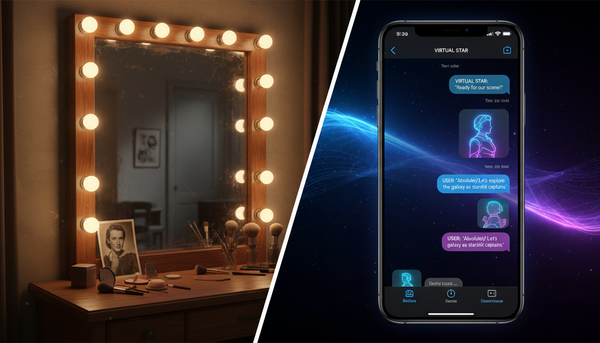
This concept is the driving force behind the most successful interactive AI experiences. A static social media post is a one-way broadcast, but an AI persona is a two-way interaction that relies entirely on a strong, recognizable character. Consider the larger-than-life presence of Shaq. His digital footprint thrives on a mix of dominant sports legacy and self-deprecating humor, much like Hasselhoff's approach. Similarly, the Dwayne Johnson Ai serves as a modern benchmark for high-engagement persona building, capturing the relentless optimism and eyebrow-raising charisma that fans expect, delivered instantly through Fanfun's platform.
Building the Modern Icon: A Practical Framework
Emulating the Hasselhoff effect requires deliberate strategy. You cannot simply decide to be "funny" and expect it to translate into a cohesive brand. You need a structured approach to identifying and amplifying your core traits, ensuring they translate effectively whether you are filming a vlog or setting up an ai voice generator for your automated content.

The 3-Step Persona Checklist
To build a digital persona that can withstand the fast-paced nature of modern fandom, apply this three-step framework to your content strategy:
- Identify Your Signature Trait: What is the one characteristic people immediately associate with you? For Hasselhoff, it was unshakeable, almost oblivious optimism. For you, it might be hyper-organization, chaotic creativity, or deadpan sarcasm. Isolate this trait and turn the dial up to eleven.
- Apply the Irony Filter: Can you laugh at this trait? If your signature trait is being a fitness fanatic, your Hoff Layer involves making jokes about carrying protein powder in a tuxedo. It requires acknowledging the extremity of your brand so the audience feels in on the joke.
- Deploy AI for Scale: A persona must be consistent to be recognizable. Use modern tools to maintain that consistency across platforms. By utilizing an ai voice generator or creating custom interactive chat models on Fanfun, you ensure that your audience always gets the "star" version of you, maintaining the exact tone and energy of your brand even when you are not actively recording.
Beyond the Static: Why Interaction Wins
The era of passive celebrity consumption is ending. Audiences are no longer satisfied with simply watching a clip or reading a polished PR statement. They want active participation. They want to test the boundaries of a persona, ask it questions, and receive personalized responses.
This shift exposes the severe limitations of traditional cameo alternatives. Waiting days or weeks for a tired, thirty-second video recorded in the back of a car no longer meets the expectations of digital-native fans. The modern audience demands instant, scalable, and high-energy interactions. Fanfun addresses this directly by providing on-demand, personalized video and voice generation that captures the essence of a character without the logistical bottlenecks of human scheduling.
This interactive requirement applies just as heavily to fictional properties as it does to real people. Characters like Spongebob Squarepants succeed in the AI space because they are inherently interactive. Their personalities are so clearly defined—so rich with signature traits and specific vocal cadences—that users instantly know how to engage with them. The AI simply acts as the conduit, allowing fans to direct the chaos and humor in real-time.
The Future of Fandom: AI as the Ultimate Connector
The democratization of celebrity-style content is reshaping how fans interact with the culture they love. Fun ai tools are no longer just novelties; they are essential community-building instruments. Creators are using these platforms to build deeper, more personalized connections with their audiences, offering experiences that were previously locked behind VIP meet-and-greets or expensive agency retainers.
By adopting the Hoff approach—embracing a highly defined, self-aware persona—creators provide the perfect training ground for these AI tools. A strong persona translates seamlessly into an AI model, resulting in interactions that feel authentic, entertaining, and true to the source material. It allows platforms like Fanfun to preserve the legacy and spirit of icons, whether it is capturing the relentless drive of Kobe Bean Bryant or the exaggerated charm of an 80s action star.
Ultimately, the future of personal branding belongs to those who do not take themselves too seriously, but who take their audience's experience very seriously. By building a robust, self-aware digital presence and leveraging interactive AI to scale it, you transition from being a static creator to an enduring digital icon.
How does David Hasselhoff’s career influence modern content strategy?
David Hasselhoff pioneered the strategy of leaning into the absurdity of his own fame. By embracing a self-aware, slightly exaggerated version of himself (The Hoff), he proved that vulnerability and humor build stronger, longer-lasting audience connections than trying to maintain a flawless, serious image. This is the exact blueprint modern creators use to build resilient digital brands.
Can I use AI to create a persona that feels as self-aware as The Hoff?
Yes. The key to a successful AI persona is programming it with your "signature traits" and an irony filter. By using Fanfun's AI tools, you can ensure your digital counterpart responds with the same high-energy, self-deprecating humor that defines your core brand, providing consistent entertainment at scale.
Why are interactive AI personas better than traditional celebrity videos?
Traditional celebrity video requests often involve long wait times and result in passive, one-way messages that can feel rushed or low-energy. Interactive AI personas on Fanfun are instant, scalable, and allow for two-way conversations. They provide high-energy, on-brand interactions every single time, making them superior cameo alternatives.
How do I start building a brand persona using Fanfun’s AI tools?
Start by identifying your core recognizable trait and turning it into a consistent character. Then, leverage Fanfun's ai voice generator and interactive video tools to create content that reflects this persona. Ensure the output is high-energy, self-aware, and highly shareable, allowing your fans to interact with the "star" version of you instantly.