The 'Hard Rock Nick' Aesthetic: Why Over-the-Top Personas Dominate Viral Content
The internet rewards those who commit 100% to a bit. Discover how to leverage high-intensity archetypes and AI tools to build a captivating digital persona.

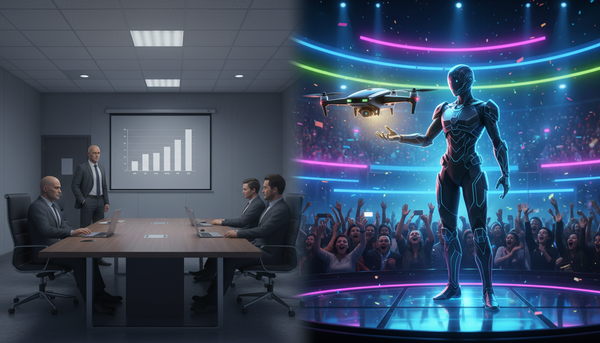
In the digital landscape, subtlety is often the enemy of virality. Figures like 'Hard Rock Nick' succeed not because they are relatable in the traditional sense, but because they are committed to a singular, high-intensity aesthetic. This persona is built on the pillars of unapologetic confidence, repetitive visual motifs, and a refusal to break character. By turning their volume to 11, these creators ensure that even a three-second scroll past their content leaves an indelible mark on the viewer's memory. This 'love-to-watch' dynamic works because it provides a clear, consistent narrative. Whether it is the sunglasses, the specific cadence of speech, or the relentless bravado, the audience knows exactly what they are getting. When you strip away the irony, you are left with a blueprint for attention: identify one core trait and amplify it until it becomes a signature. The modern feed is a battle for the 'thumb-stop,' and high-energy personas act as a necessary disruptor to the standard, muted social media experience.
The Anatomy of a High-Intensity Archetype
To build a persona that sticks, you must move beyond the generic. The most successful viral characters operate on a loop of predictability and surprise. They are predictable in their delivery—the audience knows the 'vibe'—but surprising in their specific execution. This is why character-driven content often performs better than lifestyle vlogging; it provides a contained, curated experience that doesn't require the viewer to know the creator's personal history. When you look at the magnetism of icons like The Rock Dwayne Johnson, you see the ultimate masterclass in persona maintenance. He is consistently high-energy, physically imposing, and rhetorically distinct. While most creators cannot replicate a Hollywood production budget, they can replicate the rhetoric of these figures. Using a Dwayne Johnson AI tool allows a creator to analyze and adopt those specific cadence patterns, testing how that level of intensity changes the reception of their own content. The key is identifying the 'rhetorical markers'—the pauses, the emphasis on specific syllables, and the sheer volume of delivery—and integrating them into your own content flow.
Why 'Commitment to the Bit' Drives Engagement
The internet punishes hesitation. If you are halfway committed to a character, the audience senses it immediately, and the 'bit' fails. High-intensity personas succeed because they remove the friction of ambiguity. When you see a creator lean into a caricature—whether it is a loud-mouthed hype man or a deadpan observer—you are participating in a shared language. This is where Fanfun becomes a critical tool for creators. Rather than spending weeks trying to find the right vocal inflection or character beat, you can use the platform to iterate in minutes. You can test how a specific catchphrase sounds when delivered with the gravitas of a sports legend like Shaq, or how a comedic sketch plays out when voiced by a character with the distinct personality of Spongebob Squarepants. This experimentation allows you to find your '11' without the risk of public failure. By treating your content as a performance space, you move from being a 'vlogger' to a 'showrunner,' which is a vital distinction for long-term growth.
Scaling Your Persona Through AI
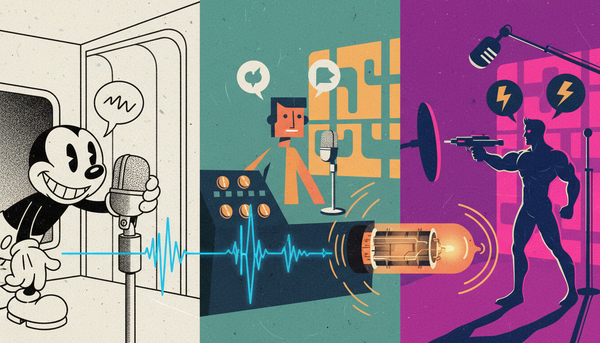
Building a recognizable digital presence requires consistency that is often difficult for a single person to maintain. If you are fatigued, your content suffers. This is why the most successful creators are now using AI as a force multiplier for their creative output. By offloading the repetitive aspects of character voice and interactive engagement to AI, you free yourself to focus on the high-level strategy of your brand. Consider the versatility required in modern content creation. You might need a hype-man voice for a promo, a witty retort for a comment section, or a consistent narrator for a series of shorts. Instead of recording these yourself, you can use an AI Kylie Jenner-inspired persona or other archetypes to maintain the aesthetic. Even iconic figures like Mickey Mouse represent a level of brand consistency that creators should study: they never 'break' their character. Your AI persona acts as the anchor that keeps your brand identity stable, even when your content strategy shifts. The goal is to create a 'sonic brand'—a consistent vocal texture that fans recognize instantly, regardless of the topic.
The Practical Framework for Persona Development
If you want to build a persona that commands attention, follow this three-step framework:
- The Hook: Identify one trait you can exaggerate. Is it your speed of speech, your vocabulary, or your level of enthusiasm?
- The Vocal Signature: Use an AI voice generator to find a tone that matches your hook. If your persona is 'The Grumpy Expert,' find a voice that sounds tired but authoritative.
- The Interaction Loop: Use AI chat tools to simulate how your persona would respond to fans. This helps you build a library of 'on-brand' responses that you can use in your comments or videos.
By keeping your character's 'DNA' stable, your audience begins to recognize your content before they even see your face. This is the difference between a random poster and a digital creator. Using Fanfun, you can test these beats in real-time, ensuring that every piece of content you ship feels like a deliberate extension of your persona. Don't be afraid to pivot if a specific iteration doesn't land; the beauty of AI-driven content is the ability to pivot your 'vocal brand' without starting from scratch.
Balancing Performance and Authenticity
A common fear is that using AI to build a persona makes the content feel 'fake.' However, the audience is smarter than that. They understand the difference between a bot pretending to be a human and a creator using AI as a tool to enhance their performance. The goal is to use these technologies to express your creative vision more clearly, not to replace your own human intuition. When you use an AI tool to generate a voice or a character interaction, you are essentially directing a performance. You are the showrunner. The best personas are those that understand they are part of a 'bit' while delivering that bit with 100% conviction. As you continue to build your audience, remember that the technology is there to serve your creativity, not the other way around. Keep the energy high, the commitment absolute, and the persona consistent. If you lean into the absurdity of the persona, your audience will reward you with loyalty because they appreciate the craft behind the character.
How do I create a viral character for my social media?
Start by identifying one core personality trait and amplifying it. Consistency is key—use the same vocal tone, catchphrases, and visual style in every video to ensure your audience recognizes your persona immediately.
Can I use AI to help me write scripts for a high-energy persona?
Yes, AI is excellent for brainstorming scripts. You can use it to draft lines that match your specific character's voice, allowing you to iterate on your 'bit' faster than writing manually.
What are the best alternatives to Cameo for character-based content?
Fanfun is the premier alternative for creators who want more than just a static video. It offers interactive AI chat and voice generation, allowing you to build characters that can actually engage with your audience in real-time.
How does Fanfun help content creators build better personas?
Fanfun provides the tools to test and iterate on character voices and chat personas instantly. It removes the friction of high-production costs, allowing you to experiment with different character beats to see what drives the most engagement.