The Gillberg Paradox: Why Wrestling’s Ultimate Underdog is the Perfect Blueprint for AI Character Play
In the world of digital fandom, sometimes the most effective content isn't the polished hero, but the self-aware parody. Discover how to use the 'Gillberg effect' to master the art of ironic AI storytelling.
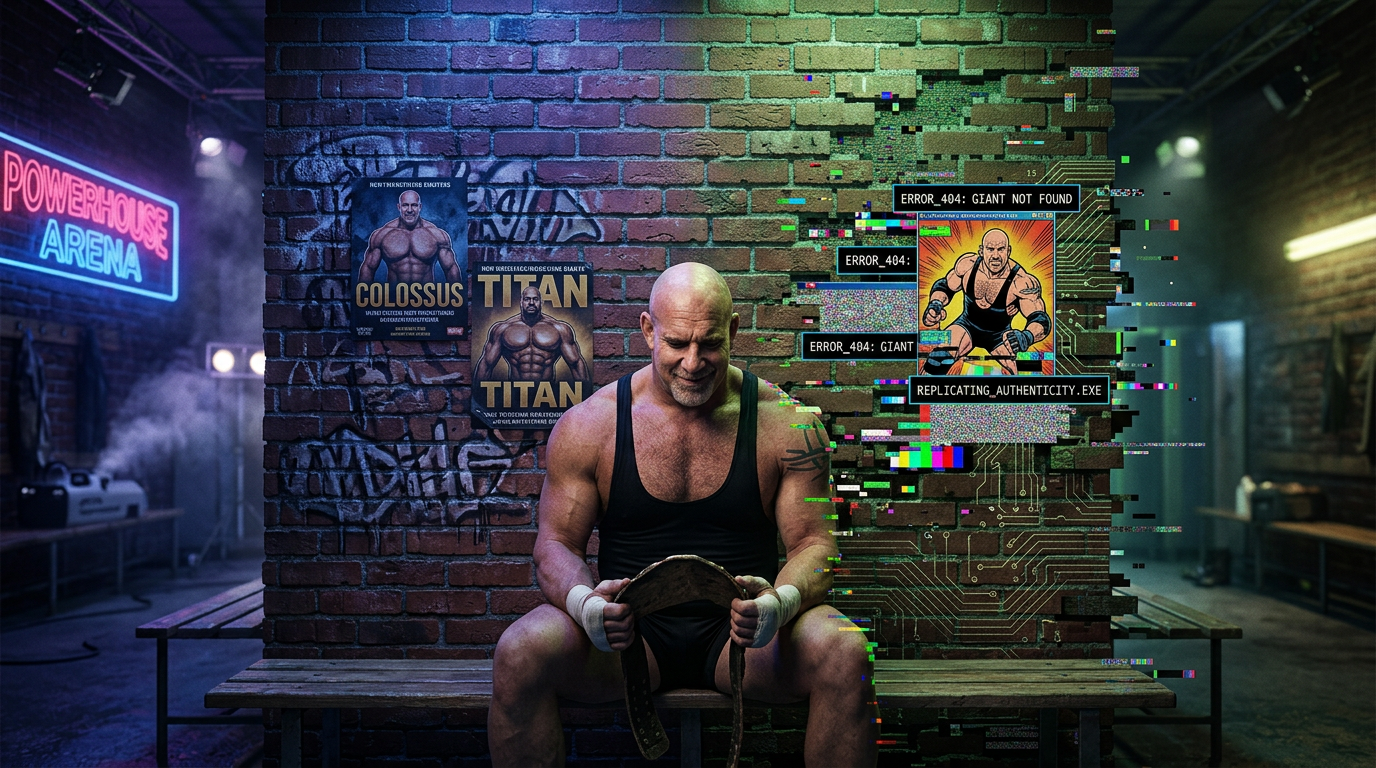
In the landscape of modern digital culture, sincerity often hits a ceiling. We are inundated with high-production, hyper-polished content that feels increasingly sterile. Enter the 'Gillberg effect.' For those unfamiliar with wrestling history, Duane Gill—known as 'Gillberg'—was a masterpiece of ironic performance. By taking the invincible, titan-like archetype of Goldberg and shrinking it into a self-aware, budget-conscious parody, he created something that transcended the original. It wasn't about being 'better' than the champion; it was about being a mirror that reflected the absurdity of the champion back at the audience.
This shift from traditional celebrity worship to ironic appreciation is the secret weapon for content creators today. When you use AI to generate characters, you don’t always need to strive for a perfect, serious replica of an icon. Sometimes, the most 'human' and engaging content comes from leaning into the parody. By embracing the 'budget version' of a persona, you invite your audience in on the joke, creating a meta-layer of communication that fosters deeper community engagement than a standard promotional clip ever could.
The Anatomy of the Ironic Persona
The mechanics of the parody work because they rely on shared cultural shorthand. Goldberg represented the unstoppable force—the serious, monochromatic titan. Gillberg, conversely, was the deconstruction. He kept the entrance music, the signature mannerisms, and the catchphrases, but framed them through a lens of vulnerability and low-stakes comedy. This is a highly repeatable format for digital creators who want to cut through the noise of overly curated feeds.
To make a parody persona stick, you must isolate the 'signature move'—the single, most recognizable element of your subject. Whether it is a specific catchphrase, a recurring visual tic, or a distinct cadence of speech, these elements act as anchors. When you apply these to an AI persona, you aren't just cloning a person; you are distilling their essence into a bite-sized, meme-ready format. This is where modern creators find their footing, turning global icons into relatable, punchy, and highly shareable digital moments that feel like an inside joke shared between friends.
The Dissonance Factor: Why Small Scales Win Big
The core of the Gillberg paradox lies in dissonance. If you take a massive, high-status figure and force them into a mundane, low-stakes situation, you create comedy gold. This is the opposite of the traditional 'hero' narrative. In your content creation strategy, think about how you can use an AI persona to comment on the trivial. If you are using a Dwayne Johnson AI, don't just have him deliver a workout tip. Instead, use the AI to have him debate the best way to fold laundry or the correct way to load a dishwasher. The contrast between the 'Titan' persona and the 'Underdog' task is what makes the content memorable. This is a powerful tool for creators who want to move away from the 'influencer' aesthetic and toward something that feels more grounded and satirical.
Why Modern Fans Prefer Interactive Satire
Static media is failing because it demands the audience remains passive. We have moved into an era of participation. While a one-way video message has its place, the real magic of Fanfun lies in the ability to facilitate two-way, interactive experiences. When you move beyond the static 'shout-out'—the digital equivalent of a signed headshot—you allow the audience to drive the narrative. By utilizing AI-powered personas that can react, roast, or play along with an ironic premise, you are no longer just broadcasting content; you are building a stage for your fans to perform on.
This is where Fanfun changes the game. By offering a library of diverse characters, it allows users to experiment with the 'Gillberg/Goldberg' dynamic in real-time. You can take a larger-than-life character and strip away the seriousness, putting them into absurd scenarios that turn the brand of the original icon into a tool for satire. Humor acts as the bridge between the creator and the fan, making the technology feel accessible and, more importantly, fun. Whether you are engaging with a legend like Kobe Bean Bryant or a cultural icon like Spongebob Squarepants, the ability to pivot from 'reverence' to 'play' is what defines modern fandom.
The Strategy of Dissonance
If you want to build your own ironic content, start by identifying the 'Titan'—the source material—and the 'Underdog'—the angle you plan to take. For example, you might take the intensity of a star like Shaq and instead of having him deliver a serious hype speech, you guide the AI chat into a comedic debate about something trivial, like the best way to eat a pizza or the merits of a specific cartoon. The dissonance between the icon's stature and the mundane nature of the conversation is exactly what creates the 'Gillberg' magic.
Focus on the absurdity. Use the AI’s capacity for improvisation to lean into the flaws or the quirks of the persona. By letting the character be 'a bit much,' you create a memorable experience that feels less like a corporate ad and more like a piece of internet culture. The goal is to make the audience feel like they are insiders, privy to a unique, one-off interaction that could only exist in your specific digital sandbox. This is the ultimate evolution of the Dwayne Johnson AI experience—moving from a standard greeting to a collaborative, comedic sketch.
The Hierarchy of Fandom: From Titans to Parodies
Choosing the right persona depends entirely on your creative objective. Sometimes you need the gravitas of a global icon to drive engagement, and other times you need the chaotic energy of a parody to drive clicks. Below is a framework for selecting your next AI persona to maximize your content strategy.
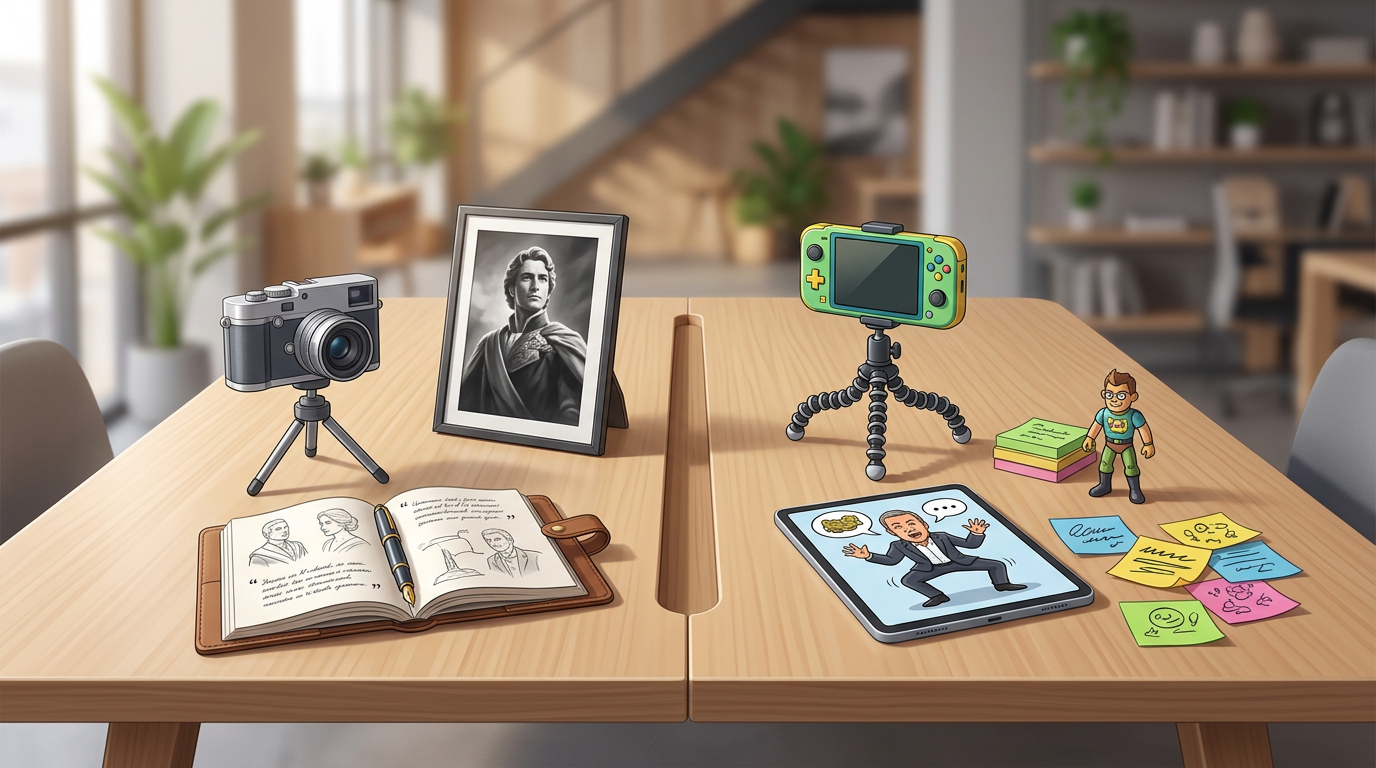
| Persona Type | Example | Best Use Case | Creative Goal |
|---|---|---|---|
| The Titan | Dwayne Johnson AI | Hype, inspiration, promos | Authority and energy |
| The Cartoon | Spongebob Squarepants | Nostalgia, light humor | Whimsy and recognition |
| The Parody | Custom AI Persona | Memes, roasts, meta-content | Ironic community building |
When planning your content, ask yourself: 'Am I trying to be the source of truth, or am I trying to be the source of the joke?' Using the Dwayne Johnson AI for a high-intensity promo is a classic move for a reason—it works. But if you want to go viral on TikTok, consider how you can flip that intensity on its head. The best creators use Fanfun to oscillate between these poles, keeping their audience guessing and, most importantly, entertained. Whether you are pulling from a roster of stars like Sydney Sweeney or leaning into the legacy of Mickey Mouse, the key is to prioritize the 'play' over the 'polish.' In an era where everyone has access to high-end tools, the creator who can make their audience laugh at the absurdity of the medium is the one who wins the long game.
Who was Gillberg in wrestling?
Gillberg was a wrestling persona portrayed by Duane Gill in the late 1990s. He was a parody of the wrestler Goldberg, known for his comedic, low-budget entrance and intentional irony.
How do I create a parody character using AI?
You can create a parody by selecting a well-known persona on Fanfun and using the AI chat or video generation tools to place them in absurd, meta, or non-traditional scenarios that highlight their quirks rather than their heroic traits.
Why are ironic personas more popular for memes than serious ones?
Ironic personas invite the audience to share in the joke. They remove the barrier of 'celebrity worship' and replace it with a collaborative, humorous experience that feels more authentic to internet culture.
Can I use Fanfun to create my own parody content?
Yes, Fanfun’s AI tools allow you to customize the direction of your interactions. You can steer the AI voice and chat to focus on comedic timing, catchphrases, and absurd scenarios, effectively building your own 'Gillberg' style content in minutes.