The Del Roy Effect: Why 90s Sitcom Charm is the New Blueprint for AI Personas
The future of AI interaction isn't just about high-octane spectacle. It's about capturing the specific, conversational wit that defined the 90s sitcom era.
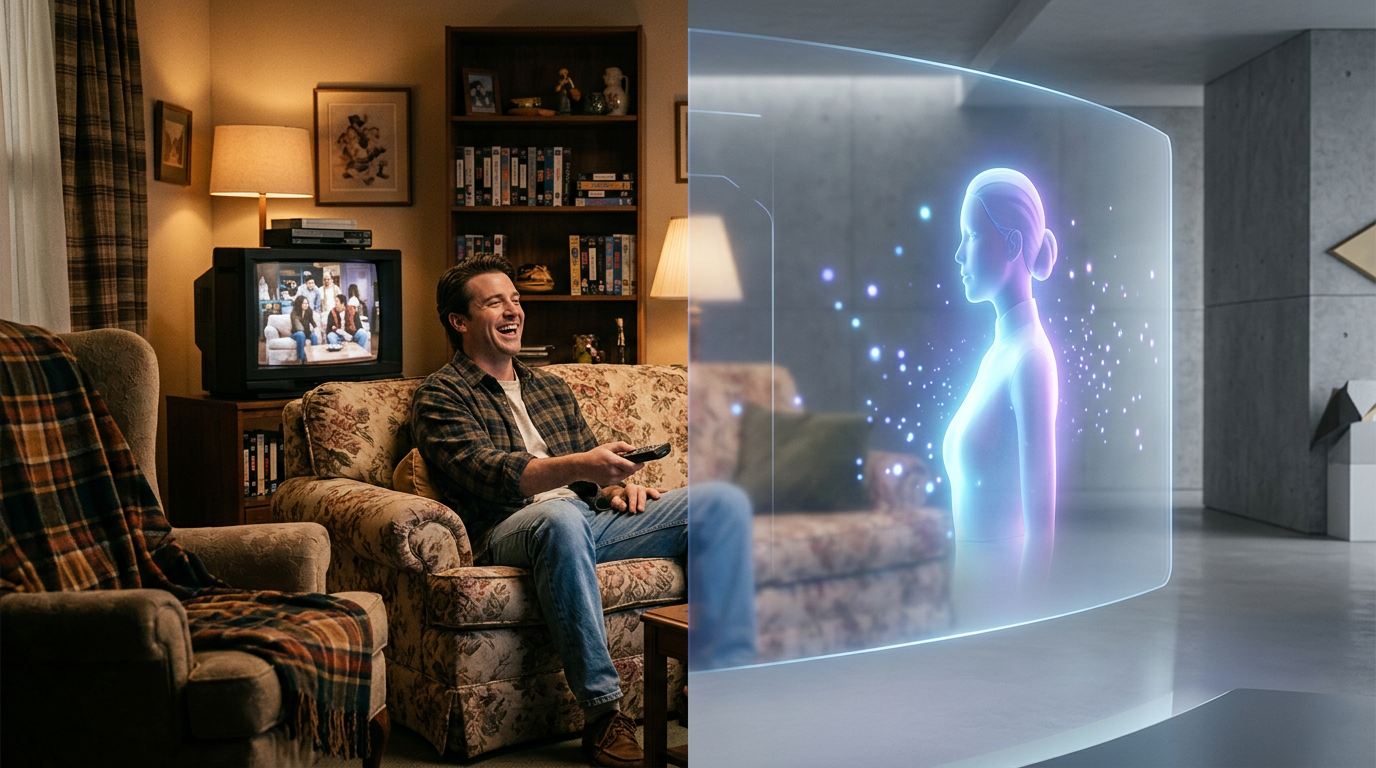
In the digital landscape of AI, we often default to the larger-than-life—the superheroes, the action stars, and the icons who command immediate attention. But there is a quiet, sophisticated shift happening in how we engage with technology. The "Del Roy" archetype, modeled after the grounded, relatable charm of 90s sitcom leads, is proving to be a superior blueprint for meaningful interaction. These characters didn't need explosions; they relied on sharp timing, a self-deprecating wit, and a conversational rhythm that made the audience feel like they were part of the group.
This style of dialogue is the secret sauce for modern AI. When you strip away the high-energy performance, you are left with a personality that can sustain a real conversation. The 90s sitcom pacing—fast, witty, and reactive—is essentially the gold standard for how a natural-feeling AI should behave. It moves us from passive consumption of content to an active, character-led dialogue where the persona feels like a participant in your life rather than a distant celebrity.
The Underrated Art of the Sitcom Everyman
Why does a character who works a desk job in a sitcom feel more "real" than a space-faring hero? It comes down to the architecture of the dialogue. 90s sitcom writing was defined by the "beat"—the micro-pause before a sarcastic retort or the subtle inflection of a character trying to navigate a mundane problem. When you are building an AI persona on Fanfun, you aren't just selecting a voice; you are selecting a worldview.

The sitcom everyman archetype thrives because it is inherently reactive. Unlike a static script, a reactive persona listens to the user and responds with a specific cadence. If you take a look at the Spongebob Squarepants persona, you see the power of a distinct, consistent voice that carries a specific energy. However, the sitcom approach adds a layer of conversational maturity that allows for dry humor and nuanced banter, which is essential for long-form engagement.
The Mechanics of Conversational Pacing
To truly replicate the "Del Roy" effect, one must understand that silence is a tool. In a 90s sitcom, the pause after a setup is where the audience expectation builds. In AI, this is the latency period where the model processes context. By leaning into this, you can structure your prompts to favor short, punchy responses rather than long-winded monologues. A great AI persona isn't a lecture bot; it's a scene partner. When you use tools like our Sydney Sweeney persona or even a classic Mickey Mouse iteration, the magic happens in the back-and-forth, not the initial prompt. The goal is to make the AI feel like it has a life outside the chat window, a core tenet of the Fanfun experience.
Why AI Needs More Than Just a Famous Face
The difference between a static deepfake and a truly interactive persona lies in the "soul" of the dialogue. A visual likeness is merely a skin; a personality is a system of responses, humor, and cadence. Users are increasingly gravitating toward characters that feel like reliable friends. While there is certainly a place for the high-octane energy of a Dwayne Johnson AI, there is an equal, if not greater, need for the conversational depth found in more grounded, sitcom-style archetypes.
At Fanfun, we see this trend daily. Fans are looking for personas that can banter, offer dry advice, or deliver a well-timed joke that feels specifically tailored to the moment. This is where the sitcom blueprint shines: it prioritizes the "everyman" connection, making the technology feel less like a clinical tool and more like an extension of the user's social circle. Whether you are looking for a quick laugh or a simulated mentor, the persona must have a consistent internal logic.
Building Your Own Character-Driven Content
To build content that resonates, you need to apply the "Sitcom Framework" to your prompts. Whether you are generating a video or engaging in an AI chat, focus on the trifecta of a 90s lead: humor, sarcasm, and warmth. A character that is all sarcasm feels cold; a character that is all warmth feels generic. The balance is in the nuance.
- The Setup: Start with a clear context. Instead of "Be funny," try "You are a witty friend who uses dry humor to deflect awkward situations."
- The Cadence: Sitcom characters often use "the pause." Encourage your AI persona to acknowledge the user's input before delivering a punchline.
- The Accessibility: A character is ready for a Fanfun interaction when they have a consistent "voice"—a set of catchphrases or a specific way of handling compliments that feels authentic to their established personality.
When you are crafting these interactions, think about the "room tone." A sitcom character always feels like they are in a specific space—a coffee shop, an office, or a living room. By defining the environment in your prompt, you help the AI anchor its responses in a relatable context, which significantly boosts the believability of the output.
The Evolution of Digital Fandom
The traditional Cameo model—a one-way, 30-second video clip—is rapidly becoming an artifact of the past. Today’s fans want the ability to talk back. The shift toward two-way interaction allows for a spectrum of engagement, from the high-energy presence of a Shaq persona to the conversational, witty banter of a sitcom-inspired character. This accessibility doesn't diminish the "legend" status of these icons; it humanizes them, fostering a deeper, more sustainable sense of community.
By leveraging platforms like Fanfun, creators can now bridge the gap between iconic status and personal connection. We aren't just watching our heroes anymore; we are engaging with them. This evolution of digital fandom means that the "everyman" charm of the 90s is more relevant than ever, providing a template for how we can make AI feel truly human. Even in the realm of sports, where greatness is often associated with intensity, fans are finding that the most memorable interactions are the ones that feel like a casual conversation with a legend like Kobe Bean Bryant, focusing on philosophy and growth rather than just soundbites.
Creating the Perfect Interactive Moment
Choosing the right persona for your content or personal use depends entirely on the goal. High-energy personas are excellent for promos and high-impact social media clips, while conversational personas are superior for long-form engagement and personal connection. Consider the following comparison to guide your next session:

| Feature | High-Energy Persona | Conversational Persona |
|---|---|---|
| Primary Use | Promos, Announcements | Banter, Advice, Chat |
| Engagement Style | Assertive, Direct | Reactive, Nuanced |
| Best For | Social Media Clips | Deep Interaction |
| Example | Shaq | Sitcom-Style Archetype |
To maximize your results, focus on the tone and cadence. Even the best AI voice generator technology needs a strong personality script to succeed. By blending the classic sitcom tropes of timing and empathy with the instantaneous nature of modern AI, you can create moments that feel not just produced, but genuinely lived. The future of content creation isn't about replacing the human element; it's about using technology to amplify the specific, quirky, and lovable traits that make us all human. Whether you are looking to build a brand or simply want to experience a new form of digital companionship, the lessons of the 90s sitcom remain the gold standard for engagement.
How does Fanfun create an AI persona from a character?
Fanfun uses advanced AI to synthesize the vocal patterns, mannerisms, and personality traits of iconic characters, allowing them to engage in dynamic, two-way conversations rather than just reading a script.
Can I use Fanfun to create my own sitcom-style skits?
Absolutely. You can use our AI personas to generate dialogue, roasts, or funny scenarios that mimic the pacing and wit of your favorite 90s shows, giving you the tools to produce professional-grade comedy content.
What makes an AI persona feel 'real' during a chat?
Realism in an AI persona comes from the consistency of their personality. At Fanfun, we focus on ensuring our characters maintain their unique voice, humor, and "worldview" throughout the entire interaction, making it feel less like a bot and more like a person.
Is it possible to customize the tone of an AI voice generator?
Yes, you can guide the tone of your AI personas by defining their personality and context in your prompts, allowing you to shift from comedic and sarcastic to warm and supportive depending on your needs.