Beyond the Mimicry: The Creative Potential of AI-Driven Character Interaction
Voice AI is transforming digital storytelling, moving beyond simple impressions into a new era of character-driven content. Learn how to use these tools responsibly to elevate your creative projects.
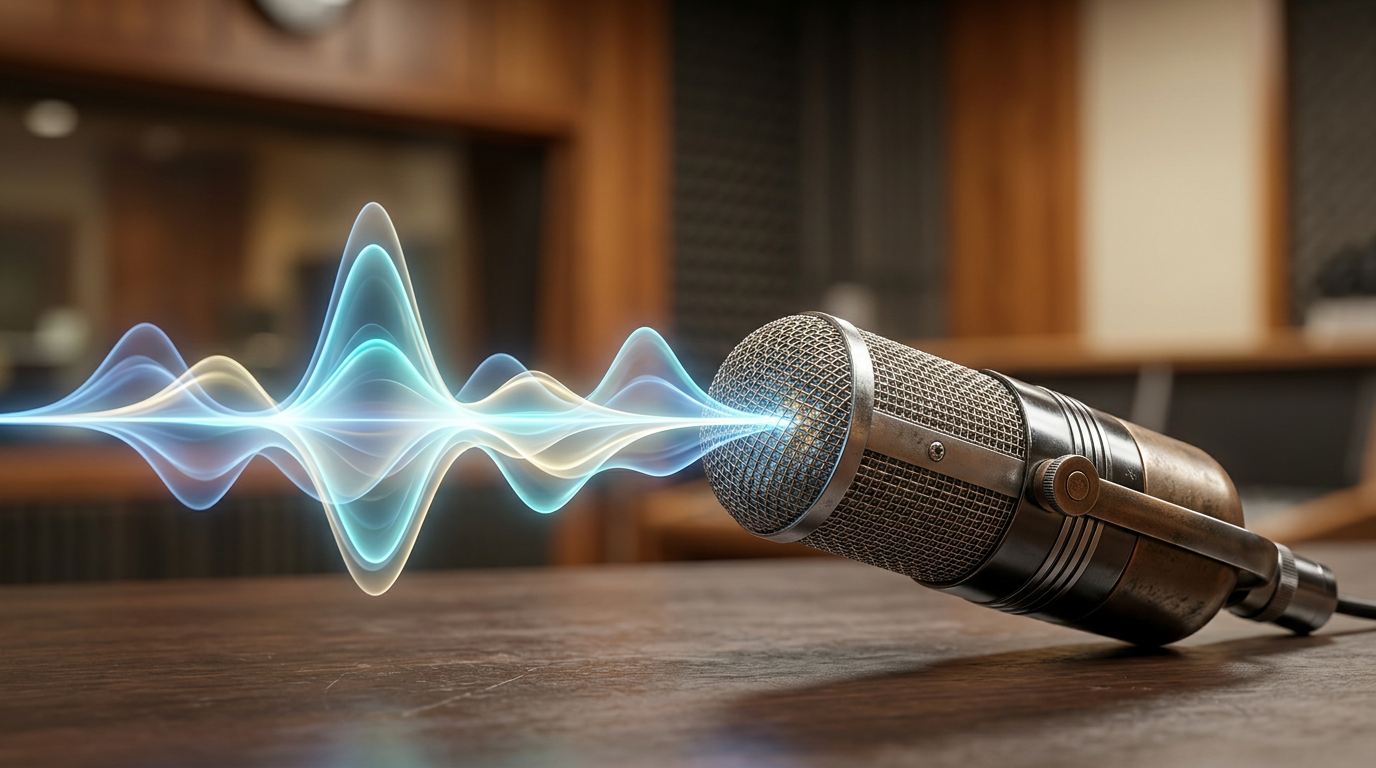
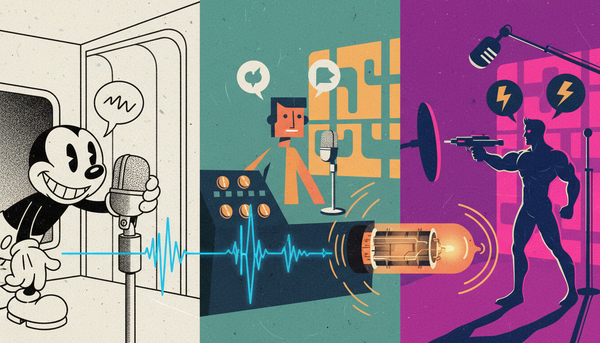
For decades, content creators relied on the human impersonator—someone who could capture the cadence, tone, and recognizable quirks of a public figure through hours of practice. While traditional impressions remain a staple of comedy, the rise of AI voice generation has shifted the landscape toward instant, scalable character interaction. This transition isn't about replacing human talent, but rather expanding the toolkit for creators who need specific voices to drive a narrative forward.
The distinction between "exact cloning" and "AI interpretation" is critical. Exact cloning attempts a perfect, one-to-one replica of a human voice, often raising significant ethical and legal questions. AI interpretation, by contrast, focuses on capturing the essence of a persona—the rhythmic patterns, the energy, and the cultural context—to serve a creative end. In the creator economy, the demand for these voices is skyrocketing because they allow for the rapid production of high-quality sketches, parodies, and educational content that would have been cost-prohibitive just a few years ago.
The Evolution of Voice Synthesis in Digital Storytelling
Modern storytelling is increasingly decentralized. Where creators once needed a full production crew to capture a celebrity-style interview or a high-energy promo, they now have access to digital tools that provide the same aesthetic weight in minutes. This shift allows for a democratization of content, where a solo creator on TikTok or YouTube can produce sketches that rival the production value of traditional media houses.
The key to successful integration is understanding the "why" behind the voice. Using an AI persona shouldn't be a gimmick; it should be a narrative choice. Whether you are creating a satirical news segment or a heartfelt birthday message, the AI voice acts as a conduit for your script. By leveraging platforms like Fanfun, creators can tap into a library of personas—from the intensity of a Dwayne Johnson AI to the legendary presence of Kobe Bean Bryant—to ground their stories in recognizable archetypes. This isn't just about mimicry; it's about using the cultural weight of these figures to add depth to your own creative vision.
The Power of Interactive Personas
Beyond static audio, the next frontier is two-way interaction. Traditional media is passive; the audience watches, listens, and moves on. AI chat personas change this dynamic by allowing fans to engage in real-time dialogue. This is particularly transformative for fandoms. When a fan can interact with a persona that mimics the wit of Shaq or the charm of a classic character like Mickey Mouse, the barrier between idol and audience dissolves. This isn't just about entertainment; it’s about creating an immersive, personalized experience that fosters deeper community connection. Imagine building a narrative where your audience can ask questions to a character and receive a response that feels authentic to the lore.
Creative Use Cases: Where AI Voices Shine
The most effective applications of voice AI are those that lean into the inherent nature of the medium: storytelling and humor. Satire, in particular, thrives when a creator can place a recognizable voice in an absurd or unexpected situation. By using AI to generate dialogue that feels authentic to a character's public persona, creators can enhance comedic timing and make social commentary more accessible. For example, using the distinct, high-energy delivery of The Rock Dwayne Johnson to narrate a mundane daily task can turn a simple vlog into a viral moment.
Beyond comedy, AI voices are proving to be powerful tools for education and engagement. Complex or dry topics become instantly more digestible when delivered by a voice that carries cultural authority or nostalgic weight. This bridge between the familiar and the new is where the most engaging content is found. For instance, creators building fan-driven projects often look to iconic personas to ground their content in familiar territory, ensuring that their audience feels an immediate emotional connection to the material. Even in the realm of influencer marketing, tools like Ai Kylie Jenner provide a unique way to bridge the gap between high-fashion aesthetics and accessible, conversational content.
The Fanfun Approach: Instant Character Interaction
Navigating the technical and ethical hurdles of voice AI can be daunting for the average creator. Building a custom model from scratch often leads to inconsistent results and significant legal risk. This is where a platform-based approach like Fanfun becomes an essential asset. Instead of building your own, you gain access to a curated library of personas that are designed for high-fidelity interaction, ensuring the output is always consistent and, crucially, fun.
Fanfun simplifies the workflow by handling the heavy lifting of audio engineering, allowing you to focus on the creative prompt. Our library is built for diversity, moving well beyond political figures to include sports legends and cultural icons. By choosing a platform that prioritizes creative intent, creators can move from concept to finished video or voiceover in minutes, ensuring they remain in the creative zone rather than the technical weeds. The platform provides high-quality results without the technical headache of training models or managing complex GPU requirements, making it the premier choice for creators who value speed and quality.
Navigating the Ethics and Best Practices
As with any powerful tool, the ethics of voice AI are paramount. The most important distinction for any creator is the difference between parody and deceptive impersonation. Parody is a protected form of expression that relies on the audience understanding the intent; deception, conversely, seeks to mislead the viewer into believing the content is genuine. Transparency is your best defense: always disclose when AI is being used in your content. This builds a relationship of trust with your audience, who will appreciate your ingenuity rather than feeling misled.
Respecting the brand of the individual or character being portrayed is not just an ethical choice; it is a creative one. Using these voices to celebrate pop culture, build community, or push the boundaries of storytelling creates a positive feedback loop with your audience. When you engage with these personas as a medium for creativity rather than a tool for exploitation, you cultivate trust and long-term engagement. Consider the impact of your content: does it add value to the conversation, or does it merely mimic for the sake of attention? The creators who thrive will be those who use these tools to build, not just to copy.
Comparing Your Options: DIY vs. Platform-Based AI
When deciding on your workflow, consider the trade-offs between building your own voice models and utilizing a dedicated platform. DIY cloning requires significant technical expertise, high-end hardware, and careful management of intellectual property risks. It is a path suited for those who need highly custom, proprietary audio, but it comes with a high barrier to entry and a steep learning curve that can distract from actual content production.
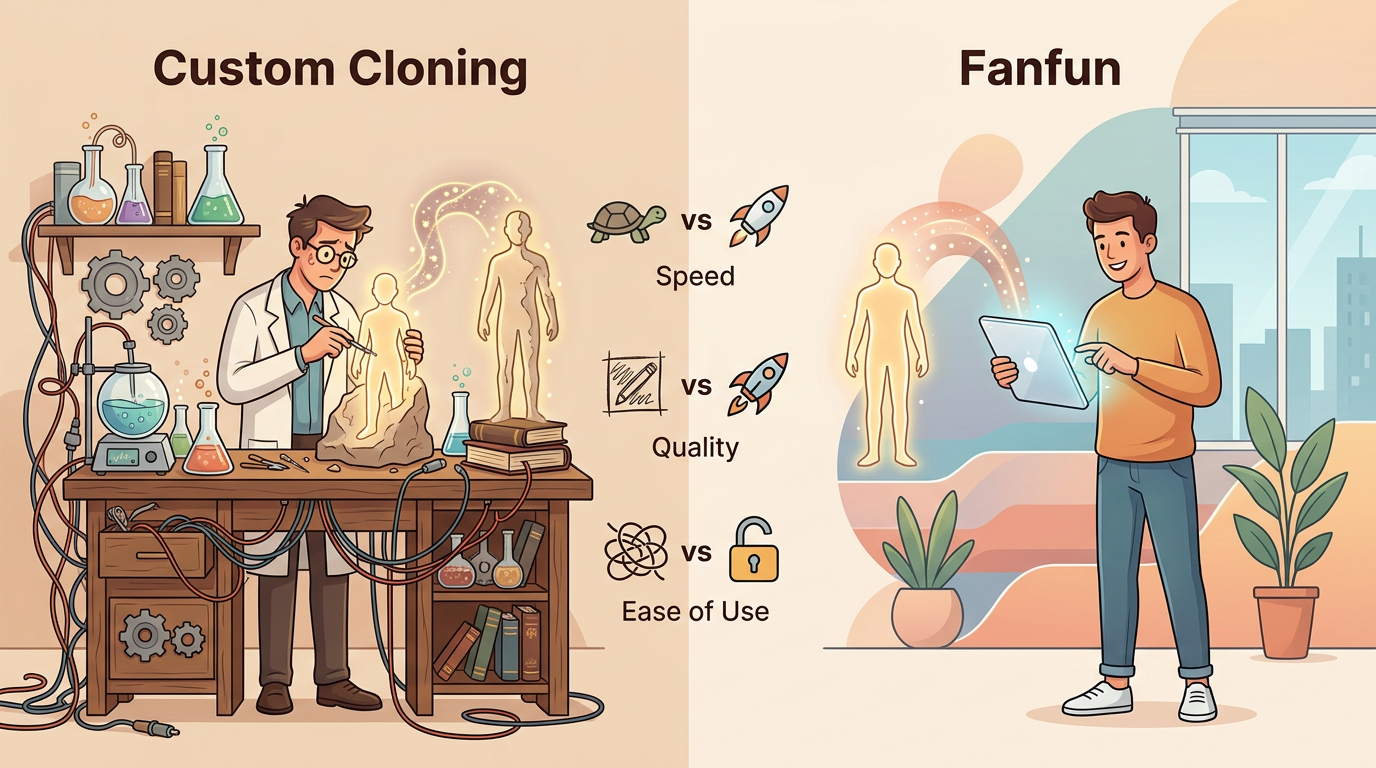
Conversely, platforms like Fanfun offer an instant, accessible solution. Use the following checklist to evaluate your needs:
- Latency: Do you need the result in seconds, or can you afford days of processing?
- Licensing: Does your tool provide a safe, ethical framework for using the persona?
- Ease of Use: Is the interface built for creators, or does it require a background in data science?
- Consistency: Will the voice sound the same every time you use it?
- Community Support: Are you part of a platform that actively updates its character library?
By shifting the focus from the technical struggle of voice synthesis to the creative potential of character interaction, you position yourself to lead in the next wave of digital content. Whether you are an aspiring influencer or a seasoned brand marketer, the tools are now at your fingertips to create something truly memorable. The future of fandom isn't just about watching; it's about participating, and with the right AI tools, that participation is more vibrant and accessible than ever before.
Is it legal to use AI voices for parody?
In many jurisdictions, parody is protected as a form of free speech. However, this protection depends on the intent and the context. Always ensure your content is clearly presented as a creative, non-deceptive work.
How does Fanfun differ from custom voice cloning software?
Fanfun provides a curated, instant-access library of high-fidelity personas. Unlike DIY cloning, which requires training models and managing data, Fanfun handles the technology so you can focus on the creative output.
Can I use AI voices for commercial content?
Commercial use depends on the specific licensing and platform terms. Fanfun is designed to provide a safe environment for creators, but always review the specific guidelines for the personas you are using to ensure compliance.
What is the difference between a voice generator and an AI chat persona?
A voice generator creates static audio clips or voiceovers for your content. An AI chat persona is an interactive, two-way experience that allows you to have a conversation with the character in real-time.