Beyond the Default: Why Your Content Needs Personality, Not Just TTS
Generic text-to-speech is killing your engagement. To win on social media, you need voices with grit and character—not just digital utility.
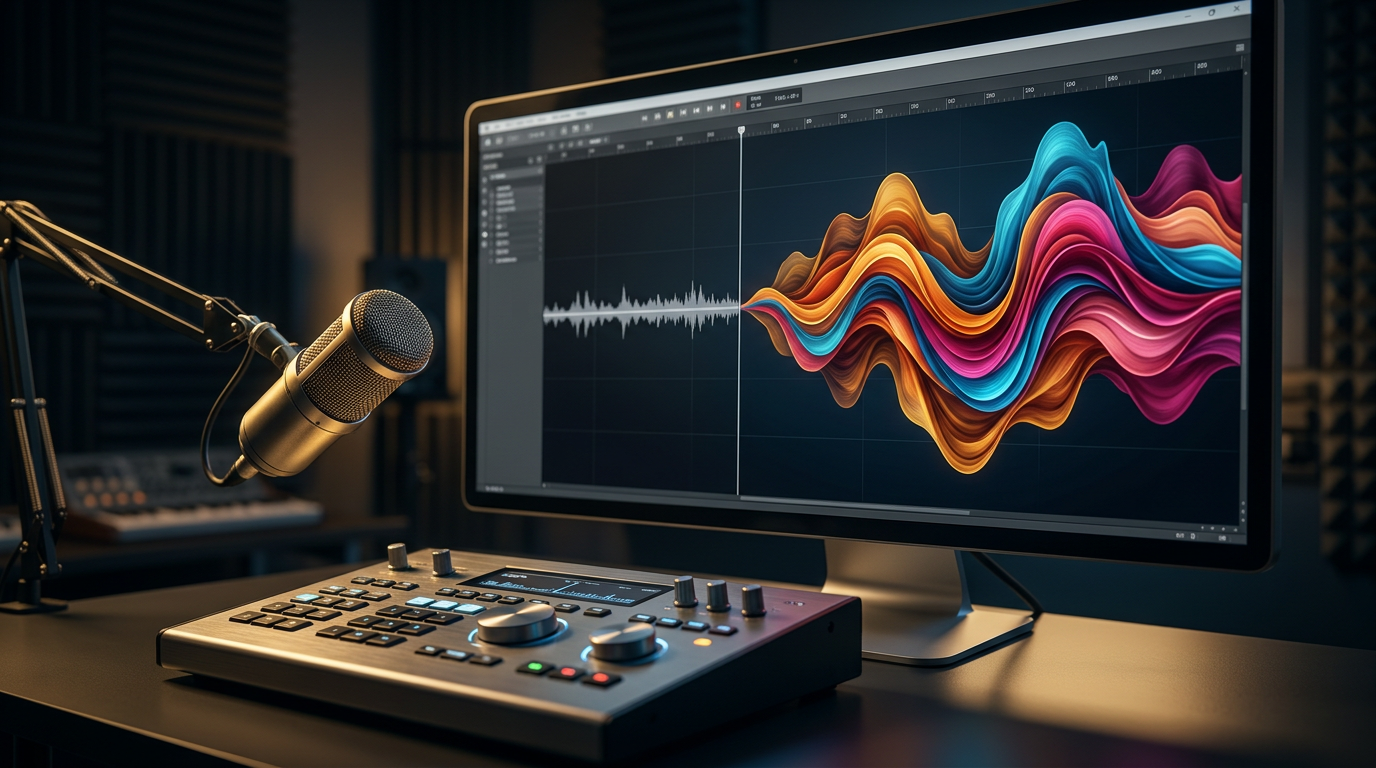
In the early days of short-form video, any voice was better than no voice. Creators would slap a standard system-level text-to-speech (TTS) narrator over their clips, and it felt novel. Today, that same voice is a branding liability. When a viewer hears that specific, monotone "default" digital voice, their brain immediately categorizes the content as low-effort or automated filler. It is the audio equivalent of stock footage—it fills the space, but it says nothing about your brand.
The issue isn't accessibility; it's engagement. Functional TTS is designed to read text clearly, not to hold attention. To build a following, you need to treat voice as a character-building tool. Your audio shouldn't just deliver information; it should deliver an attitude, a rhythm, and a recognizable presence that makes a viewer stop scrolling to see who is talking.
The Death of the 'Robotic' Narrator
The digital landscape is currently oversaturated with the same three or four robotic voices that have become synonymous with "low-effort" content. When viewers hear these sounds, they subconsciously tune out before the hook is even finished. This is the "TTS fatigue" effect. Your audience is smart; they can tell when a creator has chosen the path of least resistance. To break through this, you must pivot toward audio that carries cultural weight.
Great content is rarely about the information itself; it is about the *delivery*. A dry, robotic narrator might explain a sports play-by-play, but it lacks the gravitas of a voice that feels like a legend. By utilizing an Shaq-inspired persona, for example, you aren't just reading a script—you are invoking the energy and authority associated with a sports icon. This is the difference between a video that gets ignored and one that commands attention.
The Archetype Framework: Choosing Your Content's Voice
Successful content creators often use a consistent "voice identity" to anchor their brand. You should think of your voice selection through an archetype lens. If your content is educational, you need an authority figure. If it's comedic or lifestyle-focused, you need a voice with relatability or a satirical edge. By moving away from the "default" settings, you signal to your audience that you care about the production value of your content.

When you select a voice, you are essentially casting a character for your channel. If you are building a sports-commentary channel, you want a voice that carries weight and confidence. The goal is to match the energy of the voice to the intent of the script. If the script is high-energy, the voice must be able to hold that pace without sounding like a flat recording. Using The Rock Dwayne Johnson as a voice archetype creates an immediate sense of stakes. His cadence is recognizable, his tone is commanding, and his presence is undeniable. This is a far cry from the flat, synthetic output of a standard AI tool.
The Power of Consistency
Consistency is the secret to algorithmic growth. When you use the same recognizable archetype across your videos, your audience develops a subconscious familiarity with your brand. They know the "vibe" before the first sentence is finished. Switching between different, random TTS voices creates a disjointed experience that keeps your audience from forming a real connection with your channel. Your voice becomes your brand's signature, and in a crowded feed, that signature is what prevents viewers from skipping to the next video.
From Utility to Personality: Leveling Up Your Production
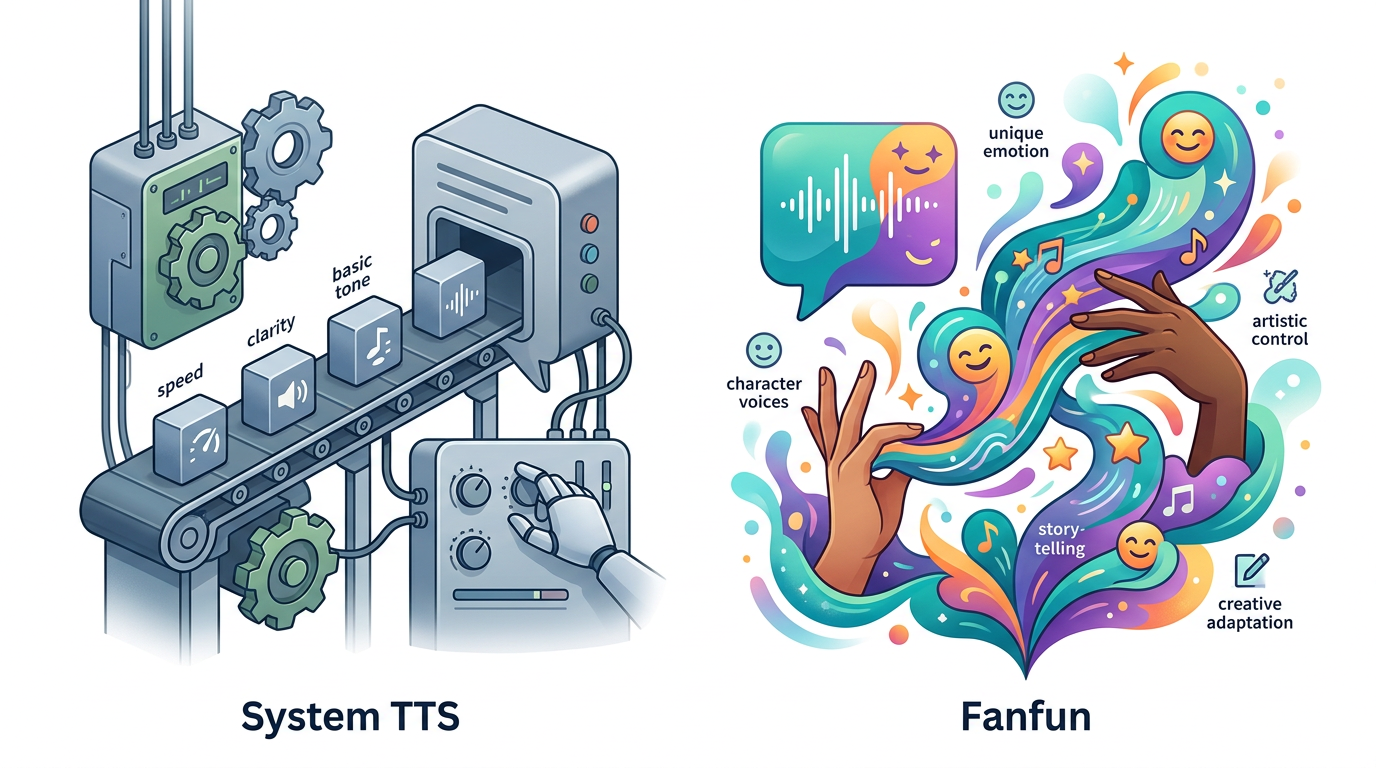
The gap between generic TTS and professional voice acting used to be a massive budget barrier. Now, platforms like Fanfun are closing that distance by offering a library of recognizable personas. Instead of settling for the same three system voices that every other creator is using, you can choose a persona that actually fits your narrative. This is where "character-first" creation becomes a superpower.
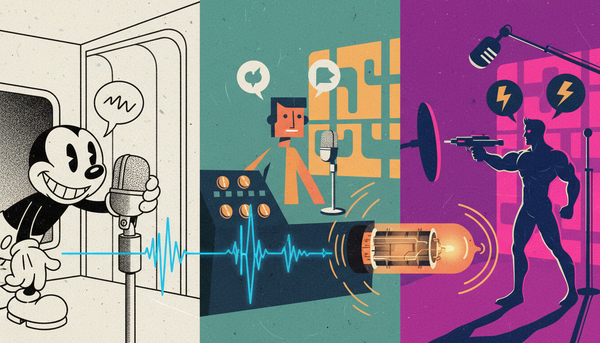
If you are writing a script for a meme or a viral reaction video, don't just write the text and pick a voice later. Decide on the character first. Do you need the grit of Dwayne Johnson Ai to deliver a punchy, high-stakes line? Or perhaps you need a playful, iconic tone like Mickey Mouse to frame a lighthearted story? By leading with the persona, your script naturally adopts the speech patterns and energy of that character, making the final result feel intentional rather than mechanical. You can even experiment with contemporary archetypes like Ai Kylie Jenner or Kylie Jenner-inspired voices to tap into specific pop-culture aesthetics that feel current and relevant.
The Psychology of the 'Voice-First' Approach
Why does personality matter so much in an era of AI? Because viewers are exhausted by the "uncanny valley" of generic AI content. When you use a high-quality, character-driven voice, you are essentially borrowing the cultural equity of that persona. A viewer doesn't just hear a voice; they hear the associations they already have with that character. This is why using a specific, well-defined persona can instantly ground your content in a specific subculture or aesthetic.
This is the Fanfun philosophy: technology should be an extension of your creative intent, not a replacement for it. By providing tools that allow for specific, high-fidelity character interpretations, we enable creators to stop being "content machines" and start being storytellers. You aren't just outputting text; you are casting a performance. When you treat your audio as a narrative device, the audience stops viewing your content as a series of clips and starts viewing it as a show.
Practical Comparison: Generic TTS vs. Character AI
The differences between standard tools and AI-driven character platforms are functional and immediate. When you shift from a utility-first mindset to a character-first mindset, your production quality increases instantly. Consider the following breakdown of how these approaches differ in a real-world production environment:
| Feature | Generic TTS | Character AI (Fanfun) |
|---|---|---|
| Emotional Range | Flat, monotone | Dynamic, expressive |
| Brand Identity | None (sounds like everyone) | Strong, unique, recognizable |
| Flexibility | Limited | Wide range of archetypes |
| Audience Impact | Low (often skipped) | High (encourages retention) |
| Creative Control | None | High (character-led casting) |
As the table shows, the core advantage of Fanfun is the ability to tap into a library of established archetypes. You aren't just generating text; you are casting a character. This scalability allows you to experiment with different voices to see what resonates with your specific audience without needing to hire a voice actor for every single project.
How to Start Building Your Own Voice Identity
Integration doesn't need to be complex. Start by defining your content's "vibe." Is it high-energy, deadpan, professional, or chaotic? Once you have that definition, pick one or two personas that align with those traits. Don't worry about being perfect; worry about being distinct. Experiment with your next three videos by assigning a specific AI persona to your recurring segments. If you have an intro, use a high-authority voice. If you have a funny reaction segment, use a more exaggerated, satirical voice. By treating your audio as a creative asset rather than a utility, you move from being a generic content creator to a brand with a voice that people actually want to listen to.
Ultimately, the goal is to stop thinking about your content as a series of isolated posts and start thinking about it as a consistent brand experience. The voices you choose are the most immediate way to signal that identity. Whether you are leaning into the humor of a recognizable icon or the gravitas of a sports legend, the right AI voice acts as a bridge between your creative vision and your audience's expectations. Stop settling for the default—your content deserves a personality that actually sticks.
How do I get a voice that sounds less robotic for my videos?
While you can use system voices, they often sound robotic and lack the engagement factor needed for social media. Using a platform like Fanfun allows you to choose from a library of expressive, recognizable character voices that provide much more personality than standard text-to-speech.
Why does my AI voiceover sound robotic?
Standard TTS engines are designed for clarity, not performance. They lack the cadence, breath, and emotional nuance of real human speech or high-quality character AI. To fix this, move away from "default" settings and use platforms that leverage specific character archetypes to add natural inflection to your scripts.
Is there a better alternative to standard text-to-speech for content creators?
Yes. Fanfun offers an instant, affordable alternative that provides access to a wide library of celebrity and character personas. It bridges the gap between generic robotic voices and the high cost of booking professional voice actors.
Can I use AI voices for commercial YouTube content?
Always check the terms of service of the platform you are using. Fanfun is designed for creators to build content, memes, and promos, providing a scalable way to produce professional-sounding audio for your social media and YouTube projects.