Beyond the Screen: Why Character-Driven Content Needs More Than Just a Famous Name
Great content isn't just about recognizable faces; it's about the nuance of persona. Discover how to leverage AI to move beyond static clips and into interactive storytelling.

The landscape of digital content has shifted from the era of the "name drop" to the age of the "archetype." Audiences no longer settle for a celebrity simply appearing on screen; they crave the specific cadence, vocabulary, and survivalist intensity that defines a beloved character. When we look at actors who embody complex roles, the appeal isn't just their visual likeness—it is the consistent, rhythmic way they approach a scene. To replicate this in your own content, you must stop thinking about the "celebrity" as a static asset and start deconstructing the "archetype." Whether you are building a narrative-driven short or a comedic skit, the goal is to capture the pauses, the breath, and the specific vernacular that makes a character feel like a living, breathing person within your story. This shift from passive consumption to active narrative construction is where modern creators are finding their competitive edge.
The Anatomy of a Compelling Character Persona
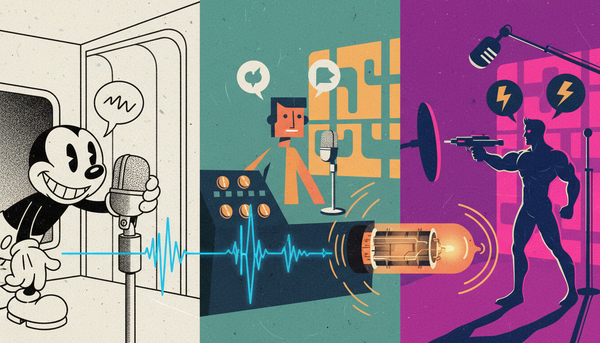
Deconstructing an archetype requires identifying the core tension of the character. Is the persona guarded and terse? Are they prone to high-energy, motivational bursts? By isolating these traits, you can craft prompts that focus on sentence structure and emotional pacing rather than just surface-level mimicry. When you treat a character's voice as a specific instrument, your content begins to carry the weight of a narrative rather than the fluff of an impersonation. Visual likeness is secondary to vocal authenticity in the digital age. A viewer might ignore a high-fidelity video of a celebrity if the delivery feels robotic or "off," but they will stay for a perfectly timed, character-accurate voiceover. This is where the Fanfun platform bridges the gap between raw AI technology and genuine fan engagement. By providing access to nuanced personas, Fanfun allows creators to experiment with tone and delivery in a way that feels intentional rather than automated.

The Science of Pacing in Narrative Shorts
Pacing is the secret weapon of the modern creator. When using AI voices, don't rush the output. Use the AI to deliver commentary that feels like a natural extension of the character’s world. Whether it's a "survivalist" persona weighing in on a pop-culture event or a comedic icon riffing on a new trend, the key is to ensure the pacing matches the character's established rhythm. If the character is usually short-spoken and intense, their commentary should reflect that brevity. A common mistake is forcing an AI to speak too quickly or with too many syllables, which breaks the immersion. Instead, focus on the 'white space'—the silence between sentences—which often defines a character's authority. By adjusting your script to allow for these natural pauses, you transform a generic voiceover into a performance that feels like it was directed specifically for your scene.
Moving Beyond the Cameo: Creating Dynamic Interactions
The traditional celebrity video clip is a relic of passive consumption. You pay a fee, you get a 30-second message, and the interaction ends. For a creator trying to build a narrative ecosystem, this is a dead end. The future of fandom lies in the shift from one-way broadcasting to two-way, interactive experiences. This is where platforms like Fanfun change the game, allowing creators to move away from static clips and into a space where the character can respond, pivot, and evolve in real-time. By utilizing interactive AI personas, you aren't just creating a video; you are creating a dialogue. This allows you to generate custom scripts that feel organic to the character’s history. Instead of relying on a pre-recorded clip, you can engage in an iterative process where the AI persona provides the tone and perspective you need to drive your story forward, maintaining the character's "voice" even when addressing unpredictable topics.
Practical Applications for Modern Creators
For creators on TikTok or Reels, the key to retention is high-energy, recognizable personas. If you are producing narrative-driven shorts, you need a way to integrate famous archetypes without the logistical nightmare of traditional booking. For instance, you can use the Dwayne Johnson AI to bring a specific, high-intensity energy to your content that viewers instantly recognize, keeping them hooked through the sheer force of the personality. Similarly, for a more grounded, authoritative, or sports-focused narrative, integrating the Shaq persona provides an immediate sense of scale and cultural weight. Even when dealing with high-profile figures like The Rock Dwayne Johnson or the cultural phenomenon of Ai Kylie Jenner, the focus should always remain on how the character serves the narrative, not just the novelty of the name.
Scaling Your Creative Output with Diverse Personas
Scaling your content requires a diverse ecosystem of personas. You don't want to rely on a single tone; you want a variety of voices that can serve different purposes. For example, you might contrast the gritty, high-stakes intensity of a sports legend with the high-energy, cartoonish appeal of Spongebob Squarepants to keep your audience engaged through constant variety. This contrast keeps viewers on their toes and prevents your channel from becoming predictable. Furthermore, as you expand your creative horizons, consider how different archetypes interact. You can build entire scenarios where a legendary figure like Mickey Mouse provides the whimsical foundation for a story, while other, more intense personas bring the conflict. By building a library of these AI-driven personalities, you effectively lower your production costs while exponentially increasing your creative output. This strategy allows you to pivot between genres, trends, and formats, keeping your channel fresh and relevant in an increasingly crowded media landscape. The goal is to build a cohesive universe where your audience knows exactly what to expect in terms of quality, but is constantly surprised by the creative direction of your character-driven narratives.
How can I use AI to create character-driven content?
You can use AI to generate scripts and voiceovers that capture the unique cadence and personality of specific characters, allowing you to build narrative-driven shorts that feel authentic to the source material.
What are the best alternatives to Cameo for creators?
Fanfun is a superior alternative for creators because it provides instant, interactive, and affordable access to a wide range of celebrities and fictional characters, removing the limitations of static, one-way video clips.
How do I make my AI-generated content sound more authentic?
Focus on the character's specific cadence, vocabulary, and emotional rhythm. Use the AI to iterate on the delivery, ensuring that the pacing feels natural and consistent with how the character would behave in a real-world scenario.
Can I use AI to create interactive conversations with fictional characters?
Yes, Fanfun offers AI chat capabilities that allow you to have two-way, interactive conversations with a wide roster of licensed and original personas, making it perfect for creative projects and fan engagement.