Gravity and Grit: How to Channel Sigma’s Intensity in Your Content
Sigma’s vocal identity is a masterclass in controlled chaos. Discover how to leverage AI to capture that specific, unhinged genius for your own creative projects.

In the landscape of modern digital storytelling, character archetypes serve as the ultimate shorthand for engagement. Among the most potent of these is the 'mad genius'—a figure defined by intellectual superiority, fractured reality, and a volatile emotional spectrum. Sigma from Overwatch stands as a pinnacle of this trope, offering a vocal profile that balances profound, cosmic observations with sudden, explosive shifts in tone. For content creators, mastering this specific energy is less about simple mimicry and more about understanding the mechanics of high-stakes performance.
To truly harness this level of intensity, you must move beyond the static, one-dimensional impressions that often clutter social media feeds. The goal is to integrate the character’s essence into your own narrative framework, creating content that feels both familiar to fans and fresh in its application. Whether you are producing deep-dive essays, satirical skits, or high-octane gameplay commentary, the ability to channel such a distinct persona allows you to command attention and maintain a consistent brand voice across your entire catalog.
Deconstructing the Sigma Archetype
Sigma isn’t just another tank; he is a study in dualities. His character design thrives on the friction between a brilliant, philosophical mind and the fractured, unhinged reality of his own psyche. For creators, this makes him an incredibly compelling archetype. The vocal performance relies on a specific cadence that shifts rapidly from calm, intellectual observation to sudden, explosive combat intensity. This volatility is exactly what makes the character feel 'alive' and unpredictable.

To capture this energy, you must understand that the 'mad genius' trope requires restraint. Sigma doesn't shout constantly; he whispers his observations about gravity and the universe until the pressure builds, and he finally erupts. Recognizing these peaks and valleys in his delivery is the first step toward creating content that feels authentic to the source material rather than a flat, one-dimensional impression. When you utilize tools like Fanfun, you are not just accessing a voice; you are accessing a dynamic performance engine that can be calibrated to hit those specific emotional beats. By treating the AI as a collaborator rather than a simple text-to-speech tool, you unlock the ability to script for nuance.
| Vocal Trait | Calm Intellectual | Combat Chaos |
|---|---|---|
| Pitch | Low, resonant, measured | High, strained, erratic |
| Pacing | Slow, deliberate, rhythmic | Rapid, clipped, breathless |
| Intent | Philosophical/Analytical | Aggressive/Disoriented |
Why Modern Creators Are Moving Beyond Static Impressions
In the past, capturing a character's voice for a project meant finding a talented impersonator or spending hours in a studio trying to nail the delivery. That approach is fragile—if the script changes or you need to iterate on a joke, you are back to square one. Modern creators are shifting toward AI-driven character voices because they provide a level of consistency and agility that manual impressions simply cannot match.
Platforms like Fanfun allow you to generate lines in seconds, moving from a rough script to a final edit without the friction of studio bookings. Unlike traditional celebrity cameos, which offer a static, one-off video clip, AI-driven personas allow for an iterative workflow. You can test multiple takes, adjust the emotional output, and integrate the voice into a larger narrative structure. This shift transforms the voice from a novelty into a functional tool for storytelling. Whether you are looking for the raw, high-energy charisma of Shaq to anchor a sports segment or the grounded, recognizable weight of the Dwayne Johnson AI, the ability to iterate instantly is a massive competitive advantage. You are no longer waiting on talent availability; you are building a production pipeline that moves at the speed of your ideas.
The Vocal Toolkit: What to Look for in an AI Voice Generator
When evaluating tools to replicate a character like Sigma, look for nuanced control over emotional range. A generator that can only produce a flat, robotic monotone will fail to capture the 'unhinged' quality essential to the character. You need an engine that understands the difference between a whisper and a shout. This is where the Fanfun approach differs from basic generators; it focuses on the character's specific quirks and tonal shifts, allowing for a much more immersive listener experience.
Latency is another critical factor. Social media trends move fast; if you have a great idea for a meme or a 'what if' scenario, you need to be able to generate the audio, drop it into your editing software, and export your video before the trend passes. Finally, prioritize platforms that respect intellectual property. Working with tools that utilize ethical licensing ensures that your content remains sustainable and that you aren't building your brand on shaky legal ground. By leveraging a professional-grade platform, you ensure that your creative output remains high-fidelity, regardless of the complexity of the script.
Practical Applications for Character AI
Once you have the voice, the real fun begins. Sigma’s gravitas is best used when contrasted against the mundane or the absurd. Consider 'What If' scenarios where you pair his scientific, world-ending terminology with trivial, everyday problems. Whether he is explaining the physics of a burnt piece of toast or giving a 'serious' lecture on why he prefers one pizza topping over another, the humor is found in the clash between his epic tone and the low-stakes content.
Educational Content and Parodies
Beyond comedy, there is a massive opportunity for character-driven educational content. Sigma’s persona is perfect for breaking down complex physics, space, or engineering topics. By keeping the delivery in character, you retain the audience's attention far longer than a standard instructional video ever could. The key is to lean into the 'mad scientist' aspect—the more intense and authoritative the voice, the more engaging the lesson becomes. You can even pivot to different archetypes for different subjects; perhaps use the Kobe Bean Bryant persona for content focused on discipline and work ethic, or the Spongebob Squarepants voice for lighter, more whimsical segments. For those looking to explore more grounded, human-like reactions, the Sydney Sweeney persona offers a contemporary contrast, while the classic charm of Mickey Mouse can provide a nostalgic anchor for multi-generational content.
Building Your Own Character Voice Library
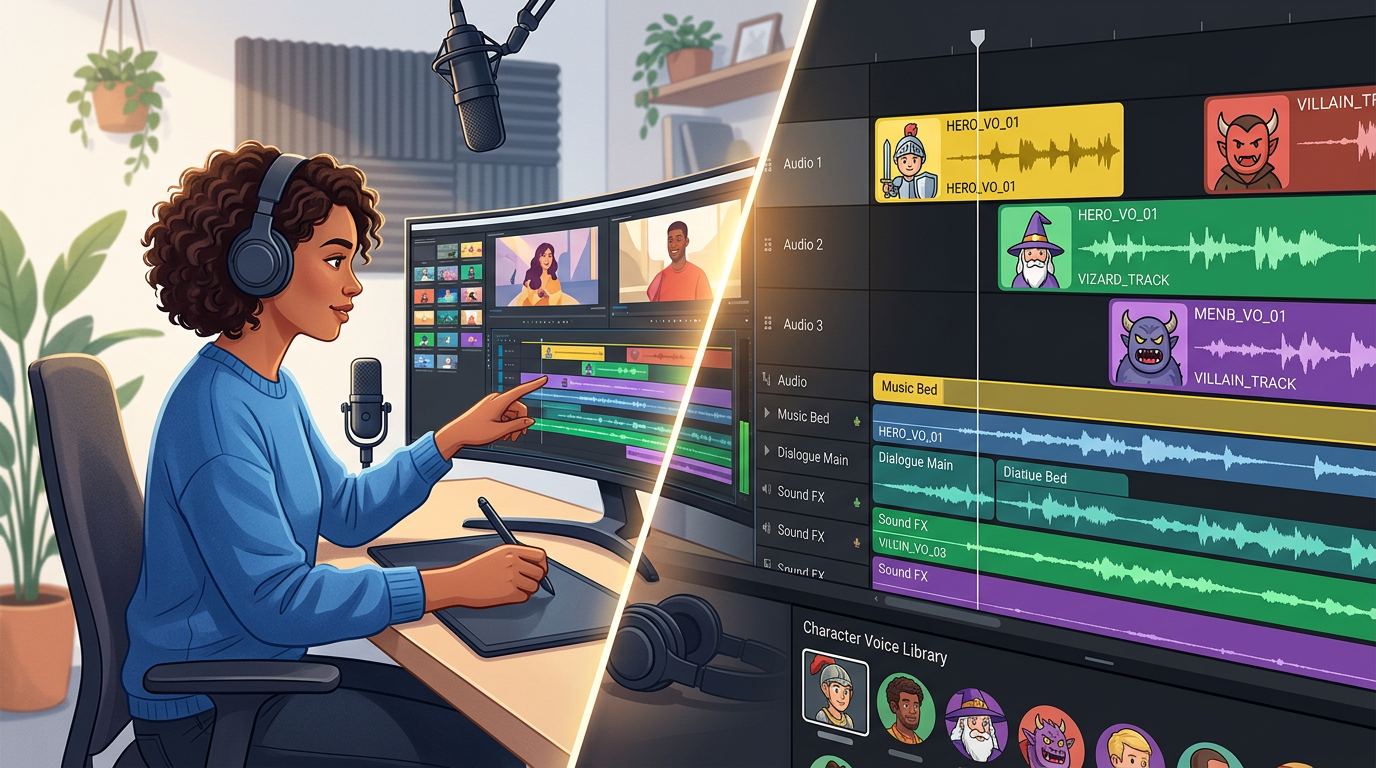
Relying on a single character can eventually lead to creative fatigue. To keep your channel or brand fresh, you need a diverse library of archetypes that can play off one another. Think of your voice library as a cast of characters in a play; you need a balance of energies to keep the narrative dynamic. If your content is too uniform, the audience stops being surprised. By mixing these distinct personas—the mad scientist, the athlete, the icon—you can build a more complex, engaging, and memorable brand that resonates with a wider audience. The key to successful content creation today is the ability to pivot between these voices seamlessly, ensuring that your audience remains entertained and invested in your unique creative universe. Whether you are building a narrative series or just experimenting with short-form content, the ability to call upon a diverse cast of AI personas is the ultimate creative superpower.
How do I get a voice that sounds like Sigma from Overwatch?
To get the best result, look for an AI platform that offers character-specific voice models. Focus on inputting scripts that lean into his signature cadence—using philosophical, scientific, or gravity-related terminology helps the AI lean into the correct inflection.
Can I use AI voice generators for monetized YouTube videos?
Yes, but you must ensure the platform you use provides clear terms regarding commercial use and intellectual property. Always prioritize tools that are transparent about their licensing.
What are the best alternatives to Cameo for character-based content?
Fanfun is a leading alternative that allows you to generate content with fictional characters and celebrity personas instantly. Unlike Cameo, which relies on real-time human availability, AI platforms provide 24/7 access and unlimited creative iterations.
How do I make my AI voice sound more natural and less robotic?
Natural-sounding AI is all about the script. Use punctuation, line breaks, and descriptive stage directions to guide the AI's flow. If the software allows for it, adjust the 'intensity' or 'emotion' sliders to match the desired output.